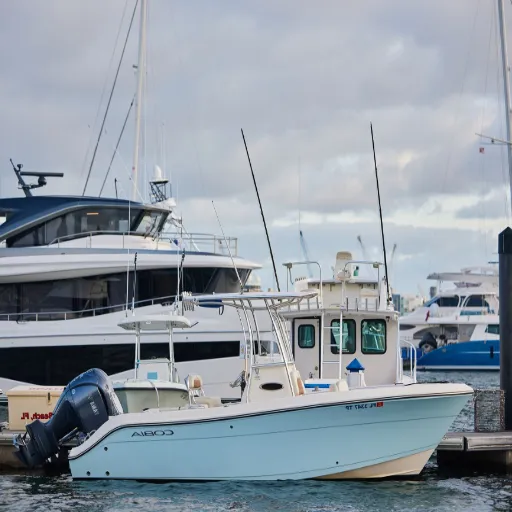
Marcus estava ao leme de seu novo Bayliner, com as mãos firmemente agarradas ao volante, enquanto o marinheiro da marina gritava instruções do cais. "Vire para bombordo! Bombordo!" Marcus congelou. Ele sabia que o barco tinha um lado esquerdo e um lado direito, mas naquele momento de adrenalina, não conseguia se lembrar qual era qual. A pausa durou apenas três segundos, mas foi tempo suficiente para a proa passar pela vaga e raspar na estaca com um estalo horrível.
Pessoas que sofrem de ataques de pânico repentinos devem saber que compartilham essa condição com outras pessoas. Todo capitão experiente já foi um novato que confundia bombordo e estibordo. A boa notícia é que esses termos são mais simples do que parecem. Uma vez que você entenda a lógica por trás deles, bombordo e estibordo se tornam naturais. Este guia ensinará exatamente o que é o lado de bombordo de um navio, por que os barcos usam essas palavras em vez de esquerda e direita, e como esse conhecimento protege tanto sua embarcação quanto sua hélice.
O que é o lado de bombordo de um navio?
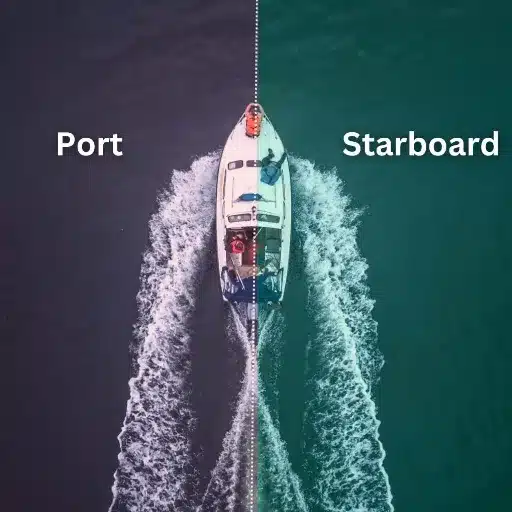
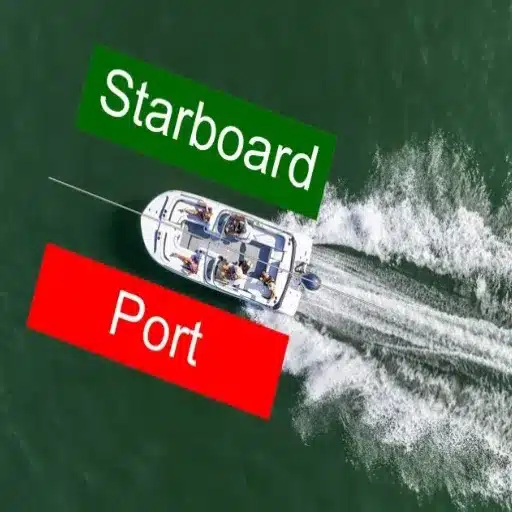
O lado de bombordo de um navio refere-se à sua seção esquerda, que é visível para quem olha de frente para a embarcação. O lado de bombordo funciona como o lado esquerdo, em oposição a estibordo. A embarcação estabelece esses termos como designações permanentes que permanecem inalteradas independentemente da sua posição ou da direção em que o navio está navegando.
O ponto de referência fixo impede que os marinheiros usem os conceitos de "esquerda" e "direita" na água. Os dois tripulantes que se olham terão suas direções esquerda e direita invertidas, pois estarão voltados para direções opostas. O sistema gera confusão, o que resulta em acidentes entre navios, encalhes e danos dispendiosos no cais. Bombordo e estibordo eliminam essa ambiguidade.
Eis a regra mais simples para memorizar:
- Porto = Esquerda (de frente para o arco)
- Estibordo = Direita (de frente para o arco)
- Laço = Frente
- Popa = Costas
O lado de bombordo do navio exibe uma luz de navegação vermelha à noite. lado estibordo A luz verde acende. O direito marítimo internacional exige essas cores porque elas auxiliam os navegantes a determinar as rotas de navegação uns dos outros após o pôr do sol. Se você ainda estiver com dúvidas sobre a direção do porto, o truque das quatro letras mostra a maneira mais rápida de encontrar a resposta.
Quer garantir que sua hélice esteja em perfeitas condições antes da sua próxima saída? Entre em contato com nossa equipe Para uma consulta gratuita sobre seleção e manutenção de hélices.
De onde vieram “Porto” e “Estibordo”?
Os termos bombordo e estibordo não são aleatórios. Eles carregam consigo quase mil anos de história marítima, tornando-se mais fáceis de memorizar após o aprendizado do contexto histórico por trás dos termos.
A palavra "starboard" vem do termo em inglês antigo "steorbord", que significa "lado do leme". Os navios vikings e outras embarcações antigas utilizavam um grande remo ou prancha que os marinheiros manobravam do lado direito, na popa. Os marinheiros posicionavam o remo de direção à direita porque a maioria tinha mais facilidade para manobrar nessa área. O termo evoluiu de "steorbord" para a palavra moderna "starboard".
Os navios usavam o lado esquerdo para atracar nos cais ao entrarem nos portos. Esse método de atracação protegia o leme do lado direito, pois este permanecia distante do cais. O lado esquerdo do navio ficava voltado para o bombordo, então os marinheiros começaram a chamá-lo de "larboard", termo derivado do inglês antigo que significa "lado de carregamento".
A palavra “larboard” apresentava um problema: sua sonoridade era muito semelhante à de “starboard” quando as pessoas falavam em condições de ventos fortes ou mar agitado. Essa semelhança entre os dois termos criava uma situação que levava a perigosas falhas de comunicação. Em 1844, a Marinha Real Britânica abandonou oficialmente o termo “larboard” e o substituiu por “bombordo”. A Marinha dos EUA adotou a nova terminologia logo em seguida. O novo termo melhorou a segurança, pois proporcionava uma melhor compreensão de como os navios operavam durante as atracações.
Segundo o Serviço Oceânico da NOAA, essa mudança não se deveu apenas à tradição. A necessidade de uma comunicação clara no mar foi o motivo dessa alteração.
Bombordo vs. Estibordo: As Principais Diferenças
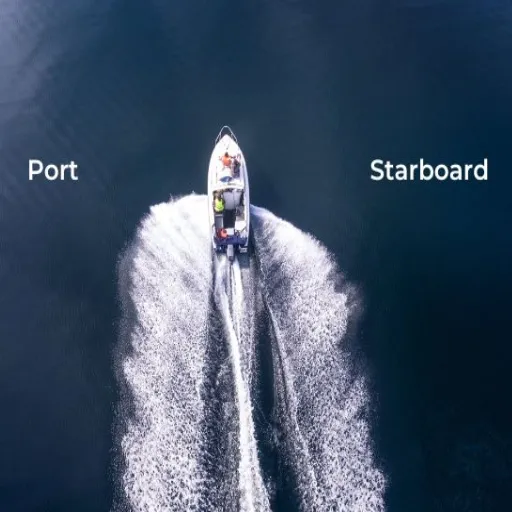
Saber qual lado é qual é apenas o começo. Para operar com segurança, você também precisa entender como bombordo e estibordo afetam as luzes de navegação, as regras de prioridade de passagem e as manobras em espaços apertados.
Luzes de navegação e cores
Toda embarcação motorizada deve exibir luzes de navegação coloridas após o anoitecer. Essas luzes funcionam como semáforos na água:
- Lado de bombordo: luz vermelha
- Lado estibordo: Luz verde
- Popa: A luz branca
- Arco: A luz branca
A presença de uma luz verde proveniente de uma embarcação que se aproxima indica que O barco mostra seu lado estibordo. Para observadores. Você tem a prioridade na maioria das situações. A presença de uma luz vermelha da outra embarcação indica que ela está a bombordo e você precisa ceder a passagem. A regra "vermelho-direita-retorno" funciona ao contrário, pois os sinais vermelhos indicam que você deve ceder a passagem aos outros.
O primeiro passeio noturno de Sarah no Lago Michigan terminou com ela aprendendo a lição que se tornaria sua experiência mais importante. Ela viu uma luz verde à sua bombordo e presumiu que deveria parar. A luz verde, na verdade, lhe dava o direito de passar pela interseção. O outro navegante ficou confuso porque ela fez uma parada desnecessária, o que o fez reduzir a velocidade, e eles quase colidiram no canal. Sarah usou uma pequena folha de dicas vermelha e verde para anotar informações importantes, que ela manteve em seu posto de comando depois daquela noite. Ela nunca mais hesitou em uma sinalização desde então.
Direito de passagem na água
O Regulamento Internacional para Evitar Abalroamentos no Mar, comumente chamado de COLREGs, rege a forma como as embarcações se cruzam. Os navegadores de recreio precisam compreender essas regras fundamentais, pois o regulamento completo contém detalhes complexos.
- Uma embarcação se aproximando de sua direção. lado estibordo (direito) é a embarcação com direito de passagem. Você deve ceder a passagem.
- Uma embarcação se aproximando de sua direção. lado de bombordo (esquerdo) deve ceder a passagem para você.
- Em situações de cruzamento, a embarcação a estibordo tem a prioridade de passagem.
As regras exigem que as pessoas entendam seus pontos de navegação de bombordo e estibordo. Um erro aqui não resulta apenas em uma pequena colisão. Seu casco, motor e hélice sofrerão danos em segundos após uma colisão em alta velocidade.
5 maneiras fáceis de lembrar bombordo e estibordo
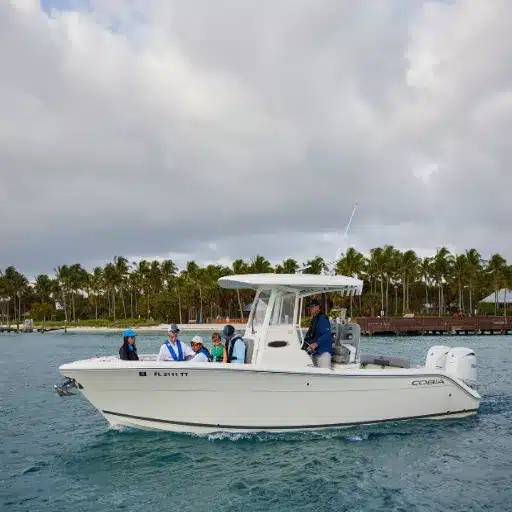
Técnicas de memorização ajudam os marinheiros profissionais a reter informações com mais facilidade. As cinco técnicas a seguir são eficazes nesse processo.
- A regra das quatro letras. A palavra “port” contém quatro letras. A palavra “starboard”, juntamente com “right”, contém mais de quatro letras.
- O vinho do Porto existe na forma de vinho tinto. O lado de bombordo possui uma luz de navegação vermelha. O vinho do Porto existe na forma de vinho tinto. A cor serve como um auxílio mnemônico para a identificação do lado.
- “Não há mais vinho do Porto tinto na garrafa.” A tradicional regra mnemônica dos marinheiros associa o vermelho, o bombordo e a esquerda como três conceitos relacionados.
- A estibordo tem dois R's. A palavra “starboard” contém duas letras R, assim como a palavra “right”.
- Associação física. Você deve guardar sua garrafa de vinho do Porto na cozinha, no armário à sua esquerda. A conexão se fortalece a cada vez que você a pega.
Nosso guia sobre o lado estibordo de uma embarcação, juntamente com nossa visão geral das laterais de um barco, fornece conhecimento essencial sobre navegação.
Por que bombordo e estibordo são importantes para a manutenção da hélice
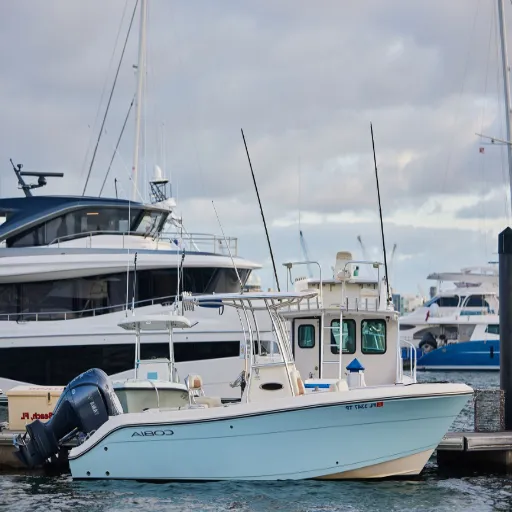
A explicação para sua pergunta sobre a relação da hélice com este assunto começa com a necessidade fundamental de entender a direção da sua embarcação para três atividades essenciais: atracar, manobrar e realizar manutenção de rotina.
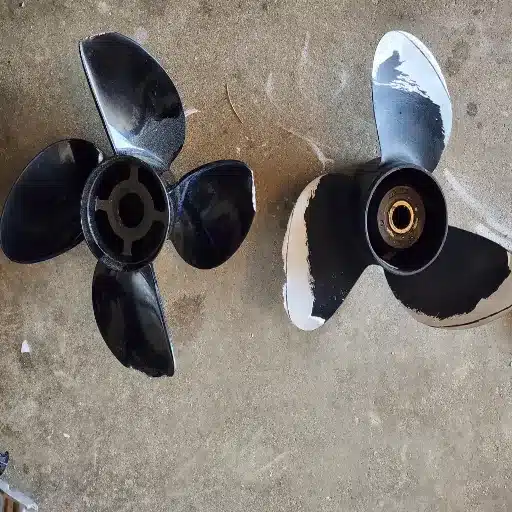
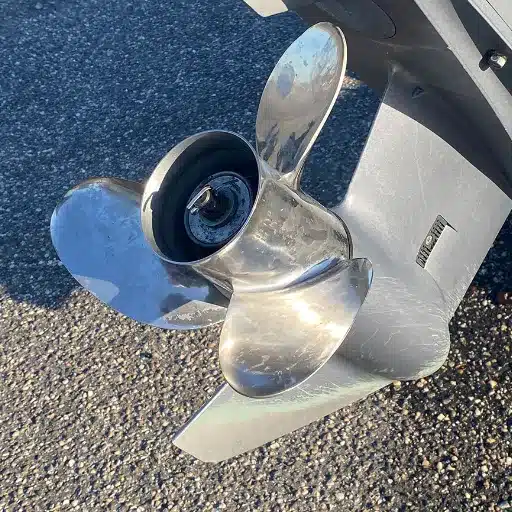
Ao chegar a um posto de abastecimento, o atendente o orientará a atracar sua embarcação em um local designado. Sua hélice pode atingir uma estaca, uma rocha submersa ou outra embarcação se você virar a popa na direção errada após tomar uma decisão equivocada. Danos à hélice são muito caros para consertar. Uma pequena batida prejudica o balanceamento das pás, o que leva à diminuição da eficiência de combustível e vibrações na transmissão até que o problema seja resolvido.
O Capitão Mike opera uma empresa de fretamento de barcos na Flórida. Ele acidentalmente raspou a hélice do lado esquerdo em um muro de contenção de concreto porque confundiu bombordo com estibordo durante uma aproximação com vento forte. O conserto lhe custou dois dias de receita de fretamento e US$ 800 em peças. Agora, ele exige que todos os novos marinheiros aprendam os termos antes de entrarem na área do cais.
O conhecimento do lado de bombordo permite realizar inspeções pré-viagem da embarcação. Técnicos que trabalham com motores de popa precisam inspecionar a hélice em uma posição específica. Se você abordar sua embarcação consistentemente pelo lado de bombordo, desenvolverá um padrão operacional permanente. Essa consistência permite a detecção precoce de problemas, como linhas de pesca enroladas no eixo, pás tortas e corrosão inicial do cubo.
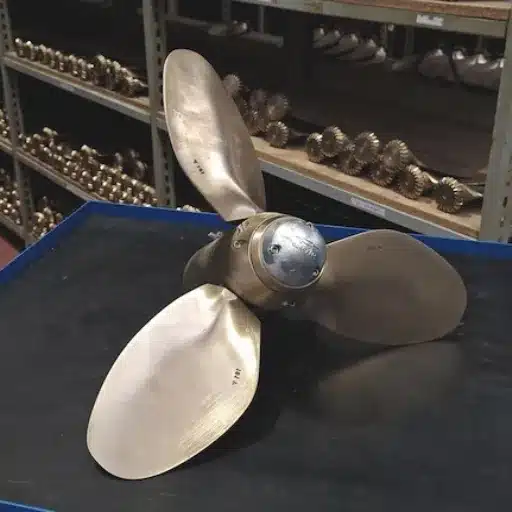
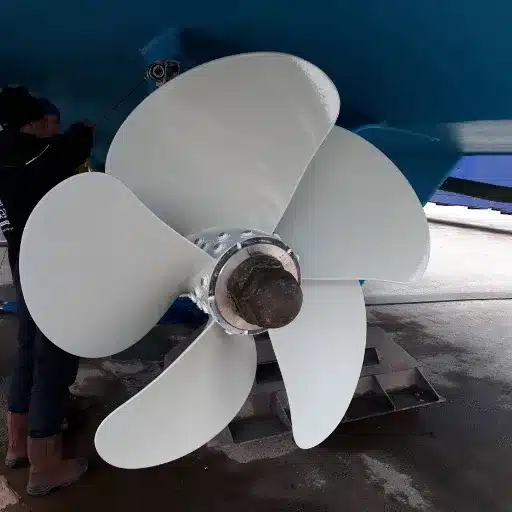
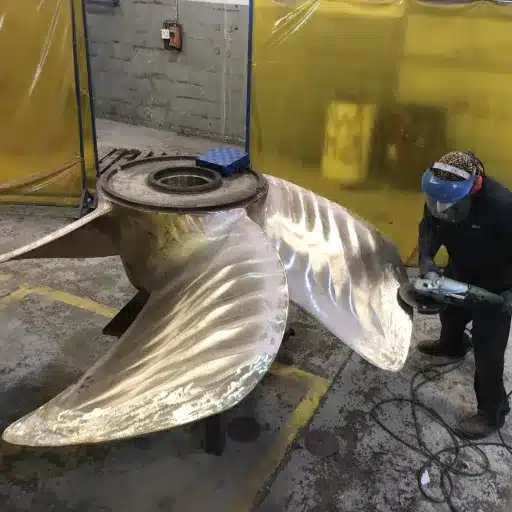
Na Captain Marine, projetamos hélices que resistem a condições adversas, mas nenhuma hélice está imune a erros do operador. Alguns segundos de atenção ao leme podem economizar milhares de dólares em reparos. Se você não tem certeza se a hélice atual é a adequada para o seu barco, entre em contato com nossos especialistas. Ajudaremos você a encontrar uma hélice projetada especificamente para o seu motor e estilo de navegação.
Perguntas frequentes
O porto é sempre à esquerda?
Sim. Bombordo refere-se ao lado esquerdo de uma embarcação, que se estende da proa à popa. A direção de bombordo da embarcação permanece constante porque não depende da sua posição ou do movimento da embarcação. Bombordo é fixo.
As direções bombordo e estibordo mudam se você der meia-volta?
Não. Quando você está de frente para a popa do navio, o lado de bombordo fica visível à sua direita, mas continua sendo o lado de bombordo da embarcação. A existência desses termos comprova sua função, pois eles permanecem constantes independentemente de como as pessoas optam por se orientar.
Qual é a cor da luz do lado de bombordo?
A luz de navegação de bombordo é vermelha. A luz de estibordo é verde. A luz de popa é branca.
Por que os barcos não usam simplesmente esquerda e direita?
As direções esquerda e direita dependem da direção para a qual a pessoa está voltada. Em um convés movimentado ou em uma emergência, dois tripulantes podem dar direções opostas sem perceber. Os termos náuticos bombordo e estibordo têm um significado universal que não pode ser mal interpretado.
Em que lado fica o porto em um navio de cruzeiro?
O lado esquerdo de todos os tipos de embarcações, desde caiaques a porta-aviões, fica à esquerda. Os navios de cruzeiro não são exceção.
Conclusão
Os termos bombordo e estibordo funcionam como termos essenciais de segurança marítima, estabelecendo métodos de comunicação inequívocos para operações marítimas. Aqui está o que você precisa lembrar:
- O lado de bombordo de um navio é o lado esquerdo quando você está de frente para a proa.
- O lado de estibordo é o lado direito quando você está de frente para a proa.
- Bombordo = luz vermelha. Estibordo = luz verde.
- Todos os termos permanecem constantes porque existem independentemente da sua posição direcional atual.
- Esse conhecimento permite proteger o casco, o motor e a hélice de erros dispendiosos.
Antes de entrar no barco, você deve dedicar dez segundos para se orientar. Comece de frente para a proa. Use a mão para apontar para o lado de bombordo. Diga a palavra em voz alta. Repetir várias vezes fará com que ela se torne uma resposta automática. Todos os capitães de sucesso iniciaram sua jornada com esse exercício básico de treinamento.