The impeller installation is indeed an important part of maxing out the performance of your Kawasaki 650sx. From merely needing a tad more acceleration for recreational purposes to going after ultimate speed gains and precision handling, the impeller’s selection matters. This comprehensive guide will help you understand everything about choosing and maintaining the ideal impeller for your Kawasaki jet ski to unlock its maximum potential and experience jet skiing at the top level!
Understanding the 650sx Impeller
What is an Impeller?
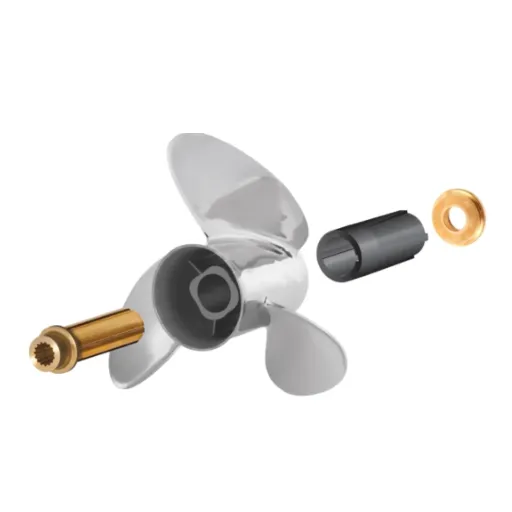
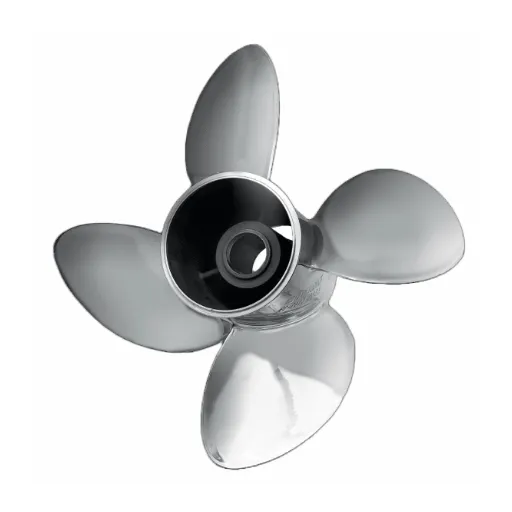
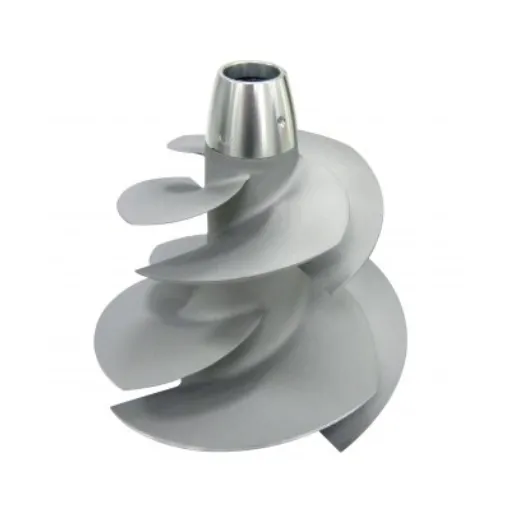
The impeller is an essential part of the jet propulsion system in jet skis, including the Kawasaki 650sx. It operates on a similar principle to a propeller, yet inside a housing to form and control the water flow. The chief function of the impeller is to suck water into the pump and then increase the water’s velocity to produce thrust, thus driving the jet ski forward. It is this process that allows the ski to have quick acceleration and smooth maneuverability on the water.
The shape of the impeller greatly affects the performance of your craft. The factors of blade shape, pitch, and their material choice determine how efficiently the impeller imparts momentum to the water, hence converting engine power into movement. The right impeller guarantees the right balance of speed and handling and will therefore ensure tons of fun on a high-performance ride.
Key Insight: Choosing the best impeller for your 650sx has to do with matching them up to your riding style and preference. If you are gunning after top speed, fast acceleration, or fuel efficiency, it is imperative that you pick an impeller to match that need, which will improve your total jet skiing experience.
Key Features of the 650sx Impeller
The 650sx SXR750 impeller promotes better performance in practically any jet ski due to the more efficient transfer of water. It also boosts the thrust applied by the engine, thereby improving overall acceleration and speed. Having balanced effects between power and responsiveness, the impeller is equally useful for varied water conditions and riding styles. Since the materials mostly consist of stainless steel and high-strength aluminum, the impellers have a good life span and can absorb or ward off almost any wear.
🎯 Performance Factors
- Pitch Design: Directly affects machine response and performance characteristics
- Low-Pitch Impellers: Deliver faster acceleration, ideal for choppy conditions and tight turning
- High-Pitch Impellers: Yield higher top speeds, perfect for smooth water surfaces and straight-line riding
- Low Maintenance: Designed for easy upkeep with regular inspections and cleaning
- Cavitation Reduction: Minimizes air bubbles that decrease thrust and increase fuel consumption
Comparison with Solas Impellers
While comparing the 650sx impeller and Solas impellers, many significant differences exist regarding characteristics like performance, resilience, and compatibility. The Solas series of impellers are world-famous for advanced design characteristics that are focused on precisely tunable acceleration curves for top-end speed. They are highly recommended in most high-performance applications, especially where precision from professional-grade riders or the best potential efficiency in racing situations is being demanded. In contrast, the 650sx impeller was engineered to balance durability and decent performance in just about any working hydrographic condition and is therefore favored by recreational and leisurely enthusiasts.
| Feature | 650sx Impeller | Solas Impellers |
|---|---|---|
| Performance Focus | Balanced durability and performance | High-performance, precision tuning |
| Materials | High-strength aluminum, stainless steel | Premium stainless steel |
| Best For | Recreational riders, varied conditions | Racing, professional riders |
| Price Point | Mid-range, cost-effective | Premium pricing |
| Installation | Easy, straightforward process | May require customization |
| Customization | Limited options | Extensive model-specific options |
Performance Enhancements with 650sx Impellers

Impact of Pitch on Performance
The pitch of the 650sx impeller is arguably one of the most crucial aspects that determine the whole performance of the jet ski in regard to acceleration, top speed, and handling. Choosing the right pitch marks the balance between power and efficiency. Here are the five most distinct influences on performance from impeller pitch:
- Acceleration:
Lower pitch design helps with the quickness of acceleration, being the most suitable one for activities requiring burst speed over short durations—customarily racing or negotiating tight turns. - Top Speed:
A higher pitch impeller is instrumental in achieving the highest-ever top-end speed and is fitted for those riders who prefer long-distance journeying or wish to enjoy riding in open water. - Fuel Efficiency:
Lower pitch impellers tend to consume more fuel during operation due to higher revolutions per minute (RPMs), while higher pitch impellers provide better fuel efficiency at high speeds. - Handling:
Lower pitched impellers provide better control in turbulent waters, whereas higher pitches are more desirable in flat waters. - Engine Strain:
The wrong pitch impeller can really stress out the engine. The right impeller excels in the performance of the engine components as well as in the maintenance cycle of the jet ski engine.
Choosing the Right Impeller for Optimal Speed
When looking for suitable strength and performance, aim to purchase an impeller that suits your engine’s specifications. Understanding impeller function based on pitch, blade count, and material dependence in different conditions is instrumental. A lower pitch will give quick acceleration, ideal for towing or sudden acceleration, while a higher pitch works to achieve high-end speed in calm conditions.
✓ Selection Checklist
- ☑ Match impeller to engine specifications
- ☑ Consider your most common riding conditions
- ☑ Evaluate stress on engine components
- ☑ Assess performance goals (speed vs. acceleration)
- ☑ Factor in recreational, racing, or utilitarian use
- ☑ Balance speed, power, and reliability requirements
Maintenance Tips for Your 650sx Impeller
Regular Checks and Cleaning
To ensure that the impeller of your 650sx is well taken care of, it needs to be frequently checked and cleaned. Keep a closer look at the impeller for any visible signs of harsh wear such as cracks, dents, and distortions. Any of these factors could potentially lower performance and efficiency if left unattended. Please make sure to completely shut down the engine when looking at or touching the impeller, and take necessary precautions.
⚠️ Important Maintenance Steps
- Inspect for visible signs of wear (cracks, dents, distortions)
- Always shut down the engine before inspection
- Rinse thoroughly with fresh water after every use
- Pay special attention after saltwater riding
- Use soft bristle brush for stubborn debris
- Avoid harsh cleaning agents that may damage surfaces
Best Practices for Longevity
It is advisable to keep checking your 650sx impeller system for maintaining longer life by cleaning the impeller housing and the surrounding area to prevent debris that could cause damage or inefficiencies. Regular cleaning and proper inspection will detect early signs of wear (such as cracks or distortion) and enable treatment of possible issues before there is a catastrophic failure.
💡 Pro Tips for Extended Life
- Maintain operational RPM within manufacturer’s recommended range
- Consider new-generation alloys or composites for better corrosion resistance
- Use futuristic lubricants and sealants specifically configured for impellers
- Apply precision resurfacing or laser cladding for repairs when needed
- Stay updated with newer technologies and maintenance techniques
Step-by-Step Guide to Replacing Your 650sx Impeller
DIY Replacement Process
Step 1: Gather Proper Tools and Maintenance Supplies
Collect all required materials: socket wrench, flathead screwdriver, impeller puller, marine grease, new 650sx impeller, and user manual or schematic for reference.
Step 2: Preparation of the Watercraft
Remove the key and disconnect the battery to prevent accidental starting. Prop the watercraft on a stand to allow safe access to the impeller and pump cover.
Step 3: Draining the Cooling System
Ensure the cooling system is thoroughly empty of water to prevent spillage during pump lid reinstallation. Consult your user manual for drain plug location.
Step 4: Disassembling the Pump Case
Carefully detach bolts from the pump housing using your socket wrench. Avoid stripping bolts or damaging adjacent parts. Inspect the pump housing and impeller shaft for maintenance needs.
Step 5: Detach Old Impeller
Use the impeller puller tool to remove the worn impeller from the shaft. Avoid excessive force to prevent shaft or thread damage. Examine threads and remove any debris or deposits.
Step 6: Mount the New Impeller
Apply a light coat of marine grease to the shaft’s threads. Carefully thread the new impeller onto the shaft. Tighten securely, but avoid overtightening to prevent damage.
Step 7: Assembly of Pump Casing
Re-attach the pump housing with proper alignment to mounting points. Tighten bolts in stages to ensure the pump is sealed properly.
Step 8: Re-Connect and Test
Reconnect the battery and conduct a detailed system check. Start the engine briefly to verify smooth impeller operation. Listen for unusual noises or vibrations. Check for leaks and ensure the cooling system is functioning properly.
Post-Replacement Checks
After installing the 650sx impeller successfully, conduct routine checks to monitor optimal performance and safety. Start by inspecting all cooling conduits to ensure no hoses are leaking or worn and that all clamps and fasteners remain tight. By ensuring the cooling system is thoroughly sealed, you’ll minimize the possibility of engine overheating during operation.
🔍 Post-Installation Inspection Checklist
- Inspect all cooling conduits for leaks or wear
- Verify all clamps and fasteners are tight
- Test performance in controlled environment
- Observe water flow and cooling efficiency
- Monitor for unusual vibrations or sounds
- Check for water leaks in cooling system components
Maximizing Performance with Upgraded Impellers
How to Select an Upgrade
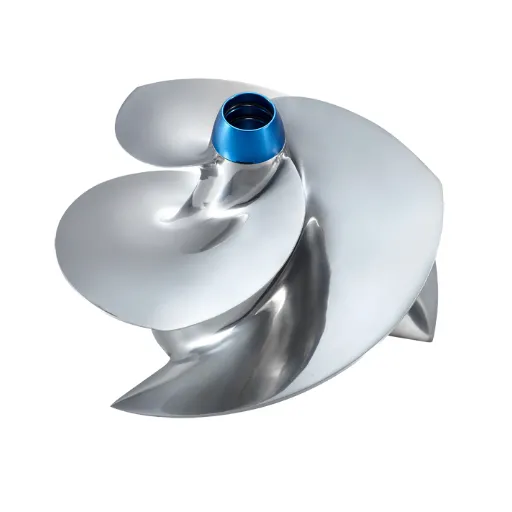
Picking the appropriate impeller upgrade for your personal watercraft involves understanding your performance goals, craft specifications, and operating conditions. Consider assessing your required upgrade areas regarding speed, acceleration, and fuel efficiency. For high-speed requirements, your impeller should be of high pitch, whereas high-torque loads may benefit more from lower pitch options. Ensure compatibility with your watercraft by consulting the manufacturer’s manual for precise fit requirements.
📋 Material Considerations
- Stainless Steel: High durability, excellent for rough waters and extended use
- Aluminum: Lighter weight, more affordable for less demanding applications
- Composite: Balance of weight and cost for moderate usage
Benefits of Upgrading Your Impeller
The advantages of impeller upgrades significantly impact watercraft performance, efficiency, and overall satisfaction. Here are five key benefits:
⚡ Better Acceleration and Top Speed
A high-quality impeller is designed with more efficient thrust to push water, allowing better acceleration and higher top speed. This significantly enhances the riding experience as the watercraft becomes more responsive with improved timing and delivers a smoother high-speed ride.
⛽ Enhanced Fuel Efficiency
Modern impellers are engineered to deliver superior water flow by minimizing friction and drag. Less strain on engines translates to better fuel economy, longer runs on the same tank, and significant cost savings over time.
🎯 Outstanding Stability and Handling
Better quality impellers increase the watercraft’s maneuverability in rough and choppy water conditions. With reduced cavitation and improved handling, tight cornering and a smoother, more stable ride become widely achievable.
🔧 Durability and Longevity
Upgraded impellers are often made with more robust materials such as stainless steel or corrosion-resistant alloys. These materials are designed to withstand tough marine environments, making your impeller last longer and requiring fewer replacements.
🎨 Customization for Specific Needs
Aftermarket impellers come in many designs for specific activities such as cruising, racing, or towing. This customization helps adjust your watercraft for use in your preferred fashion, ensuring maximum pleasure from your investment.
Real-World Performance Improvements
A quality aftermarket impeller upgrade can provide your watercraft with a significant increase in performance. One of the most notable improvements is in acceleration, thanks to anti-cavitation features that enhance power transfer from the engine to the water. This is particularly beneficial for jet skis, PWCs, and boats that rely upon short bursts of power for racing or navigating rough waters. Users across various watercraft types consistently report improvements to ride quality due to the enhanced balance of premium impellers and their tighter-tolerance engineering.
Efficiency is another important realm for progress. By optimizing water flow through the pump system, aftermarket impellers reduce drag on the engine, enabling it to operate more efficiently on the same amount of fuel. This can result in substantial savings over time through fewer refueling stops and extended usage times. An impeller upgrade that’s properly matched to the engine size delivers maximum efficiency regarding both performance and longevity, making it ideal for owners who use their watercraft frequently or for extended periods.
📊 Expected Performance Gains
- Top Speed Increase: 5-10% improvement in maximum velocity
- Acceleration: Noticeably quicker throttle response and burst speed
- Fuel Consumption: Up to 15% reduction in fuel usage at cruising speeds
- Towing Power: Enhanced capability for wakeboarding or water tubing
- Overall Handling: Improved maneuverability in various water conditions
Most manufacturers offer detailed performance graphs that illustrate the type of improvements owners may expect when upgrading their impellers. However, numerical data can be complex, so it’s advisable to gather additional information from real user experiences. Reading testimonials from people who have used the particular impeller you’re considering will help you make an informed choice about what best suits your requirements, guaranteeing optimal watercraft performance for your specific needs.
References
-
Motorized Obsessions: Life, Liberty, and the Small-Bore Engine
This academic resource discusses the role of the impeller in watercraft, including the 650SX’s underwater exhaust outlet design. -
Snow, 1989: A Review of Personal Watercraft Appendices
This NOAA document includes detailed information about the Kawasaki JET SKI 650SX, its engine, and jet impeller performance. - Click here to read more.
Frequently Asked Questions (FAQ)
❓ What is a 650sx impeller and how can it affect PWC performance?
A 650sx impeller is the spinning unit inside the pump of a 650sx personal watercraft (PWC) that propels water to create thrust. Replacing the 650sx impeller with a performance upgrade can alter acceleration, top speed, and handling. An appropriately matched impeller increases overall speed and throttle response, while one that doesn’t match may cause cavitation or reduced efficiency.
❓ How do I decide to replace the 650sx impeller?
If you experience reduced acceleration, lower top-end output, unusual vibrations, or notice the engine racing without corresponding speed gain, the 650sx impeller may have distortion or wear. Check for scratches on the blade edges, bent vanes, or erosion at the blade’s bottom and back. Maintenance becomes necessary after beaching incidents or debris strikes.
❓ Can I swap a stock impeller for an aftermarket 650sx impeller?
Swapping a 650sx stock impeller with an aftermarket impeller is usually straightforward. However, aftermarket impellers may lack compatibility details and could mount incorrectly. Always compare the specifications with those of the impeller being replaced and plan accordingly. Ensure the supplier has included a thrust washer with the impeller. The impeller pitch information is typically located beneath the impeller. Remember to note the exact positions of any alignment marks before removal.
❓ Is installing a 650sx impeller difficult?
The installation of an impeller on a 650sx is not overly difficult but requires basic tools and mechanical know-how. The process involves removing the pump cover, loosening the driveshaft nut, removing the old impeller using a puller or proper tool, installing the new one with correct timing alignment, and torquing the nut to specification. If you have doubts about your mechanical ability, it’s advisable to have a professional shop perform the installation to avoid damaging your pump or linkage mechanism.
❓ Does a different 650sx impeller affect fuel consumption and engine wear?
The impeller can significantly affect fuel economy as it impacts both engine load and efficiency. An overly aggressive pitch can make the engine consume more fuel and cause potential wear. Conversely, a more efficient blade shape can lead to better cruise economy. Ensure the impeller is properly matched with your engine’s powerband and any top-end modifications to help reduce adverse side effects.
❓ Should I replace a damaged 650sx impeller immediately?
Yes, it is inadvisable to run with a damaged 650sx impeller. This can lead to cavitation, which affects cooling efficiency, causes severe vibrations, and might cause further damage to the pump housing and gearbox. If you must operate the watercraft temporarily, run at low RPMs under gentle loads and make arrangements to replace the impeller as soon as possible to prevent costly repairs.
Conclusion
Selecting and maintaining the right 650sx impeller is crucial for maximizing your Kawasaki jet ski’s performance. Whether you’re seeking improved acceleration, higher top speeds, or better fuel efficiency, understanding the impact of pitch, material, and proper maintenance will help you make informed decisions. Regular inspections, timely replacements, and choosing upgrades that match your riding style will ensure years of reliable, high-performance jet skiing. Remember to always prioritize safety and consult professional guidance when needed to get the most out of your watercraft investment.