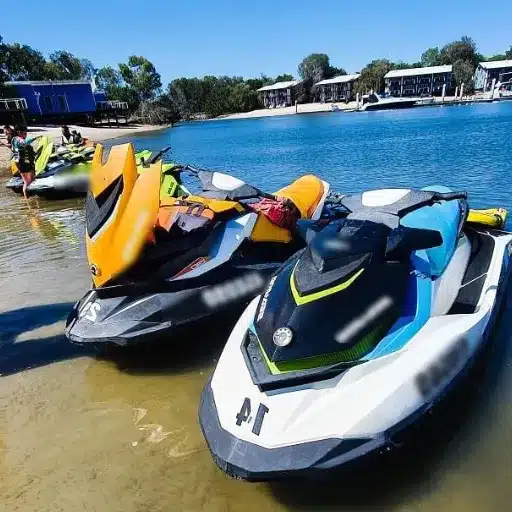
Every owner of a jet ski eventually encounters this question: Is it safe to start my personal watercraft out of the water? Whether you are gearing up for an exciting day on the lake, engaging in some routine servicing, or are just interested in knowing a bit about your jet ski, it’s important to know the risks and safe procedures. The guide cuts through the numerous myths and confusion to give you clear professional advice on starting a jet ski on land. Read on as we delve into the watercraft’s mechanism, the hazards of starting up dry, and some good maintenance measures for your jet ski, be it on land or water.
Understanding Your Jet Ski: Types and Features

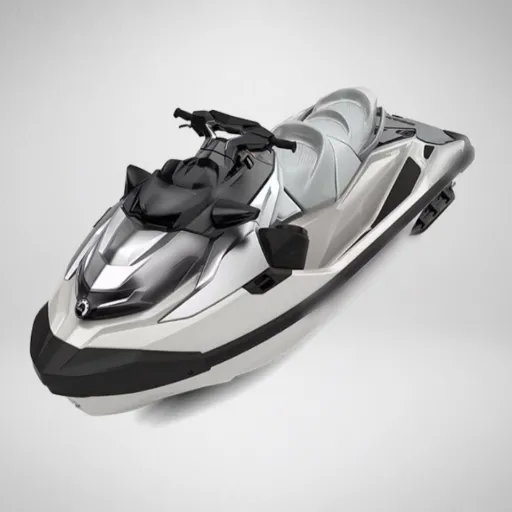
Popular Jet Ski Models: An Overview of Sea-Doo, Yamaha, and Kawasaki
From the fresh insights, here is a brief overview of popular jet ski models from Sea-Doo, Yamaha, and Kawasaki, emphasizing their particular characteristics and charm:
Sea-Doo
Yamaha
Kawasaki
Essential Components of Personal Watercraft
One-of-a-kind propulsion systems differentiate personal watercraft from classic watercraft. The jet propulsion engine employs an impeller to draw water in and expel it at very high pressure through a nozzle. Since external propellers are eliminated in this system, PWCs are deemed safer for the rider and can be traversed in shallower waters. Modern engines, from the supercharged Rotax to the Yamaha SVHO, provide different horsepower levels to meet the needs of both recreational users and performance enthusiasts. Many new models have used the latest technologies to improve fuel efficiency and lower emissions, thus meeting environmental standards.
Another bit of crucial consideration is the hull design, which impacts stability, speed, and maneuverability. As such, deep-V style hulls afford outstanding handling in rough waters, whereas flatter hulls are suited for calm lake waters and novice riders. Materials used, such as lightweight fiberglass or carbon fiber, help improve durability and performance. Lastly, the control system, which includes handlebars, throttle, and braking systems, has been enhanced with intelligent braking and reverse (iBR) systems, cruise control, and even touchscreen displays for navigation and performance monitoring.
Ergonomic design in a PWC enhances comfort and safety for the rider. In consideration of long rides and multiple activities, seats are adjustable, boarding steps are available, and storage compartments are large. Safety features are embedded in all designs, including kill switches and life jackets. With all these innovations, personal watercraft continue to be a new combination of excitement, utility, and safety for water fun.
Importance of Cooling Systems in Jet Skis
Cooling systems play a critical role in jet skis, especially when the engine has to work efficiently in unsafe conditions. Jet ski engines emit heaps of heat during operation, especially for high-performance engines that have been supercharged, such as the Rotax 1630 ACE or Yamaha SVHO. A cooling system is the most essential part to prevent engine overheating. In a jet ski, heat halts performance, whereas severe cooling can lead to damage. With today’s jet skis, open and closed cooling systems are generally in operation, each with its own set of advantages customized for a particular environment and use scenario.
In open-loop systems, Yamaha and Kawasaki brands are good examples: an open-loop cooling system draws water directly from the surrounding environment to cool the engine. Such a system is, for the most part, simple and effective when it keeps cold water running through the engine. However, in a saltwater environment, this system would require a thorough flush every time after use to prevent salt from depositing and corrosion from forming there. Conversely, the Sea-Doo generally incorporates a closed-loop configuration, keeping the engine cool via a heat exchanger and coolant. The advantage of this system being completely sealed is that it prevents contamination of the engine by outside materials, offering a benefit when used in saltwater.
💡 Technical Insight: A cooling system is also capable of incorporating additional features such as debris filters and temperature sensors. Debris filters keep particles from getting into the cooling system to ensure smooth water flow. Temperature sensors, on the other hand, monitor the engine’s heat level and send an alert or trigger a safety measure if the engine overheats. An exemplary closed-loop system would keep the engine temperature at 160°F-180°F (71 °C-82 °C), which is ideal for performance. Manufacturers, therefore, use advanced cooling techniques to make jet skis reliable and extend their lifespan for both recreational and professional use.
Starting a Jet Ski on Land: Risks and Considerations

A Quick Look into Earth-Based Jet Ski Starting
⚠️ CRITICAL WARNING
Starting a jet ski on land is an intriguing topic among marine vehicle enthusiasts, yet one must always understand the associated mechanics and risks. These machines are designed to run on water, where the surrounding water temperature cools the engine and impelling system. If one tries to start it on the land, the lack of water flowing inside the engine or impeller nozzle can cause critical parts, such as the impeller and exhaust system, to be damaged by heat in just a few seconds. Most manufacturers, such as Sea-Doo, Yamaha, and Kawasaki, warn that land operation should not exceed 15 seconds to prevent damage.
This limitation is primarily due to the jet ski’s cooling system. Most use an open-loop cooling system that draws in water to maintain engine temperature. With no water, the impeller spinning at very high speeds can get very hot and can be damaged. Furthermore, the exhaust system is usually water-cooled and can become so hot that it melts some internal components. On the other hand, with jet skis having a closed-loop cooling system, such as Sea-Doo, the engine may remain safe for some time, but the exhaust needs water to keep itself from overheating.
💧 Best Practice: If you want to set your jet ski into operation on land for carrying out any maintenance or troubleshooting, it is best to use a garden hose with a flush adapter to simulate water flow. This allows water to flow through the cooling system, which protects the engine and exhaust. Before restarting the engineering system, always follow the manufacturer’s instructions on how to connect the hose, and make sure that the water is flowing. This way, you can avoid damage to your personal watercraft should you choose to do some short operation on land.
Engine Damage Potential If There Is No Water
Turning the jet ski on without water can cause serious harm to the engine and other vital areas. Jet skis use the water for propulsion, cooling systems, engine operation, and exhaust. Without water, the impeller, which rotates at thousands of revolutions per minute, can overheat due to friction. This overheating may cause warping or cracking of the impeller housing, thus producing poor performance or complete failure. Furthermore, a lack of water flow might result in a swift buildup of heat in the engine, potentially causing damage to seals, gaskets, and internal parts.
🔥 EXTREME DANGER ZONE
The primary area of a jet ski vulnerable to damage when operated without water is the exhaust system. In the vast majority of jet skis, water-cooled exhaust systems are used to dissipate heat built up during operation. Reaching heat levels above 1,000 °F (537 °C) within seconds, the exhaust system causes rubber hoses to melt and plastic fittings to deform without water, leading to exhaust leakage, inefficiency, and repair demands. Even with advanced cooling systems like Sea-Doo’s closed-loop systems, the exhaust needs water from outside to be adequately cooled.
A flush kit is recommended by the manufacturers as a preventive measure against damage while running a jet ski on land for maintenance. This means that the garden hose is hooked onto the jet ski’s flush port to supply a steady flow of water to the cooling system. On the contrary, it is essential to have water running through the system before starting up the engine, being sure to operate it for less than 15 seconds in case no water is available. These steps will prevent unnecessary wear on the jet ski’s engine and exhaust system, ensuring that the operation can last for a long time.
Understanding the Role of the Carbon Seal
The carbon seal is an interaction component in many jet skis, most notably in Sea-Doo models, and is considered very important for preventing damage to the propulsion system. Acts as an interface between the engine and the driveshaft, preventing water ingress into the hull while allowing for the free rotation of the driveshaft. Constructed from strong carbon material, it is pretty resistant to wear and heat, providing an effective barrier even under conditions of high-speed operation. Its effectiveness is crucial for drying the engine compartment and protecting sensitive components against water damage.
As one of the prime functions of the carbon seal is to deal with the high pressure and friction developed during operation, the seal combines with a stainless steel ring at high RPMs of the driveshaft to provide a watertight joint. This configuration utilizes water lubrication to lower friction and heat. However, due to the absence or a lack of water flow, the carbon seal might overheat, resulting in a short life or the actual failure of the seal. For example, if the jet ski is run on land and, therefore, without water, the lack of lubrication will expedite the degradation of the carbon seal, causing it to leak and, possibly, damage the engine.
🔧 Maintenance Tip: Regular maintenance goes a long way in keeping a carbon seal in good condition: inspecting it for wear, cracks, or misalignment will prevent problems from arising from time to time. Changing carbon seals provides the best performance since most manufacturers recommend an interval between 100-200 hours of operation. If the rider frequently uses the vehicle in saltwater, an after-use flush is crucial to prevent salt buildup on the seal, which diminishes its effectiveness. By understanding and maintaining the carbon seal, you can ensure a smooth, reliable ride that safeguards the jet ski’s propulsion system.
How to Safely Start a Jet Ski Without Water

Flush Port Use: A Step-by-Step Guide
The flush port is an essential feature in most modern jet skis, as it facilitates the maintenance of the cooling system to prevent damage from salt, sand, and other debris. Regular flushing is essential to maintaining the longevity and health of the jet ski engine and other components, especially after a saltwater excursion. Although the procedure sounds very easy, some problems may arise from improper flushing. Here is a step-by-step flush port guide.
Step 1: Preparation
Set your jet ski on a flat surface, and with the engine off, locate the flush port; it is usually situated at the stern end or on the side of the hull. Connect one end of your garden hose to the flush port, using the adapter supplied with your jet ski. Ensure a tight connection so it will not leak during flushing.
Step 2: Flushing Process
The Water supply should be turned on first to establish a steady flow of water into the cooling system. With water running, one can already start the jet ski engine. This sequence must be observed, as never should the engine be run without water flowing; it may lead to overheating and damage to the impeller and the exhaust system. Allow the engine to run for about 1-2 minutes as water circulates, flushing off any debris or salt deposits. Engine revving must be avoided as this will disrupt water flow and lessen the flush’s effectiveness.
Step 3: Shutting Down
Afterward, the shutdown comes after flushing. The engine should be installed first, followed by the water supply, to prevent water backflow into the engine, which could cause internal damage. Disconnect the hose, check the flush port for wear or leaks, clean it if needed, and ensure a proper seal. Preventatively, spraying a light coat of anti-corrosion spray around the flush port and immediate area is recommended.
By following these steps, the jet ski cooling system remains optimal, ensuring excellent performance and extending the life of the personal watercraft. Preventive-care processes, such as flushing, might not seem worthy of the time invested, but in the end, it is well worth it.
Running Engine with Hose
Running a jet ski engine with a garden hose is often done for maintenance and flushing, but there is a right and wrong way to do it to avoid damaging the engine or cooling system. This method primarily works to wash off salt, sand, or debris left behind when using the jet ski in saltwater or a murky environment. However, one must consider the correct sequence and all technicalities to ensure that the procedure turns out both safe and effective.
Best Practices for Flushing Your Jet Ski
Watercraft maintenance is paramount in ensuring that a jet ski lasts and performs well. Flushing must especially be done in saltwater or debris-filled conditions. The operation removes salt, sand, and other types of grit that might enter the cooling and exhaust system, potentially leading to corrosion and blockage. Following the accepted practices will not only save you from expensive repairs but also keep your jet ski running smoothly.
Prepare the Equipment: Before starting, ensure you have a garden hose with a compatible flush adapter, which the manufacturer typically provides. Locate the flush port on your jet ski, usually near the rear or side of the hull. Attach the hose securely to the flush port, ensuring there are no leaks. It’s also a good idea to check the water pressure from the hose—moderate pressure is ideal, as excessive force can damage internal components.
The correct working sequence: Always turn on the water supply beforehand. Thus, with water flowing through the cooling system as soon as the engine begins to run, the engine will not overheat. During this time, allow the engine to idle for 1 to 2 minutes to enable water circulation to flush out dirt and impurities. Although flushing, never rev the engine, because the water flow can be disrupted and the flush less effective. For jet skis with a closed-loop cooling system, this step primarily cleans the exhaust system, as the engine uses a different type of coolant.
Finish Safely and Inspect: After flushing, the engine must be shut down first, followed by the water supply. This will prevent water from backflowing into the engine and causing internal damage. After the hose has been removed, examine the flush port for signs of wear or leakage. If needed, clean the port and spray lightly with anti-corrosive protection against rust and salt buildup. A well-maintained jet ski flushed regularly will have an increased lifespan and will perform optimally on water surfaces!
Trends in Jet Ski Maintenance for 2025

Innovative Technologies in Personal Watercraft
The personal watercraft (PWC) industry has undergone some notable technological developments in recent years to enhance performance, safety, and comfort. One trend toward innovative systems relies on onboard sensors and AI algorithms to monitor engine parameters and predict maintenance scenarios. The system prevents riders from experiencing sudden breakdowns by furnishing on-the-fly diagnostics and proactive alerts.
Other than that, another forefront innovation is the environmentally friendly propulsion system. Many manufacturers are now pursuing electric and hybrid engines as solutions to reduce emissions and meet the ever-tightening environmental regulations. These engines are attractive to recreational users as well as rental operators because they are quieter and cheaper to run.
Further hull design and materials improvements would increase durability and stability, allowing these machines to be precisely maneuvered at high speeds. Riding modes are custom setups that allow the rider to adapt the management system according to water conditions or from leisure cruising to hardcore wave riding.
Safety shall always come first since many new models will even have GPS-enabled navigation systems with collision avoidance systems. This allows a rider to boost their confidence while ensuring maximum safety on those crowded waterways. The bright future of personal watercraft will undoubtedly boil down to innovations that constitute efficiency, sustainability, and sheer fun for every enthusiast.
Environmental Practices for Jet Ski Owners
Jet ski owners who want to endorse marine ecosystem protection must adopt eco-friendly practices as part of environmental regulations. Emission reduction occurs in clean and efficient fuels. Of course, jet skiers can further reduce their ecological footprints by purchasing new jet skis with newer emission standards. Puberty should be addressed through regular maintenance, which includes checking for engine leaks and cleaning the hull while improving performance.
Furthermore, being mindful of operational habits can protect the environment. Avoiding shallow spots and seagrass beds prevents ecosystem damage, while riding within designated zones limits disturbances to marine life. Another simple act of disposal of trash is to keep waterways clean and avoid single-use plastics while on trips. Using eco-friendly cleaning agents to wash your jet ski will further ensure that no toxins are leached into the water. By engaging in such practices, jet ski operators will enjoy the thrills of water adventures while also contributing to the preservation of aquatic habitats.
Data Regarding Jet Ski Use and Tips for Maintenance
Jet ski popularity continues to surge. The global personal watercraft market was estimated to reach an amount over $2.2 billion in 2028, with recreational water activities and technology being significant driving forces. With optimal maintenance and longevity at stake, jet ski owners need to develop a care routine.
From the perspective of usage efficiency, checking the oil level and changing it after approximately 50 hours of use helps prevent engine wear. Keep the debris from entering the jet ski’s impeller to enhance propulsion and functionality. Cleaning the hull and checking the intake for blockages after every ride also strongly contributes to maintaining peak performance. When used in saltwater, the engine must be flushed with fresh water each time to prevent corrosion and extend the lifespan of the watercraft.
Battery health retains its durability when recharged after every use and stored in a dry, cool place during the off-season. Anti-corrosion sprays can be applied to metallic components to prevent corrosion, mainly when metals are frequently found near coastal areas. Meanwhile, choosing a quality, weather-resistant cover to prevent UV damage or wear from environmental exposure will address these downfalls. By considering these evidence-based maintenance practices, jet ski lovers will safely enjoy their machines while minimizing repair costs over the long haul.
Common Misconceptions About Jet Ski Operation

Clearing Up Myths About Running a Jet Ski Out of Water
There are numerous concerns and misunderstandings about operating a jet ski out of water, and I would like to clear up the confusion as someone who has done extensive research on the matter. For one, it is okay to run a jet ski out of water but only for a short time and under controlled conditions. Most manufacturers recommend holding the item for between 15 and 30 seconds so the machine does not heat up. With no water passing through the engine for cooling, all parts would get heated very quickly, causing a great deal of damage. Hence, timing and a controlled environment are of utmost importance.
While it is true that the impeller would rotate when the engine runs, it is designed to remain out of water as long as the operation is temporary and no debris interferes with it. For longer maintenance, operation is necessary to verify…w-the-engine-for-troubleshooting-or-inspections-and-ensure-that-it-does-nt-get-overheated-or-worn). In such cases, a water supply must be connected through a flush kit to simulate cooling so that the engine can be run safely for troubleshooting or inspections without risking overheating or wear.
This brings us to the conclusion that running the jet-ski out of water cannot harm the boat if it is done cautiously and only for a short time. The manufacturer’s instructions must be observed and precautions taken anytime such an operation is considered, i.e., a flush hose attached if needed. Once you get to know these basics, keeping your jet-ski in good shape shall be something less to think about, saving you ten thousand dollars on repairs.
Basics: How Jet Ski Operates on Land
A jet ski on land operates differently than it does when on water. While jet skis rely on an impeller system to suck in water and forcibly eject it at high speed to generate thrust, on land, the absence of water also means the absence of an engine cooler. The lack of water in prolonged running periods will cause the engine to overheat, leading to damage of essential components such as the impeller or seals that require water cooling and lubrication.
From my experience and study, I have concluded that starting a jet ski on land can be safe only under stringent conditions. One major precaution is to have a flush hose connected to the water-intake system to supply engine cooling water during operations like maintenance checks or cooling system flushing. Also, it is crucial to make sure that such operations remain under a few minutes because carrying on for a longer time can place a stressful condition on those parts not designed for it while they run without the buoyancy and cooling effect of water.
Furthermore, I pay attention to the manufacturer’s guides for my jet ski model. They specify how long the engine can run without water and what methods are ideal for flushing or testing on land. By abiding by these best practices and following all instructions proactively, I have kept my jet ski functional without worrying about putting unnecessary wear on it while it is out of water.
Jet Ski Starting and Flushing
When I start and flush my jet ski, I make sure to carry out all the correct procedures to keep the engine safe and extend its lifetime. If I have to start it on land, I attach it to either a flush kit or a garden hose of the right adapter. Before starting the engine, it is extremely important to ensure that a water source is indeed ready. However, the water must be turned on only after the engine is running to prevent any backflow to the exhaust system, which might damage the engine itself. After the engine starts, I keep an eye on the connection, ensuring water flows through it without any leaks or blockages.
I permit my engine to idle for about a minute or two while flushing. This short period is usually enough to flush out salt, sand, or other contaminants from the cooling system without actually causing overheating. Once the flushing is done, I always turn off the water supply first, then shut off the engine. This sequence is crucial since it prevents water from being unnecessarily trapped inside the engine. Again, I’ll make sure to check the manufacturer’s manual for my jet ski’s model to confirm the recommended instructions and look for any other specific directions.
Following the flushing process, I give an inspection to my jet ski to see if it has any abnormal noises, odors, or leaking signs. After spotting potential issues, I allow it to cool. Right flushing ensures optimum performance of the jet ski and rust prevention, especially when operating in saltwater. Practicing the above procedure dutifully assures the jet ski is clean, efficient, and ready for the next wretched water-borne frolic.
Reference Sources
Can you start a jet ski out of the water? – Discusses scenarios where starting a jet ski out of water is possible and the precautions to take.
Running a jet ski out of water – Explains the risks of running a jet ski on land, including overheating and damage to the carbon seal.
Can You Start a Jet Ski on Land Without Damaging the Engine? – Highlights potential engine damage and safety measures for starting a jet ski on land.
Frequently Asked Questions (FAQs)
Can one start a jet ski without water?
Starting a jet ski without letting water run into it is the surest way to wreck the engine. The cooling system on many jet skis depends on water intake to keep the engine cool. If you try to run the engine without water, it will quickly overheat and possibly quit. Therefore, always connect a water supply, such as by hooking up a water hose, to ensure the engine is cooled enough during running time. From time to time, check your owner’s manual for special recommendations in starting the jet ski engine on land.
How do you run the engine of a Kawasaki jet ski on land?
To run the engine of a Kawasaki jet ski on land, one must first attach a flushing hose to the flush port. This raw water is then allowed into the cooling system to cool it down so that the engine does not get overheated. The water should be turned on before starting the engine so that it runs through it for cooling purposes. After beginning the jet ski, ensure that water flows out from the exhaust, confirming that the cooling system is working correctly. Always allow the engine to cool for some time before stopping it to avoid overheating.
What happens if you start that jet ski engine out of the water?
If you start a jet ski engine out of water, it can overheat in no time. The raw water gets sucked up through the engine cooling system of the jet skis. Without the water, the engine and exhaust can reach a dangerously high temperature, leading to severe damage. It is, therefore, advised that the engine does not run without water for more than a few seconds. If the jet ski must be started on land, water from a hose should be poured over the engine to cool it.
How to flush a jet ski engine after use?
Properly maintaining your jet ski’s power engine involves flushing it after use, particularly after riding in salty water. Attach your garden hose to the flush port, and supply water pressure to the engine. Then start the engine and run it for 2-3 minutes while water passes through its cooling system. This will wash away the salt, sand, and other residues that may have entered. Always check with the owner’s manual for the proper sequence and time spent on flushing.
What if the engine refuses to start?
There are quite a few reasons the jet ski engine could refuse to start. First, check if the battery is sufficiently charged and whether the connections are all secure. If you do not hear any noise while trying to start, it means typically either a fault in the starter motor or the ignition system. In such cases, make sure the water intake is clear and that the engine is not overheating. Consider older troubleshooting tips from the owner’s manual when appropriate, or consult a professionally qualified technician for advice if concerns persist.