When it comes to achieving maximum performance from your Honda BF50 outboard motor, it is very important to pick the right propeller. An adequately matched propeller can instead improve your boating experience with speed, efficiency, and handling. Among the most popular choices are 3 blade aluminum propellers that are popular for their durability and versatility. In this article, we consider how such propellers create enormous advantages for Honda BF50, giving you the basis on which to make an informed decision on your next water adventure. For cruising, fishing, or watersports, having the right propeller can be the difference.
Understanding the Honda BF50 Outboard Motor
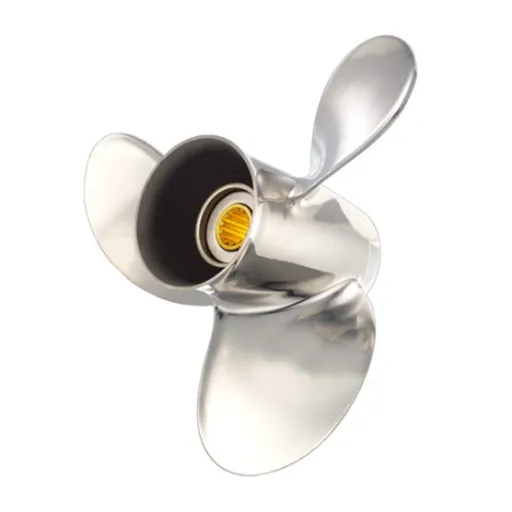
Overview of the Honda BF50 Features
This motor is known for reliability, fuel efficiency, and advanced engineering, so it is a favorite among boating enthusiasts. One of the outstanding qualities of the motor is its lightweight, compact design that makes it simple to manipulate and offers the best power-to-weight ratio. This feature equips the engine for a host of activities associated with boating that range from fishing to cruising and watersports, allowing the motor to perform well in different situations.
This engine uses Honda’s 4-stroke technology that provides a quiet operation as opposed to traditional 2-stroke engines and best fuel economy. It offers consistent power while emitting lower levels of pollution to conform with stringent environmental standards. Also, the Honda BF50 has programmed fuel injection that offers a sharper throttle response and smoother operation at variable speed.
Key Features: The Honda BF50 outperforms with its aluminum alloy construction that resists corrosion, thus imparting longevity and durability to the engine under saltwater working conditions. Other modern amenities include electric start, multi-function tiller handle, and freshwater flush system for easy maintenance. With all of these features, the Honda BF50 has the reliability and simple operation to meet the needs of any craftsman—from experienced watermen to the fledgling.
Importance of Choosing the Right Propeller
The propeller selection plays an important role in either optimizing or hindering the performance of your boat and engine. The propeller works on speed, fuel consumption, and handling to make sure you get to your dream results over water. Picking an incorrect propeller and you will face slow acceleration, unusually high fuel consumption, and stress on the engine.
First and foremost comes the pitch and diameter of the propeller. Pitch is the distance a propeller is intended to displace a boat in a full rotation; diameter is how big an area of water the propeller displaces. Having a good trade-off between pitch and diameter makes sure that the engine will be running at the required RPM for efficiency and longer life.
Important Note: Another major concern is the propeller’s material. Stainless steel propellers are very corrosion-resistant and perform excellently in marine craft traveling at high speeds or under rugged conditions. Aluminum propellers come at an affordable price and are suitable for general-purpose boating needs. Choosing the desirable propeller comes down to knowing your usage, type of boat, and performance requirements so that the watercraft runs smoothly and efficiently.
How Propeller Design Affects Performance
Propeller design determines boat speed, efficiency, and handling. Number of blades, shape, and pitch—their influencing factors—how well the propeller can displace water and propel the boat. Usually, having fewer blades on a propeller means it has less drag; thus, the potential for a higher speed. More blades, on the other hand, result in a smoother thrusting action with maximum thrust in choppy conditions.
Pitch refers to how far a propeller moves in one complete rotation, and it determines its suitability for one or the other type of boat. A higher-pitch propeller is able to impart a high rate of speed; however, it demands heavier power from an engine—so it is only good for light boats. Low-pitch propellers speed up more quickly and suit heavier boats or those that mostly tow or carry heavy loads.
Another consideration regarding water flow across a propeller is the blade shape and cup design, which contribute to thrust and diminish slippage. By choosing a propeller made to suit the size of your boat, the power of your motor, and its application, you are guaranteed maximum output, fuel savings, and ease in handling; together, these provide an extra expediting factor for your overall boating experience.
Types of Propellers for the Honda BF50
3 Blade Aluminum Propellers Explained
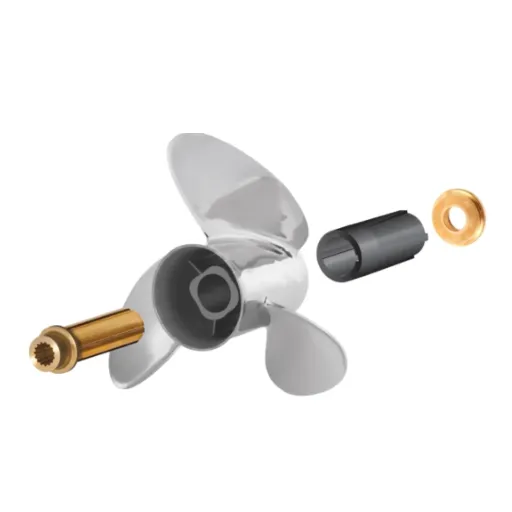
One of the most common and versatile types of propeller for a Honda BF50 outboard engine is a 3-blade aluminum propeller. These propellers are generally lightweight, durable, and inexpensive and therefore are an attractive option for a host of boating-related activities. The three-blade design offers a middle ground between outright speed and thrust, resulting in smooth acceleration and reliable performance at different RPMs.
For the BF50, 3-blade aluminum propellers are known for their ability to effectively transfer power so that fuel efficiency is enhanced, yet there is no loss in speed. These are best suited to mid-sized boats mainly used for recreational activities, bouncing between fishing, water sports, or casual cruising. Having multiple pitch sizes gives a boater a selection with which they can customize the prop to fit the actual boat, as well as their operational common grounds.
They are also subjected to a corrosion-resistant coating in settings of both freshwater and saltwater, in order to augment the life span. Rightly choosing the pitch and diameter of the propeller for the Honda BF50 will guarantee a reliable and rewarding experience on the water by maximizing acceleration out of the hole and sustaining planing speeds.
Comparing 3 Blade vs. 4 Blade Options
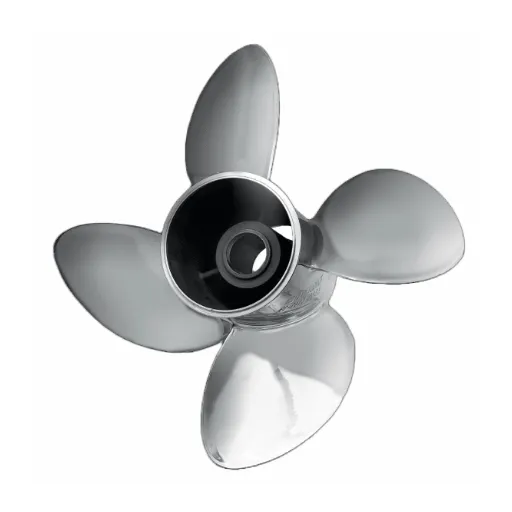
3-Blade propellers are fast and affordable, whereas 4-blade propellers give better handling, efficiency, and load-lifting power.
Benefits of High-Performance Propellers
High-performance propellers offer a host of benefits that greatly enhance the boating experience. They are designed for the utmost efficiency, offering performance improvements such as better handling. The five primary advantages of high-performance propellers are:
1. Better Fuel Efficiency
High-performance propellers reduce drag while maintaining a high level of thrust, resulting in less fuel consumption. Boaters can therefore opt for longer trips without worrying about a formation of frequent stops for refueling heavy on the pocket and harmful to the environment.
2. Faster Acceleration
Made of better materials and with much time and skill taken in design, these propellers offer superb hole-shot acceleration, beneficial to water sports or in any situation where rapid speed changes are needed.
3. Handling and Control Predicament
High-performance propellers provide power to the steering and, hence, stability, even in difficult waters. This ensures a smoother, more predictable ride, especially at higher speeds.
4. Extended Longevity
These propellers are manufactured out of sturdy materials like stainless steel which resist wear and tear, corrosion, and also impact. A well-made and durable propeller would require less attention from time to time.
5. Higher Top-End Speeds
The design of these propellers takes into consideration the engine’s output capacity, allowing a boat to reach higher top-end speeds for the sole purpose of speed-oriented performance while maintaining efficiency.
Therefore, high-performance propellers give a boat on-water compromise between power, efficiency, and durability to meet the needs of boating enthusiasts.
Performance Considerations for the Honda BF50
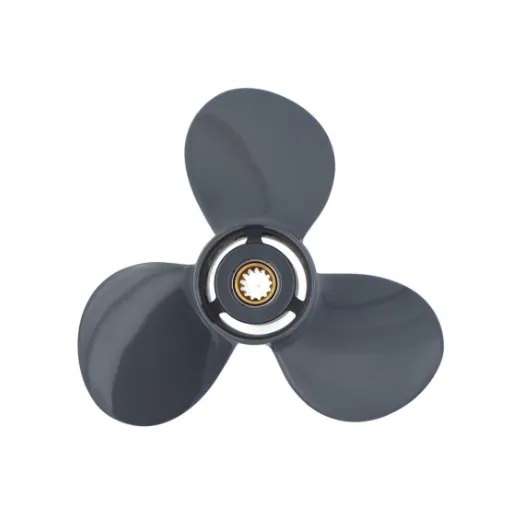
Maximizing Speed with the Right Propeller
Selecting the correct propeller for the Honda BF50 is always a major step in the optimization of performance and the getting of higher top-end speeds. Pitch and diameter of the propeller are very crucial in determining the efficiency of the engine in translating power to movement. Lower pitch propellers provide better acceleration; therefore, they are suitable for watersports, whereas higher pitch propellers are required to hit the top speed. By titrating the balance of one against the other, operators can customize their boat’s performance to the utmost; in other words, speed and torque are both delivered accordingly.
One of the crucial things to consider is the material of the propeller. Aluminum propellers are lightweight and cheaper compared to stainless steel propellers that are more best suited for higher durability and better performance at high speeds. Higher-grade stainless steel-priced ones are less likely to flex under pressure and thus provide a more consistent and reliable operation across demanding applications. And for those boaters wanting to push their Honda BF50 to its greatest potential, a good stainless steel propeller could actually show more palpable gains in the acceleration and top speed.
Aside from all—giving the possibility to the cleavage of propellers and their number of blades to affect speed and handling, from a three-blade propeller perspective, these are generally favored for top speed, offering lesser drag and better efficiency at full throttle. Stability and control are offered by the four-blades, especially in rough conditions or sharper turns. Barrier considerations like the boat weight, intended uses, and operative conditions will weight the balance of these variables for the selecting process. Getting some special instructions from an expert marine man or dealer who has provided him with detailed information about his vessel would go a long way in making sure the BF50 performs in conjunction with the right propeller configuration.
Optimizing Fuel Efficiency for Longer Trips
Increasing fuel efficiency is especially important since the other side of such long drives involves increased expenses and eventually degradation of the land. Firstly, ensuring engine maintenance works greatly toward maintaining fuel economy. This includes regular change of engine oil and fuel filter, along with keeping the propeller clean and free from damage or debris as any contamination could unnecessarily increase fuel consumption. A further check on, and maintenance of, the lubrication system will ensure fresh and smooth operation or else depleting fuel economy; also particularly essential in long drives.
Another great term of some sort towards fuel efficiency improvement is to create an action of weight management and load distribution for the boat. Overloading a vessel, or improper weight allocation, can put undue stress on the engine and increase fuel consumption. Only carry items necessary for the trip, and keep the weight evenly distributed to aid in balance and performance. Limiting drag as much as possible by keeping the hull free of algae and other buildups only helps improve hydrodynamics for the vessel. This in turn helps lessen work for the engine.
Smart navigation and route planning can ensure an efficient use of fuel for longer trips. By plotting courses that reduce distance and avoid fairly rough waters through GPS systems or modern marine software, time and fuel can be conserved. Therefore, boaters ought to maintain a cruise speed that is considered efficient for their particular vessels because speeding up or slowing down may yield inefficient engine usage. Adopting these methods and keeping an eye on fuel consumption while carrying out your journey guarantee efficiency and low cost for your longer trips.
Improving Hole Shot Acceleration
The hole shot is the acceleration of a craft, getting it on plane quickly and accelerating to maximum speed from rest. Quick acceleration is required in water skiing, fishing, and many other applications. A boat’s hole shot performance can be improved by changing various components and fine-tuning the setup of the vessel. It requires a combination of considering propeller design, engine power, weight distribution, and other technical factors.
First off, you will want to upgrade to a hole-shot propeller. Stainless steel propellers with a lower pitch are generally preferred because they grip better and accelerate faster compared to aluminum propellers. Such propellers help get the engine to hit its peak RPMs faster so the power could be delivered onto pushing the boat on plane in a shorter amount of time. Furthermore, some of today’s propellers come with vent holes to assist in getting even quicker acceleration by increasing prop slip in the first few moments.
Weight distribution within the boat remains an essential factor in practicing the hole shot. Placing additional weight near the stern might slow an acceleration effect caused by drag; basically, that drag must be overcome if the hull is to be pushed upon its plane. Equipments, gears, and passengers should be redistributed across the boat time-wise so weight distribution can remain balanced. Another parameter to control would be the engine trim; lowering the trim for the moment of hole shot will keep an increased level of lifting performance and reduced drag to be on the vessel plane. Maintaining such fine-tuning activities accompanied by consistent maintenance of both engine and hull shall guarantee optimum hole shot performance throughout the years.
Maintenance Tips for Honda BF50 Propellers
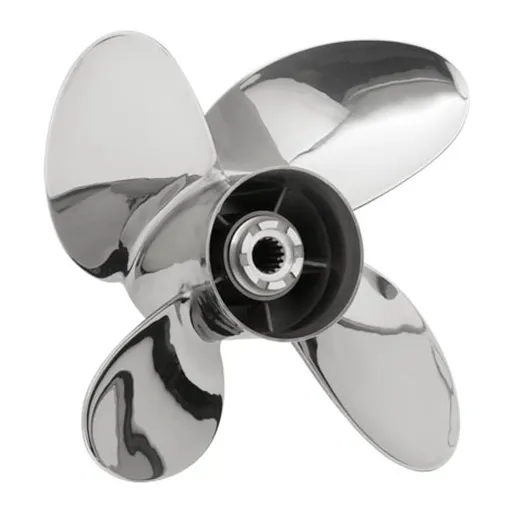
Routine Inspection and Cleaning
Proper maintenance of your Honda BF50 propeller starts with routine inspection and cleaning to ensure its optimum performance and longevity. Visually examine the propeller for signs of damage—with cracks, bent blades, or chip—it may reduce the efficiency of the propeller and may start other problems. Check the propeller shaft for fishing line or other debris that may have gotten caught; if left unchecked, these can damage the seals or bearings.
Keep the propeller clean from marine growth, dirt, and residues. Using a soft brush and warm water mixed with a little soap, gently scrub the surface to avoid scratches. A marine-safe cleaner can be applied to dissolve dirt that is hard to remove. This is followed by a light spray of anti-corrosion coating to protect the propeller against rust and damages by saltwater.
The first step is to always make sure the propeller is tightly secured because vibrations or improper performance might occur if it’s loose. If you would practice routine inspection and cleaning habits on your maintenance schedule, you would preserve the reliability of your Honda BF50 and improve its performance.
Identifying Wear and Damage
To keep your Honda BF50 outboard motor running at high performance, check the propeller and other parts for wear and damage. Examine the blades of the propeller for cracks, dents, or bends that might affect performance or finish fuel burn. A bent blade creates an imbalance that produces vibrations, which could be dangerous as they may cause more internal damages. Any such irregularities need to be rectified through repairs or having the propeller replaced, depending on what is more feasible at the time.
Then, check the propeller hub for possible excessive wear or slipping. A propeller hub cannot output enough thrust with wear or slipping, leading to engine overexertion. Also, inspect the propeller shaft for corrosion or pitting, especially if the outboard frequently makes use of salt water. Greasing will keep the shaft from corroding, but severe shaft damage must be repaired immediately, or the motor integrity will be compromised.
In the end, repair or install other parts, such as the seals and bearings of the outboard, in case of deterioration or leakage. Over time, O-rings and gaskets can deteriorate and permit water to enter and destroy the internal workings. Inspecting these potential problem areas during regular maintenance can save you from a major repair bill. By checking early for signs of wear and damage, you can give your Honda BF50 a longer life and make sure it offers you dependable service.
Storage Tips to Prolong Propeller Life
When it is properly carried out, storage will maintain the propeller in good condition and ensure its best performance over time. The very first step in maintaining a propeller is to wash it properly after use by removing debris, salt, or marine growth that may induce corrosion or damage. Next, go on to inspect the propeller thoroughly, keeping an eye for cracks, dents, and bends, which if left unattended, may become worse. A preserver against rust will be established if a light coat of marine-grade grease is applied over the propeller shaft before storing it for a long period.
Your Honda BF50 should be kept with the motor in an upright position so that all water inside may drain out, lessening the chances of freezing during colder weather. Also, ensure the outboard motor is in a dry, temperature-conditioned setting to avoid moisture buildup that may eventually lead to corrosion. If you can, place the propeller inside a cover or case for added protection against accidental bumps, dust, and even UV rays.
The proper things to do for storage for an extended period should include removing the propeller. It lessens strain on the shaft and facilitates the inspection of the propeller and nearby parts more thoroughly before assembly. If these practices will be a routine on your end, this will guarantee a longer remembrance of the propeller at the best performance level and reliability of the outboard motor.
Troubleshooting Common Propeller Issues
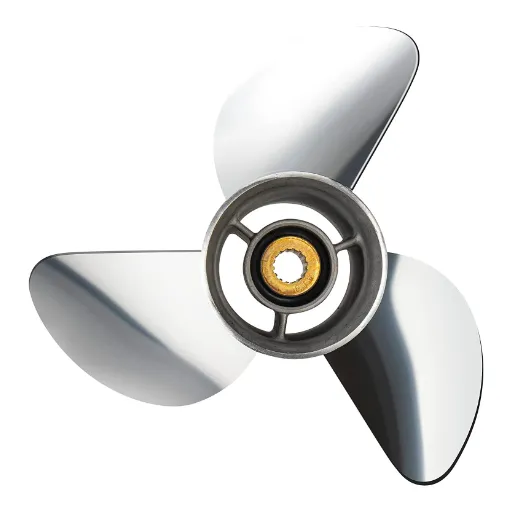
Recognizing Signs of Propeller Problems
Early identification of a propeller problem surely helps prevent severe damage to the outboard engine and allows it to work smoothly on water. Perhaps the most common symptom is a drop in overall performance, such as the inability of the boat to attain top speed or even a slow rate of acceleration. That might basically mean the blades of the propeller are bent or chipped, and this violates the hydrodynamics of a propeller, making it inefficient. Another warning indication comes in the form of vibrations when running. Too much vibration would imply an imbalance brought about by an actual change in shape of the propeller, or debris caught around it.
If you see these, you should keep an eye out for a sudden rise in engine RPMs without any change of speed. This event is technically called a “propeller slip,” indicating that a worn or damaged propeller hub is generally at fault. Because the hub is unable to hold firmly under such circumstances, the power of the engine is not efficiently transmitted into the water, and thereby thrust is lost. Then again, prop inspection can sometimes disclose several things that may be overlooked while operating. Look for cracks, erosion, or great wear, especially along the edges, as these can threaten to paralyze the prop over time.
Environmental factors also cause propeller damage, so warnings relevant to the operating environment must be acknowledged. The constant passing of the propeller shafts through shallow water, sandbars, or debris can cause minor nicks and dents that reduce efficiency. It is wise for owners to remain vigilant about the working performance of their vessel and the physical condition of their propeller. Regular maintenance and inspections with good attention to small concerns can help extend the lifespan of your propeller while safeguarding the health and efficiency of your outboard motor.
Common Fixes for Performance Issues
Cleaning the Propeller
Various materials such as fishing lines, seaweed, or other kinds of debris will adversely affect performance. The propeller should be regularly unmounted to check for any entanglements and clean the blades thoroughly. Cleaning also allows you to determine if there is any wear or mineral buildup affecting the smoothness of operation.
Checking Propeller Damage
Make an assessment for nicks, dents, and bends or cracks in the propeller that may cause imbalances and reduce the efficiency with which it performs. Damage to the blades may mean worsening fuel consumption and decreased speed. The propeller may need such attention as are repairs or possibly a replacement to make it do well under severe wear.
Secure Installation
An unsecured propeller would cause vibrations, loss of power, and even accelerated wear to the motor. Check that the propeller is securely fastened on the shaft with its locking nut and that the cotter pin is intact and correctly installed.
Check Propeller Pitch and Size
Sometimes, more power won’t mean any better performance if the pitch and size are wrong for your vessel. Ensure that the pitch and dimensions correspond to the engine specifications and load requirements of your boat. A professional or manufacturer guidelines could assist in optimizing selection.
Watch for Cavitation
Cavitation comes about when air bubbles form around the propeller, and so there is less grip on water. This usually comes as a result of damage or improper alignment, or simply a bad match of the propeller. Minimizing cavitation really entails repairing blade damage, or sometimes upgrading the design to a more suitable one.
Lubricate the Propeller Shaft
A good lubricant applied regularly to the propeller shaft will help prevent corrosion and allow for easier removal of the propeller when in need of maintenance. This easy step will add to the life of the propeller and other components.
Consider Challenge from New Materials or Technologies
Different considerations for older propellers include casting aluminum, stainless steel, or newer materials like composites that have better durability and higher efficiency. Consider upgrading to a newer design if the current one has repetitive performance issues.
By doing those fixes and adopting a regular inspection regime, the boat owner would enjoy a reliable performance while still floating around on the water, with fewer risks of additional mechanical hitches.
When to Seek Professional Help
Having witnessed people with boats, I believe in getting help from a professional when needed. Sudden loss of speed, irregular vibrations, or difficulty keeping steady handling could be a sign of some mechanical issues that should be checked out by an expert if these problems do persist. Regular maintenance can help with trivial problems. Severe cases and problems not curing need a professional for intervention before further damage is caused.
Moreover, whenever the nature of a problem proves difficult for me to diagnose, I am prone to seeking help. Repairing a propeller, engine misaligning, or damages to the drivetrain are all incorrigible issues that may worsen if lack of knowledge or special tools becomes an obstacle to their resolution. By choosing to have a trained technician do the work, I will ensure repairs are done well and thoroughly, saving me tons of time going back and forth and avoiding costly errors.
I find peace of mind in professional inspections, no matter how well things are running. A routine check-up with an expert serves to identify potential problems early enough, especially those related to hidden wear or nonvisible damage, and rectify them before being aggravated. I can enjoy my time on the water, trusting that an expert has kept my vessel in tip-top condition.
References
-
- Honda Official Manual: BF40D/BF50D Operation and Maintenance Manual – This is an official Honda manual covering the operation and maintenance of the BF50 outboard motor.
- ResearchGate Paper: A Computational and Experimental Study on Aerodynamics of Motor-Driven Propellers – This academic paper discusses propeller dynamics and noise reduction, which may provide insights into propeller performance.
- University of Wisconsin-Milwaukee Resource: Bayliner Trophy 2015 Manual– Includes information on Honda BF50 models and their specifications.
Frequently Asked Questions (FAQ)
Q: What propeller for Honda BF50 shall be recommended?
A: Original propeller-for-the-engine four-stroke-is typically recommended for the Honda BF50. The original prop will give your boat the best performance and efficiency, particularly when employed on bass boats and pontoons.
Q: What kind of changes in prop performance can be expected from a Honda BF50?
A: Performance may be considerably affected by prop changing on the Honda BF50. Depending on your requirements, a different pitch and diameter can improve acceleration, top speed, or fuel efficiency, whether they are used for a pontoon or a bass boat.
Q: What size propeller shall I use for a Honda BF50 fitted with a pontoon?
A: For pontoon, the propeller size is generally recommended so that a balance exists between power and speed. A four-blade prop can lift and stabilize the amply placed pontoon very well.
Q: Would I be able to use a four-blade propeller on my Honda BF50 bass boat?
A: A four-blade propeller for a Honda BF50 bass boat helps to improve performance. Four-blade props give more bite and acceleration; hence, they are better for negotiating through various water conditions.
Q: What are the advantages of using an original Honda BF50 propeller?
A: An original Honda BF50 propeller is produced to meet specifications of the motor-engine and is, hence, expected to perform well. These props have been tested for wear resistance and efficiency and, in this regard, stand firm for both pleasure and competition boats.
Q: How do I know if I should change my prop on my Honda BF50?
A: When you start losing speed, not getting proper acceleration, and dropping engine RPMs beyond their limits, it is a sign that the prop on your Honda BF50 needs to be replaced. When you see any of these, it might be time to act on an evaluation of your prop for a better-performing replacement.
Q: Are there aftermarket propellers for the Honda BF50?
A: Yes, there are lots of aftermarket options for the Honda BF50 propeller. They can have different performance characteristics, but you have to make sure to choose one that suits your boat and boating needs, be it for a bass boat or pontoon.
Q: What is the best pitch propeller for the Honda BF50?
A: It is going to depend on the weight of a boat and what it is used for that makes the pitch best for a Honda BF50 propeller. Lower pitch propellers give more acceleration and are better for heavier loads, while higher pitch prop works well for lighter bass boats by giving more top speed.
Q: How can I maintain my Honda BF50 propeller?
A: For maintaining your Honda BF50 propeller, look for damages such as dings or bends at regular intervals. Clean it after use, especially when in the saltwater, and make sure that the propeller is well tightened so it does not come loose while working.