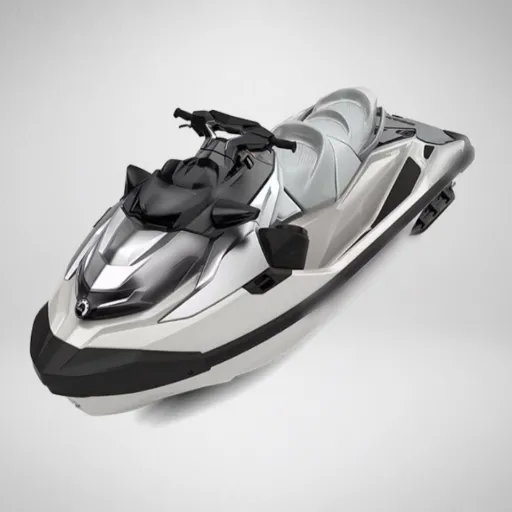
The fascination with jet ski speed is universal among water sports enthusiasts. Whether you crave adventure on the waves or simply appreciate the engineering behind these powerful machines, understanding how fast jet skis can go is essential. Modern jet ski models have evolved tremendously since their inception, with today’s versions offering outrageous speed and sophisticated technology. This comprehensive guide delves into maximum speeds, different models, and the factors determining these velocities. Let’s explore why jet skis remain the ultimate choice for adrenaline seekers and water sports lovers worldwide.
Understanding Jet Ski Speed
What is the Average Speed of a Jet Ski?
Various jet ski models can reach different velocities depending on their design and purpose. Low-power versions made for recreational purposes, most commonly for families, usually run at an approximate speed of 40-60 miles per hour. These speeds strike an ideal balance—not too fast, not too slow—making them suitable for safe operation by novices or those enjoying a calm water ride.
More aggressive, high-octane jet skis meant for avid users and adventurists typically reach 65-70 mph. Specially crafted racing models travel at speeds higher than 75 mph, as they’re equipped with powerful engines and benefit from lightweight construction. These are used in competitions or by experienced riders seeking maximum thrills.
The actual speed achieved will depend on engine capacity, hull design, and water conditions. In choosing the appropriate speed for your requirements, all these aspects should be considered alongside safety concerns whenever operating a jet ski.
Factors Influencing Jet Ski Speed
Engine Power
A jet ski’s speed depends largely on its engine power. More powerful jet skis with bigger engines produce more thrust, accelerating faster and enabling higher maximum speeds. Racing models typically achieve speeds exceeding 70 mph, whereas recreational models remain within the 40-60 mph range. Match the engine size with your current ability to maintain control while traveling at high speeds.
Hull Design
The hull’s form and appearance significantly impact how fast jet skis go and their stability in the water. Narrower, more aerodynamic hulls are designed to slice through water with minimal resistance, achieving higher speeds. However, these types may be challenging to maneuver. Conversely, wider hulls offer greater stability at the expense of speed and are appropriate for recreational cruising. Consider the hull shape based on your expected performance needs and water conditions.
Water and Climate Factors
Water conditions and weather are critical factors determining speed. A calm, flat water surface enables the jet ski to ride effortlessly, achieving higher speeds, but the opposite holds true with choppy or rough water. Wind and prevailing currents can either prevent or facilitate optimal speed. It’s prudent to assess local climate conditions before riding.
Important: Keep these factors in mind when selecting the appropriate jet ski to guarantee a fun-filled yet secure experience. Always observe safety precautions including wearing life vests and adhering to required speed limits in your area.
Performance Differences Among Fast Jet Skis

Speed Variations Based on Engine Size
When considering a jet ski’s capacity for speed, engine size is one of the top determinants. Bigger engines generate more horsepower, enabling faster speeds. Here’s how different engine sizes affect performance:
High-performance jet skis with engines producing 250 HP or more achieve speeds exceeding 70 miles per hour, with some sport-class models capable of surpassing 80 mph. Manufacturers often enhance engines with superchargers or turbochargers for improved speed and acceleration.
Consider your skill level, experience, and intended use to establish the proper engine size. Though high-speed models are exhilarating, they’re not easy to operate and require riders to have superior control. Understanding how fast jet skis go is crucial when choosing the right model for your riding location.
Weight and Its Impact on Speed
Weight is a main consideration when buying a jet ski or watercraft. The lighter the watercraft, the greater the chances of achieving faster speeds and quicker stops. Greater speed and rapid acceleration can be achieved because lighter machines require less power to propel through water.
However, weight also affects balance and stability. Heavier crafts usually offer more stability, making them more appropriate for novices or those surfing on stormy waters. Modern manufacturers seek the middle ground by reducing weight through innovative material selection. The use of modern composites is useful in achieving weight reduction without sacrificing strength.
The weight-to-power ratio is one of the main considerations. For high-performance jet skis, weight typically ranges around 500 to 800 pounds, which is efficient for speed and maneuverability.
Note: When a rider takes a passenger or luggage, this changes speed and handling. Overall balance during riding is significant, much of it due to weight dispersion. Understanding the relationship between weight and speed, along with fast-developing technologies, helps riders make the right choice depending on their objectives and riding environments.
Safety Considerations for High-Speed Jet Ski Operation

Essential Safety Gear for Jet Ski Riders
When operating a jet ski at high speed, wearing protective equipment is mandatory. Here are the essential safety items:
- 1
Coast Guard-Approved Life Jacket
The most vital safety equipment. Choose a life jacket designed specifically for water sports to improve mobility while remaining afloat. Brightly colored vests enhance visibility to other water users in populated areas.
- 2
Protective Clothing
Wear wetsuits or dry suits that are tough enough to shield against cold water conditions and reduce injuries from falls or collisions. This protective gear is essential for safety.
- 3
Gloves and Safety Footwear
Wear gloves for better grip and control, along with safety shoes featuring non-slip soles to maintain stability on the jet ski.
- 4
Protective Eyewear
Goggles or sunglasses prevent eyes from being dazed by sun, water spray, or debris, helping maintain clear vision during your ride.
- 5
Emergency Communication Devices
Carry a whistle, waterproof communication gear, and/or a personal locator beacon (PLB). These devices can save lives in emergency situations. Keep a whistle attached to your lifejacket for quick alerting of nearby vessels or rescue agencies.
Ensure all safety gear is working properly and checked regularly. This enables riders to comfortably operate at high speeds without worry.
Best Practices for Riding a Jet Ski Safely
Wear a U.S. Coast Guard-Approved Life Jacket
A Personal Flotation Device (PFD) is mandatory when on the water. Ensure it fits securely and is appropriate for your activity type, as it offers the best protection in case of a fall.
Inspect the Jet Ski Before Use
Conduct a visual inspection before taking it out to identify noticeable issues or necessary repairs. Check fuel levels, throttle control system, and the jet pump. Regular checkups prevent breakdowns.
Know Local Laws and Rules
Understand rules of conduct, speed limits, and zones that allow or restrict operation in your area. Such knowledge enhances safety and helps avoid legal violations.
Carry Essential Safety Equipment
Bring useful items like a whistle, waterproof phone case, and a dry bag containing a mobile phone, sunblock, and a simple first-aid kit to handle emergencies.
Be Conscious of Proper Riding Behavior
Stay away from other vessels, swimmers, and structures. Refrain from sudden turns or zigzagging that could cause loss of control. Travel at a pace matching your capabilities and conditions.
Enroll in Boating Classes
Learn boating fundamentals, including how fast jet skis go, speed limits, navigating rough conditions, and emergency maneuvers. Many classes are offered online and in traditional settings, with some state-mandated.
Monitor the Weather
Check weather reports before departure. Avoid riding during stormy weather, strong winds, or restricted visibility. Unexpected weather shifts can create perilous situations for any rider.
Remain Alcohol-Free and Stay Alert
Alcohol or drugs greatly affect judgment, reaction speed, and coordination, increasing accident chances. Avoid alcoholic beverages and remain vigilant when piloting a jet ski.
Summary: These practices improve awareness and make your watercraft journey more enjoyable while reducing the risk of harm to yourself and other occupants.
Understanding Water Conditions and Their Effects
Water conditions are one of the most essential factors in any water-related activity. Every water surface features currents, tides, and winds that come into play and cannot be simply termed as ‘safe’ throughout. For novices, calm waters are best, providing smoother and easier control. When currents grow strong or waves high, it poses more dangers to less experienced riders, as motions become difficult to handle and balance becomes challenging.
Tidal effects can be drastic. At low tide, rocks and reefs often covered with water may become exposed, whereas at high tide such conditions may seem safe with adequate depth. Furthermore, winds can create waves, and when winds exceed moderate levels, waters become choppier, making operation difficult even for skilled jet ski users.
Safety is a main consideration when engaging in water activities. Check weather updates or marine condition forecasts before venturing out to avoid unfavorable conditions. Devices such as water condition trackers offering real-time updates and alerts from local authorities or weather applications are useful tools, enabling riders to know about impending threats in advance. Understanding the existing conditions and adjusting behavior accordingly is imperative when determining how fast jet skis go.
Jet Ski Rental and Riding Experiences
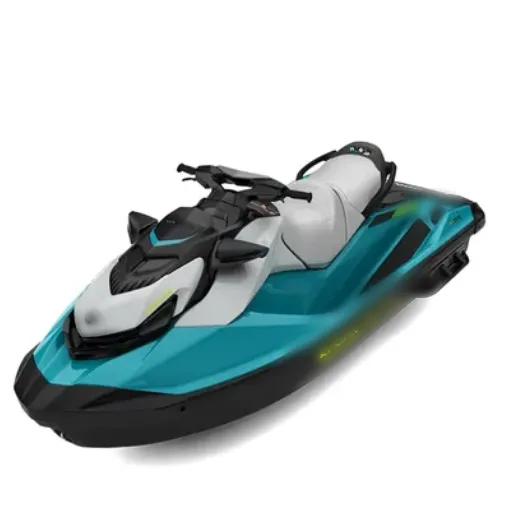
What to Expect When You Rent a Jet Ski
Jet skiing is one fascinating way to enjoy the outdoors, seek thrills, and travel through water. Renting a jet ski typically encompasses a simple and easy process. Some rental companies require drivers to hold a valid license and comply with certain regulations, especially for first-timers. Safety classes are essential for all members, teaching proper jet ski operation, safe practices, and local laws governing jet ski use. Lifejackets, wetsuits, and other essential accessories are often provided by rental companies as part of the hired equipment.
Upon gaining contact with water, riders simply mount the jet ski and speed away, hearts pounding with excitement from the adventure. Modern jet skis are equally fit for beginners and experienced users, enhancing relaxation and performance respectively. Depending on the renter, options may include high-performance sport jets for speed lovers or family-friendly jet skis capable of accommodating multiple users. Common rental options include hourly or all-day rentals to suit various needs.
When renting a jet ski, there’s usually a great deal of safety and environmental awareness involved. Most rental companies caution riders against overspeeding in waterways, mandate strict adherence to wake zone speeds around docks and other vessels, and emphasize keeping distance from wildlife and other water users. Many facilities urge customers to preserve the environment without littering or causing harm. This brings a certain degree of responsible adventure to jet ski rental, offering fun while respecting nature.
Tips for First-Time Jet Ski Riders
- Utilize Effective Protective Equipment
Always wear a well-fitted, appropriate life vest regardless of swimming capability. Consider incorporating water shoes, gloves, and specially designed sunglasses to guard against elements and increase riding comfort. - Get to Know the Jet Ski
Familiarize yourself with key controls such as the throttle, brake (if present), and steering before entering the water. Understanding the control dynamics enables you to take control with ease. - Proceed Cautiously
Start at a low speed until you master equilibrium, sensitivity, and smooth operation of the jet ski. Enhance speed gradually as your confidence increases and you learn how fast jet skis go. - Be Aware of Your Environment
Always look out for other boats, swimmers, and water debris. Practice defensive riding, maintain safe distances from others, and anticipate unexpected actions. - Assume Correct Riding Position
Ride with knees slightly bent, maintaining uniform weight distribution. This aids in absorbing wave impact while enabling efficient control over the vessel. - Respect Waterway Rules and Wildlife
Comply with enacted regulations including speed limits and no-wake areas. Avoid disturbing wildlife or engaging in activities that degrade the environment. - Practice Turns and Stops
Jet skis are very responsive. Practice making sharp turns and instant halts in open spaces to prepare for eventualities during riding. - Be Mindful of Fuel Levels
Always check fuel levels before departing and ensure enough fuel is available for the journey. Monitor consumption to avoid running dry.
Key Takeaway: For newcomers, enjoying the thrill of riding a jet ski without endangering the environment or other waterway users is very much possible by applying these techniques.
Frequently Asked Questions (FAQ)
Q: How fast can jet skis go generally?
A: The average cruising speed of most recreational jet ski operations is between 40-70 mph (60-112 km/h). Many personal jet skis have cruising speeds around 40-55 mph, with most common top speeds being approximately 50-55 mph, depending on factors such as load and water conditions.
Q: Is it possible for a jet ski to exceed 100 mph?
A: Some jet skis built for extreme speeds have unique features allowing riders to achieve extraordinarily high speeds, with a few instances claiming speeds such as 127 mph. However, this does not apply to normal market models—even factory sport models typically max out under 100 mph for safety reasons.
Q: In relation to boats, how do jet skis fare in terms of acceleration?
A: Jet skis typically accelerate more efficiently than boats of similar horsepower because they’re lighter and feature planing hulls. This enables a powerful feeling on water, with performance speeds usually achieved within seconds, ranging from 50-67 mph.
Q: What factors affect the speed of a jet ski?
A: Several factors influence jet ski speed: engine capacity, hull shape, total weight of rider and equipment, water conditions, and maintenance condition. For instance, a fully-equipped two-seater doesn’t perform as well as a single experienced racer on performance models.
Q: Are there high-performance machines faster than regular recreational jet skis?
A: Yes, PWCs designed for performance or sports activities, which may include 310+ HP machines or customized watercraft, reach speeds above average PWCs. Models such as the Kawasaki Ultra with larger engines and similar high-output models increase speed and acceleration levels beyond basic or introductory models.
Q: Can a jet ski be safely operated at maximum speed?
A: Always prioritize safety. While many riders enjoy high speeds, reckless operation involves serious danger. It’s necessary to wear a life jacket, observe local speed regulations, watch for other vessels, and understand how fast jet skis go in reference to your experience level on the water.
Q: What are realistic high speeds for common jet ski types?
A: Maximum speeds in the real world vary: beginner-level models typically peak at 40-50 mph, average performance-grade models range 50-67 mph, and powerful or modified versions exceed those figures. Questions about “how fast do jet skis go” often require clarification—while 310+ horsepower PWCs exist, most market models have maximum speeds in the 50-67 mph range.