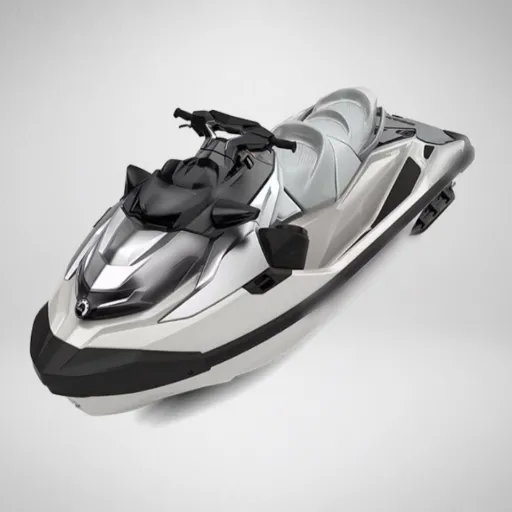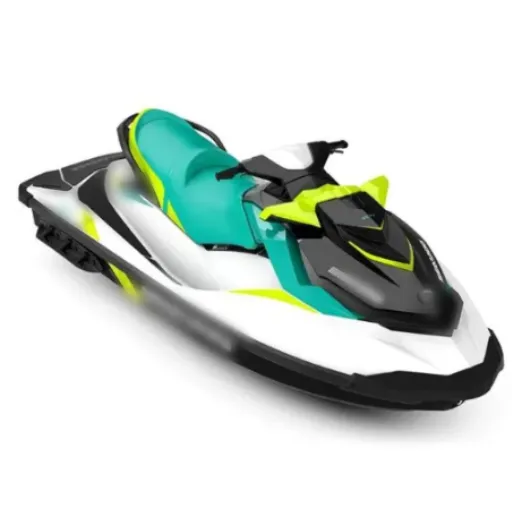
Weight is a critical factor when purchasing or transporting a jet ski. Understanding the weight specifications helps you make informed decisions about trailer selection, storage solutions, and overall handling. This comprehensive guide covers everything from lightweight models perfect for beginners to heavier models designed for top performance and luxury features.
Understanding Jet Ski Weight

What is Jet Ski Weight?
Jet ski weight encompasses the entire mass of the watercraft, including the hull, engine, and all standard components. This measurement is crucial as it affects the jet ski’s performance, handling, fuel efficiency, and determines the appropriate trailer type and storage requirements. Weight typically ranges from 300 to 1,000 pounds depending on the model and design.
💡 Quick Insight
Lightweight jet skis (under 500 pounds) offer simplicity and agility, making them ideal for beginners and casual riders. Heavier models provide enhanced stability, speed, and luxury features for experienced riders seeking high-performance machines.
Importance of Knowing Jet Ski Weight
Key Reasons Weight Matters:
- Safe Transportation: Ensures your trailer and tow vehicle can safely handle the load, preventing accidents during transit
- Proper Storage Planning: Helps determine if docks, lifts, or garage structures can support the weight without damage
- Performance Optimization: Heavier jet skis offer stability at high speeds but may have lower fuel efficiency compared to lighter models
- Equipment Selection: Guides the choice of appropriate towing equipment and storage solutions
Factors Affecting Jet Ski Weight
Several variables influence the weight of a jet ski, impacting handling, transportation, and fuel efficiency:
Types of Jet Skis and Their Average Weights
Different Types of Jet Skis
Jet skis typically fall into three main categories based on their design, purpose, and characteristics. Each type has specific qualities that affect weight and performance:
🏖️ Recreation Jet Skis
Weight Range: 700 – 900 lbs
The most popular type for leisure riders and families. These emphasize comfort and ease of operation, making them perfect for beginners and those who enjoy relaxed riding experiences.
⚡ Performance Jet Skis
Weight Range: 500 – 800 lbs (up to 1,000+ lbs with enhancements)
Built for speed and agility, these are popular among enthusiasts and racers. Equipped with high-performance engines and enhanced steering for maximum velocity and maneuverability.
👑 Luxury Jet Skis
Weight Range: 800 – 1,200 lbs
Designed for riders seeking premium comfort and performance. Feature advanced technology, comfortable seating, digital displays, and enhanced stabilization systems.
Average Weight of Stand-Up Jet Skis
Stand-up jet skis are designed with agility and lightweight construction for thrill-seekers and those who enjoy performing advanced stunts on the water. These models typically weigh between 300-500 pounds, making them considerably lighter than sit-down variants.
⚠️ Important Considerations for Stand-Up Models:
- Significantly easier to transport and store due to reduced weight
- Simplified design lacks extensive seating and storage compartments
- More fuel-efficient compared to heavier watercraft
- Additional accessories and gear will add varying degrees of weight
- Modern models use lighter, stronger materials while maintaining power
Average Weight of Sit-Down Jet Skis
Sit-down jet skis are heavier due to their larger size, multi-passenger seating capacity, and additional features. On average, these models weigh between 650-1,000 pounds, with performance and luxury models potentially exceeding this range.
| Model Category | Weight Range | Key Features |
|---|---|---|
| Entry-Level | 650 – 800 lbs | Basic features, designed for single or few riders, ideal for recreational use |
| Mid-Range | 800 – 1,000 lbs | Enhanced power, improved features, suitable for more demanding riders |
| Luxury/High-Performance | 1,000+ lbs | Supercharged engines, premium seating, advanced technology, extensive features |
💡 Pro Tip: Hull material significantly affects weight. While fiberglass is common, some manufacturers use carbon fiber to reduce weight without compromising performance. Always compare specifications across different models to find the optimal balance for your needs.
Jet Ski Dry Weight vs. Wet Weight

Understanding Dry Weight
Dry weight refers to the weight of a jet ski with all fluids removed—no fuel, oil, coolant, or other onboard items. This specification helps prospective buyers gauge the jet ski’s weight at its lightest and provides a standardized basis for comparison across different models.
What Dry Weight Includes:
- Hull and frame structure
- Engine and mechanical components
- Standard installed features
- Basic seating and controls
What Dry Weight Excludes:
- Fuel (adds 100-150 lbs when tank is full)
- Oil and coolant
- Passengers and gear
- Aftermarket accessories
Understanding Wet Weight
Wet weight represents the total weight of the personal watercraft when fully equipped for operation. This includes the watercraft itself, all required fluids (fuel, oil, coolant), and any built-in components or accessories. Understanding wet weight is essential for accurately assessing handling, fuel efficiency, and overall performance on the water.
🎯 Key Differences: Dry vs. Wet Weight
| Dry Weight | Base watercraft without fluids |
| Wet Weight | Fully operational with all fluids |
| Typical Difference | 100-150 lbs additional for wet weight |
How Weight Impacts Performance
The weight of a jet ski plays a crucial role in its overall performance, affecting speed, maneuverability, and fuel efficiency in distinct ways:
| Performance Aspect | Lighter Models | Heavier Models |
|---|---|---|
| Stability | Less stable in rough conditions | Greater stability, especially at high speeds |
| Acceleration | Faster acceleration, quicker response | Slower acceleration due to increased mass |
| Maneuverability | Highly agile, excellent for tricks | More controlled, smoother handling |
| Fuel Efficiency | Better MPG, less power required | Lower fuel efficiency, more power needed |
| Best For | Stunts, racing, recreational fun | Long-distance cruising, comfort, touring |
Jet Ski Trailer Weight Considerations
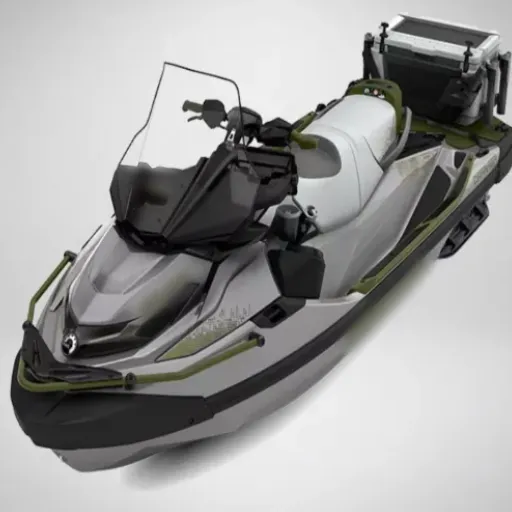
Choosing the Right Jet Ski Trailer
Selecting the appropriate trailer requires careful consideration of weight capacity, construction quality, and compatibility with your watercraft. Here are the essential factors to evaluate:
✓ Trailer Selection Checklist
- Weight Capacity: Ensure the trailer supports your jet ski’s wet weight plus gear and accessories
- Construction Material: Choose aluminum or galvanized steel for corrosion resistance and durability
- Braking System: Verify adequate braking capacity for safe towing
- Loading Features: Look for adjustable bunks or rollers for easy loading/unloading
- Convenience Features: Consider built-in winches and sturdy tires for various terrains
- Legal Compliance: Ensure trailer meets your state’s regulations and requirements
- Tie-Down Points: Check for secure connection points to properly anchor your jet ski
Trailer Weight Capacity
Understanding trailer weight capacity is crucial for safe and efficient transportation. This involves knowing the maximum load a trailer can safely carry, including both the trailer’s own weight and the cargo.
⚠️ Critical Weight Terms to Know:
- GTW (Gross Trailer Weight): Combined weight of the trailer and its cargo
- GVWR (Gross Vehicle Weight Rating): Maximum weight the trailer can safely handle as specified by manufacturer
- Towing Capacity: Maximum weight your tow vehicle can safely pull
- Tongue Weight: Downward force the trailer applies to the hitch (typically 10-15% of GTW)
🚨 Safety Warning
Never exceed trailer weight capacity. Overloading can result in mechanical failures, excessive wear, tire blowouts, and serious accidents. Always factor in the weight of accessories, tie-downs, covers, and other cargo when calculating total load.
How to Properly Load a Jet Ski onto a Trailer
Loading your jet ski correctly ensures safety and prevents damage to both the watercraft and trailer. Follow these steps for proper loading:
📋 Step-by-Step Loading Process
- Position the Trailer: Park on flat surface, align with towing vehicle, lower trailer into water until bunks/rollers are partially submerged
- Verify Weight Capacity: Confirm jet ski weight is within trailer’s allowed capacity before proceeding
- Center the Watercraft: Carefully guide the jet ski to the rear of the trailer, keeping it centered
- Engage the Winch: Attach winch hook to bow eye, slowly crank winch to pull jet ski onto bunks/rollers until snug against bow stop
- Check Alignment: Ensure jet ski is level and properly centered on the trailer
- Secure with Tie-Downs: Apply proper tension with tie-down straps to prevent movement during transport
- Final Inspection: Verify all connections are secure and trailer lights are functioning before departure
Practical Applications of Jet Ski Weight Knowledge
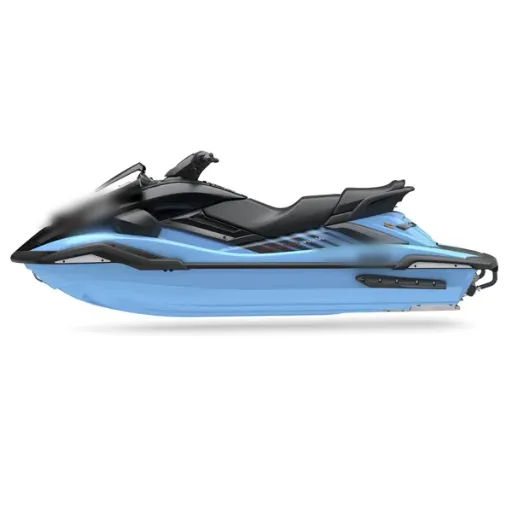
Weight Considerations for Transporting Jet Skis
Safe jet ski transportation requires understanding the complete weight picture. Jet skis typically range from 400 pounds to over 1,000 pounds depending on make and model. When loaded on a trailer, the combined weight increases substantially, making proper planning essential.
🎯 Transportation Best Practices
- Select Appropriate Trailer: Choose one with GVWR exceeding the combined weight of jet ski and cargo
- Verify Towing Capacity: Confirm your vehicle can handle the total weight (consult manufacturer specifications)
- Distribute Weight Evenly: Maintain balanced positioning from side to side on the trailer
- Use Quality Tie-Downs: Invest in high-strength straps to prevent shifting during transport
- Monitor Tongue Weight: Too much or too little can cause trailer instability or dangerous swaying
- Regular Maintenance: Inspect axles, tires, lights, and all components before each trip
Impact of Weight on Fuel Efficiency
The combined weight of your jet ski and trailer significantly affects fuel consumption. Understanding this relationship helps you make informed decisions about maximizing fuel efficiency:
| Weight Factor | Impact on Fuel Efficiency |
|---|---|
| Increased Weight | Requires more energy from towing vehicle, resulting in higher fuel consumption |
| Aerodynamic Drag | Heavier loads create more resistance, especially at higher speeds |
| Engine Strain | Additional stress on engine increases fuel use and potential maintenance needs |
| Tire Pressure | Under-inflated tires with heavy loads increase rolling resistance and reduce efficiency |
| Overall Impact | Towing can decrease fuel efficiency by up to 30% compared to driving without a trailer |
💰 Fuel-Saving Tips for Towing
- Remove unnecessary weight from both jet ski and trailer
- Maintain proper tire pressure on both vehicle and trailer
- Drive at steady, moderate speeds to reduce drag
- Plan efficient routes to minimize total towing distance
- Ensure trailer is properly aligned to reduce wind resistance
Weight and Stability on Water
Weight distribution plays a critical role in maintaining stability while navigating waterways. Whether operating a small recreational boat, a jet ski, or a larger vessel, proper balance prevents tipping, capsizing, and handling difficulties. Understanding how to distribute weight effectively ensures both safety and optimal performance.
⚓ Stability Factors on Water
- Center of Gravity: Proper weight distribution maintains the vessel’s center of gravity, preventing instability
- Ballast Systems: Modern vessels use adjustable ballast to compensate for environmental forces like waves and uneven cargo
- Passenger Positioning: Strategic seating arrangements help maintain balance, especially in smaller watercraft
- Environmental Awareness: Understanding currents, wind, and wave conditions helps inform weight distribution decisions
- Load Limits: Observing manufacturer weight limits ensures safe operation and prevents overloading
⚠️ Safety Reminder
Small shifts in weight can dramatically change a vessel’s center of gravity. Always secure cargo in proper compartments, ensure passengers are seated appropriately, and practice responsible boating by adhering to loading limits and conducting regular vessel maintenance.
📚 References
-
Digital WPI: Discusses the weight of a stripped jet ski hull, estimated to be around 250-275 pounds.
-
MIT DSpace: Covers the design and manufacturing aspects of jet skis, including weight considerations.
Frequently Asked Questions (FAQ)
Q: How much does a jet ski weigh on average?
Most jet skis weigh between 500 to 700 pounds (227-318 kg) for entry-level to intermediate models. However, weight varies significantly based on the type and manufacturer.
Q: How much does a jet ski weigh without fuel?
The dry weight (without fuel) for many models ranges from 500 to 700 pounds (227-318 kg). When you add fuel and other fluids, a jet ski with a dry weight of 700 pounds can reach 750-850 pounds at full capacity.
Q: Are stand-up jet skis much lighter?
Yes, stand-up jet skis are significantly lighter, typically weighing between 300-500 pounds. Their simplified design and lack of extensive seating and storage make them much easier to transport and maneuver.
Q: Do touring models weigh more than other types?
Yes, touring models often weigh considerably more due to luxury features like larger fuel tanks and three-person seating capacity. They typically fall in the 700-900+ pounds (318-408 kg) range. Performance models can also be heavy due to powerful engines, with some performance-touring hybrids exceeding 900 pounds.
Q: Why does weight matter for towing requirements and safety?
Understanding jet ski weight is essential for several reasons:
- Ensures your towing vehicle and trailer can safely handle the load
- Affects stability and handling in rough water conditions
- Heavier models require more robust tie-downs and potentially SUV-level towing equipment
- Impacts fuel consumption during both towing and operation
- Determines appropriate lift capacity for storage
Q: How do extra features and fuel tank size affect overall weight?
Additional features significantly increase jet ski weight. Luxury items like audio systems, larger fuel tanks, enhanced storage compartments, and premium seating can add substantial pounds to the base weight. A base weight of 500-700 pounds can increase considerably when you factor in accessories, passengers, and a full fuel tank.
Summary and Key Takeaways
📌 Essential Points to Remember
Weight Ranges by Type:
- Stand-Up Models: 300-500 lbs – ideal for agility and tricks
- Recreation Models: 700-900 lbs – perfect for leisure and family use
- Performance Models: 500-800 lbs (up to 1,000+ lbs) – built for speed
- Luxury Models: 800-1,200 lbs – maximum comfort and features
Critical Weight Considerations:
- Dry weight excludes fuel and fluids; wet weight includes everything for operation
- Full fuel tank adds 100-150 lbs to the base weight
- Trailer capacity must exceed combined weight of jet ski, gear, and accessories
- Vehicle towing capacity must safely handle the total load
- Weight affects performance, fuel efficiency, and handling characteristics
Safety and Performance Tips:
- Always verify weight specifications before purchasing equipment
- Choose trailers with adequate GVWR for your specific model
- Lighter models offer better fuel efficiency and maneuverability
- Heavier models provide superior stability and comfort
- Regular maintenance ensures safe towing and optimal performance
🎯 Final Recommendations
Understanding jet ski weight is fundamental to making informed purchasing decisions, ensuring safe transportation, and optimizing your water sports experience. Whether you’re a beginner looking for a lightweight, easy-to-handle model or an experienced rider seeking a high-performance luxury watercraft, knowing the weight specifications helps you select the perfect match for your needs.
Always prioritize safety by respecting weight limits, maintaining your equipment properly, and following manufacturer guidelines for operation and transportation.