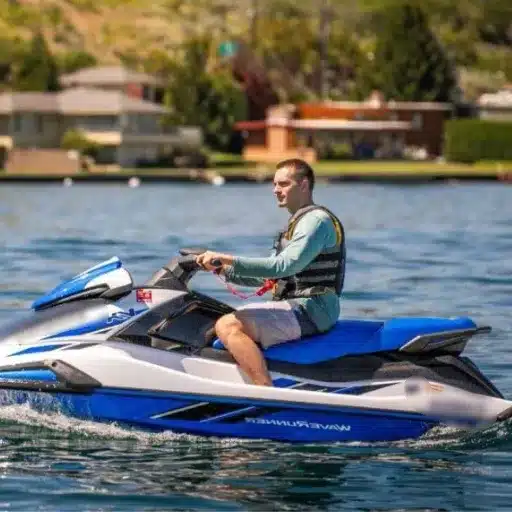
Water adventures have always been a jet ski attraction, offering thrills that attract any water sports lover. With thrills come responsibilities, including the statutes surrounding operations under age bars. As maritime laws and safety requirements continue to change from year to year, knowing the actual legal age for operating a jet ski in 2025 becomes highly relevant to every rider, parent, and rental service provider. This article unravels the details concerning jet ski age limits and serves as a comprehensive guide to stay informed about all matters related to compliance. You will gain a deeper understanding of region-specific legal requirements affecting these age parameters, as well as safety concerns surrounding the need for setting age restrictions that ultimately impact waterway safety.
Overview of Jet Ski Regulations

What is a Jet Ski?
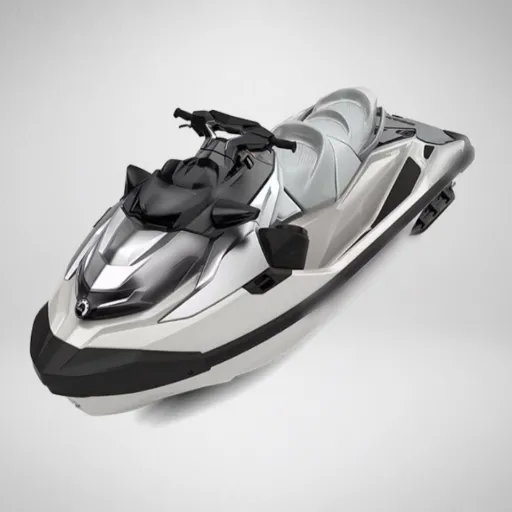
Jet skis are considered a type of personal watercraft, or PWC, designed for recreational use or practical applications, such as water rescue operations. Relatively small in size but equipped with a more powerful engine, jet skis operate with an inboard motor and a jet pump that propels water at high velocity to generate forward thrust. Unlike conventional boats, jet skis allow riders to sit or stand while cruising, thereby providing greater agility and speed. Modern jet skis utilize electronic braking systems and stability enhancements, and feature environmentally friendly engines that comply with environmental regulations. They typically have a speed range of 40 to 70 mph, depending on the model and condition. Due to their versatility and ease of handling, they are enjoyed by water sports enthusiasts and appreciated by professionals when used in accordance with safety regulations.
Types of Personal Watercraft (PWC)
Depending on the general design, intended use, and capacity, PWC are categorized into three main categories: stand-up, sit-down, and multi-passenger PWCs, with each offering specific features to meet the requirements of various users.
Stand-Up PWCs
Designed for a rider who stands on the platform, usually for sport or recreation. These are highly maneuverable and are considered by professional racers and thrill seekers due to the incredible agility and speed of the original stand-up. Their hulls are smaller in size, which contributes to making them very light yet stiff, allowing a beginner to gain proper control.
Sit-Down PWCs
The most popular among recreationists are the sit-down models. They provide seating for one to three passengers and are more stable than stand-up models. These PWCs can be used for cruising, water sports, or towing. The latest-generation sit-down PWCs often integrate several advanced features, including GPS-based navigation systems, intelligent braking and reverse systems, and improved fuel economy, thereby providing an effortless and comfortable riding experience.
Multi-Passenger PWCs
Multi-passenger models are designed to carry four or more passengers; therefore, families and larger groups often prefer these PWCs. Stability is also emphasized in such designs, while heavier engines are often fitted to take up the extra weight. Ideal for slow rides or group outings, they might have additional storage compartments and safety features for longer rides.
Each type of PWC is designed for a specific user base and function, thereby providing an accordingly customized experience, ranging from high-speed excitement to gentle exploration. Modern technology continues to accelerate the pace of change in the PWC industry by introducing greater potential not only in terms of performance but also in terms of safety and environmental friendliness.
Why Age Limits Matter
Age limits for operating PWCs are based on safety concerns, informed by research into cognitive and motor skill development stages. Some states establish an age limit of 16 for the unchaperoned operation of the PWC, although younger individuals may be allowed with full supervision. These rules aim to reduce the risk by ensuring that operators possess the judgment, coordination, and decision-making skills necessary to exercise responsible control over such powerful machines.
Global research indicates that inexperienced and young operators are more prone to accidents, often due to a lack of knowledge of navigation rules, waterway shuttles’ behaviors, or sometimes mechanical limitations of the machine. Strict enforcement, including age limitations, is one standard instrument by which authorities attempt to reduce accident occurrences and promote a sense of safety among waterway users. Comprehensive training courses and licensing requirements serve to impart knowledge and instill the basis for legal compliance, benefiting both operators and the public.
⚠️ Important: To remain in compliance, these should always be checked against the applicable regional laws and guidelines, as the minimum age may vary from jurisdiction to jurisdiction. Digging deep into the understanding of these age limits and how to adhere to them is not just another matter of legalities, but also directly ensures safer conditions on the water.
Age Requirements to Operate a Jet Ski

Minimum Age to Ride a Jet Ski by State
The varying minimum age restrictions on operating jet skis are dictated by each State, taking into consideration the safety of design of the local waterways and the population density. The following is an extensive analysis of restrictions as prescribed according to each State:
Since it is intended to reduce risk among inexperienced operators and to enhance necessary education on safe practices, each state, through its procedural requirements, enforces these elements. Operators or guardians must always include verification of their specific laws as part of their preparation, as some states may impose additional conditional requirements or exemptions.
Age Restrictions for Renting Jet Skis
Differences in age restrictions for renting and operating jet skis vary by jurisdiction, as there is a balance between accessibility and safety. Many states in the US set the minimum age for renting a jet ski at 16 years, although some places may impose stricter restrictions. For example, at some locations, operators aged 16-17 must possess a certificate of boating safety demonstrating competency in vessel operation. Additionally, rental agreements may require co-signature by the legal guardians of any operator under the age of 18.
Some rental companies may implement their own policies that exceed state law requirements, such as higher age limits or prior experience requirements. These requirements arise from liability concerns and compliance with safety protocols. Most states exempt operators above a given age if jet skis are rented for supervised training or educational purposes. It is necessary to consult the state regulations and the policies of a given rental company, as a violation could lead to a fine or disqualification from rental eligibility.
Age Limits Vary in Different Jet Ski Hydrofoil Areas
Age regulations for jet ski rentals and operations vary from place to place due to differing local laws, water-based safety concerns, and regulatory frameworks. For instance, the age requirement in most states within the U.S. ranges between 16 and 18, often with the added stipulation that one must carry a valid boating safety education card. More stringent rules have been adopted in some coastal states, requiring, for example, that minors be under adult supervision or that young operators receive some form of enhanced training.
Internationally, regulations can diverge even further. European countries, such as France and Spain, generally require operators to be at least 16 years old, with some additional requirements involving certification for higher-powered watercraft. In France, for instance, any person operating a jet ski beyond restricted areas must acquire a Carte Mer or a coastal license. Meanwhile, on the Asian front, including Thailand, guidelines on operator age are often left to the discretion of rental companies, resulting in a wider range of practices.
Such discrepancies underscore the need to consider local statutory guidelines, along with variations in rental policies, before engaging in jet skiing at a particular locale. All operators must consider these variations to ensure they do comply with laws while, at the same time, putting safety ahead in foreign environments.
Safety Guidelines for Jet Ski Riders
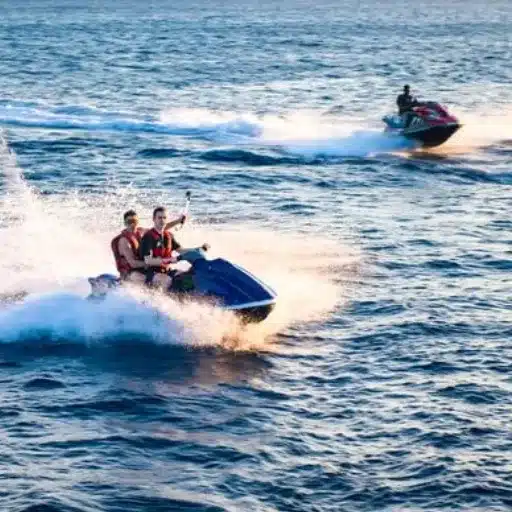
Critical Safety Rules for Jet Ski Operation
1. Must Wear USCG-Approved Life Jackets
For all jet ski operators and their passengers, a life jacket is an ultimate requirement. Life jackets must be the correct size and carry U.S. Coast Guard (USCG) certification to provide flotation and protection in any emergency. These life jackets save lives by greatly diminishing the possibility of drowning due to sudden events, such as going overboard or a collision between two watercraft.
2. Keep Speed Safe
Operating the jet ski at a whooping speed in congested or unfamiliar areas is bound to cause accidents. Observing all preset speed limits and reducing speed whenever in proximity to other watercraft, swimmers, or obstacles is the best way to safeguard yourself.
3. Never Drink or Take Controlled Substances
Drinking alcohol or using any drug reduces reaction times, judgment, and coordination to the extreme. Safety statistics indicate that a large proportion of jet ski accidents occur due to impaired operation.
4. Stay Updated on Local Navigation Rules
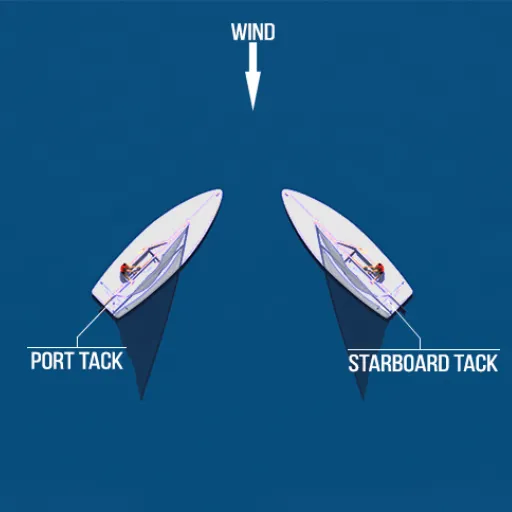
Jet ski operators have to respect maritime “rules of the road.” These rules dictate right-of-way, overtaking procedures, and other navigational concerns. A jet ski operator must familiarize themselves with these rules to avoid conflicts and remain within the prescribed legal framework for using waterways.
5. Use a Safety Lanyard (Kill Switch)
Always attach a safety lanyard to your wrist or life jacket. When the operator falls off the vessel, the wrench causes the engine to shut off automatically, preventing the jet ski from becoming a floating hazard.
6. Pre-Operation Inspection
The operator should inspect the jet ski before use to check for any malfunctions or items that require maintenance, including fuel level, throttle, and steering response. When everything is functioning correctly, technical failures during use will not occur.
7. Operate During Daylight Hours
Jet skis are an inherently dangerous craft in most areas where their use is restricted to daylight hours. Due to impaired visibility, a greater risk of collisions arises when jet skis often have insufficient navigation lighting and are difficult to discern by other vessels.
8. Maintain a Safe Distance from Others
Always observe a safe buffer zone between your jet ski and other vessels, docks, or swimmers. A quick U-turn of a jet ski or a surge from a hit can easily engulf a less stable vessel nearby or be dangerous for persons in the water.
9. Watch for Weather Conditions
Sudden changes in weather conditions, such as high winds or storms, can lead to unsafe conditions. Check for a valid weather forecast before going out, and avoid operating in rough waters, as this can affect your control and safety.
10. Get Yourself Trained in Jet Ski Operation
A formal training course in boating safety instills the operator with the knowledge of operating watercraft, legalities, and emergency response techniques. Various states require these trainings for operating jet skis.
One should follow these safety instructions to remain on the right side of the law and keep oneself and others safe on the waterways.
Boating Education and Certification Requirements
To ensure safe and responsible operation of watercraft, boating education and certification programs should be held. Requirements differ from state to state or jurisdiction to jurisdiction, but most require some form of boating safety course or certification for operators of motorized vessels, including jet skis. These courses typically provide knowledge on navigation rules, vessel operation, environmental laws, and emergency procedures.
In accordance with national safety standards, individuals born after a specific year (typically between the 1970s and the 1990s, depending on the state) are required to complete a certified safety course to operate a powered watercraft legally. Certification may be obtained by passing a written or online examination administered after completing the course. That course is typically provided by an accredited agency, such as the U.S. Coast Guard Auxiliary or approved private providers.
In addition, some states require operators to have proof of their certification with them while on water activities, with penalties or restrictions on access to waterways for non-compliance. In addition to the introductory course, individuals can also choose from advanced courses to achieve a professional level of knowledge in maritime navigation, advanced seamanship, and specialized skills such as towing and trailering. Observance of boating education requirements is evidence of compliance and, more importantly, helps prevent accidents and promotes safe boating practices that benefit the community at large.
Jet Skiing with Kids: Safety Considerations
Jet skiing with kids requires taking safety precautions to ensure a genuinely safe and enjoyable outing. All individuals involved must wear USCG-approved life jackets that are correctly fitted for their size and weight. Each state has set stipulations for the minimum age of a person eligible to operate a jet ski or ride the watercraft as a passenger. Most states require an operator to be a minimum of 16 years old. Children may need to meet certain height and weight criteria to secure themselves safely on a jet ski without risking slipping or losing balance.
Likewise, respecting zones where the wake is prohibited or restricted is crucial, as high speeds close to shorelines or watercraft pose a significant hazard. A supervisor should maintain moderate jet ski speeds and avoid risky maneuvers, such as sharp turns, which can be dangerous for younger or inexperienced riders. Being sure the operator can keep control at all times and maintain direct communication with the children is also a priority so that possible responses might be executed in case of an emergency.
Environmental factors are yet another element affecting the charisma of jet skiing. One should check the weather forecast in advance, as wind speed and waves can significantly undermine the stability of the jet ski, as well as the comfort of younger riders. From sunscreen application to staying hydrated and taking breaks, these are critical parameters in avoiding heat exhaustion, especially when exposed for long hours on a sunny day. By following such parameters, families can, without a doubt, make the jet skiing experience enjoyable and safe for all and consider careful attention when there are children involved in this speedy water recreation.
Trends in Jet Ski Usage for 2025

The Emergence of Jet Ski Rentals
The rising trend in jet ski rentals echoes an affinity people have towards experiential and adventure-based activities. The data show that there is an increasing demand for watercraft rental services, and conversely, the rentals are becoming cheaper and thus more accessible to more people. Therefore, the rental provider is busier during peak travel seasons, especially along coastal and lakefront areas where tourism is particularly thriving.
The interplay of many factors indeed channels the movement in that direction. To this effect, sustainable tourism practices encourage tourists to opt for shared-use rentals rather than purchasing a vehicle of their own. On the other hand, online booking technologies and mobile apps have made rental securing extremely easy, thus offering convenience and flexibility to customers. Moreover, the introduction of jet skis designed for first-timers brings down the barrier of prior experience and, thereby, broadens the customer base. All such factors would sustain the strength of the rental trade pace till 2025 while simultaneously promoting greater innovations in service personalization and safety.
The Influence of Technology on Jet Ski Safety
Technological advancements have been at the forefront in enhancing jet ski safety with features that significantly reduce the inherent dangers of operating a personal watercraft. Equipped with modern jet skis, many are fitted with intelligent systems, including GPS tracking, collision avoidance sensors, and emergency shut-off mechanisms. The primary purpose of these systems is to enhance the operator’s situational awareness by providing them with real-time data during jet skiing, enabling them to make informed decisions while operating the craft. Moreover, engine shut-off lanyards and speed controls also serve as safeguards, ensuring that control is maintained by the rider at all times, even in the event of unexpected occurrences.
Furthermore, in materials science, there have been improvements in hull designs, making them lighter yet tougher, which increases stability and lowers the chances of capsizing in rough water. Considering wearable technology, these may include inflatable life vests and smartwatches with built-in safety features that warn their users of changing weather conditions or excessive speed. This array of technological inventions is changing the safety standards of the personal watercraft industry, significantly reducing the number of accidents and guaranteeing a much safer ride for both new and experienced riders.
Environmental Considerations for Jet Ski Riders
The environmental impact of jet ski operation is increasingly under consideration nowadays as efforts are made to conserve aquatic ecosystems. Jet ski operations, particularly the older two-stroke engine models, contribute to water pollution by discharging unburned fuel and oil. Studies have found that such discharges may interact adversely with water quality, thereby affecting the marine life and plant ecosystems. With the advent of new technology, particularly in four-stroke engines, emission levels have been significantly reduced, although concerns about fuel spills and exhaust odors persist.
Another concern is the noise pollution generated. Jet skis sometimes exceed 90 dB, thereby disrupting marine wildlife that consequently may be sensitive to this kind of interference. Species such as dolphins and certain fish use sound to communicate and navigate, and both these processes can be blocked by the loud noise generated by the operation of personal watercraft.
Riders must also be aware of potential physical disruptions to sensitive environments, such as coral reefs and shallow seagrass beds. There is a high risk of erosion and sediment disturbances in such areas, caused by high-speed operations, which can also lead to habitat destruction. To avoid these threats, many jurisdictions have instituted a set of regulations that instruct the operation of jet skis to confined zones and enforce minimum distance restrictions from sensitive habitats.
Training jet ski riders on sustainable practices remains another essential aspect for reducing such impacts. They are advised to stick to ecologically accepted routes, operate jet skis at low speeds when near wildlife, and conduct regular maintenance checks to prevent the leakage of fuels and oils from their vehicles. Together, these local measures ensure that recreational use will not harm the environment.
Statistics and Case Studies
Accident Rates Among Young Jet Skiers
Accident rates involving jet skis, especially with young riders, are of concern due to their inexperience and risk-taking behavior. Studies and reports by boating safety organizations indicate that the younger than 25 age group comprises a large proportion of victims in jet ski-related accidents. Some contributing factors include a lack of formal training or awareness of waterway rules, confidence that grossly exceeds actual capability in handling a fast watercraft, and neglect in wearing safety gear, such as life jackets.
The statistics will show that a large number of accidents occur during peak recreational seasons, when the types of activities involve young riders racing or performing stunts. Several incidents will be caused by distractions such as males using their mobile devices or being under the influence of alcohol. These behaviors will grow in the number of collisions, capsizing, or an accident in which someone falls overboard, intended to bring injury or damage, anything from cuts or bruises to severe trauma, and, in some cases, even death.
To mitigate these hazards, it is crucial to implement and enforce safety training programs for young riders. If proper training is imparted to operators about watercraft operation, navigation laws, and the necessity of situational awareness, there could be a considerable reduction in the incidents. Furthermore, making it compulsory to take a safety course before operating personal watercraft will help make it safer and reduce injury rates in younger age groups. These facts, along with a few more—for instance, the prevention of underage operation—would warrant stricter regulations, thus reinforcing the importance of prevention methodologies to protect not just the rider but also others sharing waterways.
Compliance with Age Restrictions: Case Studies
Based on recent studies and investigations, age limitations for personal watercraft are not uniformly observed from state to state or across regions. In one case study, it was found that enforcement efforts in Florida were somewhat lacking. Under Florida laws, persons under the age of 14 shall not operate any kind of personal watercraft. Boating accident reports, however, recorded a fair number of incidents involving underage operators. Such incidents have most commonly also been blamed on lax enforcement and lack of parental oversight, a consideration that further highlights the urgency for mounting stringent monitoring and an ongoing education campaign directed toward families.
In another notable case from California, we saw how systematic enforcement paired with educational programs can boost compliance rates. During peak seasons, local authorities conducted spot checks in high-traffic waterway areas to verify operator credentials. With such programs that educated youth and parents about the risks and penalties of non-compliance, a sharp decrease in underage operators was observed. Hence, one can infer that coupling enforcement with proactive community engagement could significantly enhance compliance.
The case studies reveal that compliance with age restrictions is not just about passing laws, but also about enforcing them properly and creating awareness. These agencies should develop a collaborative approach to addressing the gaps in enforcement and ensuring safe products; thus, law enforcement agencies, local governments, and the public should work together. Such an integrated approach should increase compliance with age limits and decrease risk factors associated with improper operation of watercraft.
Survey Results on Public Awareness of Jet Ski Safety
Public perception of jet ski safety appears to be fundamentally limited in key areas, according to recent research. Many people have a general awareness that safety gear, such as life jackets, must be used; however, studies suggest that few are aware of operational guidelines or local rules regarding watercraft use. A 2023 survey found that nearly 60% of respondents were unaware of the age restrictions for jet ski operators, while a startling 45% reported never having received any formal safety training before engaging in a recreational watercraft activity. This distance necessitates educational campaigns that address these knowledge gaps.
In addition, public perception regarding the risks involved in jet ski operation also illustrates the discrepancy between confidence and actual preparedness. For instance, some data suggest that many operators tend to overestimate their ability to execute high-speed maneuvers successfully or to react adequately to emergencies. Conversely, a lack of awareness of environmental conditions, including the presence of crowded waterways or, in the near term, a change in weather, rarely factors into accident occurrences, which could otherwise be preventable. Such emerging problems are worthy of serious cooperative interventions that combine the public’s educational standards, safety training, and enforcement of safety codes, thereby encouraging good habits and practices among jet ski operators.
Hence, clearly, the increasing awareness of this issue has, to a certain degree, been put into motion. Still, continued work is needed to ensure that users become better informed and prepared. One step toward this goal is to encourage stronger collaboration among jet ski manufacturers, local authorities, and advocacy groups to enhance messaging and foster a safety culture. If we make progress in both knowledge and behavior, this will go a long way toward significantly reducing the safety risks associated with jet skis.
Reference Sources
- Minnesota DNR – New Boater Education Law: Details the new law effective July 1, 2025, requiring watercraft operator permits for certain age groups.
- Jet Skis Ahoy Rentals – How Old Do You Need to Be to Operate a Jet Ski Safely?: Explains varying age requirements by state for legal jet ski operation.
- YouTube – New Boating Law Effective July 1, 2025: Discusses the upcoming 2025 law requiring permits for individuals born after June 30, 2004.
- North Carolina Wildlife – Personal Watercraft Law: Outlines age restrictions and legal requirements for operating personal watercraft.
- Facebook Group – Jet Ski Rental Age Requirements: Highlights specific age limits for operating and renting jet skis in Florida.
Frequently Asked Questions (FAQs)
❓ What is the minimum age to operate a jet ski?
The minimum age to operate a jet ski varies by state, but in general, individuals must be at least 14 or 15 years old, while some states require riders under certain ages to complete a boating safety course or get safety certificates. For instance, in some places, a 12-year-old may ride if accompanied by an adult. It would be prudent to find out one’s local legislation before heading out for jet skiing. Safety comes first: ensure a young driver has an adult watching over and instructing them about jet skiing for a well-experienced, fun-filled experience for everyone!
❓ What age do you have to be to rent a jet ski?
To rent a jet ski, one is typically required to be at least 18 years old. This age limit is generally adhered to by rental companies, which fear that their operators are mature and responsible enough to handle personal watercraft safely. Some places allow 16-year-olds to rent jet skis if they have completed a safety course. It is best to check with the agency that wants to rent you a jet ski to confirm their age requirements and safety rules. Time could be had on the jet ski, but only if safety is ensured first.
❓ Are there age restrictions for jet ski riders?
Yes, age restrictions for jet ski users are in place for safety reasons. Most states set the minimum age at 14 years for somebody to, independently, operate a jet ski. Younger riders might be allowed only if accompanied by an adult who meets the age requirements. Furthermore, jet ski users are required to wear life jackets that are the appropriate size and fit, and complete a boating education course. These safety measures help reduce the risk factors and make the entire experience safer for the users on the water. Riders must always stay alert and adhere to their local safety rules and regulations.
❓ Do I need a boating license to operate a jet ski?
Whether a jet ski operator requires a boating license varies from one state to another. Some jurisdictions demand a course certification in boating safety, while others do not need an actual permit for operating a personal watercraft. Generally, anyone under the age of 18 must undergo a safety course to be legally entitled to operate a jet ski. This requirement has been established to equip young operators with knowledge of boating safety, water rules, and the importance of adhering to safety guidelines. Check with local authorities and confirm you meet the requirements before starting your jet ski outing.
❓ What are the safety suggestions for jet skiing with kids?
Jet skiing with kids requires safety as the number one priority. Children must always wear a properly fitted life jacket, and the recommended age for children riding jet skis is at least 12 years. Parents should help their kids understand safety guidelines, including maintaining a safe distance from other watercraft and always being aware of their surroundings. It never hurts for the whole family to take a boating safety course, reinforcing the value of safe jet skiing and making it one more way to have fun and safety in one package. Doing so will make kids aware of safety equipment and procedures, leaving the actual jet skiing experience thrilling yet safe.
❓ Is the jet ski suitable for 12-year-old riders?
Certainly, children under 12 are allowed to ride jet skis, but under specific conditions. In many states, a 12-year-old is allowed to ride a personal watercraft (jet ski) when accompanied by an adult 18 years or older. The child should wear a securely fitting life jacket and have at least a rudimentary knowledge of safety hand signals and other water-related signals. The parent or guardian should consider attending safety courses with their child to promote the importance of safe riding. Always check the regulations in your locality to confirm the laws or rules regarding young jet ski riders.