There are many aspects one has to consider to keep the peak performance on their jet ski, and the impeller is one such factor. Being the very muscle of propulsion, the impeller influences the speed, efficiency, and general performance on water. Wear and deterioration might, eventually, cause its inefficiency, which results in low performance and possible further mechanical damage. This article will cover all the aspects of impeller replacement so that you know when it has to be replaced, how the actual procedure takes place, and ensure that this jet ski maintains all its proficiencies. Whether a jet ski pro or a newbie in personal watercraft maintenance, learning a few basics about impeller replacement will go a long way to ensure smooth operation and greater longevity of your machine.
Understanding the Impeller
What is an Impeller?
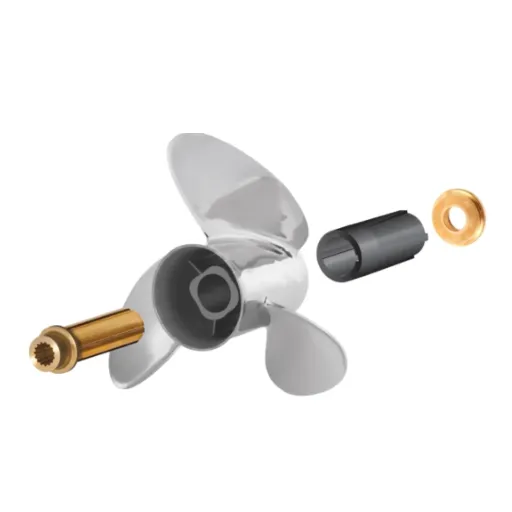
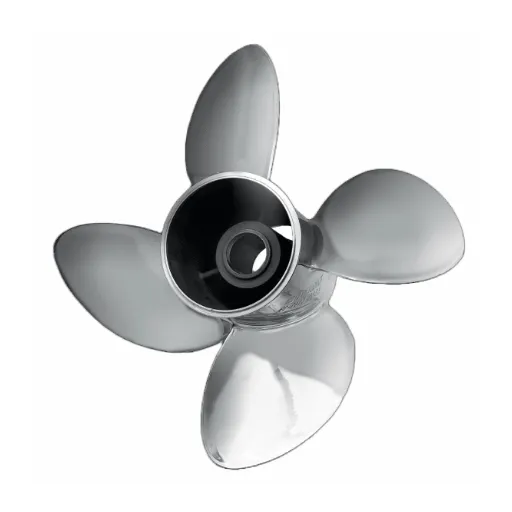
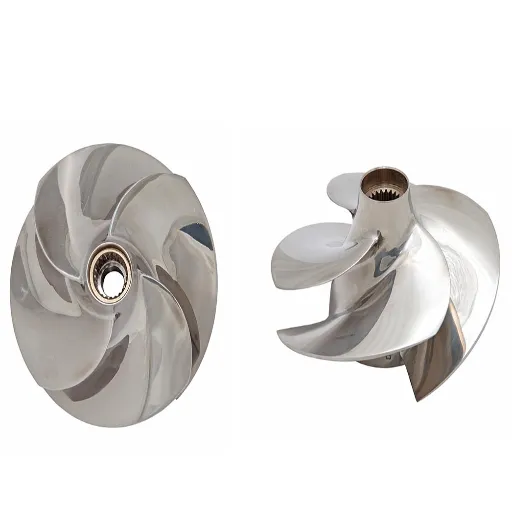
An impeller is a foremost member of a jet ski propulsion system, thrusting the boat by drawing water into the pump and ejecting it at a very high pressure. It works like a screw or propeller in the air, but it draws the water through a narrow housing to impart movement. This, in essence, acts in pushing the jet ski forward while allowing for very fine control and maneuverability over the water.
Made usually from stainless steel or high-strength alloys so as to withstand saltwater conditions, debris, or any other harsh conditions in a marine environment, the impeller has inclined or curved blades to maximize water flow through the jet pump so that power is transferred efficiently from the engine to the jet. Damage or wear to the impeller will diminish performance, reduce fuel efficiency, or cause vibrations.
Important: Understanding the condition of the impeller is important in maintaining the highest level of performance. Inspection on a regular basis will detect any nicks, cracks, or deformation of the blades. Such defects affect water flow and threaten thrust, so the impeller has to be replaced immediately to prevent further damage to the pump or engine parts. Knowing what to watch for and how to serve the impellers will keep your jet ski trustworthy in the water.
How Does an Impeller Work on a Jet Ski?
Inside the jet ski, the impeller is the heart of the propulsion system. It takes in water through the jet ski intake grates located beneath the hull and passes it into the pump housing. Inside the pump, the impeller, which has carefully angled blades, spins at high speed, powered by the motor. The fast-moving impeller creates a high-pressure stream of water that is thrust through the jet nozzle at the rear of the vehicle. This high-speed stream actually pushes the jet ski forward.
The impeller’s dynamics depend on Bernoulli’s principle to balance water flow and pressure. The geometry and angle of the impeller blades provide the highest conversion efficiency of the engine power into forward motion. This discharged water can be angled so that the movement of the watercraft can be controlled with precision by the operator. Changing the throttle position changes the thrust, allowing the vehicle to go faster or turn sharply. This demonstrates the thrust and steering role of the impeller.
Its operation, being under heavy mechanical stresses and in water environments potentially laden with impurities or contaminants, calls for crucial maintenance of the impeller. Impeller blades may be dented, worn, corroded, or broken, thereby disturbing water flow and reducing efficiency, producing performance problems. Maintenance of the blockage is about clearing the intake grate and, if possible, checking for visual signs of damage, helping to maintain impeller functionality to secure jet ski efficiency over time.
Importance of the Impeller in Jet Ski Performance
The primary component of the propulsion system, the jet ski impeller, affects performance completely and thrust creation. Acting as the core mechanism that draws water into the pump and ejects it at high velocity, the impeller’s condition determines how efficiently the jet ski can accelerate, maintain speed, and maneuver. An impeller that has been kept in good shape will generate the best water flow to maximize the power from the engine that is transmitted into the water.
Damage or wear on the impeller can very much contribute to efficiency loss. For instance, if the blades get chipped, bent, or worn down, the impeller can hardly create the right water pressure, leading to symptoms such as cavitation, reduced speed, or poor handling. These performance issues also put stress on the engine, which might then cause overheating or further mechanical failures. That is why ensuring the impeller is free of debris, corrosion, and other visible damage is of utmost importance in maintaining optimal functionality.
Routine inspections and maintenance must be carried out to ensure optimum impeller performance. Such steps include cleaning in the vicinity of the pump and intake areas, promptly replacing damaged blades, and proper alignment of the impeller in the pump housing. In fact, manufacturers often provide very clear maintenance guidelines, and following these guidelines goes a long way in increasing not just the longevity of the impeller but also the overall jet ski reliability. Essentially, when the impeller is working well, it means more speed, control, and fun for the operator.
Types of Jet Ski Impellers
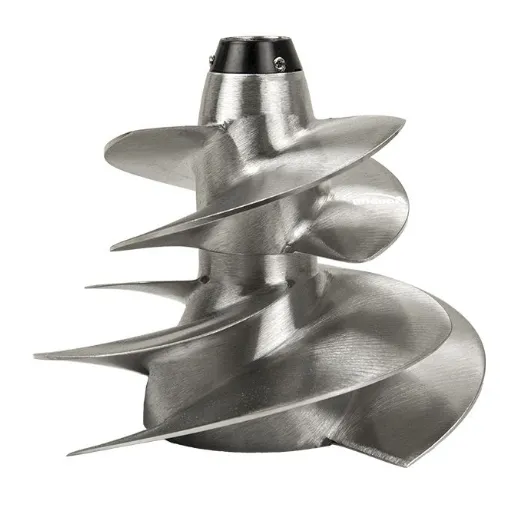
Standard vs. High-Performance Impellers
Standard impellers emphasize dependability and compatibility, whereas high-performance impellers tend to emphasize speed, acceleration, and adaptation.
Material Variations: Aluminum vs. Stainless Steel
Aluminum impellers are light in weight and cheap to work with, whereas stainless-steel ones go a step further in terms of durability and performance.
Choosing the Right Impeller for Your Jet Ski
Getting an impeller for your jet ski needs to be done right to bring the highest performance and efficiency from the system. Impellers are the central components. They impart acceleration, top speed, fuel efficiency, and handling. An impeller should be selected based on the material, its pitch, and the working operation of the jet ski to get the right impeller for your particular application. Therefore, these conditions must complement the demands of your particular watercraft.
One of the foremost recommendations when choosing an impeller is material selection. Aluminum impellers, with their cheapness, are light and ideal for casual riders or those who bargain. They are, however, less durable and corrosive if used in saltwater conditions. More strength, durability, and corrosion resistance are provided by stainless steel impellers, thus making them suitable for use in high-performance applications subject to frequent exposure to saltwater. The main disadvantage of stainless steel impellers is their exorbitant price, but a serious rider would usually consider the longevity and ability of this impeller as investment-worthy.
Another critical consideration is the impeller pitch. The impeller pitch refers to the angle or curvature of the blades, which directly influences water flow through the jet pump. The high-pitch, or fast, impeller is suitable for riders who desire top speeds and want to cruise at high velocity, while the low-pitch impeller provides instant acceleration and responsiveness necessary for towing or going through tight and technical waterways. Matching the impeller specification to your application will create a fine balance of power, speed, and efficiency.
Essential Maintenance Practices
Regular Inspection and Cleaning Tips
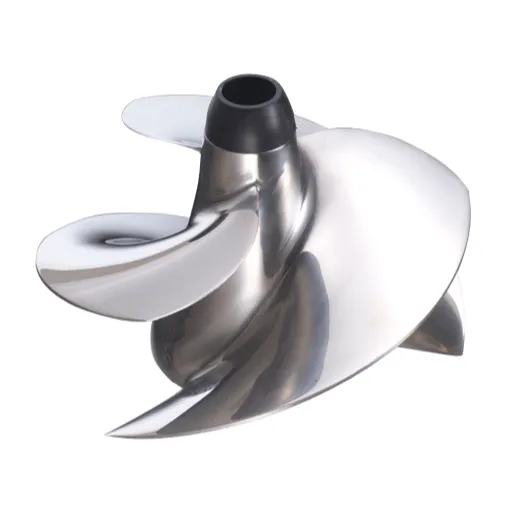
The routine inspection and cleaning of the impeller are essential to maintain good performance and prevent its premature wear. First, a visual inspection for damage, including cracks, dents, or deformities that will impair its efficiency, must be made on the impeller. Blade edges, in particular, should be studied carefully, as any nicks or bends will hamper the smooth flow of water and cause a loss of power.
Make sure the engine is turned off before cleaning, along with observing safety requirements. Any debris, such as sand, rock, or vegetation, that could clog the impeller or housing ought to be removed. For saltwater applications, the system must be flushed with fresh water after every use-getting rid of corrosive salt deposits.
The housing and the wear ring should be checked for corrosion and scoring, as either condition shall degrade the functioning of the pump by compromising the tight tolerances necessary for effective water propulsion. Applying a silicone-based lubricant on metal surfaces might just prove to be a good remedy for corrosion, hence smooth operation. These checks must be carried out periodically or as per the manufacturer’s instructions to ensure sustained reliability and efficiency.
Best Practices for Prolonging Impeller Lifespan
- Regular Maintenance Scheduling: To extend the life of the impeller, it is imperative to lay down the maintenance schedules. Usually, this would include disassembling the impeller assembly at stipulated intervals. They would then check for the buildup of foreign materials and erosion, or actual damage. For setups operating in marine environments, such assemblies should be rinsed regularly with fresh water to prevent corrosion from salt deposits.
- Material Selection: Proper selection of the impeller, depending on the operating environment, could make a very significant difference in life. For instance, rubber impellers are best suited for use in fresh water, while stainless steel or bronze impellers are more appropriate for high-pressure systems or corrosive environments largely because of their greater resistance to wear and chemical degradation.
- Good Alignment and Installation: During installation or alignment of the pump shaft, uneven stress will be distributed, causing premature wear-out or failure. Follow manufacturer torque guidelines during installation and use precision tools to ensure an allowed tolerance for running alignment.
- Avoiding Cavitation: If one operates above design, the conditions may be more apt to give rise to cavitation from vapor-bubble formation and periodic collapse and erosion of the impeller and surrounding parts. Excessive speed or low intake pressure should be avoided.
- Lubricating System: Apply the proper type and quantity of lubrication to bearings and shaft seals. Too much lubricant will cause overheating or deterioration of the seals, while too little lubricant will cause excess friction and heat. Lubrication or lubrication-related maintenance requirements should take into account operating conditions agreeable with the manufacturer’s specifications.
- Monitor Operating Conditions: Constantly monitor operating parameters, including pressure, flow rate, and temperature. Sudden changes in any of these parameters might indicate some problems with the impeller or related equipment. In such cases, applying real-time monitoring systems helps in early problem detection.
- Avoid Prolonged Dry Operation: Running an impeller without fluid induces the generation of excess heat, destroying the material. Design the system to have sensors or controls that prevent dry operation to save the impeller and the pump from being severely damaged.
- Use Genuine Parts for Replacement: Always use the original equipment manufacturer’s genuine replacement parts to replace worn or damaged impellers. The generic parts may not be up to the exact specifications required, leading to improper performance and further wear.
Conclusion: By adopting those best practices, operators would prolong the functional life of impellers and keep systems’ performance at optimum, allowing them to avoid costly downtime and repair in important applications.
Signs that Your Impeller Needs Replacement
Having an impeller replaced at an appropriate time would prevent system malfunction and ensure smooth operation. Some signs that can indicate the need for the replacement of your impeller:
-
Inadequate Efficiency or Flow Rate
Decrease in efficiency or flow rate indicates that the impeller might be worn, damaged, or imperfectly balanced. This reduction in performance could be due to erosion of the impeller from pitting or scaling on the surface of the blades, thereby impairing proper displacement of fluid.
-
Vibration/Noise Too High
If the impeller is imbalanced or damaged, it will produce abnormal vibrations and noises in the system. If not dealt with immediately, this could result in further mechanical wear within adjacent components, including bearings and seals.
-
Damaging Cavitation
Cavities are created when the vapor bubbles get into formation on the area of low pressure and collapse in the pump, causing pitting or wearing of impeller surfaces. These phenomena would not only wear the impeller, but the impeller would also affect its efficiency and longevity.
-
Visual Damage or Corrosion
Physical evidence of wear, such as cracks, dents, or extensive corrosion on the impeller blades, might be noticed during periodic inspection. These signs of damage suggest the part is no longer operating at its intended efficiency.
-
Motor Overload or Increased Energy Consumption
A damaged impeller causes the motor to exert more effort in its operation, leading to higher energy consumption. Hence, a sudden rise in energy consumption can be a sign that the impeller is either damaged or blocked.
Key Takeaway: By keeping a keen eye on these signs and ensuring consistent maintenance work, operators would have the ability to recognize signs of impeller failure at an early stage and set up a replacement schedule by themselves. These measures are required for ensuring system reliability and preventing unscheduled shutdowns.
Troubleshooting Common Impeller Issues
Identifying Performance Problems
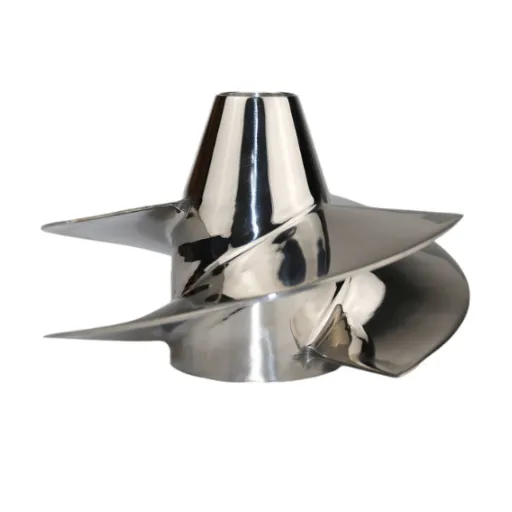
Performance issues in impellers generally point to operational inefficiencies or mechanical defects that must be attended to immediately. Important to observe include flow rate, pressure head, and energy consumption. Large deviations from baseline values usually indicate impeller wear, cavitation, or debris deposition. For instance, a reduction in flow rate with irregular pressure variations could mean partial clogging or surface erosion of the impeller blade.
Advanced diagnostic tools such as vibration analysis and thermographic imaging shed light on identifying the causes of decreased performance. Vibration analysis is capable of revealing instability in rotation, which could be due to imbalance or misalignment, while thermographic imaging can identify hotspots where excessive friction or stress is present. In order to better mitigate issues, these tools should be factored into periodic inspections.
Moreover, the use of IoT-enabled sensors for predictive analytics allows monitoring of data in real time, thus favoring early detection of anomalies. This kind of technology integration is paramount in optimizing maintenance scheduling and overall system performance. These methods bring forth the definitive outcome that performance-related problems are being fixed before they result in any downtime, and thus, the longevity of the equipment is also enhanced.
Step-by-Step Troubleshooting Guide
- Identify the Problem Area: Begin by going over error logs, system alerts, or performance anomalies that seem to indicate the real-time issue. The IoT sensors, combined with real-time detection tools, will provide detailed insights about the component or zones affected.
- Collect and Analyze Data: Collect all performance-related metrics, system parameters, and historical data. Utilize predictive analytics and data visualization tools to distinguish patterns or trends related to potential root causes.
- Verify System Configurations: Perform a comparative check of hardware/software configurations versus recommended settings. Stick to creating the latest firmware updates and patches for all components, for compatibility issues, or known vulnerabilities.
- Conduct Diagnostic Tests: Performing diagnostics on individual system components, such as network connectivity, sensor accuracy, or device functionality. Automated diagnostic tools connected with the IoT system speed up this process and offer accurate output.
- Isolate and Fix the Problem: After determining the cause, isolate the malfunctioning component. Apply corrective actions, such as recalibration, replacing parts, or restoring system defaults, when needed.
- Validate the Correction: Reassess the system to ensure that the correction has been successful. Perform performance checks and observe real-time data to make sure that everything is back to normal without causing any new problems.
- Implement Preventive Actions: Use the knowledge gained during the troubleshooting to establish measures for prevention. This might include revising maintenance intervals, enhancing monitoring methods, or increasing redundancy to reduce the chances.
- Document Findings and Actions: All noted problems, corrective actions, and outcomes should be entered into the central knowledge base or system log. Comprehensive documentation serves as a reference for future occasions and continuous improvement of the systems.
Summary: By following an organized troubleshooting process, organizations can reduce downtime and increase system reliability while benefiting from the complex functionality of a solution with IoT implications.
Upgrading Your Jet Ski Impeller
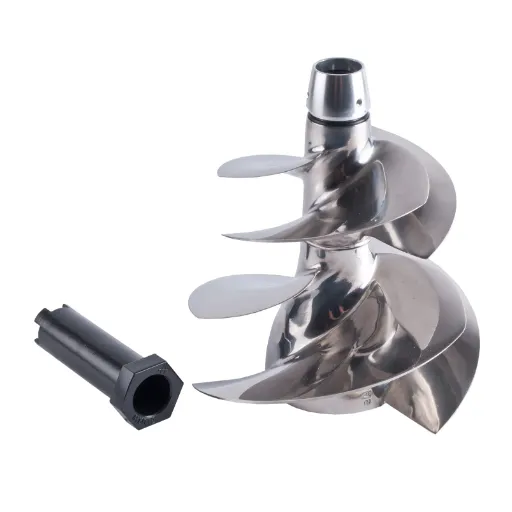
When to Consider an Upgrade
This means that an impeller upgrade is important when certain performance benchmarks are no longer being achieved or when operational demands exceed the present system capabilities. One primary sign of an impeller upgrade requirement is a drop in thrust, thus affecting acceleration and speed efficiency. The causes may range from impeller wear, cavitation damage, or wrong matching of the impeller with the engine power curve. Also, if you have recently upgraded any other parts, such as an engine or intake system, the stock impeller may not give the best performance, thereby aggravating an already undesirable mismatch in power delivery and speed potential.
A further aspect concerning fuel efficiency puts an inefficient or outdated impeller under undue strain on the engine, with increased fuel consumption for lesser output. When technical efficiency is not considered, impellers may require upgrading for specific use cases like towing, competitive racing, or navigating waters with a heavy concentration of debris. For such specialized purposes, an aftermarket impeller precision-engineered for those applications has the potential to significantly enhance performance and durability.
Operational data such as RPM variance, fluctuations in top speed, and trends in fuel consumption provide measurable indicators of when an upgrade has become necessary. Experts recommend regular assessment and consulting with the manufacturer or specialized technicians to determine compatibility and maximize performance from your investment.
Performance Benefits of Upgrading Your Impeller
Upgrades to your impeller will certainly yield measurable improvements in key areas of performance and operational characteristics. By employing an aftermarket or specialized impeller of high quality, you can attain better performance depending on your needs. Five main benefits arising from performance upgrades, corroborated by industry data and analysis of work cases, are:
-
🚀 Thrust Efficiency Improvement
Upgraded impellers typically incorporate state-of-the-art blade designs that increase thrust efficiency by 20 percent, with simultaneous improvements in acceleration and higher top-end speed. Such benefits will come in handy during activities under stress, like races or towing.
-
⛽ Fuel Efficiency
A contemporary impeller lessens engine load by curtailing cavitation and by effective water-flow distribution. It is said that savings of 10 to 15 percent on fuel costs can be attained. Keeping operational costs down over time will be the return of such a kind of saving.
-
🛡️ Prolongs the Life Span of the Parts
Such materials as stainless steel and advanced composites for new impeller designs do resist wear and corrosion much better than what standard aluminum impellers would do. This enhanced resistance resulted in an increase in the life span from anywhere between 30% and 50%, thereby lessening the need for replacement.
-
🎯 Optimized Router and Maneuverability
Performance impellers usually come with adjustments intended to maximize directional control and minimize slippage during slow-speed maneuvers. It helps ensure that a watercraft operating under difficult conditions, with tight marinas or rough waters will benefit.
-
🔇 Reduced Vibrations and Noise
Enhanced and upgraded impellers are designed and constructed with precision such that vibrations are reduced by at least 40%. These conditions make for a more relaxing ride while minimizing shock to connecting parts, thereby forming part of the overall boating experience.
Bottom Line: Upgrading your impeller will deliver measurable benefits that increase performance, while efficiency and longevity of your watercraft are also enhanced.
How to Successfully Replace Your Jet Ski Impeller
- Required Tools and Equipment: Ensure you have the appropriate tools, such as a socket wrench set, impeller spline tool, torque wrench, and marine grease, with you before you embark on replacing the impeller. Having the correct tools handy speeds up the whole process and reduces the chances of something being damaged in the disassembly or reassembly phases.
- Prepare the Jet Ski for Maintenance: Secure your jet ski properly on the trailer or lift so that it does not move while you are working on it. Disconnect the battery to override the risk of unintended starting and allow any residual water to be drained from the craft. This provides a safe working place to work with internal components.
- Remove the Jet Pump Assembly: Start by disconnecting the reverse bucket and steering cable with the right tools. The bolts of the jet pump housing are then removed, as the housing itself is taken off to gain access to the impeller. Care should be taken to maintain alignment and not damage any nearby seals while handling these components.
- Remove the Old Impeller: Use the impeller removal tool to secure the impeller shaft while unscrewing the old impeller from the housing. Check the impeller shaft and wear ring for wear or corrosion, and replace them if necessary to keep performance satisfactory.
- Install the New Impeller: Coat the threads with marine grease and carefully slide on the new impeller onto the shaft. Using an impeller spline tool, tighten it securely to the torque value recommended in your jet ski’s service manual. Proper torque application is required for safety reasons and to prevent vibration during operation.
- Reassemble and Test: Place back the jet pump assembly, reverse bucket, and steering cable, making sure that all components are properly aligned. Tighten the bolts firmly to the correct torque using your torque wrench, reconnect the battery, and test the system by starting the engine at low speed to ensure that the impeller turns smoothly with no unusual noises or vibrations.
Final Note: Following these steps one after another, your jet ski impeller should easily be replaced, making it work more efficiently again and getting the watercraft back to its prime condition. Performing such maintenance regularly while checking the watercraft in this way will keep it lasting for a long time.
References
-
The Physics of Jet Skiing
- University of Alaska Fairbanks
- Explains the physics behind jet ski propulsion, including the role of the impeller.
-
Innovating the Electric Jet Ski
- Worcester Polytechnic Institute (WPI)
- Discusses the impeller’s role in electric jet ski propulsion systems.
-
An Electric Waterjet Propulsion System
- University of Virginia
- Covers impeller design and its application in waterjet propulsion systems.
-
Personal Watercraft Information
- Oregon State Marine Board
- Provides details on how impellers function in personal watercraft.
-
Personal Watercraft Brochure
- Oregon State Marine Board PDF
- Offers an overview of impeller mechanics in jet skis.
- Click here to read more.
Frequently Asked Questions (FAQ)
Ready to Optimize Your Jet Ski Performance?
With proper impeller maintenance and timely replacements, you can ensure your jet ski delivers peak performance for years to come. Remember, a well-maintained impeller is the key to maximum thrust, efficiency, and riding enjoyment.