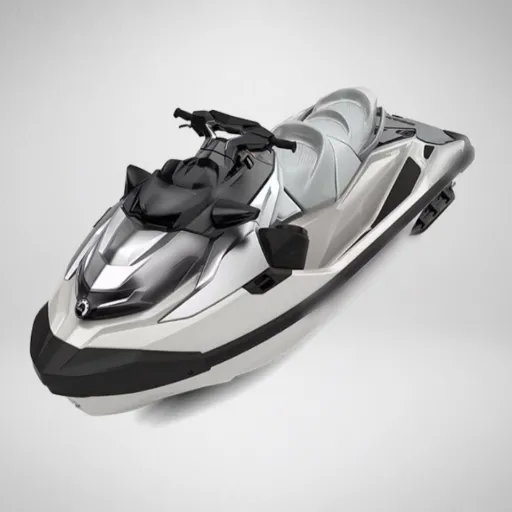
People associate jet skis with their ability to deliver exciting experiences while providing riders with the freedom to navigate through their high-speed water adventures. Experienced riders and novice users both gain from learning about the power systems which drive these exciting personal watercraft machines. The engine serves as the central component of every jet ski because it demonstrates engineering excellence through its ability to produce powerful results with precise power management and efficient operation during ocean navigation. The guide serves as your complete reference tool which helps you understand how jet ski engines function and what engine types exist and which features make them ideal for operating in aquatic environments.
Introduction to Jet Ski Engines
The Importance of Understanding Jet Ski Engines
The process of learning about jet ski engines enables people to operate watercraft in a manner that achieves maximum efficiency and safety and extends its operational life. The knowledge of engine functionality enables you to detect engine problems through the discovery of unusual sounds and decreased engine efficiency and rising fuel usage. The process of resolving these problems makes it possible to stop expensive repairs while your jet ski maintains its operational performance.
Your decision about which engine to buy will improve your understanding of different types of jet ski engines. The two-stroke engine and four-stroke engine present different benefits and disadvantages to users. Two-stroke engines weigh less and cost less to purchase but they generate higher emissions than four-stroke engines which operate at greater fuel efficiency while producing fewer emissions but they have higher price tags. The selection of an engine type establishes the foundation of a satisfying experience which matches your personal desires and the specific water-based activities you engage in.
The process of learning how to maintain jet ski engines requires people to gain knowledge about maintenance methods. The process of performing basic maintenance tasks which include spark plug inspections and oil changes and engine flushing after every usage can extend engine life considerably. Proper maintenance not only boosts engine power but it also guarantees safe operation during each water excursion. The acquisition of this knowledge enables you to maintain your jet ski correctly which leads to increased wave riding time and enjoyment.
Overview of Personal Watercraft (PWC) Types
Personal Watercraft (PWCs) are categorized into three main types based on their design and functionality. The first type is the stand-up PWC, which is known for its agility and is primarily used for racing and tricks. The rider stands on these models which have a compact design and provide high-performance capabilities which suit both thrill-seekers and experienced users.
The second type is the sit-down PWC, which is the most common and user-friendly model. The products come in multiple dimensions which can seat one to three people making them perfect for family water activities and casual water cruising. Sit-down PWCs are preferred by most people because they provide better stability and comfort, enabling users to enjoy a more comfortable experience than standing up.
The final category consists of luxury PWCs which offer advanced features and complete user comfort to their operators. These models often include advanced technology such as GPS, sound systems, and larger storage space, catering to those who want a more specialized and luxurious experience on the water. Each type of PWC serves a distinct purpose, allowing users to choose a model that best fits their preferences and intended activities.
Key Components of Jet Ski Engines
Jet ski engines function through various main elements which work together to achieve maximum engine performance and dependable operation. The internal combustion engine serves as the most important component because it enables the watercraft to operate by transforming fuel into mechanical power. Modern jet skis mostly utilize four-stroke engines which function as the standard engine type because they deliver superior fuel efficiency and produce fewer emissions compared to two-stroke engines.
The jet pump serves as an essential part of the system. The jet pump creates forward motion for the jet ski by taking in water and forcefully releasing it through a nozzle. The system generates thrust while enabling precise steering abilities because it controls the direction of water exiting through the nozzle. The pump system relies on its impeller as a critical component because it guarantees effective water flow through the pump housing.
The cooling system functions as an essential system which controls engine temperature throughout the entire operating process. Jet skis commonly implement open-loop cooling systems which use environmental water to cool their engines. The system maintains operational temperature limits which protect the engine from overheating while delivering continuous performance during lengthy operation intervals. The engine of a jet ski depends on these components because they create essential systems which enable the craft to reach high speeds while maintaining quick turns which make it attractive for both recreational use and competitive sports.
Technical Specifications of Jet Ski Engines

Engine Types and Configurations
Various engine types and configurations exist for jet ski engines because different performance requirements and user preferences need to be met. Jet skis used in modern times mostly operate with internal combustion engines that come in two-stroke and four-stroke engine types. The design of two-stroke engines enables quick acceleration because of their lightweight design together with their high power-to-weight ratio. The fuel consumption of two-stroke engines exceeds four-stroke engines while they generate greater emissions than their four-stroke counterparts.
Four-stroke engines produce their power output in a constant manner which creates environmental benefits and better fuel efficiency through their operation across different environmental conditions. The advanced engineering of these systems enables them to operate at low wear rates which results in extended product lifetimes. The engine configurations used in jet skis differ according to their brand and model because some models use naturally aspirated systems which deliver constant performance while other models use supercharged or turbocharged engines that provide high-powered performance.
The implementation of new technologies within modern jet ski engines includes closed-loop cooling systems which enable better engine temperature control and use less environmental resources by not requiring outside water. The system achieves maximum fuel efficiency across all operational conditions through its combination of electronic fuel injection (EFI) and the newly developed technological system. Engine type selection requires consideration of multiple elements which include usage purpose performance requirements and ecological impact assessment.
Performance Metrics: Power and Torque
Engine performance evaluation relies on two essential metrics which include power and torque as the main focus areas. Power represents the amount of work that an engine can perform during a specific period and it gets measured in horsepower (hp). The engine power output determines the maximum speed the engine can reach. The engine generates torque which gets measured in pound-feet (lb-ft) or newton-meters (Nm) and this force enables the engine to rotate its parts while moving different loads and achieving fast acceleration. The two metrics work together to provide an exhaust system performance summary which applies to different operating environments.
The design of sports cars which exist as high-speed vehicles focuses primarily on power because it helps them achieve their highest speed limits. The engines generate their maximum horsepower at high operational speeds, which enables them to produce exciting speed levels and dynamic performance. Trucks and construction equipment used for heavy-duty purposes need torque because it enables them to pull heavy loads while working in difficult driving conditions. An engine needs to achieve the correct power and torque balance to fulfill its designated operational requirements.
The design of modern engines enables better performance than traditional engines because engineering advancements have created more powerful and lightweight engines. Engine power and torque performance improvements emerged through the application of turbocharging and variable valve timing technologies, which also maintained fuel efficiency and environmental protection standards. The engine design process shows how advanced technology affects future engine development, which helps consumers understand this metric.
Fuel Efficiency and Environmental Impact
The design of engines now prioritizes fuel efficiency because of increasing fuel prices and the urgent requirement to reduce climate change impacts. Modern engines have been developed to use less fuel while delivering the same or higher performance standards which existed in earlier engine models. The application of technologies which include direct fuel injection and cylinder deactivation and hybrid systems results in substantial fuel efficiency improvements. Hybrid engines use internal combustion engines together with electric motors to generate better fuel efficiency which decreases fossil fuel usage. The new technologies help drivers save money on vehicle maintenance costs while they simultaneously address the increasing need for environmental protection.
The automotive industry places major importance on environmental effects because of greenhouse gas emissions and pollution. Automakers develop new technologies to meet the strict emission control requirements established by Euro 6 and EPA regulations which restrict vehicle emissions. Electric vehicles (EVs) serve as a primary solution because they produce no tailpipe emissions and their carbon footprint decreases as renewable energy becomes more widely used. The use of biofuels and hydrogen and other alternative fuel sources has become more popular as sustainable options to replace standard gasoline and diesel fuels which helps to lessen environmental damage.
Materials and aerodynamics require further development which will enhance fuel efficiency and decrease emissions. Vehicle performance improves through lightweight materials such as aluminum and carbon fiber which decrease total weight and through better aerodynamic designs which reduce drag. The combination of these components with advancing technologies will help achieve worldwide environmental targets while demonstrating the automotive industry’s dedication to sustainable development.
Maintenance Tips for Optimal Performance
Regular Maintenance Practices
Your vehicle requires routine maintenance to reach optimal performance while protecting against possible mechanical failures. The most essential procedure for vehicle maintenance requires drivers to follow the scheduled service intervals established by vehicle manufacturers which include oil and filter replacements plus tire rotations and brake system assessments. The vehicle maintenance services should be performed before their scheduled time because this practice will increase the vehicle’s operational lifespan and deliver better fuel economy results while saving costs over an extended period.
The second crucial maintenance activity requires monitoring both the state and the amount of all essential vehicle fluids. The essential fluids of a vehicle which include engine oil and coolant and brake fluid and transmission fluid and power steering fluid serve critical functions for different vehicle systems. The process of checking and replacing these fluids at scheduled times will protect your vehicle from expensive repairs which result from overheating and corrosion damage and equipment breakdowns. Engine damage most often occurs because an ignored cooling system causes the engine to overheat.
Your safety and efficiency depend on the proper maintenance of your tires. The process of checking tire pressure requires regular monitoring because it ensures tires achieve their correct inflation level which results in better fuel efficiency and decreased tire damage and improved vehicle control on the road. Inspect your tires for uneven wear patterns or damage, as these could indicate alignment issues or other mechanical problems. Regularly check your tread depth because tires which have lost their tread become dangerous during wet or slippery conditions. The practice of maintaining tires properly will improve vehicle performance while ensuring safe operation on all types of roads during any weather conditions.
Seasonal Preparation and Storage
The process of preparing for seasonal changes requires the management of seasonal storage needs. The process of preparing for seasonal changes requires the management of seasonal storage needs. The proper storage methods and seasonal preparation methods which you should use will help extend your vehicle’s useful life while maintaining its operational reliability. The process of preparing your car for winter weather requires more than just changing to winter tires. Start by checking vital fluids such as antifreeze, engine oil, and windshield washer fluid to ensure they are winter-grade and topped off. The engine gains protection from freezing temperatures through antifreeze while winter-grade oil enables better performance during cold weather. The cold weather conditions will create extra demands on your battery, which makes battery inspection essential. If it’s nearing the end of its lifespan, consider a replacement to avoid unexpected breakdowns.
The process of preparing your vehicle for summer months requires you to complete specific tasks. The process of warm-weather vehicle preparation requires you to begin with different tasks. The process of replacing winter tires requires you to install all-season or summer tires which deliver superior handling and better fuel economy results during dry weather conditions. The air conditioning system needs testing to check whether it provides enough cooling to maintain a comfortable temperature inside your vehicle while you should also replace the air and cabin filters to sustain proper airflow. The process of cleaning and waxing your vehicle protects its exterior from summer UV rays and tree sap and bird droppings, which pose threats to the paint. Checking coolant levels is essential since a properly functioning cooling system prevents the engine from overheating during long drives.
You should take protective measures before storing your vehicle for an extended time because this will help protect against damage while ensuring future readiness. The vehicle needs to remain clean and dry to protect against rust and corrosion, and you should use a car cover to provide extra protection. The process of battery disconnection prevents battery drainage while tires need to maintain their proper pressure to stop flat spots from forming. The process of adding fuel stabilizer to the tank protects gasoline from breaking down while it safeguards the fuel system from clogging problems. The vehicle will maintain its security and operational capabilities throughout the entire year when you implement these seasonal storage practices.
Performance Comparisons between Various Models

Kawasaki Jet Ski Engines: Features and Benefits
Kawasaki Jet Ski engines have established themselves as fundamental components of the personal watercraft industry because of their exceptional engineering and performance capabilities. The four-stroke technology and supercharged engines of Kawasaki Jet Skis enable their users to achieve unmatched performance speed and torque delivery. The system which includes advanced fuel injection technology optimizes fuel efficiency while delivering smooth performance to riders who want to spend time on the water without harming the environment through fuel usage. The cooling systems built into Kawasaki engines function as protection against extreme heat conditions, which allows engines to maintain their operational strength during demanding usage periods.
The primary attribute which sets Kawasaki Jet Ski engines apart from competitors involves their smart braking system and reverse driving technology. These features provide riders with enhanced safety mechanisms which enable effective stopping and secure navigation through restricted areas and busy waterways. The advanced handling system together with responsive throttle controls enables recreational users to enjoy smooth cruising while experts can experience fast-paced excitement. The Eco Mode function, found in numerous Kawasaki models, provides a fuel-efficient option which particularly benefits extended journey through cruising mode.
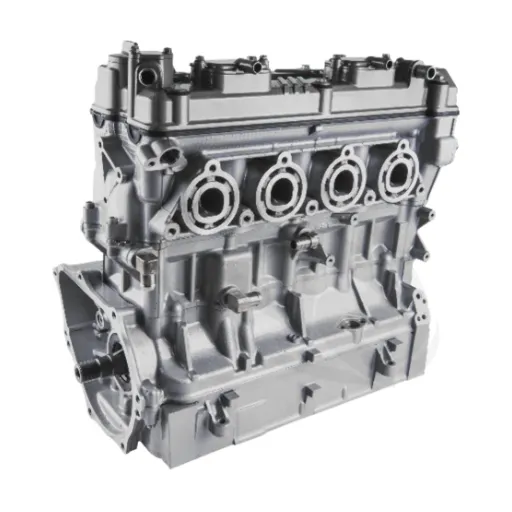
Kawasaki maintains its dedication to contemporary technology by launching new Jet Ski models which meet the changing needs of riders. The Ultra 310 series presents a 1,498cc inline-4 marine engine which achieves a power and efficiency balance in its operational performance. The riding experience gets enhanced through the combination of ergonomic seating and digital dashboards which provide GPS capabilities and extensive storage compartments. Kawasaki Jet Ski engines offer dependable performance with thrilling power and cutting-edge technology which makes them the preferred choice of personal watercraft enthusiasts who want to experience both tranquil lake exploration and ocean wave riding.
Stand-Up vs. Sit-Down Jet Ski Performance
Stand-up jet skis are agile, challenging, and ideal for tricks, while sit-down jet skis are stable, comfortable, and suitable for long rides and towing.
|
Aspect |
Stand-Up |
Sit-Down |
|---|---|---|
|
Maneuverability |
High |
Moderate |
|
Ease |
Low |
High |
|
Expertise |
Advanced |
Beginner-Friendly |
|
Capacity |
Single |
Multi-Rider |
|
Power |
2/4-Stroke |
4-Stroke |
|
Purpose |
Tricks, Racing |
Leisure, Towing |
|
Space |
Limited |
Generous |
|
Balance |
Challenging |
Stable |
|
Price |
Lower |
Higher |
|
Upkeep |
Simple |
Complex |
This table highlights the essential aspects to consider when choosing between the two types of jet skis.
References
-
Electric Powered Jet Ski
This paper details the process of converting a traditional combustion engine jet ski into an electric-powered model, providing insights into engine components and modifications. -
An Examination of Gasoline Pollutants from Two-cycle Marine Engines within Lake Mead National Recreation Area
This research examines the environmental impact of two-cycle engines used in jet skis, focusing on pollution levels and their effects on water bodies. - Click here to read more.
Frequently Asked Questions (FAQ)
Q: Could you describe the specification g Goft engine relating to Jet Ski and how does it differ from the conventional outboard engine model?
A: The jet ski engine is a derivation of an internal combustion engine meant for the jet skii class only. It exclusively uses water as a medium for propulsion, without involving any propeller. While many a boat engine does carry the power produced out through propeller straps or shafts, the agitator housed within the jet unit is powered by the jet ski engine which works the nozzle to expel water for forward motion.
Q: What’s the Recommended Frequency for servicing a jet ski engine and what general maintenance timetable falls under the 500 hours rule?
A: Maintenance schedules differ based on the make and model of the vehicle; most original equipment manufacturers make recommendations to perform safety and functional inspections every 50–100 hours and conduct a major check for most engines or overhauls at approximately 300–500 hours, but this may vary depending on the intensity with which the equipment is used. “500 hours” is often cited as the recommended time for more extensive intervention, which includes the replacement or reinstallation of parts such as bearings and piston rings and gaskets and the water pump. Oil changes (checking oil injection in case of two-stroke engines), jet unit and the grate inspection, cleaning of the water intake and checking the rpm performance so that the rev limiter doesn’t keep cutting in, are all part of the routine maintenance.
Q: What is responsible for cavitation within the jet ski engine water-jet propulsion system and what can I do about it?
A: When there is a decrease in pressure, vapor bubbles form and break around the jet drive impeller. This process can be described as cavitation, which is harmful to the impeller and bearings and even the thrust is compromised. Some of the factors include; broken or narrow grates, high rpm operation when the intake is blocked, incorrect hull trim, and worn jet unit. Some of the precautions are cleaning the water pump and grate from all debris, checking whether the hull is intact, ensuring that the craft has proper trim and weight distribution in place, and replacing any worn out part that should be serviced as part of routine maintenance.
Q: Can you explain what the jet unit and water pump roles play in the jet ski engine?
A: The jet unit incorporates the impeller along with the water pump. Being the central components of jet propulsion systems, the engine drives the impeller which resides within the jet turbine body. The impeller construction creates a stage for fluid flow entering through an intake duct to the nozzle, thereby producing thrust, and satisfying Newton’s third law of motion on actions and reactions. But it is the jet unit, also a water pump in ideal conditions, plays a major role in this matter as it retrieves the required acceleration speed, maximum pace, the jetski’s control and even the efficiency of the jetski systems.
Q: What is the adverse effect would be placed on a jet ski engine performance life expectancy and durability when subjected to high performance upgrades?
A: Modifications to raise compression ratio, increase cubic centimeters with larger conversions, exhaust, or modification of the jet drive, such as high performance, are all effective in improving power and rpm but they lead quickly to wearing off of components like pistons, bearings, and even the water pump. Such enhancement may cause a decrease in service life, and increase maintenance frequency to a point wherein the units may need to be rebuilt, or totally remanufactured. For race pwc or more aggressive riding, it is important to support existing systems – cooling, oil injection, bearings – considering there’s a need for higher performance and durability at the same time which is achievable with a shorter service interval or less riding.
Q: Jet ski engine and jet drive, what are the normal signs, and red flags, that the system is not working properly?
A: The typical manifestations normally experienced are the drop in the maximum speed or pick up, the appearance of unfamiliar sounds from the jet gasoline unit (grinding or rattling that is common with worn out bearings or impeller), frequent overheating, harsh idling the engine, lowering of speed, removal under load, heavy departure of smoke (most characteristic of some two stroke engines) and or leaking water into the exhaust pipe. In the event the grate or intake has build up, you can appreciate choking (‐cavitation‐) or pranks. Through earlier medical analysis exclusive of abstainments like a spatial planning policy’s local comprehensive ‘replacement of water pumps’, ‘replacement of bearings’, ‘replacement of pistons’, etc., reduce the prudency of the most severe of repercussions in respect to repairs.
Q: When utilizing a jet ski engine, what are the potential risks, and how can they be prevented from affecting the durability and optimal functioning of an engine?
Riding a jet ski engine for fun is an activity that can become dangerous very fast if you fail to pay attention to check-ups. These consist of checking the hull for cracks, the grate and the jet unit and intake for any debris, oil level and quality of fuel, and whether the rev limiter and the ignition systems work. Let the engine idle in order to warm up and circulate the cooling and lubricating fluids, and do not keep full throttle acceleration runs too long, where the engine tends to remain at the rev limiter. For jet ski use in saline water, it is imperative that once the ride is over, systems are cooled down and flushed with clean water.