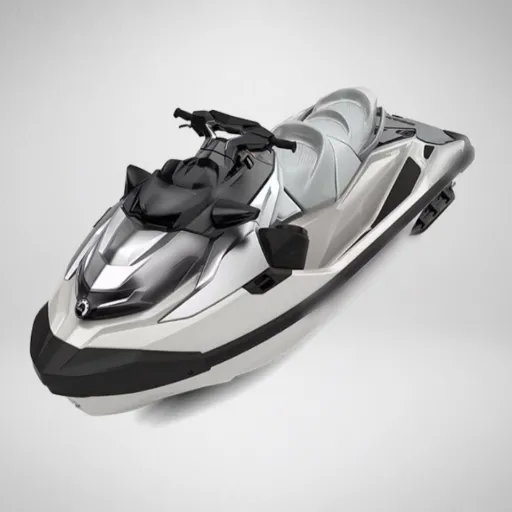
The term jet ski is synonymous with high adrenaline adventures on the water. However, whenever such thrilling things are happening, one might really stop to marvel at the work that has to be done by the machines in order to achieve such feats. Central to the jet ski is the engine, carefully and stringently designed to deliver speed, agility, and exceptional performance. Understanding how engines operate sheds light on proper maintenance and making judicious decisions when buying the correct model. This comprehensive guide will dissect how jet ski engines work, define major performance factors, and provide troubleshooting tips to elevate your jet ski experience.
Types of Jet Ski Engines
Two-Stroke vs. Four-Stroke Engines
Two-stroke engines are lighter and more powerful but less fuel-efficient and not eco-friendly, whereas four-stroke engines prove to be heavier and more complex, yet they efficiently promote environmental conservation while delivering reliable performance.
Benefits of Each Engine Type
Advantages of Two-Stroke Engines:
- Lightweight: Their uncomplicated build makes them extremely lightweight, thereby improving speed and agility on the water.
- Better Power-to-Weight Ratio: They produce more power in proportion to their size, providing instantaneous acceleration and speed.
- Simpler Mechanisms: With simpler mechanisms, two-stroke engines are easier to maintain and repair for users.
- Economy: Less expensive to procure initially, making them ideal for first-time buyers.
- Compactness: Their small size allows for sleek, portable designs.
Advantages of Four-Stroke Engines:
- Fuel Efficiency: Four-stroke engines use less fuel per mile, reducing operational costs and environmental impact.
- Environmental Friendly: They produce fewer emissions per unit of fuel consumption, making them ecologically safer.
- Longer Life-Span and Fewer Repairs: These engines last longer and require fewer repairs, making them more cost-effective in the long run.
- Quieter Operation: Four-stroke engines are quieter and less shaky, enhancing comfort on the water.
- Higher Torque Capability: They generate more torque at lower engine speeds, delivering better performance in choppy waters.
How Jet Ski Engines Operate
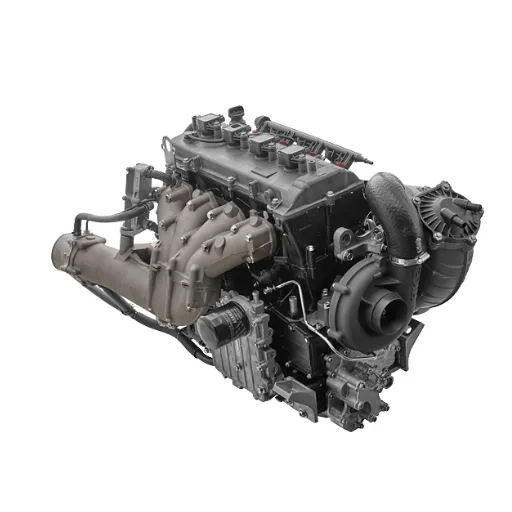
Basic Mechanics of Jet Ski Engines
Jet ski engines commonly use internal combustion principles similar to car engines, although designed to perform effectively in a maritime environment. The engines intake air and fuel into their combustion chambers within the cylinders, compress the mixture, then ignite it with a spark plug. This combustion produces energy that pushes the pistons through the engine and drives the jet propulsion system. This propulsion system sends water out of the jet ski through an outlet nozzle located at the back of the vessel with immense pressure, thrusting the jet ski forward at an alarming rate.
Most modern jet ski engines fall into two categories: two-cycle and four-cycle engines. The attractiveness of two-cycle engines lies in how they are lightweight and have greater power-to-weight ratios. Given these characteristics, they are usually designed for performance-oriented models. However, they consume fuel much faster with higher emissions. On the contrary, four-cycle engines favor fuel efficiency and environmental compliance—they are much quieter, more fuel-efficient, and cleaner in terms of consumption. These are nowadays an industry standard for their high level of reliability and environmentally-friendly design.
The intake-and-impeller system is another critical feature of jet ski mechanics. The intake grate situated beneath the jet ski attracts water and brings it to the impeller, a rotating blade system. The impeller blades pressurize the water, which is forced through the jet nozzle. The bow of the jet ski becomes maneuverable by adjusting the angle of the nozzle for turning and increased agility. The precision control granted to the rider by these systems, when complemented with Electronic Fuel Injection (EFI) and Engine Management Systems (EMS), ensures that jet skis maintain powerful performance without sacrificing quality and efficiency.
The Role of the Jet System in Performance
The jet propulsion unit greatly enhances the overall performance, responsiveness, and maneuverability of the jet ski. The engine and the jet work together to provide the power necessary to operate efficiently at high speeds under various water conditions with proper handling. Here are the most important aspects of a jet propulsion unit and their influence upon performance:
🚀 Thrust Generation
The jet propulsion unit forces water in through the intake and accelerates it with the impeller, resulting in expulsion through the nozzle. The amount of water ejected and its speed determines the forward motion of the jet ski and its top speed.
🎯 Maneuverability
The nozzles can rotate sideways under most circumstances, affecting ship control and maneuvering. These are significant advantages for tight turns and short distance operations.
⚡ Efficient Use of Speed
Advanced hydrodynamic designs significantly lower drag resistance, subsequently enhancing speed yield. This aids with smooth acceleration and extended speed treatment in varying conditions.
⛽ Fuel Efficiency
New jet designs secure the most efficient distribution of water within the system, preventing unnecessary engine wear. These fuel-saving operations coincide with greater overall power output.
🛡️ Safety Features
The jet system keeps away from any exposed propellers, minimizing potential harm to riders. Distinguished safety advances include braking with reverse thrust systems, achieving satisfactory safety levels for docking or coasting near hazards.
Understanding Power Output and Efficiency
Power output and efficiency are important considerations in jet ski engines with significant implications for performance and user experience. Modern jet skis are exclusively powered by highly advanced four-stroke engines that can produce substantial horsepower while maintaining fuel efficiency. The current best-performing models produce over 300 horsepower for exceptional speeds and accelerations without excessive fuel consumption.
The efficiency of jet skis has been further enhanced by design advancements including lightweight components, super-tuned combustion chambers, and Electronic Fuel Injection (EFI) systems. EFI has not only ushered in excellent fuel economy but has also contributed to consistent power delivery by making precise adjustments to the air-to-fuel mixture. Simultaneously, innovations in hydrodynamic hull design reduce drag to support better efficiency in power provision.
⚠️ Factors Affecting Performance
Environmental considerations matter in power and efficiency alongside design factors. Key factors include:
- Water conditions and environmental factors
- Driver weight and riding style
- Wear and damage to engine components from irregular maintenance
- Oil-level inspection and timely replacement of faulty engine components
Regular maintenance ensures normal functioning and guarantees optimal power and efficiency.
Routine Maintenance for Jet Ski Engines
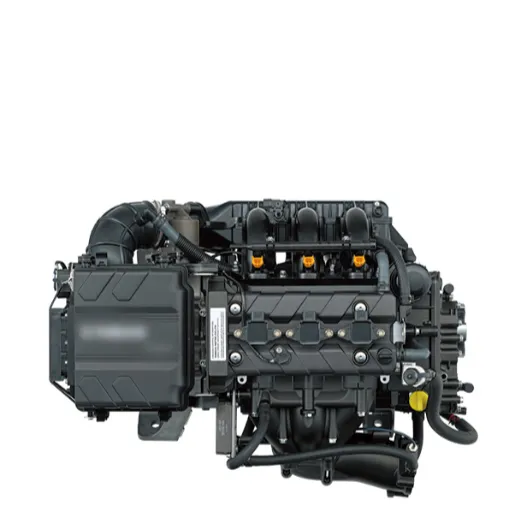
Cleaning and Care Tips
Meticulous cleaning procedures and care for the jet ski engine are essential for longevity and consistent performance. After every ride, the jet ski should be thoroughly rinsed with fresh water on the exterior to remove salt, sand, and debris that might cause corrosion or surface damage. Focus particularly on cleaning the cooling system inlets—saltwater can build up here and block these passages, affecting the engine’s capability to regulate temperature. Using a marine-grade cleaner may further facilitate the breakdown of tough dirt without damaging the finish.
Another crucial post-ride maintenance job is flushing the engine, especially necessary after operating in salt water. The best way to handle this task is to connect a hose to the flush-connect port (normally on the jet ski) and let clean water from a garden hose flow through the engine to remove salt, sand, or dirt. Avoid over-flooding the system and damaging engine components by following the manufacturer’s guide. Allow the engine to run briefly while flushing to cycle the water for best results, ensuring the engine is free from any residues that might cause serious harm.
✅ Essential Maintenance Checklist
- Rinse thoroughly with fresh water after each ride
- Flush the engine to remove salt and debris
- Check and clean air filters regularly for optimal airflow
- Inspect fuel system and use stabilizer for long-term storage
- Monitor coolant levels in closed-loop cooling systems
Timely checking and clearing of air filters is essential for ensuring optimum airflow to the engine. Clogged and dirty air filters rob power and might lead to engine overheating or poor running. Similarly, keeping the fuel system in good shape with a stabilizer is beneficial if the jet ski is being stored for an extended period. These various care measures not only enhance your watercraft’s performance but also help catch potential defects before major troubles appear, potentially saving considerable time and money on repair costs.
Importance of Regular Oil Changes
Regular oil changes are absolutely critical to your jet ski’s engine health and performance. The oil in the engine acts as a lubricant, reducing friction and delaying wear and tear of internal parts. Nevertheless, over time, the oil degrades, losing its functionality and viscosity while becoming contaminated by dust and other particles. Neglected oil is no longer effective in preventing engine damage, which could translate to high repair costs, or worse, permanent damage or total engine failure. Regular oil and filter changes ensure that the engine is well-lubricated and functions optimally.
Clean, fresh oil also plays a crucial role in temperature regulation. Degraded oil containing particles blocks heat dissipation, increasing the chances of overheating. Particularly for jet skis, which are normally used at high speeds and under massive loads, maintaining the correct engine temperature is vitally important. When you maintain a steady oil change schedule, you can expect to avoid overheating and maintain high efficiency on every ride.
🔧 Oil Change Guidelines
Recommended Frequency:
- Every 50 hours of use
- At the beginning of each season
- Variables include oil type, jet ski model, and usage intensity
- Synthetic oils may have longer lifespans than conventional oils
Always refer to the owner’s manual and follow maintenance suggestions to ensure prime condition for your jet ski, increasing its lifetime and leading to greater pleasure on the water.
Seasonal Storage Best Practices
Proper winterization is extremely important for jet ski maintenance. Start by cleaning the watercraft exterior for dirt, salt, and other residues that could lead to corrosion and damage. Flush the engine with clean water to remove any salt water or contaminants that could have entered during use. After complete cleaning, allow the unit to dry properly to avoid moisture accumulation, which leads to mold and rust.
📋 Complete Winterization Steps
- Clean thoroughly: Remove all dirt, salt, and residues from the exterior
- Flush the engine: Run clean water through the system to remove contaminants
- Fuel system care: Fill the tank with gas and treat with fuel stabilizer
- Oil and filter change: Lubricate the engine with fresh oil and a new filter
- Battery maintenance: Remove battery and store fully charged in a cool place
- Proper covering: Invest in a high-quality, custom-fit cover
- Storage location: Use climate-controlled conditions or hang off the floor
Concentrate on the fuel system by filling the tank with gas and treating it with fuel stabilizer before putting the jet ski into storage. This will also lubricate your engine. Change to fresh oil with a new oil filter—both will help prevent internal wear and contamination during storage. Remove the battery and store it fully charged in a cool place to maintain its lifespan and forestall deterioration during cold weather.
Finally, invest in a high-quality, custom-fit cover for your jet ski model for better protection against dust, sun, and other related damages during storage. If possible, store it under climate-regulated conditions or hang it off the floor to avoid exposure to moisture-soaked floors or pests. By protecting your jet ski with these best practices, you will surely find it ready to operate again next season.
Troubleshooting Common Jet Ski Engine Issues
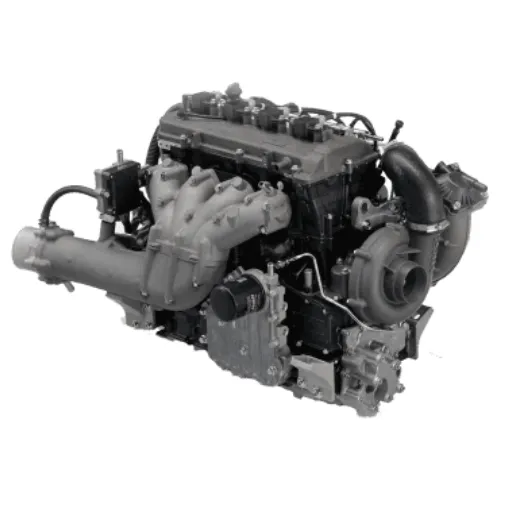
Identifying Overheating Problems
Overheating is a common issue numerous jet ski owners face, which considerably hampers the craft’s performance and possibly causes internal damage if left unresolved. One of the clear signs of an engine running too hot is receiving a warning signal or hearing a beep on the jet ski control panel, indicating that the engine is now operating beyond the optimal temperature range. Typically, the issue is that the cooling lines get completely gummed up and consistently fail at providing water circulation to cool down the hot engine. This usually occurs due to the line getting blocked by debris such as sand, seaweed, or dirt, impeding flow and reducing efficiency while increasing the risk of engine damage.
🌡️ Common Causes of Overheating
- Blocked cooling lines: Sand, seaweed, or dirt impeding water circulation
- Defective impeller: Bent, worn out, or clogged by debris
- Low coolant levels: In closed-loop cooling systems
- Worn hoses: Deteriorated or damaged cooling system hoses
As another root cause, overheating can arise from a defective or damaged impeller. The impeller is key to ensuring full intake and flow of water to the engine. If it is bent, worn out, or blocked by debris, the cooling system’s water supply could be hampered, causing the engine to overheat. Regular inspections and cleaning of the impeller and removing debris can prevent this situation. Low coolant levels in a closed-loop cooling system are potential sources of overheating since insufficient coolant amounts lead to poor heat absorption and dissipation. Regular maintenance and inspection to replenish coolant solve this problem.
🔧 Immediate Action Steps When Overheating Occurs
- Shut off the engine immediately to prevent additional damage
- Check for blockages in the cooling system
- Wash out deposits in intake lines using a hose
- Inspect the impeller for damage and replace if necessary
- Monitor coolant levels and refill as needed
- Keep cooling passages clean and inspect hose wear regularly
By keeping an eye out for potential problems and addressing them early on, you can ensure your jet ski engine operates at peak performance while minimizing costly repairs.
Diagnosing Power Loss in Jet Ski Engines
Power loss in a jet ski engine can be caused by multiple reasons, which are mostly linked with key engine components and fuel delivery systems. One of the primary reasons for such symptoms is a clogged or dirty fuel filter restricting proper fuel flow, impairing overall performance. Equally, if the spark plug is dysfunctional because of fouling or wear, an incomplete combustion pattern may prevent the engine from delivering power. Another source of concern is an impeller damaged or blocked when foreign material gets stuck, acting against water propulsion and crippling the jet ski from moving at decent speed or responding properly.
⚙️ Fuel System Issues
- Clogged fuel filter
- Carburetor corrosion or deposits
- Fuel injector problems
- Poor fuel-air mixture
🔌 Ignition Problems
- Fouled spark plugs
- Worn spark plugs
- Low battery voltage
- Poor electrical connections
💨 Air Intake Issues
- Blocked air filters
- Partially blocked intake
- Damaged impeller
- Foreign material blockage
It’s important to stress inspection of the intake system, where the engine can become lethargic if the airway remains partially blocked. Similarly, corrosion or deposits in the carburetor or fuel injectors can disrupt the fuel-air dynamics, leading to poor power production. Multiple power interruptions like low voltage at the battery terminal or poor electrical connections will diminish spark strength further.
Regular diagnostics and routine maintenance procedures keep the engine in fine-tuned working condition, immediately addressing any possible issues. If unsure, consult the manufacturer’s specifications or seek professional assistance to prevent further engine deterioration due to neglected problems.
When to Seek Professional Help
It’s important to seek professional help when engine issues go beyond simple diagnostic procedures or standard upkeep. For instance, if after verifying that the fuel-air mixture and spark ignitions are properly functioning, the engine still fails to start, this usually necessitates higher-level diagnostics that require specialized equipment and expertise. Additionally, any strange auditory sounds, unusual vibrations, or dismal performance are clear signs that professional intervention is needed.
🔍 Signs You Need Professional Assistance
- Engine fails to start after basic troubleshooting
- Strange noises or excessive vibrations during operation
- Persistent performance issues despite maintenance
- Need for warranty-protected repairs
- Complex systems requiring specialized tools (fuel injection, electronic control units)
- Time constraints or lack of technical expertise
Engine work often involves intricate complex systems that are liable to severe and expensive errors if subjected to interference by unskilled hands, particularly in areas like fuel injection or electronic control units. Professionals have the expertise and specialized tools to remedy these predicaments while respecting the manufacturer’s warranties. Professional help saves time and provides clarity—technicians can quickly diagnose problems and arrive at the right solution, allowing you to return to enjoying your watercraft with confidence.
Buying Guide for Jet Ski Engines
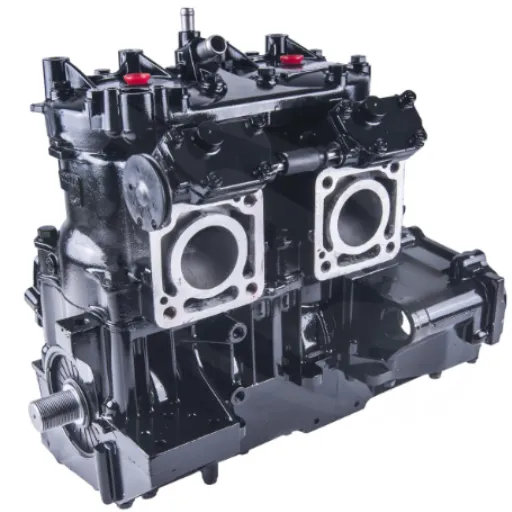
Recreational vs. Competitive Use: What to Choose?
Recreational jet skis are versatile, stable, and ideal for family fun, whereas competitive jet skis are performance-oriented, designed for speed and agility in races. Understanding the differences helps you make an informed decision based on your needs.
Factors to Consider When Choosing a Motor
Determining which motor is best for your personal watercraft (PWC) hinges on several key considerations to ensure it meets your requirements effectively. First among such factors is the intended application. Performance demands shape how jet skis are built—recreational models prioritize comfort and versatility, whilst competitive options focus on speed and acceleration. Race-oriented models feature motors capable of running at maximum RPM continuously, though they require more intensive maintenance.
⚡ Horsepower Considerations
Recreational Use:
Moderate-HP engine: 60-130 HP for general cruising and water sports
Competitive Use:
High-performance engine: 150+ HP for high-speed thrills and racing
⚠️ Note: Greater power typically brings increased fuel consumption. Balance riding pleasure against overall operational costs.
Durability and reliability are essential in engine selection. Water conditions—whether saltwater or freshwater—play a significant role. If you’re operating in saltwater, the corrosive properties make durability even more critical. Select a motor from a manufacturer with a reputation for reliability and fewer maintenance issues. Look for comprehensive warranties and strong after-sale support, which provide added security for the long-term value of your investment.
📝 Key Selection Criteria
- Intended Application: Recreational leisure vs. competitive racing
- Horsepower Requirements: Match power to your performance expectations
- Fuel Efficiency: Consider long-term operational costs
- Environmental Conditions: Saltwater vs. freshwater compatibility
- Manufacturer Reputation: Research reliability and support
- Warranty Coverage: Comprehensive protection for your investment
- After-Sale Service: Access to maintenance and repair support
Through studying these considerations and balancing them with reasonable and reputable sources, you can develop a selection pattern that delivers optimal performance and pleasure on the water.
Frequently Asked Questions (FAQ)
📚 References
-
National Park Service (NPS): Information on two-stroke PWC engine regulations, including environmental impacts and usage rules.
- Click here to read more.
🎯 Final Thoughts
Understanding jet ski engines is essential for anyone looking to maximize their watercraft experience. Whether you’re a beginner exploring recreational options or an advanced enthusiast seeking competitive performance, proper knowledge of engine types, maintenance requirements, and troubleshooting techniques ensures optimal performance and longevity.
By following the guidelines outlined in this comprehensive guide—from regular maintenance schedules to proper winterization—you’ll protect your investment while enjoying countless hours of thrilling adventures on the water. Remember, a well-maintained jet ski engine is the key to safe, reliable, and exhilarating water sports experiences.