Enjoying the thrill of riding a jet ski requires attention to safety first and the proper functioning of the ski. One of the most important considerations before heading to the surf is the ski’s weight limits. Knowing the weight limit isn’t just for technical purposes; it’s for the utmost safety of the rider and an all-round enjoyable experience. Be it a fully-fledged jet ski enthusiast or a beginner, the weight capacity and its influence on maneuverability, balance, and safety should be understood in order to make an informed judgment. This article details everything you should know about jet ski weight limits, starting from their importance to some tips for following safely within the boundaries.
Introduction to Jet Ski Weight Limits
What is a Jet Ski Weight Limit?
A jet ski weight limit pertains to the maximum weight allowable for any combination of total passenger beings and the cargo and gear that can be transported aboard that particular model of jet ski without compromising its safety. This weight limit is assigned by the manufacturer and comprises the vessel’s design, its engine power, and buoyancy. Strict adherence to this weight limit helps a lot in high performance, stability, and keeping everyone inside the ski safe.
Going past this weight can only make the operation of the jet ski harder, increasing the risk of the ski tipping over or capsizing. Increased stress on the engines could also lead to sooner mechanical breakdown or lesser efficiency. Staying within the acceptable weight ranges would benefit to protect the durability of the jet ski as well as save any potential accidents.
Important Note:
The weight boundaries used to refer to the weight limit in the manual on a label supplied by the manufacturer posted somewhere on the crystalline surface of the watercraft itself. The weight of the craft itself, passengers, and the wax, ropes, and ice chests must all be within these weight limits. Maintaining these upper limits should be a fundamental part of a responsible jet ski operator’s routine and contribute to making the trips safe and fun out on the water.
Importance of Knowing Weight Limits
Abiding by the weight limit specification of jet ski is crucial to safety and operation. Overloading a jet ski can cause instability, making maneuvering difficult and increases capsize risk. Further, it also puts undue strain on the engine, which can lead to mechanical issues over time or even permanent breakdown. Nevertheless, by staying within the recommended capacity, the rider ensures that the craft operates as it should and so helps prevent accidents in the water.
The manufacturers set weight limits as a result of extensive tests and are much more than mere numbers; they account for the craft’s displacement, engine power, and overall design. In other words, they provide a safety margin beyond what merely the weight of the pilot adds, flowing through while accounting for any passengers, gear, or batteries. Ignoring these limits is dangerous and quite possibly a violation of warranty as well as liability in case of accidental damage.
Ultimately, learning about the limitations and giving them respect will result in a more pleasant, smoother adventure on the water. Fuller jet skis, in reality, are quite a burden in controlling, less speedy, and less safe. The passengers could address eventual breakdown far earlier and immerse themselves in great fun and adventure. Checking to make sure that the weight limit is adhered to each time in advance will actuate a strong step to maintain safety and upright functioning during jet ski rides.
How Manufacturers Determine Weight Limits
To some extent, the weight limits of water scooters are a consequence of mathematical calculations, since manufacturers amalgamate all the existing engineering principles, safety regulations, and scrutinizing assessments. They take into account the present hydrodynamic interchangeability of jet-ski hull design, power of the engine, floatation, and, of course, pose a figure of the utmost weight that can bear the PWC all the while keeping its stability and performance in check. The crunching of these figures secures unwaveringly the functionality and safety of the PWC while working under the demanding conditions of full loading.
Key Manufacturing Process:
One of the most influential single steps towards the establishment of weight limits is related to the stability test. The method for testing jet-ski stability commonly employed is to load them with various weight capacities and experiment with the jerkiness of the buoyancy; different voracity and robustness indices might present with the variability of the washing frequencies. This testing scheme will ensure that the weights provided are factual and express the fact that the full warranty of any kind for safe working is operational.
Furthermore, the manufacturers adhere to marine safety organizations’ and governing bodies’ stipulated standards. These standards are for the assurance of consistent weight limits to fulfill universal safety requirement. By combining precise engineering, thorough testing, and strict adherence to regulations, manufacturers can provide accurate weight guidelines for riders to enjoy their experience. Safety is always kept on top priority.
Average Weight Limits for Different Jet Ski Models
Recreational Models
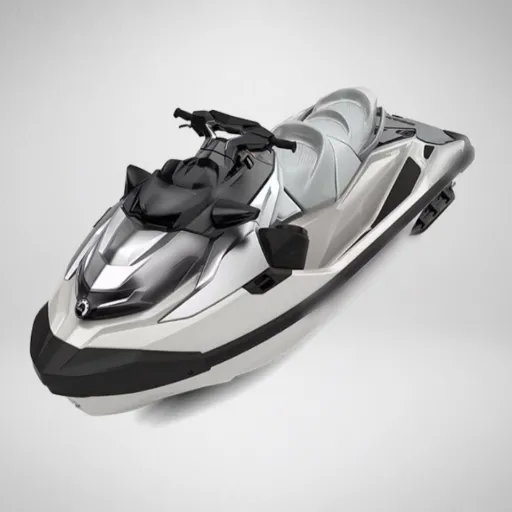
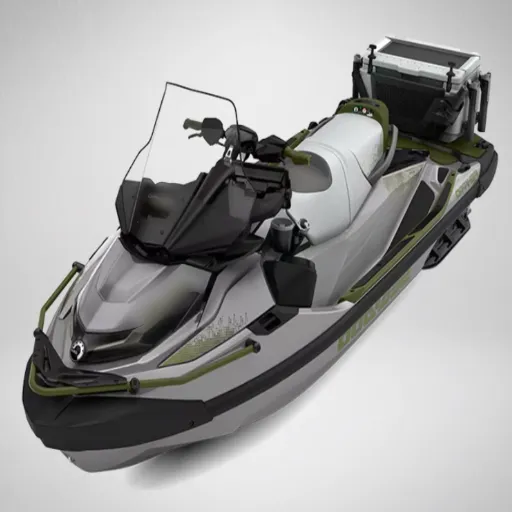
For those pleasure riders who want to just enjoy happenings on the waters, recreational jet skis rank right up with the best of them. Performance and relatively easy entry levels are one obvious combination in enabling the riders to enjoy a chunk of the fun, catering to the fact that these industrial toys generally come with weight capacities ranging from 400 to 600 pounds, depending on which brand or model you pick.
Designers of personal watercraft have to consider both stability and engine performance while calculating weight limits for leisure ships. When users load their jet skis beyond their loading capacity, the result is sinking or easy flipping-over. An overloaded jet ski is bound to have its engine groan under stress, leading to a shortened engine life expectancy. The manufacturer always advises users to stay way below the indicated weight limit for safer and more efficient handling. With this in consideration, other accessories that may add to bulk, such as life vests, fuel, and coolers, must be factored in.
Recreational Model Benefits:
- Perfect for family outings and picnics
- Great for water sports participation
- Ideal for leisurely beach cruising
- Easier to maintain and operate
Performance Models
High performance models are such models as afforded to people who are looking for speed, precision handling, and high technology. High-performance models usually boast powerful engines, delivering outstanding acceleration and top speed, often beyond 60mph. It features a larger hull for enduring some stability during high-speed operation; adjustable steering for better control; sport-tuned suspension in order to take high cornering for aggressive maneuvers. Therefore, experienced riders and performance jet ski enthusiasts are indulged in these models.
In addition, with regard to performance jet skis, it is notable for the cutting-edge technology used. A range of braking and reverse types are there in most of the models for the utilization of the throttle of the users to stop or alter their course very quickly and safely. For instance, users are to enjoy immediate, real-time data on the GPS navigation and digital dashboards, which are certainly the added attractions that boost the overall user experience and trip planning. Another forward-thinking area for manufacturers is green technology, with newer performance models also coming with engines to fully comply with the market’s latest environmental prerequisites, as well as offering good power.
Performance Model Maintenance:
Riders should at least, occasionally inspect the wear and tear-susceptible critical areas like impellers, cooling systems, and on-board electronics to maintain the optimal performance of the watercraft. Some components may need servicing when wear and tear from high-speed abuse accumulate. Again, a high-performance jet ski fetches a high price; the potential buyer must weigh the need for performance features, speed, or other aspects against the intended use, riding environment, and whether his budget makes befriending him or her to the idea.
Luxury Models
Luxury jet skis characterize comfort, style, cutting-edge technology when in the water. Such models are produced in a manner to cater to users who give preference to features of the high end and the ultimate experience in riding. The plush sitting and so much of storage space and anything- like touchscreen displays and integrated GPS- are small enough to be offered by luxury jet skis sailing on the water. There is also Bluetooth-enabled music to base a completely exclusive ride on, thanks to additional personalization options like the choice of custom lighting. They promise to yield the promise of a thrilling mix of performance and luxury, rendering unparalleled joy to one in quest of comfort and luxury.
Luxury Features Include:
- Intelligent brake systems
- Docking aid technology
- Keyless starting mechanisms
- Theft alarm systems
- Enhanced hull designs
- Advanced suspension systems
In spite of costing slightly more, luxury jet skis certainly bring returns – inimitably better, class with quality, than any other make. When choosing a luxury watercraft, considerations like maintenance activities, warranty, and payment-for-any-day resale gain the utmost importance. The luxury jet skis are great whirs of personal watercraft, arranging upmarket classes for the discerning enthusiasts, tastefully presented in the style-units; that combination of performance, functionality and ultra-modern features reveal high distinction.
Factors Influencing Jet Ski Weight Capacity
Size and Design of the Jet Ski
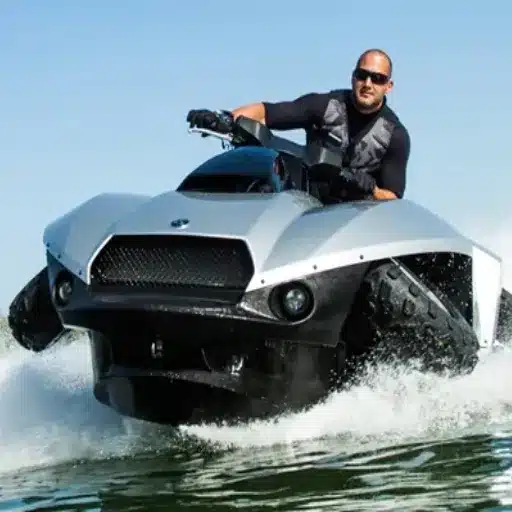
Jet ski size and design largely determine its weight capacity and overall performance. One can distinguish according to physical models into stand-up and sit-down. Stand-ups are preferred by solo riders and professional racers not only for their-two quickness and agility. Because of their size, the weight capacity also remains lower than that for sit-downs. The more plush and spacious sit-downs give chances for additional passengers and remain better suited for casual and extended fun. A higher weight capacity is a hallmark of such models and several other attractions like storage compartments, ergonomics seating etc.
Another significant point for consideration regarding weight capacity is the influence of designing trends on jet skis. Currently, manufacturers are emphasizing the use of advanced materials for achieving durability at a lesser weight increase for jet skis, including reinforced fiberglass and lightweight composite materials. Hull design, at large, is a critical consideration as it affects buoyancy and weight distribution. Wider hulls ensure more stability while raising the elasticity of the jet ski to higher loads. Moreover, the latest designs in this regard will have features like adjustable trim systems that inevitably augment the performance of a jet ski by encompassing modifications suitable for various water conditions and weight distribution.
Critical Design Consideration:
Design implications are power and layout, which determine the jet ski’s weight limit. Larger engines and high-performance jet skis are designed to take bigger loads at higher speeds. However, it is important to be conscious of the fact that exceeding the load can result in reduced performance, put stress on the hull or engine, or compromise safety. In consequence, an understanding of size and design on the jet ski, with a definite regard for manufacturer’s guidelines, is a necessity for an enjoyable and safe water experience.
Engine Power and Performance
The power and performance of a jet ski depends upon engine size, design, and tuning features. The most advanced jet skis today are of four-stroke engine variety, offering a balance of fuel efficiency and performance. Performance capabilities can vary widely, from the recreational models that come with engines producing 60 to 130 horsepower to performance models with engines that exceed 250 horsepower. This array of engine power tends to suit interest of the riders, from relaxed riders to cutthroat thrill-seekers. The main affair here is setting the horsepower that would be needed per unit user’s intended application like family recreation, towing water sports equipment or racing events.
Jet skis that have turbochargers or superchargers are known as high performance models for high power jet performance. The modifications boost power based on the model drawing a top speed of in excess of 70 mph. Power can reach very high levels when there is a supercharger aboard, and one tops to this demand that the operator can take good control. Maintenance has to be taken very seriously though since superchargers eat more fuel than engines without forced induction. For the conservative rider, selecting a standard engine on the same unit would give him the best option of enjoying his brand new toy.
Performance also depends on factors besides sheer horsepower-the design of the hull, the distribution of weight, and configurations of the drive train. A well-designed hull allows the craft to handle well at high speeds and in rough water conditions. Features like intuitive throttle control systems and variable trim help with precision turning and guarantee stability during the ride-take these into account along with engine output if one wants a jet ski that can perform to their expectations and provide a safe and manageable ride under various water conditions.
Intended Use: Solo vs. Multi-Rider Models
The weight capacity of solo waverunners typically lies between 350-500 lbs, while on the other hand, for two-rider craft, it is from 400-600 lbs for the weight of a passenger or cargo.
Risks of Exceeding Jet Ski Weight Limits

Impact on Performance and Handling
Exceeding the recommended weight limits on a jet ski can significantly affect its performance, both on water and out of it. Impaired handling safety can also be a concern, thus efficiency of the watercraft is compromised. Below are five main problems related to exceeding the weight limit:
⚠️ Five Critical Problems:
1. Incomplete and Uneven Speeds
Overloading of the jet ski increases resistance and strain on the engine, and this will decelerate its acceleration rates and lead to a slower top speed. This generally diminishes both the fun the machine gives and its capacity to respond effectively in an emergency.
2. Increased Unsteadiness
The boat is more inclined to tip when the center of gravity shifts abruptly and the weight becomes quite heavy, especially with sharp turns and high speeds. This jiggling acts as a hazard for the riders and passengers.
3. Bad Steering and Handling
Jet ski operation is diminished when the vehicle is overloaded. The extra weight serves to decrease the ability of the craft to comply with input and handle accordingly reducing safety abilities for the rider to have lesser chances in maneuvering in choppy water.
4. More Fuel Utilized
Increased speed is another factor of how fuel thus increases with higher loading. The extra power required to actually drag the speed makes the engine work more and more and this correspondingly burns with extra fuel. The wastage linked with this scenario does not only add to operational expenses, being a major factor that would restrict the fun, as you are not going to spend much time on water due to your fuel burning out quickly as compared to a normally loaded jet ski.
5. Wear and Tear Control
Operating the jet ski above its weight capacity would mean that the motor, hull, and all other transmission components are forced into functioning much harder than intended, so the damage will accumulate very quickly and result in costly damages in the long run. Continuously overloading could result in potential watercraft shortening of its life.
Safety Reminder:
To ensure good performance, safety, and longevity of the watercraft, the weight limits authorized by the manufacturer must always be followed.
Increased Fuel Consumption
Exceeding the weight capacity of a jet ski has a severe effect on fuel efficiency. Once the limit is breached, the cavitation engine might still carry out thrust, but the load skyrockets, thereby putting more demand on energy simply to accelerate more fuel consumption. Energy hanging added to the engine not only speeds up fuel starvation but also drags the engine closer to surrender because that added running time damages efficiency and performance considerably. Reports reveal that even minimal overloading can cut fuel efficiency, affecting the watercraft’s make and model-to as low as 15% to 20%.
🌍 Environmental Impact:
In addition to the obvious increase in fuel expenses, higher fuel consumption also causes environmental repercussions. More fuel consumption leads to more emission of pollutants that pollute the environment and are harmful to aquatic ecosystems. Watercraft usually play in environmentally sensitive areas; therefore, the behavior of jet ski operators is critical. There is, therefore, a strict need to ensure rider weight within limits specified by the manufacturer so that the engine performs in its most efficient range, thereby minimizing any wastage of fuel and environmental drawbacks.
In addition, insights on the weight and consumption of fuel can enable riders to better plan long rides or multi-day excursions. Packing light and spreading load across the jet ski result in better fuel economy and a longer duration between fuel stops. Consequently, sticking to weight limits and effectively loading the machine is not only about a general reduction of cost but also about better watercraft use in terms of sustainability and environmental responsibility.
Safety Hazards and Stability Issues
A jet ski is too precarious and unstable a mean of transportation to be piloted in disregard of safety guidelines or weight limits. One’s excessive loading would deny the craft its balance, increasing its possibility of flipping over, especially in severe wind or sharp turns. Heavyweight surrenders maneuverability, whereas good control commands considerable exertion, particularly when the jet ski is moving on the elevated speed. Trust is a very important issue in this regard, with the combined factors serving to increase the weight, while the weight is being unevenly distributed and caused to start tilting.
Relevant data from recent industry reports underlines how an unrestrained weight management problem is a leading matter of concern for jet ski boating accidents. Weight-conscious driving must take into account not only the operator’s weight but also any gear carried because even minute increases have the effect of substantially tipping the center of gravity and buoyancy of their watercraft. Regularly inspecting and maintaining the jet ski’s hull and components becomes an invaluable tool for thwarting the risks of stability. Additionally, being aware of local water conditions and respecting manufacturer standards for weight and usage could reduce accidents by quite a bit.
⚠️ Critical Safety Note:
By keeping track of growing trends and being cautious, the riders might ensure the safety of their lives and the life expectancy of their chariots away from home and on the water.
Practical Tips for Selecting a Jet Ski Based on Weight Requirements
Assessing Passenger Needs and Gear
Although the list of permit requirements is virtually the same in every country, it is earnestly necessary that individuals contact their local authorities for guidance on local laws and policies. Application procedures may take as long as three weeks to six weeks and require elements such as fees, forms, an identification photograph, courses, and a practical examination for aquatic enforcement officers.
Certainly, it is likely that the permit policy may differ marginally from one state to the other. Some countries necessitate a permit for those over a given age yet exempt those under this age. Also, in some regions, the start of life jackets policy may also be different. Work with the local wildlife division to recognize such laws relevant to jet ski policy.
💡 Pro Tip:
Reviewing the manufacturer’s recommendations for weight distribution ensures that excess weight and a lopsided ride are prevented. Of course, you will have to do some planning in other areas to ensure that comfort and safety are prioritized, so that the jet ski operates its best under the specific usage conditions you place upon it.
Storage Considerations During Outings
When scheduling a jet ski trip, it is imperative to think about just how much storage space will affect convenience and safety. Today, many modern jet skis have built-in storage compartments, which can be used to store all the essentials that ensure a safe sea voyage: safety gear, precautionary foods and water. Taking advantages of these compartments will keep your must-have objects dry and secure, so that they will be prevented from falling into the waters while on your fun trip. Make sure the compartments are really sealed properly; even the tiniest seam can let water pass through, destroying everything inside.
When planning on longer sea outings, previously named container options would dramatically increase your ship’s storage capability. Some PWCs are able to accommodate rear platform-mounted storage accessories, which can prove convenient for transporting a lot of equipment like fishing gear, snorkel gear, or even extra fuel for longer rides. However, careful weight distribution should be a consideration when using such storage. Overworking the stern with too much weight may make the craft unbalanced and a little unstable, which, in rough water, may prove dangerous.
🌱 Environmental Responsibility:
Another factor to remember is the environmental impact that your storage arrangement will bring about. Please strive to avoid using single-use plastics and other items that may float or be lost in the water. Opt for a more eco-conscious choice, like a stainless steel water bottle that is reusable and a container that is durable. The right choice will help in saving marine ecosystems and undeniably prepare you better for fun and green trips. Some well-thought-out storage plans usually make a jet skiing trip safer and more efficient while still being environment-friendly.
Choosing the Right Model for Your Riding Style
The performance and intended use will typically determine what jet-ski model is right for you. For me, I think the journey of deciding on the jet ski itself just begins with how I am otherwise going to ride for most of the time (comic relief). If I just love speed and sharp turns, then it becomes essential to go for a performance jet ski model with a little more power and handiness. On the contrary, if apologizing for really getting into the fun of whiling away the afternoon riding instead of thinking about needing more comfort, I prefer sport/touring or touring models, which are meant to be put into real utility, like enduring sports.
The other factor that I find too important comes to how many passengers can the designer accommodate. There were PWCs that were meant for lonely cruises while others could manage two or even three aboard-there very well on three in comfort. It is my practice that most of the time I make a selection on the basis of the size and load-carrying capability in case for the times I intend to have company. Passenger capacity is important to the jet ski. Cargo is also included, for I am indeed going to be traveling with any necessary gear or personal belongings.
🎯 Selection Checklist:
- Fuel efficiency considerations
- Safety gadgets and features
- Technological advancements (GPS, music player)
- Environmental impact (eco-conscious designs)
- Personal preferences and riding style
I last consider fuel efficiency, safety gadgets, and such other accessories that go hand in hand with my requirements. I often look for model units that, at the very least, would include technological advancements for making everyday use more efficient (e.g. GPS navigation, music player, etc.). For ecological adventurers similar to getting myself fed up with such situations, some jet skis provide designs that feature the least influence over the environment, promoting their eco-conscious spirit. By selecting a model with pinpoint preferences in this way, I quite possibly choose a jet ski that brings a lot of adventure to endorse my tastes and demands.
References
- Electric Powered Jet Ski– Discusses weight distribution and limitations in jet ski design, available through Worcester Polytechnic Institute (WPI).
- Innovating the Electric Jet Ski – Explores weight-to-horsepower ratios and other limitations in jet ski performance, also from WPI.
- Click here to read more.
Frequently Asked Questions (FAQ)
❓ What weight limit jet skis come in general for the use of watercraft?
Weight limits vary according to models for watercrafts but are generally around 350 to 600 pounds for most recreational personal watercrafts which will include riders, fuel, equipment, and any passengers as well according to your owner’s manual.
❓ How is a jet ski’s weight limit necessary for both performance and safety?
With the weight limit influencing the behaviour of a jet ski on water, excessive weight may result in a loss of speed, reduced responsiveness in steering, a higher chance of swamping, and potential injury; meanwhile, maintenance of the weight limit underlines that jet ski riders are more secure and completes the craft’s manipulation as intended.
❓ Can one exceed the weight limit if the required distance traveled is short?
Legal or otherwise, it is preferable not to exceed the stated weight limit. And, going over the weight capacity without upping the engine power may compromise stability, increase the risk of capsizing, and could void the warranties or insurance policy; the owner’s manual is the final seal of the capacity.
❓ How do I figure out whether the limit includes fuel, oil, and equipment?
The limit includes fuel, oil, life jackets, and any gear on board; the owner’s manual or manufacturer specifications will answer exactly what is counted, so when you’re loading gear you should subtract those weights from the total capacity.
❓ What if I want to tow a tube or attach a tow rope-does that change the weight considerations?
Towing a tube or attaching accessories doesn’t change the maximum weight the craft can carry but it does change handling and increases loads on the engine; you’ll have to consider the additional stresses generated and ensure the tow setup is secure and within manufacturer advice so as not to strain above safe limits.
❓ What are some safety hints or advice if concerned about the weight limit on jet skis?
Always wear life jackets while jet skiing. Distribute weight conscientiously around the machine, corner gently when loaded, and ensure that the machine is not overloaded with passengers when contents are checked quickly for oil and fuel levels. Such precautions can reduce the likelihood of injury and ensure that you are compliant with laws and manufacturer recommendations.
❓ What should I do if I am in doubt about my boat’s limits and want to find a solution for taking the least risk?
You should ask your vehicle’s manual but also consider the net operator’s weight as well as that of all passengers aboard and err, if need be, on the side of less load. If you’re considering putting on some extras like coolers or dry bags, then break them up, one load after another, or leave them at home instead of risking overflowing—follow manufacturer recommendations so as to prevent damage and legal difficulties.
🌊 Stay Safe on the Water!
Always prioritize safety by adhering to manufacturer weight limits, wearing proper safety gear, and conducting pre-ride inspections. Your safety and the longevity of your jet ski depend on responsible operation!