No one may question the importance of the impeller in the performance of your Kawasaki JS440, as it directs your PWC’s speed, thrust, and overall efficiency. Whether you are a novice learning the ropes of jet skiing mechanics or an avid fan who wishes to get the best performance from your ski by fine-tuning it, the impeller is your port of call to provide an answer. This article broadens your knowledge of the Kawasaki JS440 impeller by tackling performance, key parts, and potential enhancements. By the end, you could well enhance your mastery of enhancing your ride and synergise well with other decisions made to increase your jet ski’s efficiency. So buckle up! As we investigate how this seemingly small and magical component becomes so important.
Overview of the js440 Impeller
What is the js440 Impeller?
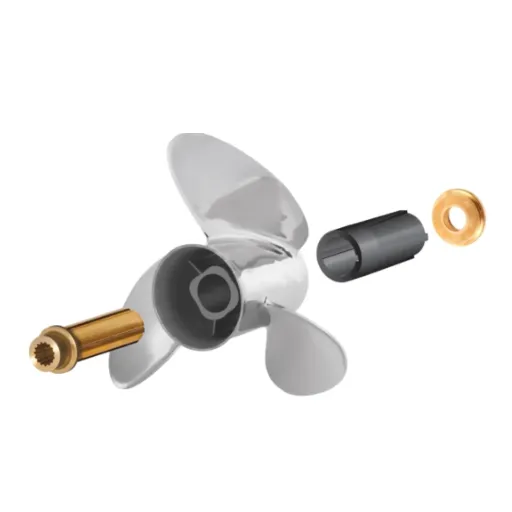
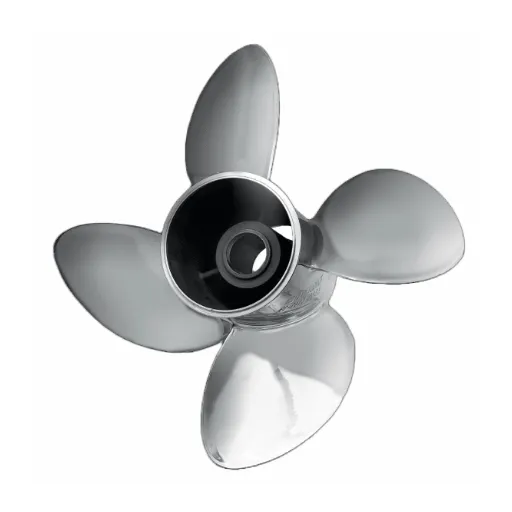
The JS440 impeller is the critical heart of the Kawasaki JS440 Jet Ski. It is this one component that propels the Jet ski through water. By drawing in water and forcefully expelling the same water, the Jet Ski therefore moves forward. This impeller produces thrust, accelerates the jet ski, allows the jet ski to steer, and maintain speed for it to make its way on water. Playing a starring role similar to that of a car’s transmission but transacting horsepower into moving forward.
With precision in design and durability construction, the impellers of the JS440 are fairly synonymous to wear and tear. The material most commonly used for JS440 impellers of precision design and durability is corrosion-resistant either in stainless steel or aluminum alloy for smooth sailing without as much trouble in harsh aquatic environments issued by salts or debris-filled waters. The specific design of the impeller, including rake and pitch, affects its efficiency and performance; this means that it can function with either higher speeds or better acceleration.
Key Insight
Different impeller shapes can be employed to upgrade or replace the stock impellers. The advantages of pitch styles can be numerous, starting with the riders’ intention, such as racing or recreational use. By replacing or re-pitching stock ones, the better-leverage impellers will allow riders to get smooth handling, get-up-and-go, and greater top end, as well as the higher RPMs they desire. This makes the impeller a critical element riders must understand and maintain.
Key Features of the Kawasaki js440
Kawasaki stands out as the most iconic stand-up personal water craft, known for its reliability and good performance on the water. As the highlights of such kind, the 436cc two-stroke, single-cylinder engine comes to the mind instantly that provides enough power for fun. With its power characterized by an excellent balance between durability and efficiency, this engine becomes a popular choice for riders at any level—from beginners to experts. Furthermore, with its lightweight hull design, it provides superb agility and maneuverability, which will ensure that riders will have a smooth drive over a range of different sea conditions.
It is the simplicity and ease of maintenance that make the JS440 stick out. The design is quite simple and hence servicing and repair are also quite facile compared to most advanced models. The JS440 excels in its simplicity, making it easy to service because readily available replacement parts are a part of this jet ski community for an eternity. This ski features a riding tray that can be adjusted for each rider’s preference, thereby ensuring the optimum blend of comfort and flexibility necessary for a variety of riding styles.
Finally, the Kawasaki JS440 is equipped with a dependable fuel system which ensures excellent performance in all sorts of water rides. Thanks to its small build and light weight, it is easy to load and transport. These qualities combined with a reputation for tough construction make JS440 a quintessential racer for water sports enthusiasts. With its characteristic features, this beauty remains an eternal choice for pleasure cruising and high spirited stand-up riding for those in the game for water fun.
Importance of Impeller Performance
It is the impeller that is really an important consideration in relation to any jet ski as it directly affects the performance you receive, speed, and efficiency. If they are taken to serve as the heart of the propulsion, they transform the engine’s power into thrust, the thrust in the water moving the jet ski. Using the impeller on the jet ski as fully as possible from the beginning is known to be very helpful. There is smooth acceleration and reliable steering control of the jet ski used for a recreational upgrade or a competition.
⚠️ Important Warning
An inefficient or ineffective impeller can seriously affect the performance of the jet ski. This impairs cavitation, hence causing loss of speed or fuel to be consumed ineffectually, definitely causing the impeller to be wasted or damaged. Regular inspections and maintenance extend the life of the watercraft and provide consistent performance.
Impeller upgrade kits can offer the benefits of increased top speed and acceleration, especially for those seeking serious riding experiences. To ensure the best performance for the impeller, you need to choose the correct type based on your Jet Ski model and what you plan on doing with it. Larger impellers push more water at low speeds and are perfect for punchy jumps, but smaller ones increase speed benefits. In order to have fast yet more reflective apparatus, the craftsman requires suitable tools in order to manufacture the impeller by using suitable materials, such as stainless steel components; this can lead to improvement in the impellers’ serviceability and better behavior about wear and corrosion.
Components of the js440 Pump System

Overview of the Pump System
Moving the personal watercraft through water, the pump system of the Kawasaki JS440 jet ski is of primary importance. The system suctions seawater that is recirculated in the pump system through the suction grate. This water is accelerated by a high-performance impeller. This flooding water then comes out in a superpower jet stream on the back-end due to the impeller-wearing-out effect of the pump nozzle, pushing the watercraft forward. This thrust along with the jetpack propulsion allows performance and maneuverability for the rider to be controlled for a smooth hydroplaning journey. The pumping system is more like the heart to the jet ski, converting engine power to very precise and efficient motion.
In compact design, the JS440 Jet Pump system shines among other Jet Pump systems; it’s the best performance in a reliable package. The materials used for this pump system would involve an impeller made with a degree of maritime-grade material like hardening stainless or aluminum, which resists the wear and corrosion caused by elongated use under water. The pump that houses therein has high-pressure resistant parts to counter the cavitation that hinders the pump’s ability to function properly. It’s important to carefully conduct a complete check, clean the water intakes, regularly maintain the system, and ensure its proper alignment so that it can perform flawlessly because it might lessen efficiency if debris or wear and tear develop over time.
Jet ski enthusiasts often opt for aftermarket performance jetting to further enhance the pump system’s capabilities in order to meet their own performance requirements. Going from high-pitched impellers for higher speed and thrust to fine-tuned stator vane profiles to ensure the maximum force from the water, these performance tuning accessories are practically myriad. You also should keep a watch on damages and alterations to performance. Actual performance deterioration must be evident: even the smallest inefficiency produces notable effects. In short, the operation must be cautiously maintained and also care for the system, as it is powerful and unaffected and eventually increases members’ user satisfaction.
Role of the Impeller in the Pump System
The impeller, within a pump system, is most critical in pushing a vessel from behind. This component relies on its design and condition to influence the performance and efficiency of every system part. It works by accelerating water in the pump housing in an attempt to create a force to transmit the craft through water. The following five chief details and data points capture the roles and significance of the impeller:
Understanding these finer details will provide us with the right selection, maintenance, and use of the impeller, revealing its essential role in the pump system to ensure the fast and forceful operation of the watercraft.
Common Parts Associated with the js440
The JS440, a personal watercraft Kawasaki widely supports, comes to be the work of numerous critical components that together add to the motorcycle’s performance and reliability. Below are some of the regularly installed parts related to the JS440:
- Engine
At the heart of the JS440 lies a two-stroke engine, revered for its durability and for not being too complicated to work on. Proper care and maintenance such as maintaining the engine properly with quality fuel and oil will grant it more life and use. - Carburetor
This device works as the fuel-air mixing ignition. Pointed as one of the major components, it does have the task of regulation of the mixture. Regular servicing and cleanup will keep it from amassing calcium, water-dashed bits, and any other form of blockage that would hamper maximal running of this fine machine. - Impeller
The entire kinetic energy produced by the engine is turned into forward thrust in water by this impeller. Inspect it once in a while for any dents or asymmetrical behavior. - Pump Housing
Usually, this is an enclosure for both the impeller and nozzle assembly. Inspection is required for any fractures in it for the flow of water starting from there majorly. - Exhaust System
The exhaust system helps in reducing noise pollution and channelizing gases properly for implementation. Inspections are necessary to prevent blockages or leakages that could have a detrimental impact on engine performance. - Hull and Handlebar Assembly
The fiberglass hull is light for effortless maneuvering and complemented with handlebars ergonomically designed for control and stability while in operation. - Ignition System
The ignition system, complete with CDI unit and spark plugs, ensures that all start-ups are smooth and full of power. Regular checks on the condition of the spark plug are essential for an efficient combustion. - Cooling System Components
Watercrafts, such as the JS440, work on water-cooling systems. If the cooling lines and passages remain cleaned, such a system will always work consistently.
These elements are part of the completion of Kawasaki JS440 performance. Care integrated into good substitute parts whenever necessary ensures that this durable and robust watercraft performs excellently.
Troubleshooting js440 Impeller Performance Issues
Signs of a Failing Impeller
🔍 Warning Signs to Watch For
Performance Decline
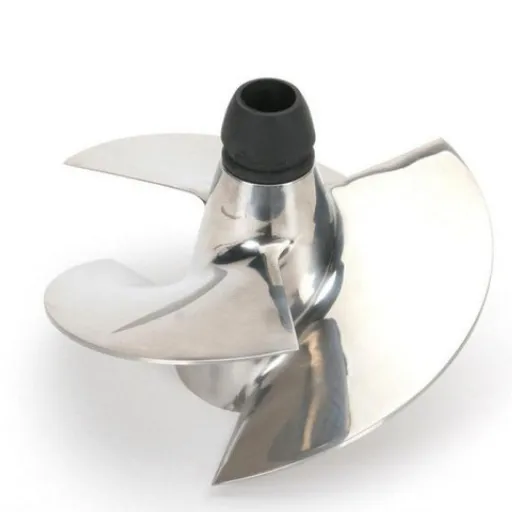
One common sign of a bad impeller on the Kawasaki JS440 is a visible drop in overall watercraft performance. If you see a drop in performance, for example, lower top speed or slower acceleration, this situation shall indicate a damaged, worn, or obstructed impeller. Further, it puts additional strain on the engine when efficient water flow is restricted as it makes the engine work harder to deliver power and can result in overheating or lower fuel economy.
Cavitation and Vibration
Another pointer is that the watercraft does not perform right and cavitating and vibrating are too much when on the move. Cavitation occurs when air bubbles form around the impeller, breaking the smooth water flow. The cavitation of various intensities can be the result of an impeller that is worn out, misalignment of parts, or pump-housing damage. This abnormal vibration messes up both engine parts and rider comfort.
Unusual Sounds
Having clicking or buzzing sounds can also mean impeller issues. This might be caused by physical damage to the impeller blades, like chips, cracks, or bends. Thus, to maintain peak performance, regular visual assessment is required to look for signs of worn edges or any foreign objects lodged in between blades of the impeller. Addressing these problems at an early stage ensures smooth operation, and harm to the cooling system and engine is substantially reduced.
When to Replace Your Impeller
💡 Expert Recommendations
You should replace your impeller when you notice any drops in system cooling performance or noise uncommon for your water pumps. These are usually the first signs the impeller may be worn or have some damage. Make it a routine to inspect the impeller often; if your impellers bear visible damage, cracks, bends, or excessive wear on any of their blades, replace it straightaway so they don’t develop into bigger problems.
Also, observe the manufacturer’s recommended replacement intervals for the impeller, even in the complete absence of any problems at all. This is a beneficial move by way of advance action to resolve any failure later and safeguard the system’s safety. The manufacturer often recommends having this replaced annually; however, it depends on the operational conditions and usage.
Replacing the impeller at the right time brings peace of mind in knowing that the cooling system will run efficiently in any capacity. Neglecting this simple yet necessary maintenance could bring about overheating and costly repairs.
Advantages of Upgrading to a High-Quality js440 Impeller
Benefits Over Lower-Cost Alternatives
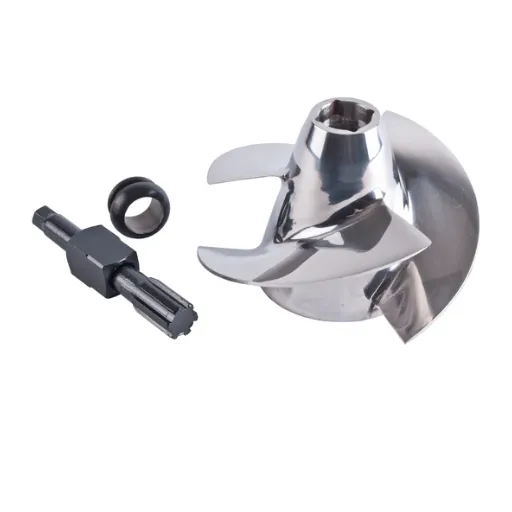
Switching to a high-quality impeller like a js440 provides more options and benefits as compared to lesser-priced alternatives. Five particular areas can be emphasized:
Performance Enhancements with Upgraded Impellers
Upgraded impellers provide numerous performance enhancements that enable systems to run more efficiently and reliably. Here are the five main benefits of improving impellers:
- Overhauled Flow Efficiency
Advanced engineering goes into the design of the impellers to optimize fluid dynamics so that less energy gets consumed. This means that operation is also smooth. Studies suggest that upgraded impellers can raise flow efficiency by 15% on average. - Enhanced Durability
Premium materials make the impellers among the best—stainless steel or advanced composites. As a result, their sturdiness removes any hint of wear and tear, ensuring long-lasting performance. - Reduced Energy Consumption
Due to friction reduction and smooth movement of fluid, premium impellers reduce energy utilization upward of 20% and correspond closely with big economies in energy expenses. - Improved System Stability
The improved stability results from a quieter and more vibration-free experience. The design of the impellers being comprehensive in noise and vibration damping is meant to contribute to the stability of the whole system as this works against what might otherwise be damage to other components in the system. - Adaptation to Challenging Conditions
The impellers that are upgraded also in many instances have their coating or designs adapted in such a way that the material can withstand either extremely hot or cool atmospheres, or salty water or chemical situations. This adaptability is what ensures the system performs equally well under any related conditions.
Premium impellers are expected to yield significant results, being used with all kinds of advantages—the impeller optimizes the overall performance of the equipment and assures good durability and a rather long life, making optimum operation much easier to realize every time.
Long-Term Cost Savings and Reliability
Advances in expert design and durable materials provide for cost-effectiveness and fortify equipment safety over time. A combination of innovative designs and materials renders these outcomes possible. Here are the key advantages:
💰 Cost-Benefit Analysis
Reduced Operating Costs
The premium impeller design usually means enhanced durability rather than breakdowns and downtime. Swift reduction of downtime becomes an investment return, as opportunity costs result in relatively low maintenance costs over a given period of time.
Lower Energy Costs
Advanced impellers develop energy efficiencies by design. The impellers use as little energy as possible to continue to put out the work. Therefore, these savings quantify spending less energy and, thus, less operating cost.
Fewer Repairs Over Time
The improved design entails less wear on the entire system due to its smooth running and the low stress on parts, lowering the need for repair as well. Any reduction in operating cost contributes to the overall depreciation savings of the pump and associated equipment.
Minimal Downtime
From fewer incidents of system failings, the reliability and performance output of premium impellers ensure sustained work thereby obviating downtime, in turn upping productivity and avoiding financial losses through interruptions to operation.
Stable Performance in Extreme Conditions
Cutting-edge materials and protective coatings enable such premium impellers to withstand extreme conditions such as exposure to chemicals or high temperatures. This consistency precludes the presence of surprise problems, thereby building predictability in cost over the long haul.
These prime ingredients make improved impellers a wise investment by bolstering the financial efficiency and dependability of the operation.
Installation and Maintenance of the js440 Impeller
Step-by-Step Installation Guide
🔧 Professional Installation Process
Tools and Space Setup
You must check for all necessary hand tools like screwdrivers, socket wrenches, pliers, and lubricants before beginning the process of installation. Additionally, make sure that you have a very clean workspace and ensure good illumination in and around the assembly area to avoid losing small parts.
Disconnect the Power Source
It is obviously a very necessary precaution to disconnect the power or the battery to stop accidental impeller starting up while you are in full swing.
Remove the Old Impeller
Unscrew and carefully open the housing around the impeller. Note how it is located now, so it aids in reassembly process. With the impeller exposed, use pliers to gently pull it out (but before exerting too much force, apply lubricant).
Inspect and Clean the Housing
Before the new impeller fits, the housing needs to be inspected. It may show damage, debris, or other signs of wear and tear. Clean it with a rag with utmost care to ensure that new particles do not interfere with moving parts.
Fit the New Impeller
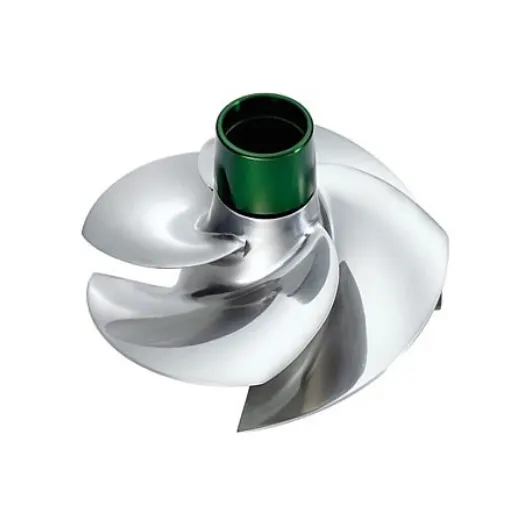
Apply a small amount of lubricant to the top and bottom of the inner edges of the housing to ease its sliding on the impeller. Position the impeller directly on the shaft. Insert it carefully but firmly until it binds itself tightly.
Reassemble the Housing
Fasten the housing firmly into place and all the other screws tightened. Ensure each part and component in the assembly is properly aligned to prevent a misfit condition or leaks.
Reconnect the Power Source
Once reassembly has been completed, reconnect the power or battery. Test briefly to be sure that the impeller has a healthy motion.
Regular Checkup
Monitor its operation in a timely manner after installation, particularly within the first few uses, to ensure a smooth system start when required.
By adhering strictly to these instructions, one can easily and efficaciously replace the impeller of a js440 ensuring optimal performance as well as the longer life of the cooling system. Routine maintenance, coupled with a periodic replacement of worn parts, helps you avoid expensive repairs and maintain your system in tip-top condition.
Maintenance Tips for Optimal Performance
✅ Essential Maintenance Checklist
- ✓ Regular Inspections for Early Recognition
This aids in avoiding minor issues from turning more significant by the time of the next maintenance inspection. Whenever you find components deteriorated, swiftly replace them to preserve the viability of the system. - ✓ Keep Components Clean
Ensure to free the environment of any foreign substances, including debris, from the system and its surroundings. Cleaning areas often can prevent blockages, enabling the system to continue efficient work. - ✓ Inspect the Levels of Fluids
Inspect the coolant levels frequently and ensure the fluid to be compatible with the respective system. Low coolant or improper fluid mixture can result in overheating and reduced efficiency. - ✓ Proper Lubrication
Oiling the impeller and other moving areas is the best way to provide smooth functioning and extend the system’s life. - ✓ Check Alignment
Ensure that the impeller and the other precision components are properly aligned. If not, misalignment can create vibrations and an inefficient running system, resulting in system failure. - ✓ Follow Manufacturer Guidelines
Adhere to the manufacturer’s recommendations and maintenance schedule which will ensure good performance according to design. While implementing these maintenance activities, cooling efficiency is retained; hence, the system becomes highly reliable, which lessens downtimes and prolongs life.
Tools Needed for Installation and Maintenance
Effective installation and maintenance work would not be possible without some appropriate tools. Here is what would commonly be required:
🔧 Wrenches and Screwdrivers
They help a great deal in tightening or loosening any bolts, screws or other fasteners during installation or service work.
📊 Manifold Gauge Set
It is crucial for gauging and monitoring the refrigerant pressure within the system and thereby ensuring the refrigeration system functions at peak efficiency, also assisting in trouble-shooting problems.
🔄 Vacuum Pump
To eliminate moisture and air from the refrigeration system before adding refrigerant to ensure its smooth operation.
✂️ Pipe Cutter and Flaring Tool
For cutting refrigerant lines and preparing them for the connection of components as straightforwardly and accurately as possible.
⚡ Multimeter
This tool is used to test electrical circuits, voltage, and resistance in the diagnosis of potential electrical faults.
🔍 Leak Detector
This special tool is used to detect refrigerant loss in time so as to avoid environmental damage and system inefficiency.
🌡️ Thermometer or Temperature Gun
It’s very essential to measure the difference in temperature on parts, and to ensure that the system is working correctly.
🦺 Protective Gear
Such as gloves and goggles for one’s personal safety during installation of the system or maintenance work.
By utilizing this equipment, technicians and DIY enthusiasts can professionally install and troubleshoot cooling systems, thereby elevating the overall reliability and function.
Frequently Asked Questions (FAQ)
Q: What exactly is a JS440 impeller, and how does it differ from the JS550 impeller and other impellers?
A: The js440 impeller is an impeller from a JS440 engine intended for Jetski hull-systems; it delivers thrust like a propeller by redirecting water through its exit nozzles. The js440 impeller is generally smaller in diameter and pitch compared to a JS550 impeller or one of the newer props in the 550 range. The typical pitch of the js440 impeller is set for 440 rpms and low-end power characteristics, making it great for recreational riding on the flat water where faster spool-up and acceleration are preferred over top speed.
Q: How do I decide an appropriate js440 impeller pitch with my riding style and rpms in mind?
A: When matched with the engine’s typical operating RPM band and intended use, choose your impeller pitch for a js440: lower pitch for faster throttle response and excellent bottom-end power (good for two passengers or heavier loads), a higher pitch for the highest flat-water speed that is possible. Higher pitch is more useful if you have mods like aftermarket exhaust or carb tuning and can begin to take advantage of the higher rpm; conversely, lower or stock pitch typically increases the enjoyment of recreational riding and acceleration in most stock or mild builds.
Q: Can I use aftermarket-exhaust and carb-related modifications on my js440 with an impeller?
A: Yes, the power curve and rpm of the engine definitely change which is why you should re-evaluate your js440 impeller choice in case you want to make any modifications to the exhausts and carbs. The cause of a midrange jump or increase in max rpm is straightforward—pitch up; blueprinted impellers could get better top speeds and efficiency, while lower-pitch impellers are more beneficial for aftermarket modifications which expand the powerband end of the rpm.
Q: Can I quickly evaluate to be sure a js440 impeller needs replacement or service at a professional machine shop?
A: Symptoms include loss of top speed, cavitation, and in extreme cases vibration or mechanical injury to exit nozzle and driveshaft couplings. If these symptoms are noticed subsequent to hitting the bottom or debris, have your propeller, sleeve, and rear seal evaluated by a machine shop. Regarding blueprinting and balancing at a pro shop, your flow and pressure need to be restored optimally, particularly if you want to go ahead with further mods. Of course, your application could be a dual-purpose recreational and pro setup, or it could be for serious professional mods alone.
Q: Is js440 impeller blueprinting a seasonally dependent type of mod?
A: While reasonable, the weather is actually not the primary determinant for certain such small changes involved in blueprinting—with the exception that silicone or epoxy adhesives take a little longer to setup on rainy or cooler days. Nevertheless, a seasonally warm afternoon can help you spend more time at the watercraft toward adjustment tests.
Q: What Care Should I Attend to for My js440 Impeller to Last Longer?
A: After every use rinsing is obligatory, look for nicks or dings, remove obstructions from the exit nozzle, or clogged intake, and have your seals at the back and sleeve of the driveshaft serviced every so often. If you’re likely to ride in places where debris keeps getting into the jet, then an added check for bent vanes occurs so as to make selection between high-performance impellers and one of the many protective upgrades. Make sure your impeller will truly shine by blueprinting or balancing it on schedule at a shop that knows the work. Once all the major mods for your particular engine have been done, like changing the carb or exhaust, go back and have the impeller repitched for more thrust to regain optimal performance.
References
- Motorized Obsessions: Life, Liberty, and the Small-Bore Engine
This academic resource discusses the development and technical aspects of the JS440, including its impeller design. - Click here to read more.
Final Thoughts
Understanding and maintaining your JS440 impeller is crucial for optimal jet ski performance. Whether you’re upgrading to a high-quality impeller or performing regular maintenance, the knowledge shared in this guide will help you make informed decisions that enhance your riding experience. Remember, a well-maintained impeller not only improves performance but also extends the life of your entire watercraft system. Take the time to inspect, maintain, and upgrade when necessary, and your Kawasaki JS440 will continue to deliver exceptional performance on the water for years to come.