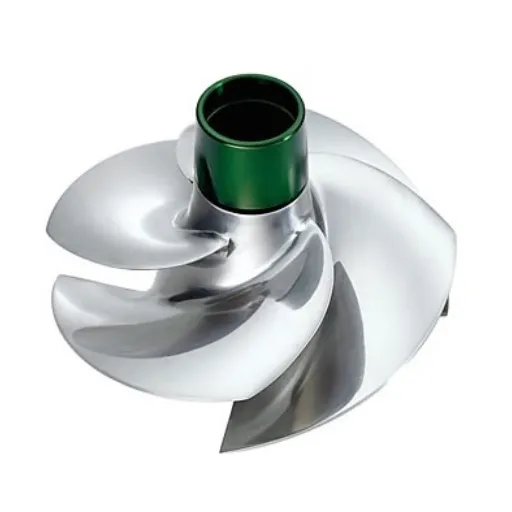
The impeller stands as one of the most critical components in the jet pump system when it comes to maximizing the performance capabilities of your Kawasaki 650SX. This small yet powerful component is directly responsible for the thrilling, high-speed water experiences that jet ski enthusiasts crave. Understanding the impeller’s function, maintenance requirements, and selection criteria is essential for anyone looking to optimize their watercraft’s performance, execute proper repairs, or make informed decisions about upgrades and modifications.
The Purpose and Function of an Impeller
What is an Impeller?
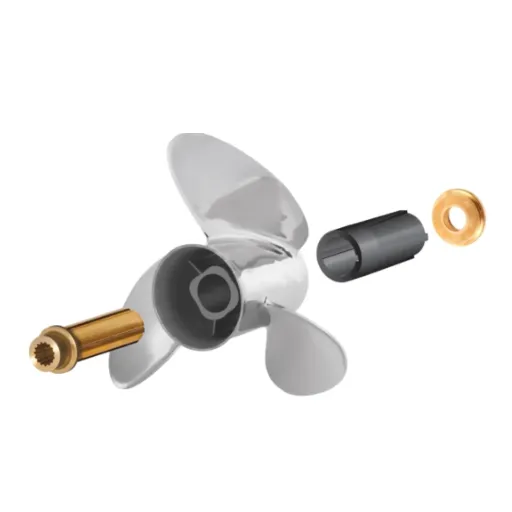
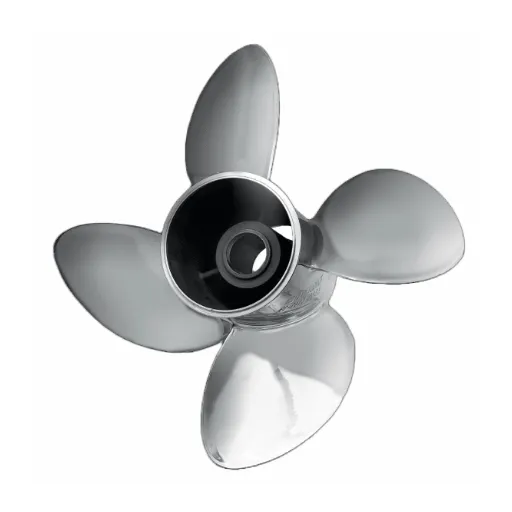
The impeller serves as the propulsion mechanism for jet skis, generating forward thrust by expelling high-pressure water streams. Typically constructed from stainless steel or aluminum—though other materials like plastics may be used—the impeller features a cylindrical design with blades that rotate around a central axis. Its operation mirrors that of an intake fan, drawing water into the pump system and ejecting it as a powerful jet to propel the watercraft forward.
The impeller’s importance cannot be overstated, as it serves as the primary device transforming engine power into efficient thrust. A properly functioning impeller enables smooth acceleration, optimal maximum speed, and overall excellent jet ski performance. When a Kawasaki 650SX impeller becomes damaged or worn, riders experience reduced speed, poor control, and decreased fuel efficiency, significantly diminishing the riding experience.
💡 Key Maintenance Insight
Regular inspection for debris, wear and tear, and blade damage can prevent performance issues before they arise. For enthusiasts seeking enhanced power and control, upgrading to a performance-oriented impeller is worth serious consideration.
It’s crucial to recognize that maintenance requirements vary between jet ski models. Attachment mechanisms, blade angles, and sizes differ across manufacturers, making the maintenance practices for a Kawasaki 650SX impeller distinct from those required for a Sea-Doo or other brands.
How Impellers Work in Jet Pumps
Jet pumps rely entirely on impeller operation to create the high-pressure water streams that power jet skiing. The impeller features rotating blades specifically designed to accelerate water as it enters the pump. This acceleration produces powerful water propulsion that drives the jet ski forward, making the impeller the facility’s primary mechanical component for efficiently transferring engine energy into water movement.
The process begins when water enters through the bottom intake grate. The engine-driven impeller spins at high speeds, creating a vacuum that draws water in and compresses it. This compression increases water flow velocity, which is then directed through a rear nozzle. The nozzle’s narrow design concentrates the water flow, creating powerful jets that enable high speeds and excellent maneuverability.
⚠️ Performance Warning
Damaged blades or debris in the pump can severely restrict water flow and decrease performance. Regular cleaning and inspection are essential to maintain optimal water movement through the impeller and preserve the jet pump’s overall efficiency.
The Importance of Impeller Efficiency for Kawasaki 650SX
The Kawasaki 650SX jet ski’s performance and reliability are directly influenced by impeller efficiency. A high-performing impeller ensures consistent water propulsion, enabling smoother acceleration, better top-end speed, and more precise maneuverability. The impeller must remain in excellent condition and free from blockages for the jet pump system to function according to its design specifications.
A poorly maintained or worn impeller can severely compromise jet ski efficiency. Dull or damaged blades cause irregular water flow, resulting in compromised acceleration, reduced top speed, difficult maneuvering, and increased system vibrations. Maintaining the impeller in optimal condition not only prevents these issues but also extends the lifespan of both the impeller and surrounding components.
✓ Essential Maintenance Checklist
- Inspect blades regularly for bending, chipping, or damage
- Remove all debris from the pump system after every use
- Replace worn components promptly to prevent cascading damage
- Follow cleaning protocols to maintain optimal performance
- Monitor clearances between impeller blades and housing
Establishing a consistent maintenance routine is indispensable for preserving Kawasaki 650SX impeller efficiency. By prioritizing impeller care, users can enjoy a safe, consistent, and exhilarating water experience.
Choosing the Right Impeller for Your Kawasaki 650SX
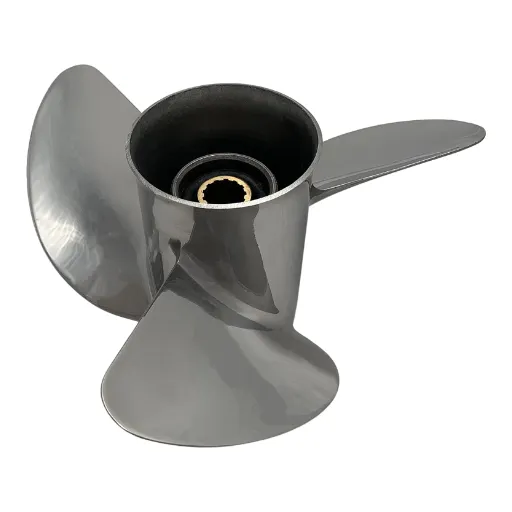
Factors to Consider: Pitch, Material, and Compatibility
Pitch Selection: The pitch measurement indicates the theoretical distance an impeller would travel through water in one complete revolution. Higher-pitch impellers typically deliver greater top-end speed, making them ideal for racing or open water performance. Conversely, lower-pitch impellers emphasize acceleration, making them perfect for towing, freestyle maneuvers, or navigating rough water conditions. Riders should carefully assess their primary needs to identify the optimal pitch for their jet ski.
Material Considerations: Material selection represents another fundamental factor when choosing an impeller. Stainless steel impellers offer exceptional durability and corrosion resistance, making them outstanding choices for saltwater environments or frequent usage. While aluminum impellers are lighter and more affordable, they may wear more quickly under heavy use. Advanced stainless steel models now feature specialized coatings and treatments that enhance hydrodynamics and wear resistance, guaranteeing long-lasting performance.
Compatibility Requirements: Compatibility is one of the most critical factors that buyers cannot overlook. Not all impellers are designed to fit every Kawasaki 650SX pump system. It’s essential to consult manufacturer specifications or cross-reference part numbers to ensure the impeller will integrate properly with your jet ski’s pump housing. Selecting reputable brands or suppliers helps ensure correct fitment and access to reliable technical support.
How Impeller Design Affects Performance
A jet ski impeller’s engineering fundamentally determines watercraft capability. Different blade angles, lengths, profiles, and materials are carefully selected during design and construction to optimize the impeller’s performance regarding acceleration, maximum velocity, and energy consumption relative to engine horsepower. Impellers featuring steeper blade angles are manufactured for covering distances quickly and are intended for speed enthusiasts who dominate open water. Conversely, Kawasaki 650SX impellers with lesser blade pitch provide more torque for easier initial take-off, making them perfect for towing activities or mastering technical maneuvers in challenging conditions.
Material selection represents another crucial factor in impeller manufacturing. Stainless steel impellers are renowned for their strength and resistance to deformation even under extreme stress, making them a popular choice for riders who consistently push their watercraft to peak performance levels. Aluminum or composite impellers offer lighter weight and lower costs, though their performance longevity may not match premium materials. Scientific advances in materials engineering have enabled manufacturers to design impellers that achieve an optimal balance between weight, strength, and effectiveness.
🔬 Engineering Innovations
Manufacturers have achieved significant progress in impeller design through application of contemporary hydrodynamic theories and engineering principles. These advances have led to major improvements in reducing vibrations and cavitation, enabling Kawasaki 650SX impeller users to enjoy substantially better handling compared to standard designs.
Matching Impellers to Your Riding Style
Selecting an impeller that aligns with your riding style is essential for ensuring your jet ski performs as expected in your preferred activities. Not all impellers are created equal—variations in design, pitch, and construction dramatically affect how a watercraft behaves under different conditions.
Riders who favor long-distance flat-water speed runs typically benefit from higher-pitch impellers, which increase top speed by enabling engines to operate at optimal RPM ranges. Conversely, those who prefer technical riding or frequently navigate rough water may require lower-pitch impellers that focus on low-end torque and smoother acceleration delivery.
Material considerations remain vital when matching a Kawasaki 650SX impeller to riding preferences. Stainless steel offers heavy-duty strength, making it the choice of professional riders and those operating under demanding conditions. Aluminum and composite impellers provide affordability and lighter weight, lending themselves to recreational weekend riding where easier handling is appreciated.
Installing the Impeller on a Kawasaki 650SX
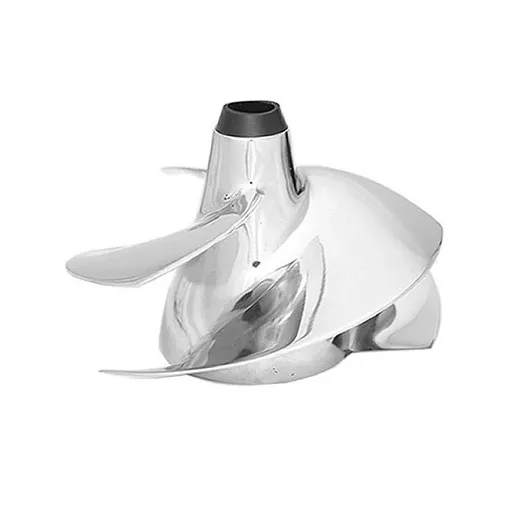
Tools Required for Impeller Installation
Successful impeller installation on your Kawasaki 650SX requires proper preparation with the necessary tools and equipment:
- Socket Wrench Set – Multiple sizes for operating various bolt dimensions
- Torque Wrench – Ensures bolts are tightened to proper specifications
- Spline Tool – Specifically designed for secure impeller removal and installation
- Impeller Removal Tool – Holds the impeller securely for safe, efficient removal
- Rubber Mallet – Provides gentle but firm force without damaging parts
- Grease or Anti-Seize Lubricant – Protects components and prevents sticking during future maintenance
- Protective Gloves – Maintains hand safety throughout the procedure
- Safety Goggles – Essential eye protection from debris or splashes
- Shop Towels – For cleaning parts and wiping away grease or residue
- Service Manual – Provides accurate specifications and directions for your Kawasaki 650SX model
Having these tools prepared before beginning installation ensures a smoother process, minimizes downtime, and helps preserve the integrity of your watercraft components.
Step-by-Step Installation Instructions
Set Up the Work Area
Ensure your workspace is clear and organized with adequate ventilation and lighting. Use quality shop towels or a non-slip surface to prevent small parts from rolling away.
Disconnect the Battery
For safety, disconnect the battery first to eliminate potential electrical hazards. Remove the negative terminal first to minimize short circuit risks.
Remove the Old Impeller
Consult your service manual to identify the component. Use appropriately sized tools such as wrenches or screwdrivers for fastener removal and loosening.
Inspect and Clean the Area
Examine the mounting area for dirt, corrosion, or wear that could reduce efficiency. Thoroughly clean the mounting area with shop towels to prepare for proper component fit.
Install the New Impeller
Carefully position the new impeller in the correct orientation. Secure with bolts or screws using proper torque specifications from the service manual. Avoid overtightening to prevent damage.
Reconnect the Battery
After completing installation, reconnect the battery starting with the positive terminal, then the negative. Ensure both connections are tight and secure.
Test the Installation
Start your Kawasaki 650SX and listen for unusual noises, vibrations, or water leaks. Verify the new component functions properly.
Perform Final Inspection
Carefully recheck all bolts, screws, and joints to confirm proper placement. Take the jet ski for a test ride to ensure optimal operation.
Following these steps meticulously ensures successful installation and increases both the lifespan and efficiency of your watercraft. Throughout the process, consult model-specific resources for additional guidance and observe all safety measures.
Common Mistakes to Avoid During Installation
❌ Critical Installation Errors
Service Manual Not Consulted
Neglecting the service manual is extremely common. Each watercraft model has unique requirements, and ignoring manufacturer recommendations can lead to improper installation and potential damage.
Excessive Bolt Tightening
Applying too much pressure when tightening can strip threads or deform parts. Always use a torque wrench to achieve specified torque levels from the service manual.
Alignment Check Overlooked
Misalignment of components like the motor or impeller can affect performance and accelerate system wear. Ensure all parts fit precisely according to manufacturer specifications.
Using Inadequate Tools
Employing wrong tools such as mismatched screws or low-gradewrenches can prove costly. Invest in a complete toolkit of quality marine-application tools.
Ignoring Electrical Connections
Improperly secured or exposed electrical connections can create malfunctions and safety hazards. Verify that wiring is secure, polarity is correct, and insulation is intact.
Skipping Test Runs
Failing to test the watercraft after installation wastes the opportunity to identify and address problems before regular use. A short test run ensures optimal, safe component operation.
Avoiding these common errors and following proper installation protocols guarantees your watercraft’s lifespan, functionality, and performance.
Maintenance Tips for Your Kawasaki 650SX Impeller
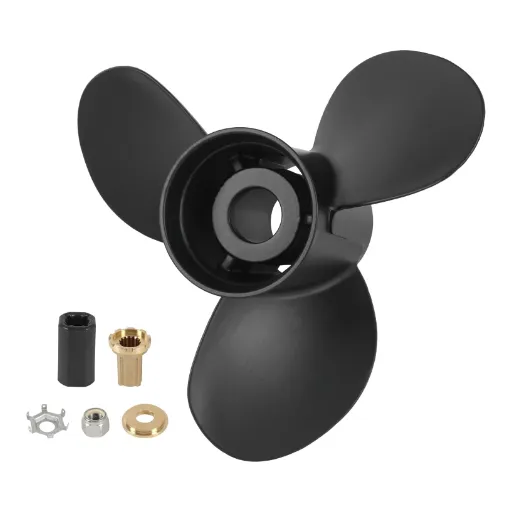
How to Care for Your Impeller
Regular impeller inspections are essential for maintaining your Kawasaki 650SX’s optimal performance. Conduct thorough examinations checking for wear, cracks, or damage to ensure the impeller remains in excellent condition. Pay particular attention to clearances between impeller blades and housing, as excessive gaps can significantly degrade performance. These proactive maintenance practices keep your watercraft operating efficiently while preventing costly repairs.
Maintaining cleanliness and debris-free operation represents another critical aspect of impeller care. After each ride, carefully inspect the intake grate and impeller for weeds, rocks, or other objects that may have become lodged. Such materials can cause substantial damage to the impeller, potentially resulting in permanent harm. Flushing the system with fresh water after every use—especially following saltwater operation—helps prevent mineral and salt deposits that contribute to corrosion of the impeller and related components.
🔧 Pro Maintenance Tips
- Follow manufacturer recommendations for replacement and repair schedules
- Ensure impeller bearings receive proper lubrication
- Replace worn impellers promptly to prevent cascading damage
- Maintain detailed service records for tracking maintenance history
Adhering to a consistent maintenance schedule not only keeps your jet ski in optimal condition but also ensures safer, more enjoyable rides. Following these protocols prolongs impeller life and sustains watercraft performance.
Inspecting for Wear and Tear
Examining the impeller for damage represents the highest priority in Kawasaki 650SX maintenance. Watch for blade loss, warped edges, or excessive corrosion—any of these conditions should raise immediate concerns about watercraft operation. Damaged or loose impeller fins dramatically reduce power and performance while riding. Regular examinations enable timely impeller repairs before damage spreads to other components such as the pump housing and drive shaft.
The simplest method for checking your Kawasaki 650SX impeller involves careful blade inspection. Examine all edges thoroughly, ensuring the impeller sits properly aligned within the pump. Misalignment can cause serious problems including vibrations, accelerated wear, or reduced pump performance. Any broken or misaligned impeller components should be replaced immediately to prevent further damage.
🔍 Inspection Checklist
- Blade Condition: Check for chips, cracks, bends, or warping
- Edge Sharpness: Ensure blades maintain proper profile
- Alignment: Verify impeller sits correctly in pump housing
- Clearances: Measure gap between blades and housing
- Corrosion: Look for rust, pitting, or material degradation
- Balance: Check for even wear patterns across all blades
In today’s digital age, online guides and resources provide valuable assistance for conducting thorough inspections. These resources demonstrate proper inspection techniques while user reviews indicate which aftermarket impellers perform best when replacements become necessary. Combining hands-on examination with current information ensures your Kawasaki 650SX impeller operates smoothly and efficiently.
Extending the Lifespan of Your Impeller
Proper maintenance stands as the primary factor in extending your 650SX impeller’s lifespan and maintaining peak performance. Regular inspections that identify wear signs like chips, cracks, or warped edges help prevent minor issues from escalating into major problems. Another simple yet effective practice involves cleaning the impeller and pump housing of debris such as seaweed or sand after every use, reducing abrasion and maintaining efficiency. These proactive measures not only preserve your impeller but also deliver smoother, more enjoyable rides.
Understanding your impeller’s material composition and available coatings is crucial for making informed decisions. Stainless steel impellers demonstrate superior resistance to impact and corrosion compared to aluminum alternatives. Additionally, specialized coatings such as anti-corrosion or anti-fouling layers provide excellent protection against saltwater exposure’s harmful effects—particularly valuable for riders operating in marine environments. Investing in durable, high-quality materials significantly impacts engine wear reduction while maintaining optimal power output.
💚 Lifespan Extension Strategies
- Post-Ride Maintenance: Always flush with fresh water after saltwater use
- Storage Practices: Store in dry, protected environments when not in use
- Coating Protection: Apply anti-corrosion treatments as recommended
- Operating Conditions: Avoid shallow water and debris-heavy areas
- Professional Servicing: Schedule regular expert inspections
Comparing Top-Rated Impellers for the Kawasaki 650SX
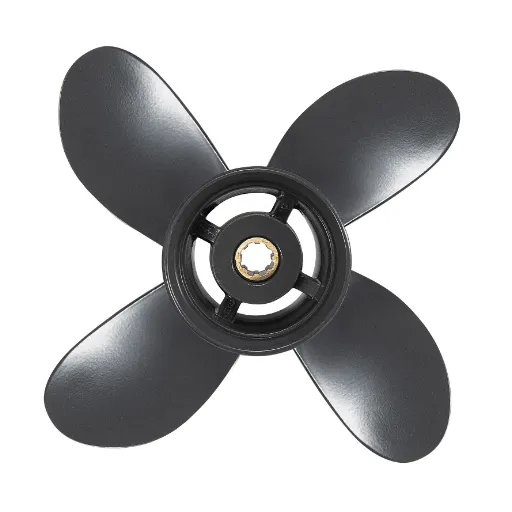
Features of Leading Impeller Models
When evaluating top-rated impellers for the Kawasaki 650SX, it’s essential to consider critical performance indicators including durability, thrust efficiency, and material quality. Premium models typically employ high-grade stainless steel construction, significantly enhancing durability and wear resistance in both saltwater and freshwater environments. Additionally, innovative blade designs featuring progressive pitch technology optimize water displacement and acceleration, improving overall speed and fuel economy.
Leading brands such as the Skat-Trak Swirl Series and Solas Concord Series have leveraged blade design and material engineering expertise to establish their reputations. These designs frequently incorporate cavitation reduction technology, ensuring consistent power output regardless of water environment or vessel conditions. Many recent offerings combine reinforced hubs with anti-debris features, enabling these impellers to endure harsher operating conditions with extended longevity.
By combining cutting-edge technology with robust materials, manufacturers produce impellers capable of meeting every demand from both professional and recreational riders. Consistently consulting expert reviews, technical specifications, and user feedback ensures you select an impeller perfectly suited to your specific performance requirements.
Pros and Cons of Each Impeller Option
High-Performance Impellers
✓ Advantages
- Exceptional high-speed performance
- Corrosion and abrasion-resistant materials
- Excellent water displacement for increased thrust
✗ Disadvantages
- Higher cost than standard designs
- Requires precise tuning and maintenance
Budget-Friendly Impellers
✓ Advantages
- Cost-effective for various applications
- Simple design allows easier replacement
- Ideal for low-intensity or occasional use
✗ Disadvantages
- Lower durability during strenuous use
- May be inefficient under demanding conditions
Eco-Friendly Impellers
✓ Advantages
- Environmentally sustainable materials
- Energy-efficient designs reduce fuel consumption
- Often includes noise reduction mechanisms
✗ Disadvantages
- Limited availability depending on manufacturer
- May not match premium performance levels
Heavy-Duty Commercial Impellers
✓ Advantages
- Designed for severe conditions
- Enhanced structures with protective coatings
- Professional-grade long-lasting materials
✗ Disadvantages
- Higher price and heavier weight
- Complex design may complicate installation
When selecting a Kawasaki 650SX impeller, carefully evaluate your intended use, budget constraints, and operating environmental conditions. Combining objective technical data with user feedback and expert reviews provides the comprehensive information needed to make the best choice for your specific needs.
Frequently Asked Questions (FAQ)
❓ How long does a Kawasaki 650SX impeller last, and when should it be replaced?
A Kawasaki 650SX impeller’s lifespan depends primarily on usage intensity and water quality. Recreational riders typically enjoy two to three seasons of reliable performance, while competitive racers or saltwater operators may require more frequent replacements. Annual inspections are essential—replace the impeller when you notice decreased acceleration, cavitation, excessive vibration, or visible blade damage such as chips or bends. Maintaining high-quality pump housing and wear rings also contributes significantly to impeller longevity.
❓ What benefits do aftermarket impellers offer compared to stock?
The stock Kawasaki 650SX impeller provides reliable all-around performance balancing acceleration and top speed. However, aftermarket impellers—particularly variable pitch or racing models—can deliver substantial performance gains through optimized blade geometry and premium materials. These modifications can provide faster acceleration, improved hole shots, or increased top speed. However, aggressive modifications may cause pump slippage or affect high-RPM power delivery. Riders must ensure their modifications align with their riding style and that all components remain compatible to avoid performance issues.
❓ Can I use impellers from other Kawasaki models on my 650SX?
While impellers from related Kawasaki models (550, 650, 750) may appear similar, they differ in pitch, diameter, and engine compatibility. Installing a 550 or 750 impeller in a 650SX doesn’t automatically improve performance—careful verification of dimensions and applications is essential. Many riders consult online forums or instructional videos to research exact cross-compatibility. Such modifications should only be attempted with expert guidance or professional tuning to ensure optimal results and prevent damage.
❓ What are variable pitch impellers and their benefits for the 650SX?
Variable pitch impellers allow blade angle adjustment across RPM ranges, optimizing both acceleration and efficiency. For the Kawasaki 650SX, this technology particularly benefits watercross racing, competition starts, and general launch performance without sacrificing top speed. These systems are expensive and sophisticated, requiring modifications beyond basic replacement. Only enthusiasts committed to performance enhancement and proper maintenance should consider variable pitch impellers.
❓ What tools and steps are involved in replacing a Kawasaki 650SX impeller?
Basic replacement requires specialized tools beyond standard mechanics’ equipment, including an impeller puller/installer for specific spline sizes, socket sets, and jet pump removal tools. The procedure involves disassembling the jet pump assembly, extracting the used impeller with a puller tool, inspecting the wear ring and components, correctly aligning and securing the new impeller with specified torque, and reassembling the system. Instructional videos and service manuals provide valuable guidance. If you’re uncertain about any step, consult a professional to prevent damage to the pump or driveshaft.
❓ How can I detect pump or impeller damage on my Kawasaki 650SX?
Common symptoms of pump or impeller damage include inability to reach maximum speed, weak acceleration, excessive vibration, metallic scraping sounds, or high engine RPMs without corresponding thrust. Causes include debris ingestion, underwater object impacts, or saltwater corrosion. Damaged impellers create inefficient pumping and potential overheating. Inspect impeller blades and wear rings for scores, chips, or deformities, replacing worn components promptly to restore performance.
❓ What maintenance practices extend Kawasaki 650SX impeller life?
Regular maintenance significantly extends impeller lifespan: rinse with fresh water after saltwater use, clean intake grates and pump housing from debris, replace sacrificial anodes when present, check seals and bearings regularly, and avoid riding in shallow or debris-filled areas. Monitor wear ring clearances and alignment carefully. Conduct thorough inspections after watercross races or extreme riding sessions to detect and address damage early.