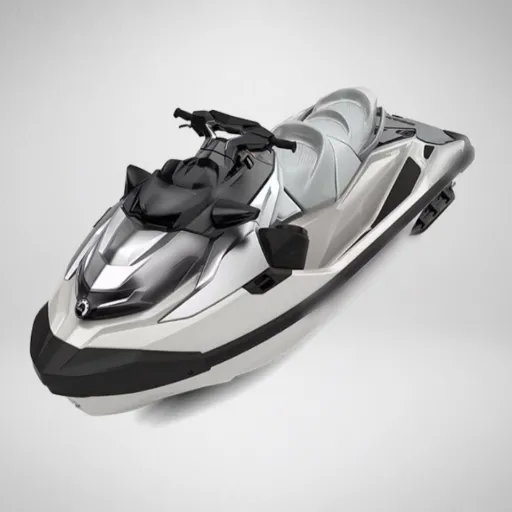
To gain full benefit from your Kawasaki Jet Ski, it is essential to grasp the impeller’s function in the pump system. The impeller is not merely a part of the machine; it is the Jet Ski’s core component as far as driving power, efficiency, and velocity are concerned. Whether you are an expert rider or just starting with a Jet Ski, understanding how this principal component operates can greatly support you in unlocking the capability of your watercraft and in detecting problems before they grow into serious ones.
Introduction to Jet Ski Impellers
What is a Jet Ski Impeller?
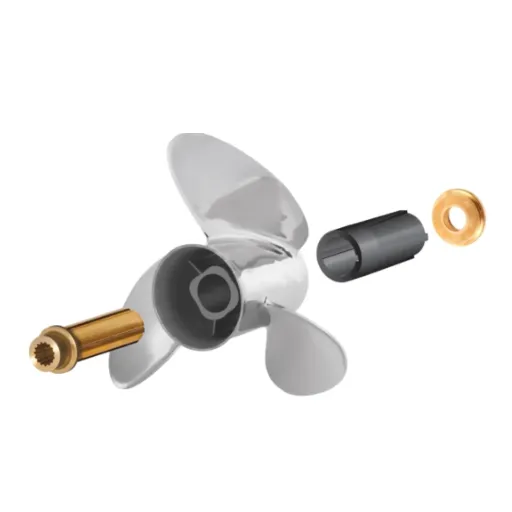
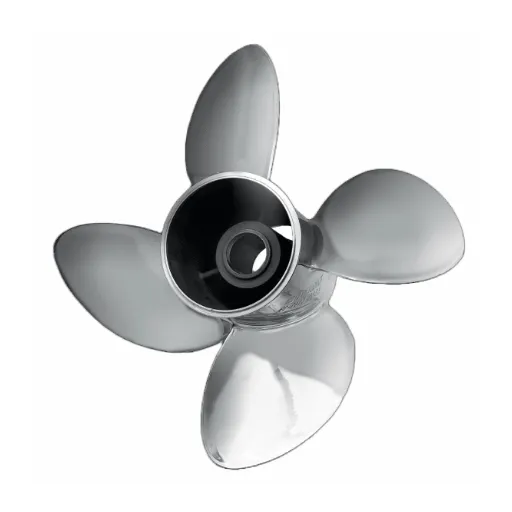
The impeller of a Jet Ski is considered to be the main part of the watercraft’s propulsion system, primarily responsible for the thrust generation that moves the Jet Ski forward. It can be described as a corkscrew-shaped component, typically manufactured from heavy-duty materials like stainless steel or aluminum, which are very suitable for such a high-speed rotating part in the pump housing. The impeller’s operation is straightforward: it draws water from underneath the Jet Ski and then forcefully expels it out through the jet at the back, thus generating the necessary forward motion for the watercraft to function.
Key Insight: The characteristics and the performance of the impeller directly impact the speed, acceleration, and overall handling of the Jet Ski. Impellers are designed to optimize water flow, maintaining a balance between power and efficiency.
There exist several different kinds of impellers, each of which has been designed for certain riding conditions and rider preferences—for example, some are made to improve top speed, while others provide more low-end torque for stronger acceleration.
Taking good care of the impeller and conducting timely maintenance are activities considered necessary for the safe and efficient operation of your Jet Ski. Debris such as stones or sea vegetation can cause damage to the impeller, which in turn will result in a decline in performance and might even affect other parts of the propulsion system negatively. Carrying out regular inspections and replacing worn-out or damaged impellers promptly will ensure that your Jet Ski operates without any issues and maintains peak performance on the water.
Importance of Impellers in Jet Ski Performance
Impellers play a crucial role in Jet Ski performance because they are the primary means of propulsion. The impeller generates the thrust that drives the Jet Ski forward by drawing in water and then expelling it with great force. This system makes the ride smooth and powerful simultaneously, enabling riders to enjoy high speeds and maneuverability with precision on the water.
⚠️ Safety Consideration
A defective or malfunctioning impeller can cause a sudden loss of power that puts riders’ safety at risk because they will not be able to control their Jet Ski or navigate to a safe area. To avoid such situations, it is necessary to adhere to the manufacturer’s maintenance regimen and address any signs of wear or damage instantaneously.
An impeller maintained in good condition delivers optimal performance and efficiency. Any damage or wear, such as chips or dents on the blades, will not only lead to reduced thrust but also poor handling. Regular inspection and cleaning of the impeller are essential for maintaining efficiency and avoiding long-term problems. Timely replacement of a worn-out or damaged impeller can also prevent placing extra stress on the engine and other components, thus saving future repair expenses.
Types of Impellers for Kawasaki Jet Skis
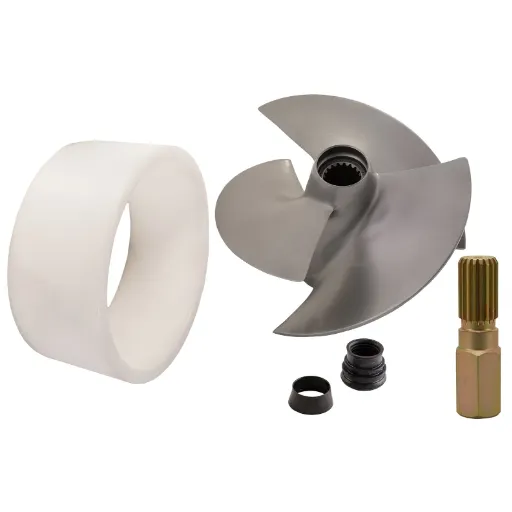
Solas Kawasaki Impellers: Features and Benefits
Solas Kawasaki impellers have been widely regarded as among the best in the industry owing to their exceptional engineering and performance capabilities. Their installation on Kawasaki Jet Skis provides users with improved acceleration, higher top speed, and reduced fuel consumption, delivering a superior experience during their time on the water. Solas impellers are manufactured from premium quality stainless steel and will last for extended periods even in the harshest marine environments. Their precision casting technique guarantees optimal hydrodynamics that reduce cavitation while simultaneously increasing the thrust generated under various water conditions.
🚀 Performance
Enhanced acceleration and top-end speed with optimized water flow
💪 Durability
Premium stainless steel construction for harsh marine conditions
⚙️ Compatibility
Perfect fit with Kawasaki models requiring no major modifications
Solas Kawasaki impellers open up new possibilities for riders since they are tailored for a variety of needs. Various pitch configurations allow users to customize their jet ski’s performance according to specific requirements, whether seeking faster speeds for racing or optimal torque for towing or recreational activities. With their exclusive blade design, Solas impellers generate smooth water flow, improving efficiency while providing enhanced stability and control at high speeds, making them an ideal combination of speed, agility, and reliability for riders.
Choosing the Right Impeller for Your Needs
Selecting the proper impeller depends on numerous factors. Consider the planned usage of your jet ski first. For recreational riding, choose an impeller with low-end performance characteristics, providing more power and stability ideal for casual rides or towing activities. Conversely, if you’re inclined toward competitive racing or high-speed thrills, focus on an impeller that prioritizes maximum speed and precise control.
✅ Selection Checklist
- Usage Type: Recreational, racing, or towing
- Model Compatibility: Verify fit with your specific Jet Ski model and engine
- Impeller Pitch: Determines water volume and affects speed/power balance
- Material Quality: Stainless steel for demanding conditions, aluminum for lighter use
- Manufacturer Recommendations: Consult guidelines or experienced professionals
Another major factor is the specific model and engine of your jet ski. Impellers don’t universally fit all jet skis, so proper matching is essential for optimal performance. The pitch of the impeller determines the volume of water passing through the pump and affects both speed and power output. Following manufacturer recommendations or consulting with experienced professionals usually aids in finding the ideal impeller for your individual watercraft and performance objectives.
Understanding Impeller Performance
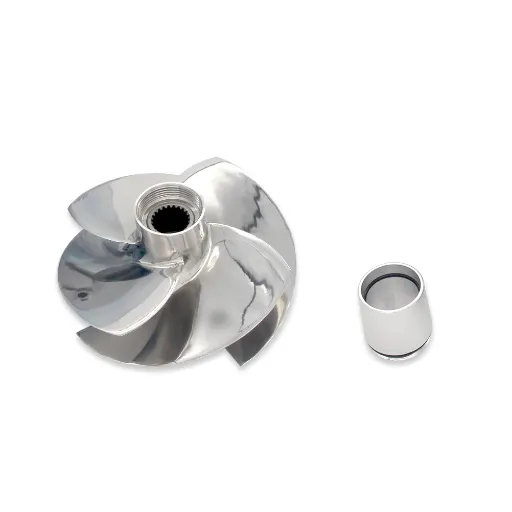
How Impeller Design Affects Jet Ski Speed
The jet ski’s impeller design is a major factor in determining overall speed and performance. The shape, angle, and number of blades on the impeller all influence how effectively water is pushed through the jet ski’s propulsion system. For instance, a higher pitch impeller usually means higher top-end speed since more water is displaced with each rotation, but this sometimes results in reduced acceleration. Conversely, a lower pitch impeller provides better low-end torque and faster acceleration, which is excellent for towing or maneuvering through tight turns. The right balance of these design elements is essential for tuning the jet ski’s performance for various applications.
| Impeller Type | Top Speed | Acceleration | Best Use |
|---|---|---|---|
| Higher Pitch | ⬆️ Increased | ⬇️ Reduced | Racing, open water |
| Lower Pitch | ⬇️ Reduced | ⬆️ Enhanced | Towing, tight maneuvers |
| Variable Pitch | ↔️ Balanced | ↔️ Balanced | All-around performance |
Beyond pitch, the choice of materials in manufacturing an impeller is essential in determining its wear resistance and efficiency, which ultimately relates to speed. Stainless steel impellers are incredibly durable and won’t deform easily under stress, making them the best choice to sustain high jet ski performance levels over extended periods. Conversely, aluminum impellers are less sturdy and prone to deformation, which may affect the jet ski’s consistency in speed and handling, though they are lightweight and suitable for less demanding applications.
Factors Influencing Impeller Efficiency
Several significant factors affect impeller efficiency, each playing a part in the overall performance and dependability of the jet ski:
🔧 Material Composition
Performance is heavily influenced by the choice of materials for the impeller. High-quality stainless steel with good hardness, corrosion resistance, and capability to withstand operational forces is the most common choice. Composite materials are developing as alternatives, offering lightweight options with potential for reduced wear.
⚡ Blade Design and Angle
The shape of the impeller blades determines water displacement efficiency. Blade angle can enhance or diminish water displacement, thrust, and cavitation resistance. Optimally shaped blade curves balance both acceleration and top speed, allowing performance customization for varied water conditions.
📏 Diameter and Clearance
The impeller’s diameter and the space separating the blades from the wear ring are key elements in maximizing efficiency. Excessive space allows water leakage and reduced thrust, while a tight fit enables optimal water compression and propulsion. Regular maintenance checks for wear are crucial to maintain this balance.
💧 Water Flow Dynamics
Proper water flow through the intake and exhaust system is essential. Continuous flow means less energy loss and more thrust production. Smooth intake grates and accurate impeller positioning enable unimpeded water flow.
🌊 Cavitation Control
Cavitation, or the formation of vapor bubbles around the impeller, may cause efficiency drops and potential damage. Good design combined with appropriate power-to-weight ratios work together to reduce cavitation likelihood and maintain consistent performance.
When manufacturers consider these factors and employ state-of-the-art computational tools such as Computational Fluid Dynamics (CFD) for advanced analysis, they can refine impeller designs for unrivaled efficiency and durability.
Common Performance Issues with Impellers
Impellers are the heart of pumps, compressors, and turbines, which means any trouble with them will significantly impact the machines’ overall performance. One common problem is wear and tear due to both erosion and corrosion, typically caused by abrasive particles in the working fluid or chemical reactions. This surface degradation reduces efficiency gradually over time. Furthermore, imbalanced and misaligned impellers create significant vibrations that not only affect functioning but also lead to premature wearing or even complete system breakdown.
🔴 Common Issues to Watch For:
- Erosion & Corrosion: Surface damage from abrasive particles or chemical reactions
- Imbalance & Misalignment: Excessive vibrations leading to premature wear
- Clogging & Fouling: Debris blocking impeller passages, reducing flow rates
- Cavitation: Formation of vapor bubbles causing efficiency loss and damage
- Incorrect Operation: Running outside optimal parameters increases turbulence
Clogging or fouling is another major concern where debris, materials, or deposits block the impeller passages. This results in reduced flow rates and increased energy consumption. Additionally, operating outside the optimal performance curve can cause excessive turbulence, flow recirculation, or low-pressure zones that increase cavitation risks. Regular inspection, excellent maintenance, and advanced diagnostics are necessary to overcome these problems.
Maintenance and Care for Jet Ski Impellers
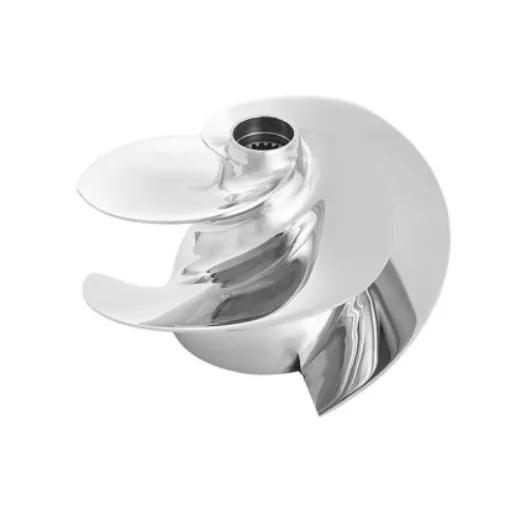
Regular Maintenance Tips for Impellers
Jet ski impellers, when maintained properly, are key factors to your watercraft’s optimal performance and longevity. Regular inspection and maintenance prevent costly repairs and ensure peak performance on the water.
🛠️ Essential Maintenance Practices
1. Regular Inspections
Check the impeller regularly for wear, damage, or debris. Seaweed, plastic, and small stones can accumulate, leading to reduced efficiency and potential engine strain. Conduct thorough visual inspections after every ride, especially in murky or debris-filled water, to catch problems quickly.
2. Cleaning Protocol
Clean the impeller housing and surrounding parts regularly. Saltwater, sand, and dirt can accumulate, leading to corrosion or performance blockage. Rinse the area with fresh water, along with a mild marine-grade cleaning solution. After cleaning, ensure the area is completely dry to prevent rust or corrosion development.
3. Professional Servicing
Schedule routine professional servicing with a certified technician who will perform detailed inspections including checking for proper alignment, blade sharpness, and making necessary adjustments. Regular lubrication of critical parts according to manufacturer recommendations ensures smooth and efficient operations.
Signs of Impeller Wear and Damage
The jet ski’s propulsion system consists of several parts, and the impeller is among the most important factors determining overall performance. Recognizing signs of wear early can prevent costly repairs and maintain optimal performance.
⚠️ Performance Symptoms
- Poor acceleration
- Increased vibrations
- Marked decrease in maximum speed
- Cavitation (high RPMs with slow speed gain)
🔍 Visual Indicators
- Chips or nicks on blades
- Bent or damaged blades
- Wear ring surface wear
- Debris lodged in impeller passages
External viewing can assess damage extent. Check for cuts, small dents, or bumps on the impeller blades since these can affect water flow and reduce system efficiency. Furthermore, inspect the wear ring fitted around the impeller for surface wear or clearance problems, which might result in reduced performance. Often debris like seaweed or sand gets caught between the impeller and wear ring, leading to premature wear and increased friction. Best practice is to remove the pump and check these parts carefully to prevent further damage.
Prevention Tips: Regular maintenance, such as flushing the engine after passing through saltwater and avoiding shallow or debris-heavy areas, can greatly help preserve the impeller and prolong its lifespan. If problems persist, consulting professional technicians with specialized knowledge of jet ski propulsion systems is essential.
How to Replace a Kawasaki Jet Ski Impeller
Replacing a Kawasaki Jet Ski impeller requires preparation, appropriate tools, and careful execution to achieve optimal performance. Follow these steps for efficient replacement:
Step 1: Gather Necessary Tools
Ensure you have all necessary tools including a complete set of socket wrenches, an impeller removal tool for Kawasaki models, a spline tool, and safety gloves. Additionally, have on hand a replacement impeller specifically made for your jet ski’s make and model, along with marine-grade grease.
Step 2: Drain Cooling System
Take the jet ski out of the water and disconnect the cooling system from the engine to ensure the work area is free from water hazards.
Step 3: Dismantle Pump Assembly
Locate the pump assembly at the rear of the jet ski. For access, disconnect the reverse bucket and steering cables. Next, using a socket wrench, remove the bolts holding the pump and extract the entire assembly from the jet ski.
Step 4: Remove the Old Impeller
Hold the pump assembly in a vice grip to keep it steady. Using the spline tool, secure the driveshaft and with the impeller removal tool turn the impeller clockwise until it unscrews. Be extremely careful not to damage adjacent parts during this process.
Step 5: Inspect and Clean Components
Before installing the new impeller, check if the wear ring is still functional or needs replacement. Clean the surrounding area and all components thoroughly to remove any dirt or rust.
Step 6: Install New Impeller
Apply marine-grade grease to the shaft’s threads. Push the new impeller down the shaft using the impeller installation tool and fasten securely. Ensure it is positioned optimally for top performance.
Step 7: Reinstall Pump Assembly
Attach the pump assembly back to the jet ski using bolts to secure it, reversing the bucket and steering cable connections. Recheck all connections to ensure they are tight and secure.
Step 8: Test the Jet Ski
After successful installation, take the jet ski out into a controlled environment such as a calm body of water to check its functionality. The propulsion should feel smooth, with no vibrations or strange noises.
You can successfully replace the Kawasaki Jet Ski impeller and restore your watercraft to peak performance by adhering to these steps. Regular maintenance of the impeller and its related components is important to prevent issues and extend the life of your jet ski.
Upgrading Your Impeller
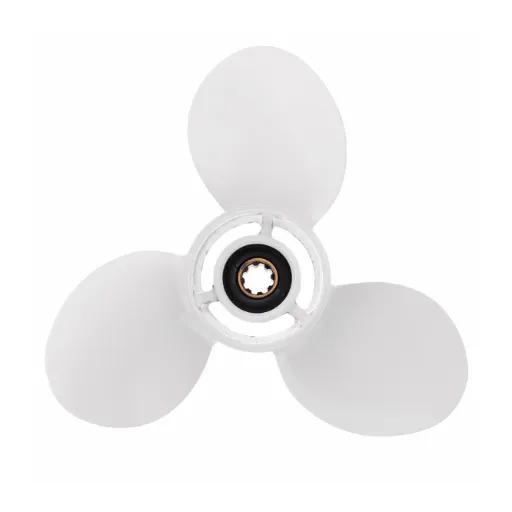
When to Consider an Upgrade
Upgrading your Kawasaki Jet Ski impeller can definitely boost your watercraft’s performance, especially if the watercraft is used in extreme conditions or for certain activities. Understanding when an upgrade is beneficial can help you maximize your investment and riding experience.
🎯 Prime Upgrade Scenarios
Performance Enhancement Goals
The most common motive for upgrading is seeking better acceleration or higher top-end speed. Performance impellers optimize water flow efficiency, allowing your jet ski to achieve faster speeds with excellent handling. If you’re an enthusiast who races or performs vigorous water activities, switching to a performance impeller designed for your activity type will make a significant difference.
Challenging Water Conditions
Operating regularly in difficult aquatic areas such as heavy debris, shallow waters, or areas with constant choppy waves is another sign it’s time to upgrade. Factory impellers may not be durable enough to handle such challenging conditions, resulting in wear and poor performance. Performance impellers constructed with high-strength materials like stainless steel or marine-grade aluminum greatly enhance durability.
System Modifications Integration
If other performance-enhancing modifications have already been implemented on your ski, purchasing a new impeller becomes essential to bring all changes into one cohesive system and gain full benefits. Without a suitable performance impeller corresponding to those modifications, their ability to create expected benefits might be limited due to the propulsion system’s inability to process increased power efficiently.
Taking into account your usage patterns, current conditions, and existing setup can help you decide whether impeller upgrading is the right step to enhance your jet ski experience. Regular discussions with an expert or reviewing manufacturer recommendations can ensure you’re choosing the most suitable option for your objectives.
Benefits of Upgrading to a Solas Kawasaki Impeller
The performance, efficiency, and reliability of your jet ski can be greatly enhanced through an upgrade to a Solas Kawasaki impeller. Here are the major benefits:
| Benefit | Description | Impact |
|---|---|---|
| Acceleration Enhancement | Built to harness your jet ski’s power, providing quickest and smoothest acceleration. Makes the ride very responsive, especially during racing or high-performance situations. | 🚀 High |
| Better Top Speed | Finely-tuned blades and premium materials minimize drag and maximize thrust, resulting in overall speed increase. Significant performance improvement in vast waters. | ⚡ High |
| Reduced Fuel Consumption | Cutting-edge hydrodynamic form creates minimal resistance, supporting fuel economy. Enables longer trips without frequent refueling, making it environmentally and economically friendly. | 💰 Medium |
| Strength and Reliability | Top-tier stainless steel and suitable materials provide extended lifespan even in toughest environments like salty waters. Strong construction reduces attrition and lowers long-term maintenance costs. | 🛡️ Very High |
| Condition-Specific Performance | Choice of impellers fitting exact conditions, whether gliding in tranquil lakes or braving seas. Ensures consistent and dependable performance regardless of setting. | 🎯 High |
Bottom Line: Upgrading to a Solas Kawasaki impeller means accessing the full potential of your jet ski, resulting in an overall better experience on the water.
Installation Tips for New Impellers
Proper installation of a new impeller is crucial for maximum performance and lifetime of your jet ski. To make new impeller installation easy and efficient, follow this step-by-step guide:
📋 Installation Best Practices
- Gather the Necessary Tools: Before beginning, ensure you have all necessary tools, including socket wrench, impeller removal tool, torque wrench, and marine grease. Preparing everything in advance prevents workflow disruption.
- Disconnect the Battery: To ensure safety, disconnect the battery as a precautionary measure. Cutting off power is advisable when performing any maintenance tasks.
- Remove the Existing Impeller: Take off the jet ski’s pump cover and access the pump assembly. Using the impeller remover tool, carefully extract the old impeller. Be extremely careful to protect adjacent components during this procedure.
- Inspect and Clean the Pump Housing: After impeller removal, scrutinize the pump housing. Look for signs of wear, debris, or corrosion. Clean the area thoroughly to eliminate any chance of performance issues from contamination.
- Install the New Impeller: Apply marine grease gently to the threads of the new impeller and install it in place. Once positioned, use a torque wrench to tighten according to manufacturer guidelines, ensuring it stays securely fastened.
- Reassemble the Pump Unit: Securely reconnect the pump cover and fasten the bolts tightly. Ensure all parts are correctly installed to prevent operational friction.
- Reconnect the Battery and Test: Reinstall the battery on your jet ski and run a system test. Briefly operate the jet ski out of water to verify the impeller turns smoothly without strange noise.
💡 Pro Tip: By adhering to comprehensive installation guidelines and manufacturer instructions, you will not only have a more efficient jet ski but also a more powerful one with a new impeller. Choosing the right method and paying attention during installation ensures the part will last longer and your riding experience will be overall superior.
Frequently Asked Questions (FAQ)
❓ What is the purpose and significance of a jet ski impeller in a Kawasaki?
A Kawasaki jet ski impeller is the rotating part of the jet pump responsible for drawing in and expelling water to create thrust. Its influence can be seen in acceleration, low-end thrust, top-end speed, fuel consumption, and overall handling of the machine. It determines ride quality whether you choose stock, aftermarket, or Solas Concord impellers.
❓ In what way can Solas Concord impellers help a Kawasaki gain more power at the bottom end?
Solas Concord impellers strengthen Kawasakis at the lower end by modifying blade shape and angle to move more water at lower RPMs, thereby facilitating faster starts and better acceleration. For Kawasaki jet ski impeller replacements, Concord designs are frequently selected to enhance low-end thrust and mid-range speed depending on the specific model and pitch setting.
❓ If I change to Concord impellers, will there be an increase in low-end thrust without affecting top speed?
Concord impellers can sometimes provide low-end thrust increases while maintaining maximum speed through the way they manage water grip at low RPMs. Some models can increase both low-end and top-end with proper pitch selection; however, any impeller change can result in a small loss of top speed. For Kawasaki jet ski impeller selections, it’s crucial to balance blade design and pitch to maintain both low-end and top-end performance.
❓ Is the finish on Solas impellers polished, and if so, is it an important factor?
Solas impellers come with a polished hub and sometimes polished blade finishes on certain models. A polished surface can reduce cavitation and enhance water flow over the blades, which benefits Kawasaki jet ski impeller efficiency and responsiveness, especially at higher RPMs.
❓ Why would a manufacturer choose to produce impellers with polished hubs? Is it for durability or performance?
Yes, many aftermarket options feature polished hubs to minimize friction and corrosion at critical points. For a Kawasaki jet ski impeller, a polished hub could slightly increase performance and impeller lifespan because it allows smoother rotation and better water flow through the pump.
❓ Which parameters should I consider while selecting the right pitch for a Kawasaki jet ski impeller that would give me balanced output of low-end thrust and top-end speed?
The right pitch selection is affected by factors like rider weight, propeller condition, intake state, and riding purpose. A lower pitch allows faster acceleration and better low-end thrust, while higher pitch favors top speed. Many riders start with Solas Concord impellers designed for low-end enhancement as a base, then adjust pitch to find the perfect mix of low-end thrust and top-end speed.
❓ What indications are there that my Kawasaki jet ski impeller is due for replacement or servicing?
Common indications include increased time to reach speeds, cavitation, vibrations, overheating, and reduced maximum speed. If your Kawasaki jet ski impeller sustains damage such as nicks, dents, or bent hub, or if there’s a drop in performance even after proper engine tuning, then it’s advisable to check the impeller for faults or consider options such as Solas or Concord impellers that offer better tolerance to changing conditions with good low-end performance and durability.
❓ Do Solas aftermarket Concord impellers fit directly all Kawasaki models and does it come with the guarantee of providing more low-end thrust?
Most Solas Concord impellers are specifically made as direct-fit replacements for particular Kawasaki models, although fitment varies by year and engine. In many instances, Solas Concord impellers do boost the low end, but there’s no absolute guarantee—factors like installation of your Kawasaki jet ski impeller, intake condition, nozzle used, and correct pitch selection all significantly influence the final outcome.
🌊 Final Thoughts
Understanding and maintaining your Kawasaki Jet Ski impeller is essential for optimal performance, safety, and longevity of your watercraft. Whether you’re considering an upgrade to a high-performance Solas impeller or simply maintaining your current setup, the knowledge shared in this comprehensive guide will help you make informed decisions and enjoy the best possible experience on the water.
Regular maintenance, timely replacements, and choosing the right impeller for your specific needs will ensure countless hours of thrilling jet ski adventures!