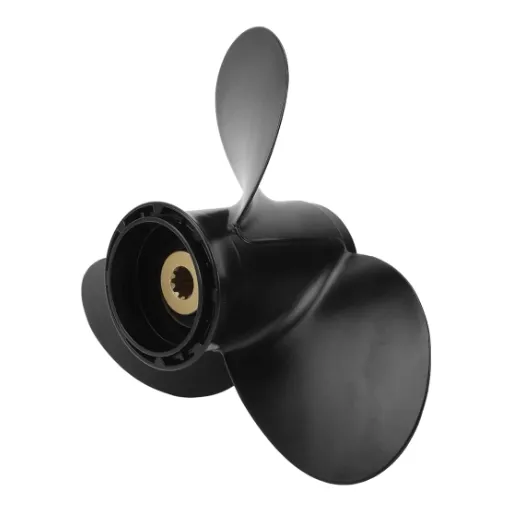
Choosing the right propeller for your outboard engine is one of the most important decisions a boat owner can make. The propeller is not merely a small component of your boat—it has a direct effect on performance, fuel consumption, and even your boating pleasure. But the large number of different options available on the market (such as different materials, pitches and diameters) can make it quite difficult to find the perfect one. The present guide seeks to simplify the procedure, providing you with the knowledge you need to take a well-informed choice. Whether you want to increase speed, improve fuel economy, or have good handling in the water, we have all the necessary information for you.
Understanding Outboard Propellers
What is an Outboard Propeller?
An outboard propeller is considered as a main part of an outboard motor, and it is in charge of moving the boat over water. The engine power is directly transformed into thrust, which again is decided by the direction of the propeller rotation. The shape, size, and number of blades of the propeller significantly affect the overall performance of the boat, that is, speed, acceleration, and fuel consumption.
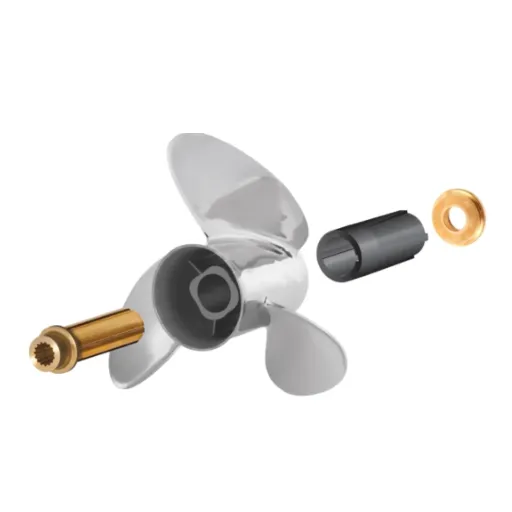
Outboard propeller anatomy consists of blades, a hub, and a pitch. The blades are made up so that they can easily cut through water and the hub is to connect the propeller to the engine shaft. Pitch is the distance a propeller would theoretically cover in water in one complete rotation. Choosing the right pitch is very important to ensure that the engine stays within its best RPM range which not only prevents damage but also maximizes performance.
Key Insight: The outboard propellers are made of different materials like aluminum and stainless steel. Aluminum propellers are light and cost-effective at the same time so they are preferred largely by the occasional boaters. On the other hand, stainless steel propellers provide great longevity and performance though their price is usually on the upper side.
Picking the right propeller means weighing up the factors such as the type of boat, the amount of usage, and the individual performance preferences. A propeller that is well-chosen leads to the smooth handling of the boat and also to the increase of the overall efficiency in the water.
Types of Outboard Propellers
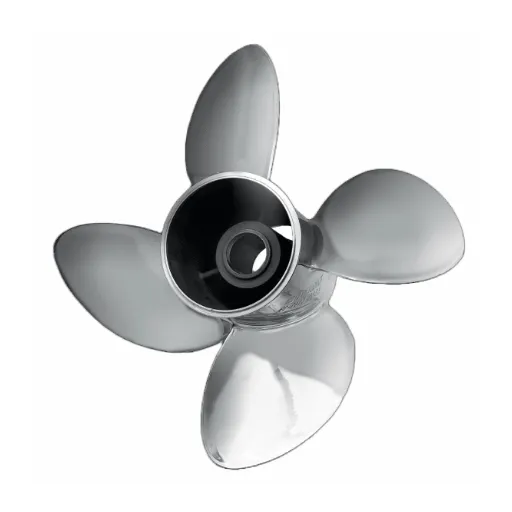
Outboard propellers come in numerous shapes and sizes, with each type providing certain advantages for different boating needs. The most popular propeller forms are three and four blades. Three-blade propellers are often chosen for their superior speed and low fuel consumption. On the contrary, the four-blade variety provides better control and more stability, especially in difficult conditions, which is perfect for fishing or towing watery sports.
Understanding Pitch and Diameter
- Pitch: The distance a boat would cover in one rotation
- High Pitch: Provides high speed but requires more engine power
- Low Pitch: Better for heavy lifting and dragging
- Diameter: Determines the amount of water the propeller can move
Then there are also the materials that differentiate the outboard propellers. The aluminum propellers are lightweight, budget-friendly, and come in a good variety for general use. The stainless steel ones, though pricey, are the ones that last longer and show better performance – thus they are the favorites for the high-speed pools or the craziest water activities. The composite propeller is the third and, in some cases, the very best with its mixture of materials – it lures in the eco-friendly boaters thanks to its great price and durability. Eventually, the choice of a propeller depends on several factors such as funds, boat type, and the particular boating requirements.
Key Components of a Boat Propeller
A boat propeller is majorly made up of four crucial parts that are working together in an efficient manner to give good propulsion and easy steering. The propeller parts are:
Blades
The most striking visible component of the propeller, crafted to cut through the water and create the thrust needed to push the boat forward. Three to five blades are usually on the propeller.
Hub
The center piece of the propeller which attaches it to the engine shaft. It passes the engine’s power to the blades, making it very important in the whole propulsion process.
Pitch
The angle and curvature of the blades that determines the distance the boat moves for each turn of the propeller, affecting speed and torque.
Diameter
The complete width of the propeller from one edge to the opposite edge. More diameter usually results in more power for big boats.
All these parts are made with great precision to suit the power and application of the boat’s engine. If the boaters understand these essential parts, they can make the right choices while selecting or looking after their propellers, thus conservation of water performance.
Comparing Propeller Materials
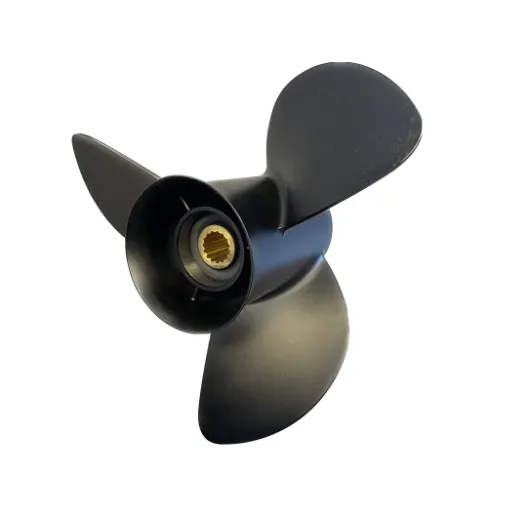
Aluminum vs. Stainless Steel Propellers
Aluminum propellers are low in cost, light in weight, and simple to mend, but they are also less resistant and effective; on the contrary, stainless steel props are able to perform, last, and save the most fuel but they are expensive.
| Key Point | Aluminum | Stainless Steel |
|---|---|---|
| Cost | Low | High |
| Durability | Moderate | High |
| Performance | Basic | Superior |
| Weight | Light | Heavy |
| Repairability | Easy | Expensive |
| Flexibility | High (can flex) | Low (rigid) |
| Top Speed | Lower | Higher |
| Fuel Efficiency | Moderate | High |
| Environment | Calm waters | Abrasive/shallow |
| Usage | General boating | High-performance boats |
Advantages of Stainless Steel Boat Props
✓ Durability and Strength
Stainless steel propellers are a major advantage in the durability and strength factor when compared to propellers made from aluminum. Hence, they are the perfect choice for tough marine places, as they are able to absorb the shocks and resist the wear and tear that happen over time, much better.
✓ Superior Performance
The performance and efficiency of the stainless steel props are mainly due to their stiffness, which also causes less flexing at high speeds. This gives rise to the benefits of smoother acceleration, better fuel economy, and higher top speeds. According to a study, a stainless steel propeller can increase speed by 2-3 mph versus aluminum props.
✓ Corrosion Resistance
Among other things, stainless steel has great resistance to corrosion and this is particularly true in a salty water environment. Its long life is a major benefit to the boaters who often work in the marine area where the risk of rust is the highest.
✓ Enhanced Precision Design
One of the great things about stainless steel is that it can hold very complex and accurate blade designs. This opens up the possibilities for different performance needs, and thus more control in terms of handling and stability on the water.
✓ Long-Term Cost Efficiency
Stainless steel propellers are indeed expensive at first, but their strength and the less frequent need for replacements make them a more cost-effective option in the long run. Boaters are able to save on the costs of repairs and replacements, thus the initial investment is balanced with longer usage.
Propeller Design and Performance
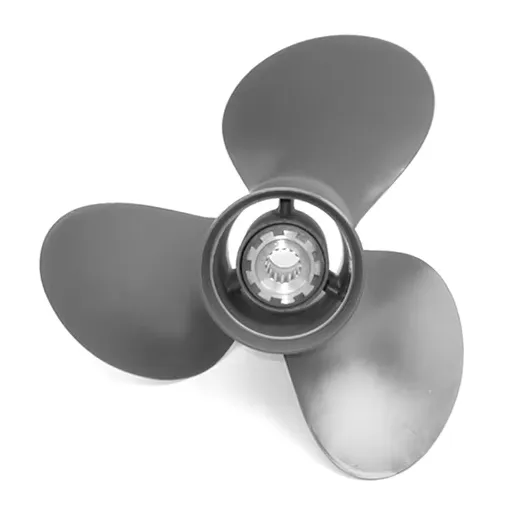
Three-Blade vs. Four-Blade Designs
The three-blade propellers have the advantages of higher top speed and efficiency, whereas four-blade propellers offer control, stability and low-speed performance as their benefits.
| Key Point | 3-Blade | 4-Blade |
|---|---|---|
| Top Speed | Higher | Lower |
| Efficiency | High | Moderate |
| Control | Moderate | High |
| Stability | Moderate | High |
| Vibration | More | Less |
| Acceleration | Quick | Moderate |
| Low-Speed Use | Moderate | Excellent |
| Drag | Less | More |
| Fuel Economy | High | Moderate |
| Best For | Speed | Stability/Load |
Understanding Pitch and Diameter
Pitch and diameter are the main factors that affect a propeller’s performance and efficiency. The diameter is the distance across the circle that the blade tip describes when the propeller is turning. Generally, a larger diameter gives a better thrust, especially for heavy boats, while a smaller diameter allows faster rotations that are suitable for light, high-speed vessels.
Pitch measures the distance that a propeller would travel in one rotation theoretically with no slippage. Low-pitch propellers give more power and faster acceleration at low speeds. They are, therefore, the best choice for towing or heavy loads. On the other hand, the high-pitch propellers grant the highest speed potential which is ideal for light boats that want to be fast but do not care about pulling power.
By knowing how the pitch and diameter of a propeller work together, boaters are able to choose the right propeller that will not only enhance their acceleration, speed, or fuel efficiency according to their needs but also help in getting the exact propeller like in modern software tools that take into account boat size, engine power, and intended use, thus guaranteeing smarter decisions.
Impact of RPM on Performance
The revolutions per minute (RPM) of the engine of a boat are determining factors performance and efficiency besides. The RPM affects factors like engine life, speed, fuel consumption, and load-handling capacity directly. Boat owners can effectively manage the RPM to create a mix of performance and efficiency that is to their liking. Here are five aspects that are influenced by RPM along with their explanations:
⚙️ Fuel Consumption
Higher RPMs generally mean more fuel consumed as the engine burns more fuel for the power. Operating in the optimal RPM range (also known as the “cruise RPM”) guarantees improved fuel efficiency.
🔧 Engine Lifespan
The engine running at high RPMs continuously will get worn out quicker, and hence, its lifespan will be shortened. The advised RPM range is where the engine components get stressed the least and thus have a longer life.
🚤 Top Speed
Coming to the maximum speed of a boat is very much dependent upon high RPM. On the other hand, frequently driving the engine to its RPM limit might impair the long-term performance.
💪 Acceleration and Torque
Low to medium-high RPMs are often associated with the production of better torque, which is essential for fast acceleration and lifting heavy loads such as pulling water skiers or towing boats.
🔊 Noise and Comfort
High RPMs are often the cause of more engine noise and thus a decrease in the comfort level of the passengers on board. Moderate RPM operation leads to a quieter and smoother ride for the passengers.
These aspects show how important it is to watch and adjust the RPMs to get the most out of your boat’s performance while making sure the engine lasts longer and less fuel is consumed.
Maintenance and Care for Outboard Props

Regular Maintenance Tips to Extend Lifespan
- Inspect Propeller Blades Frequently
It is vital to damage the prop blades regularly like nicks, bends, or cracks. Even small flaws can affect performance and fuel efficiency in the long run. It is better to check after every outing to spot issues and deal with them early. - Check for Fishing Line Entanglement
Occasionally fishing lines may encircle the prop shaft accidentally and lead to seal breakage which in turn can be a source of expensive repairs. So it’s a good practice to inspect and clean the propeller of any foreign objects after every use. - Grease the Propeller Shaft
The application of marine grease to the propeller shaft is an effective way of keeping corrosion at bay and making the next removal hassle-free. This step should be performed at regular intervals especially when operating in a salt-water area. - Tighten the Propeller Nut Properly
The propeller nut must be tightened securely but overtightening should be avoided as it may cause thread damage. A torque wrench should be used for tensioning based on the manufacturer’s specifications. - Rinse After Use
Rinsing your outboard prop with fresh water is a must after it has been exposed to either saltwater or debris-laden areas. This minor action prevents corrosion and discoloration in the long run. - Schedule Annual Service
Annual professional service should be part of your maintenance routine. Skilled technicians can clean and repair the seals or components inside, which in turn increases the life of your propeller and engine.
💡 Pro Tip: The outboard propeller that undergoes maintenance through routine practices will not only last longer but also perform better and consume less energy. You can be sure it will stay with you for many seasons ahead.
Signs of Wear and Damage to Watch For
Detecting wear and damage on your outboard propeller is a very important thing for the decision-making process about keeping it working at its best and saving from expensive repairs. Here are the indicators you should take care of most:
⚠️ Bent or Damaged Blades
The propeller blades should be examined carefully for any visible bends, cracks, or chips. They would reduce the efficiency and also cause vibrations during operation. Even small damage can change the fuel consumption and overall performance negatively.
⚠️ Excessive Vibration
When the boat is in operation, and there are vibrations felt that are different than usual, it is possible that an imbalance in the propeller occurred due to the worn or damaged blades. Besides, such vibrations may cause the engine and other parts to experience more stress.
⚠️ Corrosion or Pitting
For boats that work in saltwater, the presence of corrosion or pitting on the propeller can be considered a definite sign of wear and tear. Cleaning and anti-corrosion treatments on a regular basis can lessen this.
⚠️ Worn Hub
The hub that is worn out can create slipping, which leads to reduction in thrust, and together with it, generation of unusual noises. This problem might need the help of a professional for inspection and repair.
⚠️ Reduced Fuel Efficiency or Speed
A decrease in fuel efficiency or maximum speed that is noticeable might mean that there is hidden damage to the propeller or misalignment of it.
⚠️ Rust or Discoloration
Though it is the case of being common in older propellers, rust or dark discoloration can be seen as a sign for immediate maintenance and care to avoid further decline.
Once you keep an eye on these, you will not only secure the safety of your and the propeller’s longevity but also the performance. The early detection saves money, preserves the performance and reliability of your outboard propeller.
How to Properly Install Your Boat Propeller
The correct installation of a boat propeller gives you maximum performance and also protects your outboard motor from damage. Here are the step-by-step instructions that you should follow for a hassle-free and secure installation:
Gather the Necessary Tools and Materials
Start by making sure that you have every single tool that you will need such as a propeller wrench, grease, and any new hardware or parts that are required by your propeller manufacturer.
Inspect the Propeller Shaft
Look at the propeller shaft for any wear, damage, or dirt. Clean the shaft thoroughly and put a marine-grade grease on it to stop corrosion and to make it easier to remove later on.
Slide On the Propeller Components
The first thing you should do is put the thrust washer on the propeller shaft. Make sure it is nicely and correctly aligned. Then, push the propeller on to the shaft.
Secure the Propeller Using the Hardware
Install the prop nut and tighten it securely with a propeller wrench. Follow the torque specifications given in your motor’s manual since overtightening can cause damage.
Install the Locking Mechanism
Depending on your propeller type, use either a cotter pin or a locking tab washer to keep the nut in position. This action will stop the propeller from getting loose when the machine is operating.
Test for Smooth Rotation
After installation, turn the propeller by hand to check that it is turning freely without any wobbling or resistive force. In case of anything, disassemble and do the installation steps once again.
If you are careful and methodical in your installation process, there will be no performance or reliability issues with the propeller. Moreover, the longevity of your propeller and outboard motor will be greatly improved by regular maintenance and inspections as well.
Troubleshooting Common Issues
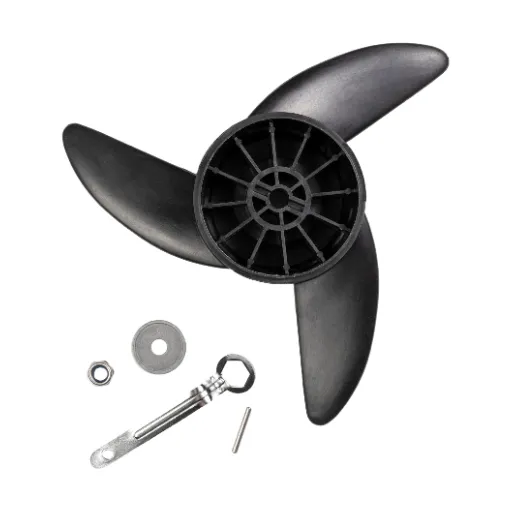
Damage from Debris and How to Avoid It
The debris causing damage to boat propellers is one of the most prevalent problems that boat owners have to deal with, and it can result in a variety of operating problems, ranging from efficiency reduction all the way to complete failure. Either rocks, fishing lines, or driftwood can be the source of the damage, they can all cause the blades to nick, bend or undergo other kinds of impairment, thereby affecting the functioning of the propeller. The outboard motor can be strained due to this wear and tear leading to a possibly costly repair over the years besides just the loss in fuel efficiency.
🛡️ Prevention Strategies
- Stay Alert During Navigation: Be particularly vigilant in shallow or murky waters where underwater obstructions are likely.
- Know Your Waterways: Get familiar with local waterways and always follow navigation charts to avoid areas where obstacles are commonly found.
- Use Detection Equipment: Deploy depth finders or sonar equipment to detect underwater hazards and skillfully navigate through debris.
- Control Your Speed: Maintain safe, controlled speeds in unfamiliar regions or along shorelines to reduce chances of sudden contact with hidden objects.
- Consider Propeller Guards: For high-risk areas, invest in a propeller guard that acts as a shield against underwater debris while allowing efficient propulsion.
The routine fixation of propellers and maintenance is an essential procedure of protecting your propeller from the long term damage caused by debris. After every outing, you should check the propeller for any visible signs of damage like dents, cracks or entanglements of fishing lines. It is important that you check the seals if any fishing line is found; they must be intact; otherwise, there will be water intrusion. To keep the performance at the best cleaning should be done regularly to remove barnacles, algae, or other deposits.
Understanding Cavitation: Causes and Solutions
The cavitation is a phenomenon that happens when the pressure within a liquid falls beneath its vapor pressure, thereby leading to the generation of vapor bubbles. The propeller and other marine equipment usually find these bubbles at the surface. The collapse of the bubbles sends out strong shockwaves and vibrations that might damage the propeller blades or other components nearby. This whole thing not only brings down the propulsion system’s efficiency but also can result in price-y repairs if the issue is not dealt with promptly.
🔍 Common Causes
- Incorrect propeller sizing
- Sailing at excessive speeds
- Operating heavily loaded ships in shallow, turbulent waters
- Poorly designed or damaged propellers
- Water full of debris or excessive aeration
✅ Effective Solutions
- Select proper propeller design and size for your vessel
- Schedule regular inspection and maintenance
- Operate within recommended speed and load capacities
- Consider installing hydrofoils for persistent issues
- Apply modern cavitation-resistant propeller coatings
By comprehending the reasons behind cavitation and taking the right preventive measures, the owners of the vessels will be able to keep their marine systems efficient and extend their life span.
Dealing with Improper Installation Problems
The incorrect installation of marine gear is a matter that comes up quite often and has a considerable negative effect on the performance of the equipment, besides being a source of expensive repairs. The said misalignments, such as happening with the propellers, shafts, and seals, can lead to the generation of vibrations as well as energy losses, and in the long run, even a roof failure. Henceforth, it is highly recommended that vessel owners secure the services of seasoned experts to do every installation, who will strictly abide by the manufacturer’s instructions and also the best practices of the industry. This way, human errors are minimized, and critical systems’ life and dependability are enhanced.
⚙️ Common Installation Issues
Unequal Weight Distribution: This can completely upset a vessel’s balance and stability. This situation not only affects the vessel’s speed and fuel economy negatively but also causes the hull and engine to get worn out quicker. Regularly weighing the vessel and accurately positioning the components during the installation process will eliminate such conflicts.
Precision Tools: The application of sophisticated tools like laser alignment systems guarantees the utmost accuracy in the placement and, consequently, the mitigation of misalignment-caused operational issues.
🔧 Best Practices for Prevention
- Carry out periodic examination and maintenance audits
- Get certified marine technicians to assess installations regularly
- Keep installation and repair records updated for historical reference
- Combine professional handling, precision tools, and proactive maintenance
The combination of professional handling, precision tools, and proactive maintenance can considerably reduce the risks involved with improper installation and thus ensure peak performance of the vessel.
References
-
Marine Propellers – A detailed academic resource from MIT discussing the mechanics and performance of marine propellers.
-
Vetus P3C22X14L – Propeller Specifications – A technical description of a specific propeller model, suitable for various boat types.
-
Marine Propulsion or Steering – A document from the U.S. Patent and Trademark Office detailing classifications and definitions related to marine propulsion systems.
- Click here to read more.
Frequently Asked Questions (FAQ)
❓ What is an outboard engine propeller and why does it matter?
An outboard engine propeller is an important part of the system that transforms the rotating force of the engine into the forward motion of a watercraft. The selection of the correct propeller for the specific outboard motor plays the role of affecting its a boat’s performance regarding hole shot, top speed, ventilation, and fuel economy. In case you’re considering purchasing a Yamaha or Mercury or Evinrude outboard motor or even an aftermarket brand like Michigan Wheel or Solas, it is crucial to ensure the compatibility with your engine’s horsepower (hp) and spline.
❓ How do I find the best outboard boat propellers for my boat?
Outboard propeller finding begins with a guide to choosing an outboard propeller: verify the details of the engine mount, count of shaft spline, range of recommended rpm, and horsepower. Determine if you want an OEM or aftermarket new propeller.
❓ What are the advantages of aluminum vs stainless steel outboard propellers?
The less costly Aluminum boat props for outboards are prevailing and also good stock or replacement props offering competitive pricing and decent strength. However, the strength and longevity of stainless steel outboard boat propellers are superior, they also perform well under load and often have thinner sections of blades for quick hole shot and top speed. The majority of the boaters choose from best aluminum and stainless steel depending on the application—saltwater series II stainless for saltwater use or aluminum for casual freshwater boating.
❓ How do pitch and blade count affect performance (e.g., 3 blade, 17 pitch, 19 pitch)?
Pitch and blade count have a direct impact on the two main factors of performance: acceleration and top speed. For instance, a 3 blade propeller is standard when looking for a well-balanced hole shot as well as top speed. A lower pitch (for example, 17 pitch or 9 pitch) results in faster acceleration and better hole shot but at the same time reduces the top speed, whereas a higher pitch (for example, 19 pitch) opens up the top speed but slower acceleration and overloading on lower hp engines might result. Base your pitch choice on the combination of your engine’s hp, boat load, and desired performance.
❓ How do I know if my propeller is damaged (bent blades) or causing ventilation?
The indications that your propeller has suffered damage are vibration, loss of speed at the top, unpredictable steering, and weak hole shot. Cavitation and ventilation may occur because of bent blades or nicked props. Intake of air into the area of the propeller blades is termed as ventilation which is often caused by incorrect mounting height, damaged blades, or incorrect propeller selection for load and hp. It is advisable to visually inspect the blades and compare the performance to the expected rpm ranges for your engine.
❓ What role does spline and rotation (RH) play when replacing a prop?
Spline is the feature on the prop hub that corresponds to the outboard’s prop shaft; wrong spline count or type will not allow proper installation. Most outboards have RH (right-hand) rotation that must match the gearbox rotation of your engine. Always verify the spline, shaft diameter, and rotation before ordering a new propeller, whether it is OEM stock or aftermarket, to ensure correct fitting and performance.
❓ Are there specific propellers recommended for saltwater use like Saltwater Series II or stainless steel options?
For saltwater usage, most saltwater series or stainless steel options are the preferred input of many fishermen. These are developed to be more resistant to corrosion and hence more durable than the traditional steel. Stainless steel outboard boat props resist pitting and maintain strength better in harsh conditions compared to aluminum, making them a common choice for saltwater boat owners seeking longevity and consistent performance.