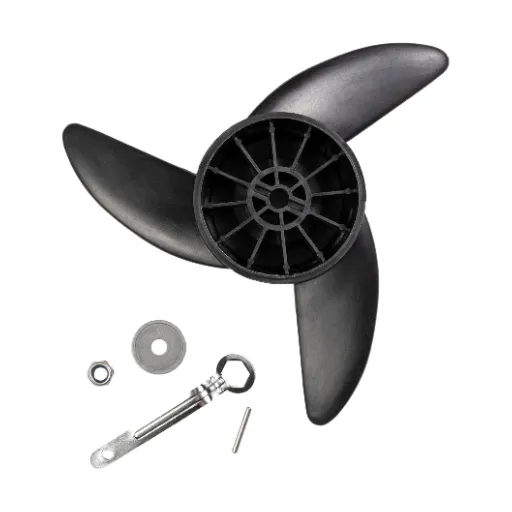
To really get the most out of your boat, one of the most important parts you can get is a propeller. I don’t care if you are an expert boater or merely a beginner, the right outboard motor propeller will make your boat faster, more efficient on fuel, and generally, easier to control. But the choice is between so many available options; the right propeller for your application can be quite confusing. At this time, the guide we offer is here to make the process easy and give you all the knowledge you need about the perfect boat propeller according to your boating style, engine type, and performance goals. So don’t go away—by the end of this piece of writing, you will certainly have the knowledge to take a good decision and have a great time on the water surface.
Understanding Outboard Propellers
What Does an Outboard Motor Propeller Do?
An outboard motor propeller is a necessary component that pushes the boat forward in the water. It performs this task by changing the energy produced by the engine into thrust. The spinning of the propeller leads to a difference in the water pressure around it—the area behind the blades is under high pressure and that in front is under low pressure—which results in the boat being pushed forward. This whole procedure is essential to boat movement and the performance of the boat in general.
💡 Key Insight:
The propeller is also responsible for the boat’s speed, fuel consumption, and maneuverability. You can get the best ride possible by selecting the propeller size and pitch that match your engine and boat type. A propeller with a “lower pitch” will allow for rapid acceleration but will also restrict the maximum boat speed; a “higher pitch” will enable faster speeds but will also be at the expense of acceleration.
In the end, the propeller is the connection from the engine to the water all the way. The boat’s operational efficiency is directly determined by the propeller’s size, material, and design. A propeller that has been accurately selected will guarantee that you are utilizing your engine power to the fullest, thus elevating the performance, cutting down on wear and tear and fuel usage. This connection is out in the open and understanding it well allows you to make wise choices and take full advantage of your boating experience in terms of fun and enjoyment.
Key Components of a Boat Propeller
The propulsion of a boat through water is mainly done by a propeller and consists of different components that are the engine’s power and thrust transfer working together. It is crucial to know these constituents in the process of selecting and the right one for your vessel’s maintenance.
🔧 Blades
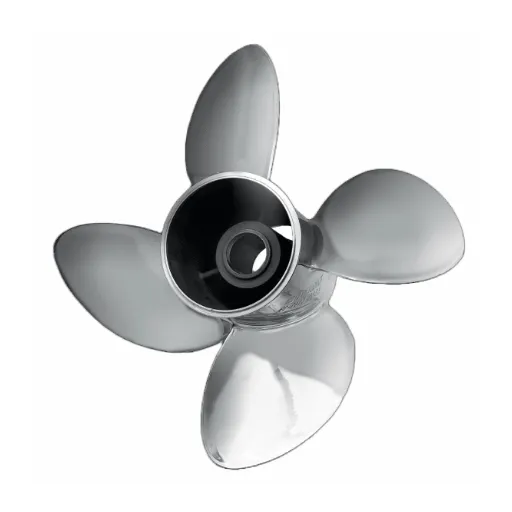
The blades are the primary parts of the propeller that are most seen and beside they are also the most useful. Their angle and design cause the water to go back, thus the thrust generation needed for the unit movement. The characteristics of number, size, and shape of the blades directly affect performance, speed, and fuel consumption. More blades may lead to smoother operation but fewer blades may provide higher speed in certain situations.
⚙️ Hub
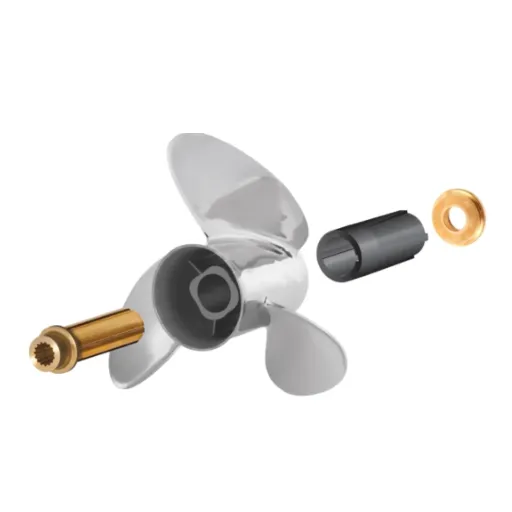
The hub is the component of the propeller that is at its center and attaches to the shaft of the engine. The force of rotation from the engine is allowed to reach the blades by this part of the propeller. It is really important that the hub be fitted securely and that it is the right hub to ensure that there is no disconnect in the flow of power to the blades and the resulting vibrations or damages being minimized or avoided completely.
📏 Pitch and Diameter
Although they are not tangible parts, pitch and diameter are very important specifications of propellers. The term pitch shows the distance the propeller advances in one complete turn while the width is referred to as the diameter. These two parameters continue to affect the boat’s acceleration, maximum speed, and overall maneuverability.
The parts of the propeller at one time play very important role in the vessel’s efficiency and effectiveness performance. The right propeller that fits your engine’s power and purpose will not only be a support for efficiency but also wear reduction and thereby improve your overall boating experience.
Types of Outboard Propellers
Outboard propellers are available in different types, which are each especially designed for certain boating activities and performances. The most commonly utilized types of propellers are aluminum, stainless steel, and composite.
Additionally, the number of blades is a criterion for classification. A propeller can have three, four, or five blades and each option has its positive side. A three-blade propeller goes for speed and efficiency while a four-blade one is a good option for acceleration, smoother driving and stability especially at lower speeds. Manufacturers of five-blade propellers often claim that their product can work smoothly and is perfect for heavy boats or during activities like water skiing or wakeboarding, which come under towing.
⚠️ Selection Tip:
In the end, the selection of the right outboard propeller relies on what you specifically require, namely speed, load capacity, and use. Considerations like boat size, engine power, and water conditions you are likely to face should be among the ruling factors.
Performance Optimization with Outboard Propellers
Improving Speed and Fuel Efficiency
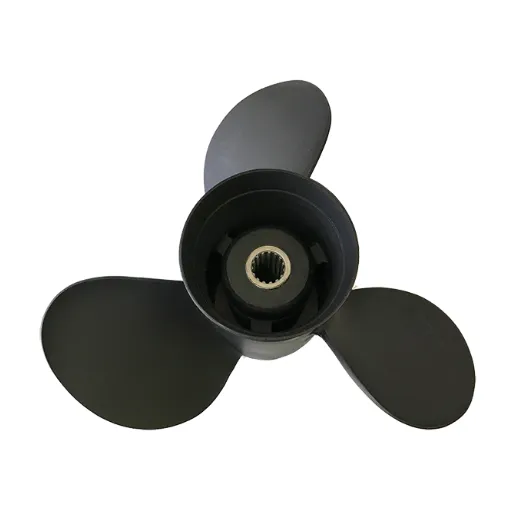
Choosing the right outboard propeller is of paramount importance in the quest to boost your boat’s speed and fuel economy. The proper pitch and diameter of a propeller can maximize engine efficiency by guaranteeing that the motor is rotating at its suggestive RPM.
Low Pitch Propeller
- Fast acceleration
- Reduced top speed
- Better for heavy loads
- Ideal for quick takeoffs
High Pitch Propeller
- Higher maximum speed
- Slower acceleration
- Better fuel efficiency at cruising
- Less power for towing
Material selection is another factor that impacts performance. Aluminum propellers are light-weight and low-priced and give reasonable efficiency for general uses. On the other hand, stainless steel, though more costly, is more efficient and has longer life making it perfect for those who want to increase speed or run in harsh conditions. Besides, the performance of your propeller will be at its best if it is not subject to any damage and has also been well taken care of. Regularly inspecting for chips, bends, or rust is essential since these can cut down fuel efficiency drastically.
✅ Performance Tip:
While tuning your setup, trying different props such as four or five-blade can sometimes very much yield visible improvements. The benefits of multi-blade propellers are less turbulent working and better fuel being used, especially in bad weather or when carrying heavy loads.
Enhancing Overall Boat Handling
Improving boat handling is a must if you want to have a safe and smooth experience on the water no matter if it is recreational boating, fishing, or sailing competitions. The proper handling starts with the upkeep of the vessel’s steering system which should be checked periodically for wear and tear.
📋 Handling Improvement Checklist
- Steering System Maintenance: Regular inspection for wear and tear in hydraulic or cable systems
- Weight Distribution: Proper balancing to maintain stability and reduce fuel consumption
- Modern Technology: GPS systems, auto-pilot, and joystick controls for precision
- Trim Tabs: Installation to stabilize ride and control bow rise during acceleration
- Crew Training: Navigation basics, weather interpretation, and emergency procedures
Advanced technology can be a very effective way of improving your skills when it comes to boat handling. Modern boats are now equipped with tools like GPS systems, auto-pilot, and joystick controls, which are becoming more and more common. Joystick controls, for instance, make it very easy to dock and at the same time very accurate to manoeuvre in tight places, so they are a great addition for both inexperienced and experienced boaters.
Adjustments for Different Boating Activities
Boating activities include a wide range of options, from fishing and water skiing to long-distance cruising and sailing. Each activity has its own requirements, and adjustment to the conditions is the only way to guarantee safety, efficiency, and fun at the water.
Maintenance Tips for Outboard Propellers

Cleaning and Inspection Best Practices
Actually, proper cleaning and inspection of outboard propellers that are conducted at regular intervals will not only ensure optimal performance of the boat’s propulsion system but also prolong its life.
🧼 Step-by-Step Cleaning Process
- Rinse Thoroughly: Use fresh water after every use, especially after saltwater exposure to prevent corrosion
- Apply Cleaning Solution: Use marine-safe cleaning solution with a soft brush for stubborn debris
- Inspect for Damage: Check for dents, cracks, bent blades, and other signs of wear
- Check Hub and Shaft: Look for significant wear or tangled fishing line that could damage seals
- Verify Propeller Nut: Ensure proper tightness without over-tightening
- Apply Protection: Spray metal parts with anti-corrosion compound
⚠️ Important Note:
It is also advisable to schedule professional inspections at intervals when unusual vibrations or performance problems are detected so that early detection of the problem which could otherwise lead to costly repairs can be made.
Proper Storage Techniques
To maintain equine condition, proper boat storage is a must as it protects your vessel from environmental damage while preserving its resale value. The correct storage method depending on the duration and the season of the boat storage is very critical.
Indoor Storage
Advantages:
- Maximum weather protection
- No UV damage
- Climate-controlled options
- Enhanced security features
Covered Outdoor Storage
Advantages:
- More affordable option
- Partial weather protection
- Easier access for trips
- Adequate for moderate climates
📦 Pre-Storage Preparation Checklist
- Drain bilge, plumbing systems, and engine completely to prevent freezing damage
- Apply protective wax coat to deter moisture and UV degradation
- Remove perishables and electronics from galley
- Ensure proper ventilation to prevent mold and mildew growth
- Use fuel stabilizer and change oil for engine protection
- Apply quality covers or shrink wrap for complete protection
Identifying and Addressing Common Issues
To maintain your boat in top condition proper maintenance and troubleshooting are necessary, since minor problems can turn to major problems if neglected.
Troubleshooting Common Propeller Problems
Cavitation and Its Solutions
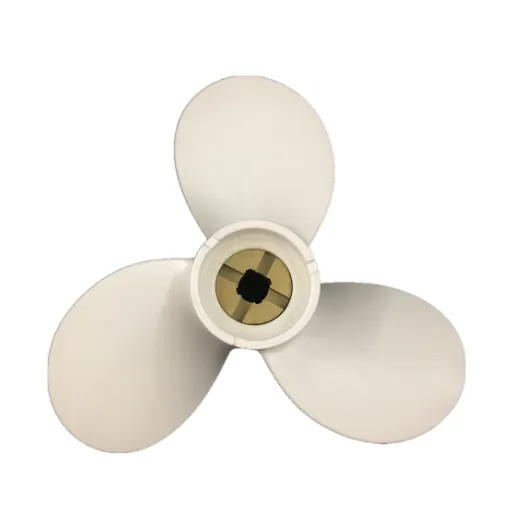
Cavitation is one of the most frequent problems that can have a considerable effect on the boat’s performance and efficiency. It takes place when a change in pressure around the propeller causes the water to form vapor bubbles, which afterward collapse with such force that they gradually damage the propeller’s surface. This process can eventually lead to a decline in thrust, higher fuel consumption, and much noise, which together ruin the whole boating experience.
🔴 Main Factors Promoting Cavitation
- Propeller damage (nicks, dents, deformations)
- Incorrect blade angles
- Water flow obstructions
- Improper propeller sizing or pitch
- Incorrect engine alignment or trim settings
✅ Solutions to Combat Cavitation
- Inspect Propeller Condition: Check for wear, damage, or deformations that interfere with smooth water flow
- Replace or Repair: Address any nicks, dents, or damage immediately through professional repair or replacement
- Verify Proper Sizing: Ensure propeller diameter and pitch match your boat’s specifications
- Check Engine Alignment: Verify correct alignment and adjust trim settings for optimal water flow
- Adjust Trim Angles: Fine-tune trim to reduce pressure variations around the propeller
- Consider Cavitation Plates: Install specialized plates or propeller shrouds to control water flow
Being attentive to these issues and carrying out regular maintenance can drastically cut the incidence of cavitation and also lengthen the service life of the propellers for boaters.
Vibration Issues: Causes and Remedies
Vibration in boats is a problem that occurs frequently and may have many different sources, such as unbalanced propellers, misalignment of the drive shaft, or worn engine mounts. The discomfort created by these vibrations is only one of their negative effects, and if the vibrations are not dealt with, they may even cause mechanical damage over time.
💡 Modern Solution:
The use of modern diagnostic tools like vibration analysis systems can assist in the accurate identification of the source of the problem during the monitoring of vibrations. These tools are capable of monitoring vibration frequency and amplitude, thus making it easier to troubleshoot than just relying on sight.
Assessing Propeller Damage and Replacement Options
Several reasons can lead to propeller damage like debris impact, corrosion, or age-related wear. Propeller inspections for problems are a must – bent blades, cracks, chipped edges, and excessive vibration during operation are the main signs. Any of these occurrences can considerably damage the vessel’s performance and efficiency, thus causing high fuel consumption or unsafe handling.
🔍 Damage Assessment Guide
Signs of Propeller Damage:
- Bent or warped blades
- Visible cracks or fractures
- Chipped or damaged edges
- Excessive vibration during operation
- Reduced performance or efficiency
- Unusual noise or rattling
Repair vs. Replacement Decision:
- Aluminum Propellers: Small nicks or bends can be professionally repaired; severe damage requires replacement
- Stainless Steel Propellers: More durable but cracks or structural issues necessitate replacement
- Hub Issues: Blown cushion or defective hub often requires only hub kit replacement
⚠️ Replacement Considerations:
Moreover, when a new propeller is to be fitted in place of the old one, it is obligatory to take into account some characteristics; namely, pitch, diameter, and the number of blades as they all affect the performance of the vessel. Innovations in propeller design and materials now offer consumers the possibility of selecting products that cater to their specific needs in terms of fuel economy, faster speed, or even extended life in harsh conditions.
Current Trends in Propeller Technology
Eco-Friendly Materials and Their Benefits
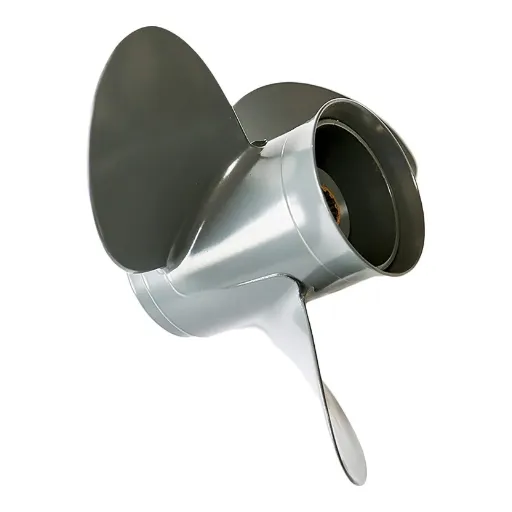
The global trend towards sustainability and environmental conservation has been the main driver pushing the innovative use of earth-friendly materials in the production of propeller making. Such materials not only promise to deliver environmental-friendly badly but also come with high performance and efficiency.
🌱 Composite Materials
Benefits:
- Much lighter than traditional metals
- Better fuel efficiency
- Decreased carbon emissions
- Natural corrosion resistance
- Longer lifespan in marine environments
♻️ Bio-Based Materials
Benefits:
- Recycled polymers or bioplastics
- Supports circular economy principles
- Lower carbon emissions in manufacturing
- Reduces waste and conserves resources
- Environmentally responsible production
Eco-friendly materials are not only used in the manufacture of such like materials, but the design of the propellers has also been improved to ensure that they do not have a negative impact on the marine habitats. Among the developments in this area are the designs of low-noise propellers to help minimize the pollution of underwater sound that could cause disturbance to marine life. Besides, nature-inspired smooth designs lead to decreased resistance and hence, less energy needs for operations, thus, being more eco-friendly.
🌊 Environmental Impact:
The combination of these innovations, along with the use of environmentally friendly materials, proves the marine sector’s dedication to lessening its environmental impact while at the same time providing high performance and lasting products. This is a great show of technology and environmental accountability coming together.
Innovative Designs in Modern Propellers
The modern day propeller designs never stay the same and keep changing in accordance with the needs for better efficiency, lesser environmental impact, and higher performance for operating.
🚀 Latest Propeller Innovations
Propeller Boss Cap Fins (PBCFs):
Demonstrated fuel savings by lessening energy loss caused by propeller hub vortex. This innovation significantly improves overall propulsion efficiency.
High-Skew Propellers:
Cuts down vibration and noise, adding to operator comfort and compatibility with marine life. Essential for environmentally conscious boating.
Carbon Fiber Reinforced Polymers:
Latest composite materials that are lighter and more corrosion-resistant, extending propeller lifespan significantly.
Computational Fluid Dynamics (CFD):
Advanced simulations and data-driven testing optimize blade shapes for maximum thrust while reducing fuel consumption.
Dual-Fuel Ready Designs:
Propellers designed to maximize alternative energy sources like LNG (liquefied natural gas), supporting the transition to cleaner marine fuels.
The mentioned improvements should be seen as the indication that the maritime technology is still very much concerned with the proper relationship of innovation and sustainability.
References
-
Understanding Propeller: Prop Diameter & Prop Pitch
A guide discussing the selection of the right propeller for boats, focusing on prop diameter and pitch. -
Boat Prop Guide: The Basics
A resource from Auto Training Institute explaining the relationship between propeller size and engine compatibility. -
Marine Propellers
A document from MIT discussing the mechanics of marine propellers, including thrust generation and torque. -
Rare Find Propeller: Material and Compatibility
A detailed description of high-strength marine-grade aluminum propellers and their compatibility with outboard motors. -
Chapter 7 – Propellers
A chapter from the FAA discussing the development and functionality of propellers, including their role in absorbing engine power.
Frequently Asked Questions (FAQ)
🚤 Ready to Optimize Your Boating Experience?
With the right propeller selection and proper maintenance, you can maximize your boat’s performance, fuel efficiency, and longevity. Remember to consult with marine professionals for personalized recommendations based on your specific boating needs.