The right propeller for your boat will make a striking difference to the performance, efficiency, and overall enjoyment of being out on the water. Any knowledgeable boater or beginner boat owner must understand the basics of boat propellers. Boat propellers are more than just spinning blades—they are the force transmitters behind the motion of your vessel. This article explores the intriguing world of propeller outboards, discussing their capabilities and types, to help you make informed decisions and gain more pleasure from your boating adventure.
Introduction to Boat Propellers
What is a Propeller?
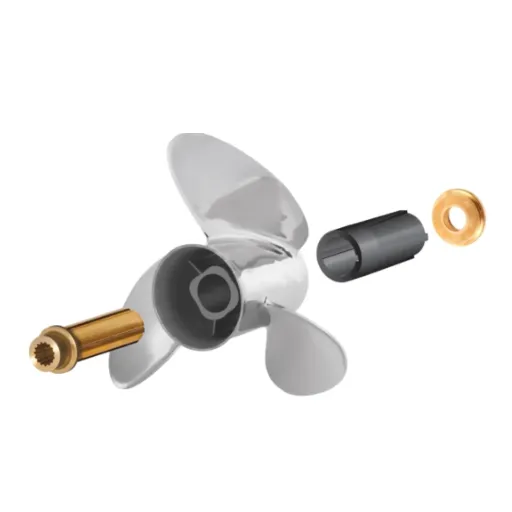
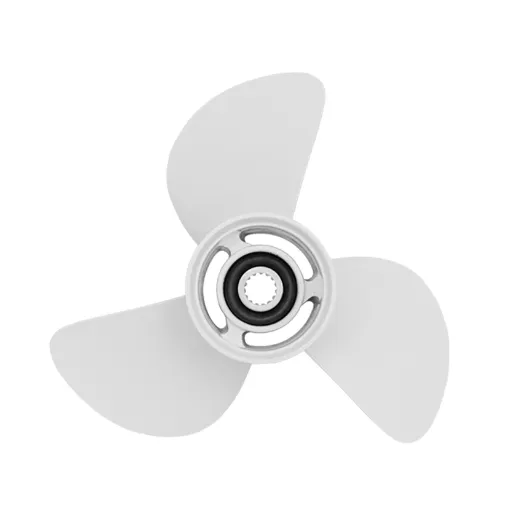
A propeller is a mechanical device that moves boats through water. Typically, it consists of a central drive hub surrounded by multiple angled blades, which produce thrust when rotated. This thrust moves boats forward or backward, depending on the specific movement direction of the blades as they turn.
The methodology behind propeller operation involves converting torque from an engine into forward motion. The angled blades create changes in water pressure as they rotate, propelling water backward and pushing the boat forward through the action-reaction forces originally proposed by Newton. The effectiveness of this propulsion process depends on a combination of propeller size, pitch, and blade material.
💡 Key Insight: The choice of a propeller depends on the boat type, engine power, and intended use—whether recreational boating, fishing, or water sports. Understanding propeller basics ensures maximum performance and efficiency on water.
Types of Boat Propellers
Boat propellers are manufactured in various designs to suit specific requirements and operating conditions. Understanding the differences between these types helps you select the ideal propeller for your vessel.
Three-Blade Propellers
This is the most widely used model, offering a balanced mix of performance and efficiency. Three-blade propellers are popular due to their capability of reaching good speeds and are recommended for almost every kind of recreational boat. They perform well at both top-end speed and mid-range operations, making them an excellent value option.
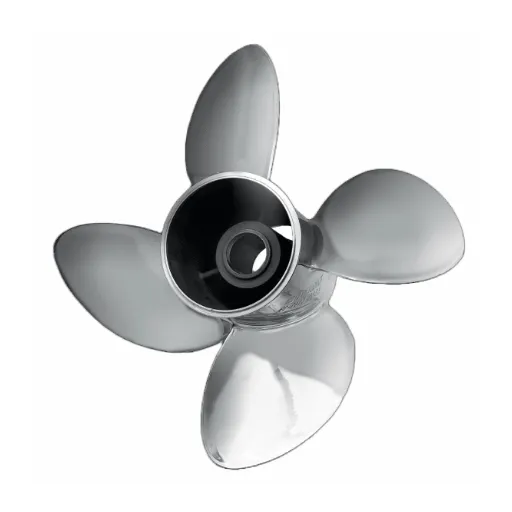
Four-Blade Propellers
These propellers offer smoother operation at low speeds and improved stability. Four-blade propellers provide better thrust and stability, making them ideal for carrying heavy loads or operating in rough sea conditions. They excel at reducing vibration and improving control during docking maneuvers.
Material Considerations
The material used in propeller construction significantly impacts performance, durability, and cost:
- Aluminum Propellers: Cost-effective and lightweight, ideal for casual boating applications. They offer good value for recreational use and are easier to repair or replace.
- Stainless Steel Propellers: More durable and wear-resistant, offering remarkable performance under high-stress conditions. Ideal for high-speed or long-term usage, though more expensive than aluminum options.
⚠️ Selection Tip
The selection of the correct propeller depends entirely on desired boat speed, loading capacity, and water environment. Taking these factors into consideration results in optimal performance and enhances the overall boating experience.
How Propellers Work with Outboard Engines
The role of marine propellers with outboard engines is to convert power into thrust, enabling the boat to move forward and backward. The boat’s force originates from the rotation of the outboard engine, which drives the propeller blades attached to the shaft. As it spins, the blades create areas of high and low pressure that generate thrust to propel the boat. Control of direction and speed is achieved through throttle and steering adjustments.
🔧 Critical Performance Factors
Pitch
The distance a propeller travels forward in one full rotation. Higher pitch provides greater speeds but requires more power; lower pitch offers better performance for heavy loads and slower speeds.
Diameter
Refers to the width of the theoretical circle created by the rotating blades. Proper diameter ensures optimal thrust and efficiency for your specific boat and engine combination.
Number of Blades
Contributes to the trade-off between speed and smooth operation. Three-blade props are common for overall performance-versatility advantage, while four-blade props provide smoother, quieter operation.
Choosing the correct propeller for an outboard engine ensures smooth operation, minimal fuel consumption, and optimal speed control. Environmental factors such as water conditions, boat weight, and intended use all affect propeller performance. Regular maintenance—including damage inspection and proper fitting—will prolong the efficiency of both propeller and motor. Proper balancing of these elements means better handling and more enjoyment on the water.
Materials Used in Boat Propellers

Stainless Steel Propellers: Advantages and Disadvantages
Stainless steel propellers are a favored choice due to their high quality and extended service life. However, like all materials, they have both strengths and limitations. Here are the key advantages and disadvantages to consider when selecting stainless steel propellers for your boat.
✅ Advantages
- Exceptional Durability: Stainless steel propellers resist wear and damage effectively, making them ideal for long-term usage in demanding environments. They withstand impacts better than aluminum propellers.
- Superior Performance: The inherent rigidity of stainless steel propellers allows them to maintain their shape under high speeds and pressure, resulting in less drag, precise thrust, and better acceleration.
- Corrosion Resistance: Highly resistant to rust and corrosion, particularly in saltwater conditions, making them superior choices for marine applications.
- Improved Fuel Efficiency: The sturdy construction and optimal performance characteristics contribute to better fuel economy over time.
- Long-Term Value: Despite higher initial costs, their durability ensures extended lifespan and high resale value, delivering all-around performance benefits.
❌ Disadvantages
- Higher Cost: Stainless steel propellers are significantly more expensive than aluminum alternatives, potentially exceeding budget constraints for some boaters.
- Weight Considerations: The heavier construction can place additional strain on outboard motors, potentially resulting in minimal speed reduction.
- Potential Engine Damage: Due to their rigidity, stainless steel propellers may transfer impact trauma directly to the engine when striking objects, potentially causing damage.
- Difficult Repairs: While durable, stainless steel propellers are harder and more expensive to repair when significant damage occurs.
- Limited Suitability for Shallow Waters: For smaller boats or shallow-water operations where underwater obstacles are common, the damage potential may make stainless steel less practical.
💡 Decision Guide: Balancing these advantages against disadvantages requires examining your specific boating requirements and environment to assess whether a stainless steel propeller is the right choice for you.
Aluminum Propellers: Benefits and Limitations
Aluminum propellers are the most common choice for many boaters, offering an attractive blend of cost, performance, and durability. Here’s a comprehensive breakdown of their benefits and limitations.
✅ Benefits
- ✓
Cost-Effective: Significantly more affordable than stainless steel, making it an accessible choice for budget-conscious boaters. - ✓
Lightweight Design: Easier to handle, remove, and reinstall—a major advantage for recreational boaters performing their own maintenance. - ✓
Good Corrosion Resistance: Tolerates both fresh and saltwater environments reasonably well with proper care and maintenance. - ✓
Wide Availability: Extensive selection from various manufacturers in different sizes and configurations ensures compatibility with most engines and boats. - ✓
Impact Absorption: When striking underwater objects, aluminum propellers absorb energy better, reducing potential damage to the hull and engine systems.
❌ Limitations
- ✗
Lower Strength and Durability: Less robust than stainless steel; aluminum tends to bend and crack more easily under stress and impact. - ✗
Reduced High-Speed Performance: May exhibit flex at high RPMs, leading to decreased performance and efficiency at top speeds. - ✗
Shorter Lifespan: In demanding environments or with high-powered engines, aluminum propellers typically have a shorter service life than stainless steel counterparts. - ✗
Limited High-Performance Use: Not recommended for high-powered, high-performance boat engines where reliability and maximum performance are critical.
Choosing Between Stainless Steel and Aluminum
The decision between stainless steel and aluminum propellers depends on your specific boating needs, budget, and performance requirements. This comparison table provides a quick reference:
🎯 Selection Summary: Stainless steel excels in performance, longevity, and efficiency, while aluminum offers affordability, easier repairs, and better suitability for general recreational boating.
Installing Your Outboard Propeller

Tools and Hardware Needed for Installation
Proper installation of an outboard propeller requires specific tools and equipment to ensure everything fits precisely and safely. Gathering these items beforehand streamlines the process:
🔧 Ring Wrench
Assists in gripping propeller nuts with grooves for easy handling and leverage application.
🔧 Tongue & Groove Pliers
Essential for handling cotter pins and manipulating small components during installation.
🔧 Split/Cotter Pins
Safety fasteners that prevent propeller nuts from loosening during operation. Always replace worn pins.
🔧 Marine Propeller Grease
Waterproof grease that reduces friction and prevents corrosion on the propeller shaft.
🔧 Thrust Washer
Crucial for proper propeller alignment and minimizing wear on the engine’s lower unit.
🔧 Socket Wrench Set
Versatile tool set for handling bolts and nuts throughout the propeller assembly.
🔧 Protective Gloves
Provide grip when working with tools and greasy parts while protecting your hands.
🔧 Propeller Nut
Secures the propeller in place, ensuring tight adherence to the shaft during operation.
⚠️ Important: Having the proper tools and spare parts before beginning work will ease the installation process and minimize frustration. Always follow your outboard engine manufacturer’s guidelines for specific instructions related to your propeller model.
Step-by-Step Guide to Installing a Boat Propeller
Follow this comprehensive guide to safely and correctly install your outboard propeller:
Keep your workspace clean, organized, and clutter-free. Have a stable work platform near the water to support necessary gear including the new propeller, thrust washer, castle nut, cotter pin, and protective gloves.
Begin by turning off the engine and disconnecting the battery for safety. Carefully straighten the cotter pin, then remove the castle nut by unscrewing it. Remove the old propeller while keeping the thrust washer, as it may be reusable depending on its condition.
Check for damage, fishing line wraps, or foreign matter on the propeller shaft. Clean off old grease or corrosion using a reputable solvent or cloth. Apply fresh marine grease to protect the shaft from wear and facilitate easier installation.
Place the thrust washer onto the propeller shaft first. Ensure it fits correctly to maintain smooth propeller movement. Configure it according to the manufacturer’s manual.
Carefully slide the new propeller onto the shaft. Ensure it rests securely with the splines properly engaged within the hub. Avoid forcing installation to prevent damage.
Install the washer and castle nut onto the shaft and tighten firmly by hand. Use a torque wrench to tighten according to the manufacturer’s recommended specifications. Over-tightening may damage the propeller, while under-tightening could cause it to detach.
Insert the cotter pin through the aligned grooves and bend its arms to secure the assembly. This prevents the nut from loosening during operation.
Thoroughly inspect all components to ensure proper placement. Manually rotate the propeller blades to check for smooth movement without resistance or unusual noise.
Reconnect the battery and perform a water trial. Check for smooth operation, proper engine function, and absence of unusual vibrations.
✅ Success Factor: Properly executing these procedures with correct tools and safety precautions ensures effective propeller installation. Regular maintenance and inspection are crucial for propeller longevity and enjoyable boating experiences.
Common Mistakes to Avoid During Installation
Avoiding these common installation errors will save time, money, and ensure optimal propeller performance:
❌ Incorrect Propeller Size or Pitch
Using a propeller that doesn’t conform to your engine specifications results in poor performance and fuel efficiency. This mistake can damage engine condition. Always verify propeller specifications match your boat manufacturer’s guidelines.
❌ Improper Tightening of Hardware
Failing to apply recommended torque for the propeller nut can lead to dangerous blade detachment during operation. Conversely, overtightening damages shaft threads. Use a torque wrench and follow manufacturer specifications.
❌ Neglecting Marine Grease Application
Absence of marine grease on the propeller shaft causes corrosion and makes future removal difficult. Always apply appropriate marine-grade grease during installation.
❌ Ignoring Damage Inspection
Installing a warped or damaged propeller causes vibration, efficiency loss, and potential catastrophic unit failure. Always inspect propeller blades for bends, chips, or cracks before installation.
❌ Failing to Replace Washers
Using old or worn washers leads to operational failures. These vital components should always be replaced during propeller installation to prevent mounting issues.
❌ Skipping the Test Run
Returning to water without testing may leave minor issues undetected. A test run after installation reveals problems requiring adjustment for smooth operation.
💡 Best Practice: Eliminating these common faults ensures proper propeller installation, prolonging equipment life and maintaining well-functioning boat performance. A diligent approach saves time, money, and enhances every water experience.
Maintaining Your Outboard Propeller
Regular Maintenance Tips for Longevity
Consistent maintenance extends propeller life and ensures optimal boat performance. Follow these essential maintenance practices:
🔍 Regular Damage Inspection
Frequently check propeller blades for dents, cracks, or bends. Even minor damage reduces performance and can harm your outboard motor. Address visible damage promptly to prevent worsening.
🧹 Clean Debris and Build-Up
After each use, remove fishing lines, weeds, barnacles, and other debris. Build-up causes imbalance and performance issues over time.
🛢️ Grease the Propeller Shaft
When removing the propeller, apply marine-grade grease to the shaft. Regular greasing prevents the propeller from seizing onto the shaft and facilitates easier future removal.
🔩 Inspect and Replace Propeller Nut
Ensure the propeller nut is secure without overtightening. Regularly check for wear and rust, replacing when damage appears. A worn or loose nut causes propeller malfunction.
⚠️ Monitor for Vibration
Upon noticing unusual vibrations while operating, immediately stop and inspect the propeller. Vibrations may indicate imbalance or underlying issues requiring immediate attention.
❄️ Seasonal Storage Precautions
When winterizing your boat, remove the propeller and inspect the shaft for fishing lines and corrosion. Store the propeller in a safe, dry place to prevent damage.
✅ Maintenance Benefit: Incorporating these maintenance guidelines into your routine will significantly extend your outboard propeller’s life and ensure consistent boat performance.
How to Inspect Your Propeller for Damage
Routine propeller inspection ensures flawless functionality and safety. Follow these comprehensive examination steps:
Visual Inspection
Examine the propeller for obvious signs of damage including cracks, dents, or gouges. Note any nicks or abrasions on blade edges that can affect performance.
Check for Deformations
Rotate the propeller and inspect each blade to ensure symmetrical shape without bends. Damaged blades cause vibration and poor fuel efficiency.
Examine for Corrosion
Inspect propeller surfaces for corrosion or pitting, especially after saltwater use. Address minor corrosion and consider applying protective coating.
Inspect the Hub
Examine the propeller hub for wear or damage. A cracked hub causes slipping and poor propeller performance requiring prompt attention.
Check for Fishing Line
Look carefully for fishing lines wrapped around the shaft. These can damage the prop seal and cause expensive gearbox problems if not removed immediately.
Assess Propeller Balance
If you suspect imbalance, consult an expert or use a balancing tool. Unbalanced propellers increase vibration and engine load.
⚡ Performance Optimization: Regular inspection with prompt repair of damages ensures optimal propeller performance, fuel savings, and extended operational life.
Cleaning and Care for Different Propeller Materials
Cleaning practices and maintenance requirements vary according to propeller material. Proper care maximizes performance and longevity:
⚙️ Aluminum Propellers
Aluminum is lightweight and corrosion-resistant but requires regular cleaning to maintain surface quality. Rinse aluminum propellers with fresh water after each use, especially in saltwater. Remove salt and debris using mild detergent and a soft-bristle brush to prevent surface abrasions.
⚙️ Stainless Steel Propellers
Stainless steel propellers are renowned for strength and wear-resistance in demanding conditions. Rinse thoroughly with fresh water after each trip, especially in saltwater environments. For stubborn stains or grime, use non-abrasive stainless steel cleaner to restore shine and prevent tarnishing.
⚙️ Composite Propellers
Composite propellers offer good corrosion resistance but require careful cleaning. Manual cleaning removes debris effectively. Rinse thoroughly to eliminate dirt and residue.
⚙️ Bronze Propellers
Common on larger boats, bronze propellers offer high corrosion resistance but develop patina over time. Clean accumulated dirt using fresh water and soft cloth to avoid scratches. For stubborn deposits, use brass-safe cleaning substances.
✅ Care Principle: Customizing cleaning processes to your propeller’s material reduces wear, increases fuel efficiency, and enhances performance. Always follow manufacturer maintenance guidelines and seek professional assistance for repairs when needed.
Troubleshooting Common Propeller Issues

Signs of Propeller Problems
Early recognition of propeller malfunctions protects your boat from enhanced damage and prevents expensive repairs. Watch for these warning signs:
⚠️ Performance Loss Indicators
- Reduced Speed: Noticeable wheel slippage and slower acceleration times
- Poor Cruising Ability: Difficulty maintaining consistent speeds
- Bent or Damaged Blades: Insufficient thrust generation
- Increased Vibrations: Wobbling or sudden jolts indicating chipped or unbalanced propeller
- Higher Fuel Consumption: Engine working harder against faulty propeller
- RPM Issues: Difficulty holding plane or maintaining even RPM, suggesting improper propeller pitch
🔍 Physical Condition Checks
Regularly examine the propeller’s physical condition for corrosion, dents, or holes that threaten structural integrity. Blades wear quickly in shallow waters from rocks and debris, requiring prompt attention to prevent serious damage.
Diagnosing Performance Issues
A malfunctioning propeller creates problems including reduced speed, vibrations, and decreased fuel efficiency. Follow this diagnostic approach:
📋 Step 1: Verify Propeller Specifications
Assess whether the propeller properly matches boat and engine specifications. Incorrectly sized propellers cause suboptimal performance and engine strain. Refer to manufacturer recommendations for specified propeller pitch and diameter.
📋 Step 2: Inspect Blade Condition
Damaged or bent propeller blades cause imbalance and vibrations throughout the boat. These vibrations interfere with performance and eventually wear engine mounts and critical components. Examine blade edges and surfaces for dings, cracks, or deformities, arranging professional repairs or replacements as needed.
📋 Step 3: Check for Marine Fouling
Barnacles or algae buildup increases drag and decreases performance. Regular cleaning prevents this accumulation and maintains propeller efficiency.
📋 Step 4: Address System-Wide Issues
If the propeller appears undamaged, performance drops may stem from fuel system issues, engine overheating, or boat weight imbalance. Monitor RPM during operation—if the engine never reaches recommended RPM range, investigate prop-matching or mechanical constraints. Complete system inspections and maintenance schedule adherence help diagnose and resolve performance problems.
When to Replace Your Outboard Propeller
Replace your boat propeller when performance deteriorates or visible wear and damage appear. Consider these replacement indicators:
🚨 Critical Replacement Signals
Physical Damage
Dents, cracks, or bent blades require immediate replacement. Damaged propellers reduce efficiency, increase fuel consumption, and potentially damage the motor.
Performance Changes
Difficulty reaching optimal engine RPM, unusual vibrations, or air churning indicate propeller wear or damage requiring replacement.
Shallow Water Operation
Regular use in shallow or debris-filled waters accelerates wear, necessitating more frequent inspections and replacements.
Efficiency Decline
Noticeable drops in fuel efficiency or sluggish response suggest the propeller has passed its optimal service life.
💡 Maintenance Wisdom: Regular inspection and timely propeller replacement ensure optimal boat performance and efficiency. Proper maintenance and early replacement when needed result in trouble-free journeys and engine-friendly operation.
References
- MIT DSpace:Propeller design and analysis for a small, autonomous UAV – A study on propeller design and modifications.
- Academia.edu: Hydrodynamics of Surface-Piercing Outboard and Sterndrive Propulsion Systems– Research on hydrodynamics and propulsion systems.
- OhioLINK ETD Center: Changes in Propeller Performance Due to Ground and Partial Ground Proximity – Analysis of propeller performance in different proximities.
Frequently Asked Questions (FAQ)
❓ What is a propeller outboard and how does it impact performance?
A propeller outboard is a propeller mounted on an outboard motor that generates thrust to propel your boat through water. Its design—whether three-blade, four-blade, collapsible, or solid stainless steel or aluminum—directly affects acceleration, top speed, maneuverability, and fuel efficiency. An appropriate propeller enhances thrust, reduces vibrations for smoother rides, and optimizes engine horsepower utilization for the gearcase and shaft size.
❓ How do I select between aluminum and stainless steel propellers?
Aluminum propellers are cost-effective, lightweight, and excellent as backup or replacement options, while stainless steel products offer superior strength, durability, and performance for high-performance engines or higher horsepower applications like 300 series Yamaha. Stainless steel propellers deliver better speed, less ventilation, and improved boat handling, though they cost more than aluminum alternatives.
❓ What’s the difference between three-blade and four-blade propellers?
Three-blade propellers typically provide higher top-end speed and work well for lighter loads on planing hulls. Four-blade propellers increase thrust, lift, and control, smoothing acceleration and improving off-the-line power for heavier loads. They also enhance handling for water sports and precise docking maneuvers. Selection depends on your boat type, horsepower, intended use, and whether you prioritize fuel efficiency or performance.
❓ How do size and pitch affect propeller selection?
Size and pitch determine how much water the propeller moves per revolution. Diameter and pitch (measured in inches) should match your engine horsepower and boat design. Excessively high pitch burdens the engine, while too-low pitch reduces thrust. Consult OEM specifications or use selection tools to determine the optimal pitch and diameter for quiet operation and trouble-free engine performance.
❓ What causes propeller ventilation and how can I reduce it?
Ventilation occurs when air or exhaust is drawn into the propeller, reducing thrust and causing cavitation. This happens from damaged propellers, pitch/diameter mismatches, overly high mounting positions, or improper propeller type for the load and speed. Reduce ventilation through different propeller designs, trim adjustments, cup modifications, or improved venting design to boost acceleration and handling performance.
❓ Do folding propellers work well on outboard boats?
Folding propellers work best for sailboats or hybrid applications to reduce drag. While offering efficiency improvements in certain conditions for recreational outboard boats, folding props don’t match the strength, thrust, or performance under severe circumstances of fixed stainless steel or aluminum propellers.
❓ How do I know when to replace my propeller and what tools are needed?
Replace propellers when experiencing excessive vibrations, reduced speed, blade damage, or bent hubs. Regular inspections of hubs, blades, and hardware are essential. Basic tools include a prop wrench, torque tool, and examination of engine hardware like the propeller shaft, shear pin, or clevis pin to ensure correct installation and prevent gearcase damage. Use OEM spares or quality aftermarket equivalents for optimal efficiency and fuel economy.
Conclusion
Understanding boat propellers—from their types and materials to proper installation and maintenance—is essential for maximizing your vessel’s performance and enjoyment on the water. Whether you choose aluminum for its affordability and practicality or stainless steel for its durability and superior performance, selecting the right propeller for your specific boating needs ensures optimal efficiency, fuel economy, and longevity. Regular maintenance, proper installation techniques, and timely replacements when needed will keep your outboard propeller performing at its best, providing you with countless memorable experiences on the water.
⚓ Ready to Optimize Your Boating Experience?
Apply these propeller insights to enhance your boat’s performance, efficiency, and reliability for years of smooth sailing ahead!