Boating provides unlimited recreation and adventure opportunities, but in turn, boaters must understand that they must always prioritize water safety. Avoiding injuries caused by propeller strikes is one of the most important ways to keep people safe while enjoying an adventure on the water, therefore promoting the use of props and guards may maintain everybody else’s safety awareness. This basic emergency aid will help protect those in or on the water and may promote safe boating. Learn with us how they work, why you need them, and how the safe conduction of every boating experience together is ensured.
Understanding Propeller Guards
What are Propeller Guards?
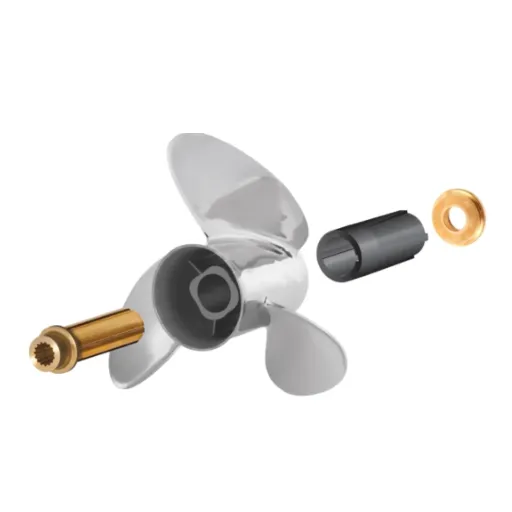
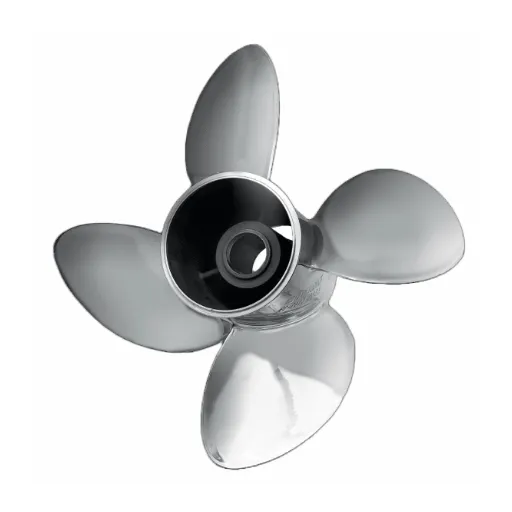
Propulsion protectors are maritime security apparatuses made especially to encase or partially encase a boat’s propeller. They, in their simple mode of refinement, fundamentally comprise protection from the spinning portals while they are in contact with someone on the water, swimming, diving or engaged in other water-related activities. Hence, robust metal or plastic materials like guards are manufactured to assume beyond the role of acting as a solid defender-but permitting the propeller its stride at full efficiency.
The types of propeller protectors are cages, rings, or ducted designs-counterparting all arranges for build-up but disporportioned way to enhance water safety. The propeller protectors come in forms of fixed units or units that can be adjust or removed, in response to the activity and the boat’s expectation behavior, as swimming or trawling and they are frequently decided upon depending on the size of the boat-a string of conventional water use (like recreation or fishing), and the chances of somebody being on the water.
Important Note: Apart from safety features for persons, what the propeller protection additionally serves is the protection of the propeller itself. Propeller shields help safeguard a propeller from debris, underwater contact, or collisions with the surrounding water. The propeller guard not only extends the propeller’s expected lifespan, but it also protects people to a great extent and is another central feature of boating competent and enjoyment.
How Propeller Guards Work
Propeller guards, by impeding access or covering the boat’s propeller, help lower the number of chances vulnerable to accidents and damages. The primary reason for using these guards lies in the fact that they serve as strong barriers against rotational hitting from the blades to causes from outside, including swimmers, marine living creatures, and underwater impediments. Since the propeller guards prevent any human-to-blade collision, the potential for harm is minimized.
The average design of propeller guards mainly exists in such a way that a frame type or caged feature allows water to flow through, but also prevents larger objects from coming into contact with the spinning blades. In doing so, the propulsion system works properly without compromising safety issues. Some higher-end propeller guards even work with flow optimization to maintain and lower the drag for better performance. Thus, protecting boat efficiency.
Therefore, propeller guards shield the prop from external threats like rocks or debris, which help to save and raise the life-time of a prop! It extends its life by some margin as safety being the compromise between protection, effortlessness, and efficiency.
Benefits of Using Propeller Guards
✓ Safety is Better
Propeller guards are greatly decreasing the risk of encountering swimmers, marine animals, and any other objects in water accidents. By encapsulating the propeller blades, they restrict direct contact, thereby preventing and reduction of any chance of potential injury or damage.
✓ Propeller Longevity is Extending
Propeller guards are successful in keeping away rocks, rubbish, or unintended impacts that cause wear and tear, which otherwise reduces the durability and working life of a propeller.
✓ Expand Operational Benefits
A good design of a guard for propeller helps to maintain propulsion efficiency by reducing undesired drag and restricting the entanglement of debris that could retard performance.
✓ For Ecology
Propeller guards make a good case for minimizing the environmental impact, whether they are potentially harmful to marine flora and fauna in order to foster sustainable and environmentally friendly navigational practices.
✓ Cost Savings
Installation of guards on propellers, which warrants expenditure at present, is easily one way to minimize problems in the future and to avoid costly maintenance and frequent propeller damages and repair on account of accidents in the forthcoming days.
Types of Propeller Guards and Rings
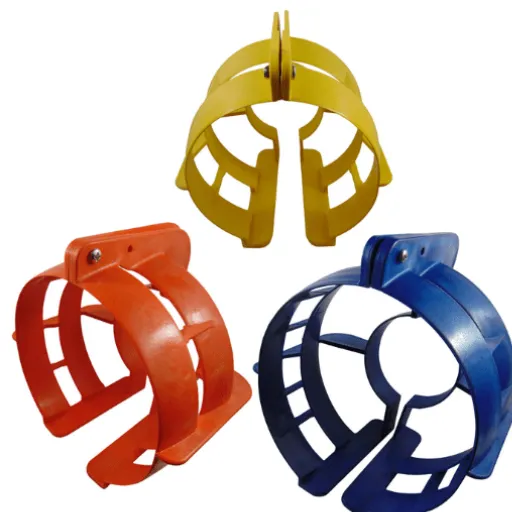
Different Types of Propeller Guards
Propeller guards can take a great number of designs, depending on their particular function requirements. Here are a few types that are considered standard:
1 Ring Guards
Ring guards are round cases that cover the propeller, thereby offering some heavy-duty protection to keep the prop from striking stones. These are great for leisure boats and small craft traveling through heavy vegetation and float debris. The aerodynamic shape of the ring ensures less interference with boat performance.
2 Cage Guards
Because of the meshwork or simple lattice construction, these guards are basically barriers that encase the propeller. These guards offer greater protection against smaller debris while rendering effective protection of marine life. This guard type gets mounted on larger vessels or workboats that operate in an environment where floating or submerged objects are items to be taken into consideration.
3 Deflector Guards
Mainly, these are made to divert objects away from the propeller; angles are utilized whether to deflect any debris or obstacles to the left or right instead of allowing them to hit against the propeller directly. These are commonly used in shallow waters with fixed obstacles such as rocks.
4 Kort Nozzles
These special guards, best suited for specialized industrial and commercial applications, shield the propeller while improving thrust efficiency through directing their water stream capabilities. This becomes the choice preference for tugboats and other heavy-duty vessels in need of optimised propulsion.
5 Hybrid Guards
Hybrid designs are a combination of techniques from ring, cage, or deflector guards wherein the goal is to strike a balance between protection and performance: Their conception happens to reach a wide variety of applications, and usually lightweight materials are utilized for minimizing resisting drag.
Selection Tip: The selection of the proper kind of propeller guard depends on the kind of vessel, the environment in which it is used, and the approach to be used. The right guarded chosen enhances safety, preventing the escape of marine life, and prolonging the life of the propeller—as it ensures consistent and high-performance output.
Overview of Propeller Ring Guards
Propeller guards with rings are protective devices appointed for the entire circular circumference of a propeller, for the total welfare of both its equipment and environment in which it works. The guards can deny physical contact, or nearly complete contact, between the propeller and such constituents, like anything except water; the highest consideration here pertains to hazards of damage, injuries, or environmental destruction. Engineered with the added precautions when propellers maybe suddenly destabilized nearly creating catastrophic consequences. Typically, they are fabricated from some of the toughest materials on earth, such as stainless steel or combination composites, capable of withstanding the harshest ocean environment while still maintaining their integrity.
The protection ring presented works as a backup in congested waterways, especially active in those scenarios when swimmers or marine life or debris is in full swing alongside several other participants present. The protective device maintains a minimally intrusive profile design enabling businesses on vessels to operate at high efficiency post-guard installation during which hull afloat resistance was taken into account within the drag analyses. The propeller ring is beneficial for operating near edge banks or wherein a ship docks; hence, whatever amount of accidental collisions or entanglements can be avoided since these are in all probability very grave or fatal, causing severe injury or damage.
Industry research and statistics confirm that propeller ring guards can be instrumental in reducing accidents resulting from propeller strikes. Adoption of propeller cages can lead to a reduction in fatalities and injuries. Indeed, it could be said that their integration has been considered as fitting and necessity for reaching a protected class of marine life, which includes turtles and manatees. Moreover, these shields were welcomed within numerous fields related to commercial, recreational, and governmental maritime operations worldwide, emphasizing their widely applicable nature and their importance in conserving green boating programmes.
Choosing the Right Type of Guard
During propeller guard selection, considerable thought must be given to the purpose that best suits boating requirements. Understanding the requirements for which the propeller guard is needed is essential. If the need is safety and protection of life, cage guards—an object enclosing the propeller in its entirety—may be considered for more safety from accidents and injuries. However, if the reduction of drag and enhancement of speed efficiency gain priority, deflector or fins design guards that compromise some safety for increased speed could be preferred.
Certainly, the considerations surrounding the type and size of the vessel are crucial. From accomplishing boat-guard modifications in smaller, pleasure boats, lightweight and less complex guards are the best; they do not unduly inhibit boat agility. When applying to larger academic, business, or government vessels, heavy-duty guards that can absorb any amount of pressure and wear while maintaining performance at their highest levels will suit better. Also, engine power and propeller design should be kept in mind while getting boat guards, as the guard should work in full cooperation with these elements for optimal performance.
The material and resistance factor should typically be held into consideration. Materials that can withstand the corrosive nature of water and long-term exposure include stainless steel and composites with hardness. The fitting up of propeller guards and regular maintenance aspects are two issues that should be deeply regarded. Thus, once these parameters have been wisely assessed, the most compatible setup for boating experiences can be chosen, thereby keeping safety, effectiveness, and environmental well-being well in mind.
Impact of Propeller Guards on Boat Performance
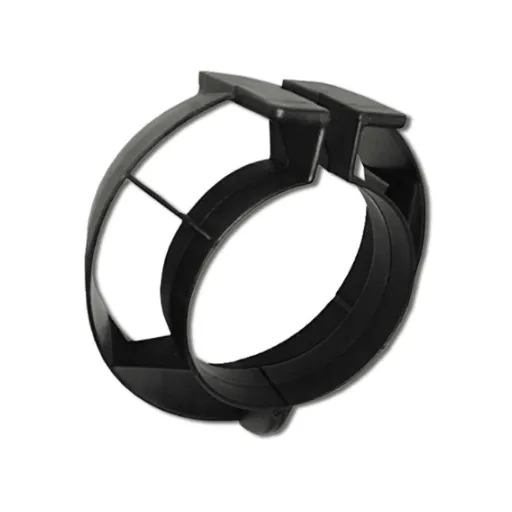
How Guards Enhance Boat Performance
Propeller guards are built for increasing safety but can also enhance the performance of the craft in some situations. When constructed around the propeller itself, they provide some sort of filter for protection and, because of this, actual physical damage from any form of debris will be reduced. Under these conditions, propeller performance otherwise decreases as damage and erosion from the debris sets in. If protected from debris by the blades, the propeller can operate in a pristine environment to maintain propulsion and fuel efficiency in a stabilized manner. Some guards are engineered for hydrodynamics purposes to provide resistance to drag and promote smooth water flow in addition to allowing boats to perform efficiently and hence restrict impairments that could impair either speed or maneuverability.
Apart from protecting the propeller, guards can also aid stability in turbulent marine waters. For example, propeller guards can prevent the entangling of propellers with vegetation in shallow waters or prevent hitting underwater obstacles. This leads to an enhanced lifespan for this propulsion system and decreases the maintenance rate, with a rather dependable and smoother series of boat operations in the offing.
Performance Note: To achieve these enhancements would certainly mean going in for guards that are carefully designed for the boat’s integrity. Advanced materials are pertinent to the goal of performance. Also, innovative trends with guard technology have features that allow maintaining the safety provisions in boat operation; one can retain efficiency even while improving the necessary safety. Properly selecting and attaching a propeller guard means a very promising life extension for the engines without in any way decreasing equipment productivity.
Reducing Damage to Critical Parts
Reducing damage to important components aboard watercraft is quite important in maintaining operational efficiency and safety. Propeller guards are indeed very significant in reducing harm especially in challenging aquatic environments where debris, submerged objects, or wildlife can serve to be a potential hazard. By guarding the propeller and its related mechanisms, the guard acts as a barrier that will absorb or deflect impacts. This protection assists in the prevention of structural damage, costly repairs, and downtime from equipment failure. The right material ensures that the propeller guard works perfectly against wear and tear as long as it is made of lasting materials and maintains their high quality.
In order to strike a better balance between safeguarding and enhanced performance, contemporary propeller guard techniques have mitigated the negative impacts of even a slightly inferior guard system compromising on boat speed and increased fuel consumption. Newer propeller designs minimize drag and improve performance properties. Such design enhancements have placed prop guards in a position to enhance performance. For example, guards that can be adjusted or disabled could further prevent undue stress on critical components and allow for flexibility.
Industry research shows that boats with propeller protectors suffer fewer operational failures as compared to boats without them. Besides, they prolong component lives which lead to less operational cost. Therefore, it is the propeller shield systems, which prove a good investment in safer, more sustainable water practices, quicker elimination of unnecessary property loss, and protection of recreational and commercial endeavors.
Protecting Equipment from Wear and Tear
It is critical to keep equipment functioning efficiently and also extend its operational lifespan by preventing the equipment from wear and tear. Under regular use, mechanical components are stressed to their breaking point over a period leading to gradual deterioration, and they will one day require costly repair or replacement-depending on the capital expenditure incurred. This scenario could be prevented by employing a series of maintenance measures that anticipate damages and applying preventive barriers, such as those propeller guards, to reduce the likelihood of damage to the equipment. Such guards will work by acting as a shield, keeping out materials that might cause damage, such as debris, abrasive materials, and other foreign matter for instance causing wear to propeller blades in marine environments.
For example, reinforcements in corrosion-resistant alloys and protective coatings lead to stronger resistance against any possible damage brought on by rough conditions. Regular inspections and maintenance schedules adapted to usage patterns can also lead to reasonable steps that impede unplanned downtime. These accessories ensure the appropriate application with the process demand, resulting in cost savings linked to performance improvements in time.
The efficient management of wear efficiency, particularly in machine-heavy sectors like maritime operations, manufacturing, and agriculture, is a priority. Environmental conditions, hours of operation, and maintenance frequency are variables that are critical to addressing their peculiarities in a well-rounded strategy of protection. Integration of classical protection plans with real-time monitoring systems driven by Internet of Things (IoT) technologies can help this monitoring get ahead of possible problems. This would entail immediate and pre-programmed intervention based on early wear alerts to avoid any wear becoming critical and hence disrupting productivity and sustainability in the long run. Following equipment maintenance and training in best approaches—operators can ensure they harvest their machines at their full potential for quite some time.
Innovations in Propeller Design
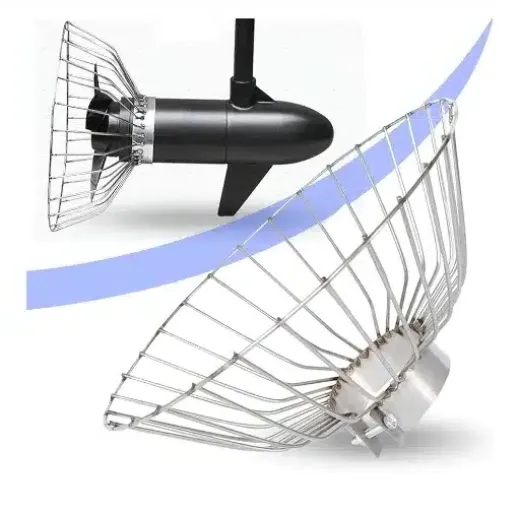
Recent Advances in Propeller Technology
Propeller design has introduced new ways to augment the efficiency and performance of various industries – mainly in marine and aviation fields. The most influential of them all has been the approach of biomimicry in design. By studying aquatic life such as fins and tails of marine creatures, engineers have mustered the creation of propeller blades with much improvedly optimised shapes to lower drag and enhance thrust. These designs increase speed limit and reduce fuel consumption significantly, thereby guaranteeing sustainable operations besides being economical. Advanced computational fluid dynamics (CFD) simulations further provide a basis for designing and refining these biomimicking solutions accurately prior to production.
Another notable development concerns materials manufactured for enhanced durability with decreased weight. In propeller manufacture, composite materials, such as carbon-fiber-reinforced polymers, are increasingly considering the replacement of standard aluminum and stainless steel due to their offers of an impressive strength-to-weight ratio and resistance against corrosion, thus prolonging propellers’ life even in severe environments. Furthermore, these are lightweight materials that would consistently contribute toward efficiency differentials of fuel cost by lowering the overall mass in transport systems.
Historically, the propeller system has also seen a significant transformation due to the rise in digital technologies. Sensors embedded in a smart propeller feed operators with real-time data regarding the propeller’s health, including rpm, vibration analysis, and wear. When embedded data is compared to IoT-powered analytics, operators acquire much authority to predict outcomes, perform tentative maintenance proactively, prevent unexpected breakdowns, and improve performance. 3D printed propellers have entered the mainstream for rapid prototyping and personalized design printing. The dynamic patterns imply how innovation has influenced the propeller efficiency, reliability, and sustainability.
New Materials for Improved Safety
The evolution in material solutions for making propellers has been transforming the relevant safety and performance requirements. Advanced materials science uses combinations of numerous advanced materials like stainless steels, composites, and ceramic materials for propeller construction. One of the most significant innovations in these advanced materials is carbon fiber-reinforced polymer. These materials serve as an obvious choice for increasing the propeller’s strength as a function of weight. They also exhibit high stress resistance and deformation resistance, among other mechanical properties. Moreover, they also display a very high level of resistance to corrosion, which is the central condition for a marine or aviation environment where frequent saltwater or harsh element exposure is synonymous with fleet operation.
The critical development is the utilization of sophisticated alloys like titanium and nickel-based superalloys to enhance the resiliency of propellers under extreme operating conditions. While having perfection in such undertakings, propellers of high performance are subjected to elevated temperatures and pressures. They have an uncanny ability to hold out under fatigue that promises a much longer life span, thus almost ruling out the scare of micro-cracks that finally pose a great hazard on the safety-score. Manufacturers have a further edge in developing coatings that integrate nanomaterials supplemented with another layer that provides an extra shield. This arrangement is particularly advantageous in terms of the very low coefficient of friction between the coatings that mitigate the wear on propellers. As a result, the coating not only improves the physical properties but also reinforces its life.
Research into bio-mimetic structures is showing exciting promise. The most resilient life structures, like mollusk shells, provide the impetus for hybrid materials that in effect merge the flexibility of organic polymers with the rigidity of metal constituents. Bio-composites aid significantly in improving energy dissipation and hence safety in the face of sudden collisions or high-energy debris impacts. Together, these material advances aid propellers in not only achieving better efficiency but in minimising safety risks in response to higher requirements for reliability in today’s transportation and industrial systems.
Future Trends in Propeller Guard Design
The feasibility of future propeller guard design heavily depends on the advances made in computational modeling that apply to various materials and are driven by certain regulations. One particular trend would be including smart materials and sensors within the guard structure. Hence making real-time monitoring of damage possible, they can spare predictive hands-on maintenance and in the bargain, reduce downtime more reliably, increasing efficiency. Lightweight and corrosion resistance composite technologies are on the rise thence into stronger durability and ecological assets.
Another very promising application for the future is artificial intelligence driven generative design processes, which create guard forms in favor of utmost efficiency. This may be material efficient and purposeful in decreasing material waste whilst providing for increased aerodynamic and hydrodynamic performance. Depending upon the magnitude, artificial intelligence in these cases can be utilized in order to align the designs to their intended uses, from heavy industrial processes to modes for enjoyment on water.
Stricter safety and ecological criteria could propel innovation farther on the regulatory aspects. It looks as though stricter and more vigorous standards are to be met regarding matters of noise reduction in making less noise and thereby being easier on the environment. The new ways are poised to change the whole propeller guard market in the years to come as it transcends into a more secure means of maritime and air travel along with increased efficiency.
Preventing Propeller Strikes: Best Practices
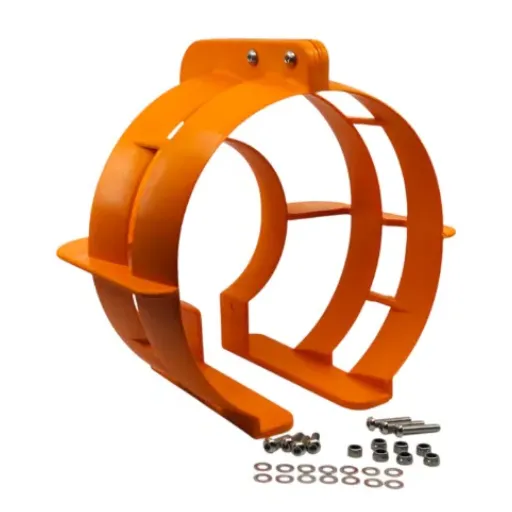
Essential Tips for Boating Safety
1
Regular Maintenance Checks
Make sure you conduct inspections on your boat on a daily basis, such as checking the engine, steering system and propeller guards, to guarantee that every component is in an operational state. This maintenance will reduce the instances of mechanical breakdown leading to accidents on water.
2
Proper Training and Licensing
Make sure all the operators are well trained and possess the requisite licensing. Familiarize them with the navigation rules and emergency procedures to guarantee safe boating.
3
Use Of Safety Equipment
Visit service stations that sell boats to get some safety kits—life jackets, fire extinguishers, distress alarms, and a first-aid kit. Ensure that these items can very easily be retrieved and are in good condition.
4
Adherence to Speed Limits
Stick to speed limits and other local navigation laws while on water. Any kind of excessive speeding can lead to accidents on the water, as it greatly enhances the dangers of propeller strikes when there is a lot of water activity, say swimmers or boaters.
5
Installing Propeller Guards
The installation of such modern propellers may bring peace to man, by means of a cushion on human contact, on the one hand, while—on the other—to the living creatures under water.
6
Be Cautious with Your Surroundings
Keep your eyes peeled for swimmers, divers or any other boat in your path. Staying alert of people around you is excellent for reducing propeller cuts and accidents involving other boats.
7
Refrain from Driving While Consuming Alcohol
Drunk driving has the same consequences while driving a boat. You cannot think straight and will likely react slowly to an accident.
8
Closely Monitor Weather
Make sure you check the weather information before setting sail and remain informed on sudden changes in weather during your stay on the water. Severe weather changes could result into great disasters.
Following all these best practices is to couple various drives that could augment safety for passengers and the environment, especially on waterbodies.
Devices That Reduce Propeller Strikes
In order to lessen the likelihood of propeller-related accidents, people (including marine creatures) in their boats must be supplied with some innovative aids. The propeller blades are encased by guard sections in these systems, which greatly contribute to stopping any object from striking the propeller. Each guard has its own design and function, depending on the boat and their activity.
Other devices combating propeller injuries are the interlock systems that prevent the engine from being started while a person or object is within the propeller area. Moreover, the main propeller need not be a propeller anymore since few other propulsions start to make for a good substitute, such as jet water jet drives.
The advent of sonar and sensor-based technologies also brings us new excitement. These systems are programmed to sense obstacles or movement near the propeller and alert the operator or automatically reduce the speed. Further to this, wearable devices with kill-switch mechanisms in the form of lanyard-style cords or wireless fobs permit a boat operator to shut down the engine remotely in emergencies, thus eliminating hazards.
One of the ways these technologies can help reduce accidents and develop safer waterways is through the provision of training on device usage and regular maintenance. The integration of these new technologies into boating principles can lead to a safe and accountable maritime prospect.
Frequently Asked Questions (FAQ)
❓ Can you explain how propeller rings, guards, and baskets improve propulsion safety?
The purpose of propeller rings, guards, and baskets is to surround the propeller, thereby protecting boat propellers and people against a possible physical barrier that might include swimming, fishing lines as well as debris from coming into contact with the blades. Consequently, propeller guards reduce the risk of propeller strikes, improve safety for swimmers and marine life, and help enforce safety compliance with recreational boating and commercial safety standards and regulations.
❓ What are some of the consequences of installing a propeller guard system for the performance of the boat and reduced drag?
The building of guard systems and ring guards have seen modern variants for the propeller, which will allow it to fit into the boat with the least disruption in regard to speed. Prop guards that are made of materials like stainless steel or composite can affect your speed a bit or increase fuel consumption, while a well-designed guard can increase your hull’s efficiency and handle less of a drag to increase fuel efficiency.
❓ What prop guards, ring guards, and deflectors can be used for various propeller models and prop diameter?
Some types of propeller guards are shroud guards, prop guards with deflectors, baskets, and ring guards. The design of propeller guards varies based on the propeller, prop diameter, and shaft configuration. Some are rings made of stainless steel or plastic materials, fastened to the propeller itself, while some are cages or shroud guards that wrap around the spinning prop according to specs of the propeller, prop size, and intended use in shallow water or areas with fishing lines.
❓ Can installing propeller guards block the propeller and save marine animals?
Yes, propeller guard is a safety measure to help keep people, bathers, and marine life from being injured by keeping physical contact away from running propeller edges. Since the ring guard surrounds the propeller and makes direct contact with spinning blades extremely difficult, it pushes them away with the wraparound design, this safety measure is considered advantageous. The basket guard is the one safety measure designed to prevent propeller injuries while saving as much of the ecosystem as possible.
❓ What distinguishes the propeller ring guard system from a conventional full propeller basket system?
Propeller ring guards have a usual circular ring which circumscribes around the prop to lessen blade-impact and exposure; whereas basket or full shroud guards are those that enclose the propeller in a more cage-like and enclosed housing. Ring guards are comparatively lightweight and easier to install on new propellers and on existing shafts while the baskets provide more thorough protection from debris and fishing lines but may affect steering and be more complex to install.
❓ How should a boat owner consider propeller guards to ensure safety and comply with the regulations?
It is essential for boat operators to evaluate the safety compliances, laws, and norms relevant to their specific area and to choose the materials for guards made of either stainless steel or composite that are suitable for the marine environment. Also, they should assess the design of the propeller guard that best matches the propeller diameter and prop shaft. It has been recommended that one consider possible impact on navigation and safety, propeller life, maintenance needs, and whether any modification is required to protect those swimming, fishing, and the surrounding ecosystem while maintaining boat performance.
❓ Will a propeller guard help solve the problem of propellers becoming entangled in fishing lines or ropes?
Yes, the main purpose of the rings and guards in propellers is to be able to prevent the lines of fishing nets, ropes, and rubbish from getting themselves caught around the prop, supposedly harming the prop and shortening its propeller life. The guards and deflectors may then reroute the lines away from rotating propeller blades since these will act as devices designed to lessen the risk of propeller strike and entanglement involving boat propellers commonly used in recreational boating and commercial fishing operations.
❓ Will advanced propeller guard technologies interfere with safe practices, such as setting the engine at rest in case an emergency arises?
Modern guard designs are built as a safety enhancement, not as a replacement for any safety measures already in place. Boat operators should still handle their business in emergency situations by cutting the engine. The propeller guard systems are generally designed to reduce the likelihood of striking the spinning prop, but following safe practices in boating and navigational safety, including engine cutoffs and swimmer awareness, remains essential for comprehensive water safety.
References
-
-
- Power Performance of Planing Boats with the Effect of Propeller Selection and Propeller Guard Design
This study examines the impact of propeller guard designs, including basket-type guards, on performance and safety. - Ships Lifeboats and Davits
A paper submitted to The Institute of Marine Engineers, discussing safety measures and operational considerations, including propeller guards. - Click here to read more.
- Power Performance of Planing Boats with the Effect of Propeller Selection and Propeller Guard Design
-