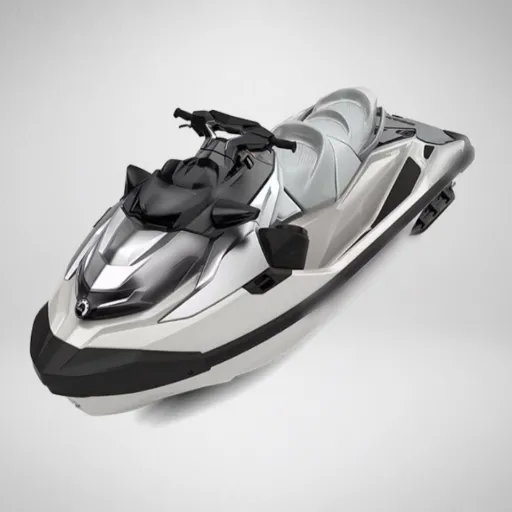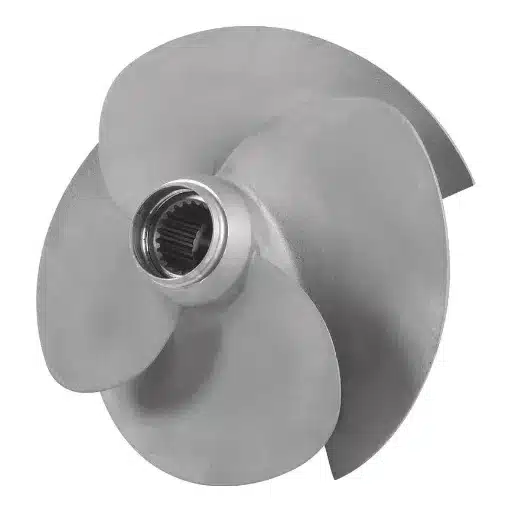
The greatest joy of owning a Seadoo Sportster is the thrill of speed and exhilaration that accompanies the performance of this monster in water. It is an integrated unit in this fearless racing boat, and it consists of the impeller. Whether you want to enhance your Sportster’s speedy performance, care for it appropriately, or even upgrade it – understanding how the impeller works is crucial, as it contributes significantly to your vessel’s overall functionality. We will explore all things Seadoo Sportster impeller; what it does, how to maintain it, and how you can make it even better.
Understanding the Seadoo Impeller
What is an Impeller?
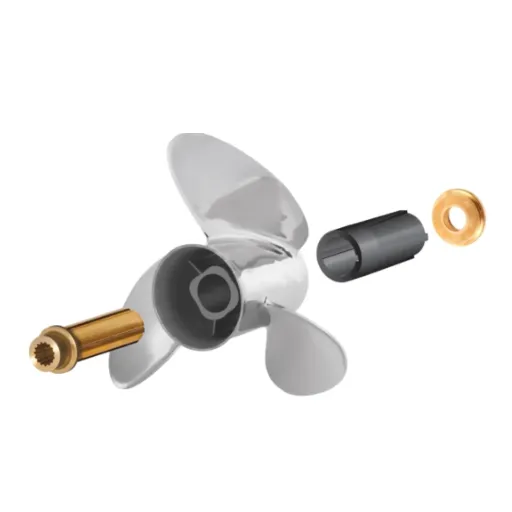
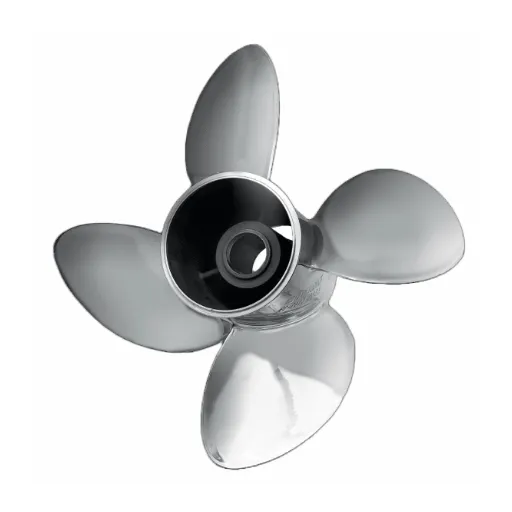
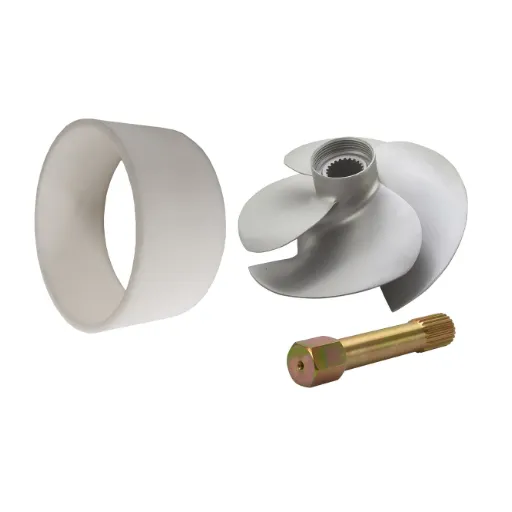
Engines that power watercraft are typically fitted with jet propulsion systems, and the Seadoo Sportster is among these high-speed machines utilizing jet propulsion. The impeller is the rotor part of such a system, drawing liquid into the housing and then expelling it through a nozzle to create thrust that moves the craft forward. This eliminates the need for an obsolete propeller and gives the watercraft a smooth, highly effective ride.
The impeller operates as an integral part of a closed circuit jet pump system, cooperating with other components for optimal operation. It is characterized by slightly curved blades that guarantee continuous water intake and generate high discharge pressure. The thrust levels of the Seadoo Sportster impeller can be altered through different configurations, affecting acceleration, speed, and turning radius.
Key Point: Proper maintenance and regular checks for wear, debris, or damage in the impeller will ensure the equipment runs effectively and minimize repair costs.
The Role of the Impeller in Sea-Doo Performance
The impeller is one of the most important components of the Sea-Doo, directly affecting its overall functionality. It determines how effectively water is driven through the jet drive, which is responsible for acceleration, speed, and handling. Below are the principal factors demonstrating the impeller’s impact on performance:
🚀 Acceleration Ability
A fully functional and correctly designed impeller facilitates improved water ejection and enhances acceleration capacity. It enables optimal speeds to be achieved within a short duration while accommodating increased weight.
⚡ Top Speed Increase
The design and pitch of impellers significantly impact top speeds. A properly configured impeller enables smooth water flow, reducing resistance and enhancing the craft’s speed capabilities.
⛽ Fuel Efficiency
A well-crafted Seadoo Sportster impeller reduces energy loss during operation, thereby increasing fuel economy. This cuts down the load on the motor, leading to less wear and tear on your ride.
🎯 Enhanced Control
The impeller is central to ensuring control and handling of the watercraft. A well-balanced impeller allows greater management at higher speeds and when cornering.
🌊 Optimized Conditions
Certain impellers are suitable for specific conditions—fresh water or salt water, shallow or deep. Modified impeller designs maintain performance across different settings.
How the Impeller Works to Enhance Propulsion
The impeller constitutes one of the fundamental components in jet propulsion. It draws water into the jet pump housing and forcefully expels it to the rear of the watercraft via a nozzle. This water displacement creates forward motion, with performance dependent on the amount of water displaced and the nozzle’s direction.
Propulsion efficiency largely depends on the impeller’s design and condition. An impeller suited to the engine power with the right pitch and minimal wear optimizes water flow at all times, facilitating smooth acceleration and performance. Damaged or suboptimal impellers result in efficiency loss, additional engine stress, and possibly reduced watercraft control.
⚠️ Important: A properly designed impeller prevents cavitation—a process where vapor cavities form due to reduced water pressure, damaging thrust and the impeller itself. This ensures consistent power and a pleasant ride.
Common Issues with Sea-Doo Impellers
Wear and Tear: Signs You Need a Replacement
The impeller, like any mechanical part, will eventually need replacement due to wear and tear sustained during usage—encounters with debris, sand, and other substances in the water. Here are the key indicators that suggest replacement:
- ❌
Performance Decline: The unit can no longer offer the same acceleration capacity, sustain speed, or deliver seamless power. - ❌
Increased Vibration: Sharp increases in vibration during rides indicate compromised impeller blades. - ❌
Cavitation Symptoms: Poor flotation feelings, unusual noises like cracking or grinding. - ❌
Physical Damage: Dents, chips, or corrosive marks on the metal indicate trouble. - ❌
Increased Fuel Consumption: More fuel needed to maintain average speed as compromised equipment requires additional work.
💡 Pro Tip: Invest in an impeller replacement made from stronger materials such as stainless steel or composite for better efficiency and durability. Regular maintenance—cleaning the engine, washing the grate, and flushing salt—helps avoid clogging.
Cavitation and Its Effects on Performance
Cavitation occurs when water pressure inside the pump falls below what is necessary to keep water liquid, causing vaporization around the impeller. Cavitation bubbles expand and collapse across high-pressure zones, creating fierce shock waves that cause vibration, sound, and potential damage to the impeller or pump housing.
Prevention Strategies:
- Clear debris from the intake grate to prevent blockages
- Check wear ring and blades for damage or clearances
- Use high-grade, non-corrosive components
- Conduct routine checks and maintenance
Decreased Efficiency: Troubleshooting the Impeller
When performance issues arise, repair technicians typically begin with the impeller. Broken, bent, or worn impellers disrupt water flow through the jet drive. Here’s a systematic approach to troubleshooting:
Troubleshooting Checklist:
- Inspect for Physical Damage: Check for wear, damage, or distortion on the impeller
- Check Clearance: Verify adequate space between propeller and impeller ring
- Examine Wear Ring: Replace if wear exceeds specifications
- Inspect Bearings: Check impeller shaft bearings for rust or misalignment
- Consider Upgrades: Switch to speed or towing impellers based on needs
- Maintain Cleanliness: Regular cleaning prevents dirt accumulation
- Proper Installation: Ensure correct torque when replacing impellers
Maintenance Tips for Your Sea-Doo Impeller
Regular Inspection and Cleaning
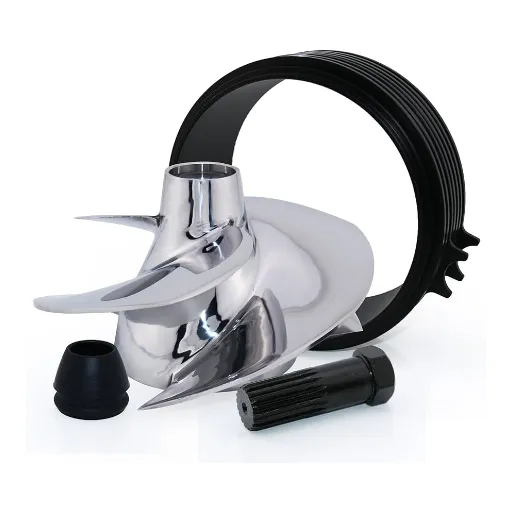
Maintaining the Seadoo Sportster impeller in optimal condition requires periodic inspections and cleaning. This proactive approach ensures efficient service and prevents costly repairs down the line.
🔍 Inspection Steps
- Observe for physical defects or deformities
- Check for dents, cracks, or scratches
- Look for entangled rocks or seaweed
- Use flashlight and mirror for hidden angles
- Inspect metallic parts for corrosion
- Apply treatment immediately when corrosion detected
🧼 Cleaning Guidelines
- Remove obstacles like weeds or fishing lines
- Flush with fresh water after saltwater rides
- Use marine cleaners for stubborn dirt
- Avoid damaging impeller blades during cleaning
- Clean after every saltwater use
- Address salt buildup to prevent long-term damage
⚠️ Warning: Be cautious not to damage the impeller blades during cleaning. Even a small nick may affect balance and performance. If your Sea-Doo experiences changes in normal operations like poor acceleration or excessive vibrations, the impeller may require replacement.
Best Practices for Extending Impeller Life
Appropriate upkeep is crucial to boosting the longevity of your Sea-Doo’s impeller and keeping it at peak performance. Follow these best practices to maximize impeller lifespan:
When to Seek Professional Service
While routine maintenance can be handled independently, certain situations require professional expertise. Visiting a qualified mechanic becomes necessary when dealing with complex issues that exceed basic troubleshooting capabilities.
⚠️ When Professional Help is Required:
- Unusual Noises or Vibrations: Persistent grinding, cracking, or excessive vibration
- Performance Decline: Issues that don’t resolve with basic troubleshooting
- Dashboard Alerts: Warning lights or error messages you cannot diagnose
- Scheduled Maintenance: Regular service intervals as recommended by manufacturer
- Complex Repairs: Safety-related systems requiring specialized knowledge
- Warranty Concerns: Avoiding voiding warranty with improper DIY repairs
Certified technicians can inspect all components—including the Seadoo Sportster impeller, engines, and electrical wiring—to guarantee efficient operation. This proactive strategy is essential for detecting issues early and avoiding expensive malfunctions while ensuring optimal effectiveness.
Upgrading to High-Performance Sea-Doo Impellers
Benefits of Upgrading Your Impeller
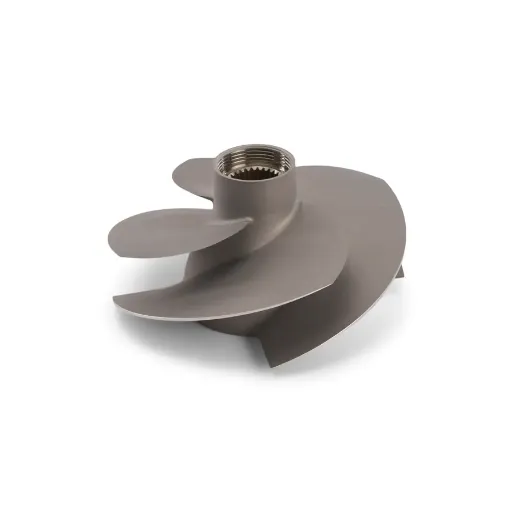
If you own a Sea-Doo vessel, upgrading the impeller offers several significant advantages to its functionality and overall performance. A high-performance impeller is typically crafted to improve various aspects of your watercraft experience.
🏎️ Speed & Acceleration
Achieve higher speeds and faster acceleration with highly responsive performance. Makes riding exciting and active, especially for water sports enthusiasts.
⛽ Fuel Economy
Lower drag and increased thrust make the engine’s work easier. Save fuel and extend time on the water without frequent refueling breaks.
🎯 Handling & Stability
Modern impellers ensure better grip in water, providing easy handling and improved stability when making sharp corners or riding in rough conditions.
💪 Stronger Build
Better materials like stainless steel cores facilitate decreased abrasion. Controls durability even in adverse situations and harsh conditions.
🌊 Customized Performance
Impellers can be designed for specific conditions—elevated lakes or choppy coastal waves. Ensures full capacity performance regardless of the setting.
💡 Bottom Line: Purchasing a performance impeller not only enhances future watercraft performance but also makes it more dependable and enjoyable. These aspects encourage power upgrades and deliver content rides to both committed and casual users.
Choosing the Right Performance Impeller
Identifying the right performance impeller for your Sea-Doo requires deliberation of multiple factors, most importantly how you ride and the conditions in which you operate. Understanding your watercraft’s power output and matching it with an appropriate impeller is essential to maximizing performance.
🔧 Key Selection Criteria:
| Factor | Consideration |
|---|---|
| Pitch Selection | Higher-pitch for speed enthusiasts (top speed); Lower-pitch for acceleration and towing |
| Water Conditions | Calm lake waters vs. rough ocean seas vs. high altitude locations |
| Material Quality | Stainless steel (durable, corrosion-resistant) vs. Aluminum (lighter weight) |
| Engine Power Match | Must align with watercraft’s power output for optimal performance |
| Model Compatibility | Verify specific Seadoo Sportster model compatibility |
Looking at performance testing results provided by reliable companies or Seadoo Sportster impeller experts is advisable. Consider metrics like cavitation resistance, thrust effectiveness, and strength during stress to help determine the optimization of a particular impeller for specific needs. The composition of these factors and compatibility data necessitates choosing an impeller designed for your specific watercraft operation.
Troubleshooting Impeller-Related Problems
Step-by-Step Solutions for Common Issues
When encountering impeller-related problems, following a systematic troubleshooting approach can help identify and resolve issues efficiently. Here’s a comprehensive step-by-step guide:
Check Impeller Condition
Inspect for damage including wear and tear, cracks, or deformation. Any disturbances in the impeller lead to vibration and minimize water flow. If damages are present, replace the impeller immediately.
Search for Obstructions
Disassemble the casing and check for foreign objects or debris preventing the impeller from turning or spinning. Even the smallest obstruction can affect performance. Clean the area thoroughly and ensure no debris remains.
Verify Installation Orientation
Confirm the impeller has been correctly oriented per manufacturer recommendations. Incorrect orientation may lower or completely stop functioning of the system.
Inspect Gaskets and Seals
Check all seals and gaskets for wear and damage. Failed seals result in leakage, reducing pump efficiency. Replace damaged gaskets with quality replacements.
Check Bearing Lubrication
Seizing, overheating, or inadequate lubrication can prevent proper impeller function. Review lubrication levels as specified for your equipment model and add or change lubricant appropriately.
Calculate Belt Tension
For belt-driven systems, check tension and clearances within the belts. Sluggish and misaligned belts impact pump function and place unnecessary load on the impeller.
Conduct Diagnostic Assessment
If the pump still doesn’t work properly, carry out diagnostic tests to determine problems such as cavitation or pressure issues. Refer to the manual for testing procedures specific to your pump type.
When to Consult a Professional Mechanic
There are instances when repairing or troubleshooting problems with your water pumping system should not be your priority over contacting a qualified mechanic, particularly regarding impeller issues. Understanding when professional intervention is necessary can save time, money, and prevent further damage.
🔧 Complex System Issues
Contemporary pump systems often incorporate high-tech features with electronics, sensors, or advanced methods requiring specialized knowledge and diagnostic equipment.
⚠️ Persistent Problems
Strange noises, vibrations, excessive heat, or issues that don’t resolve after troubleshooting indicate deeper problems like damaged bearings, shaft misalignment, or pump casing issues.
📋 Warranty Protection
Improper repairs can void warranties and cause unnecessary expenses. Professional mechanics understand system intricacies and ensure repairs maintain warranty coverage.
⏰ Time & Safety
When repairs require special equipment or involve dangerous procedures, professional assistance minimizes downtime and ensures safety throughout the repair process.
💡 Expert Insight: Trained professionals can complete tasks within stipulated periods, preventing extended pump machine inactivity and preserving the productive life of your equipment. Seadoo Sportster impeller repair handled by mechanics remains one of the paramount solutions for minimizing costs and maximizing efficiency.
Frequently Asked Questions (FAQ)
❓ What exactly is a Seadoo Sportster impeller and how important is it?
The Seadoo Sportster impeller forms the spinning part of the jet pump and directs water back, generating thrust. Sportster models require the right size impeller in perfect shape for good performance, economical fuel use, and maximum speed. Worn or broken impellers rarely enable good acceleration and may cause cavitation or overheating.
❓ When should I change my Seadoo Sportster impeller?
If your Seadoo Sportster impeller has reached excessive wear, you may observe sluggish acceleration, compromised top speed, vibration, or erosion of the blades. If the engine runs yet you don’t experience normal boat speed, check the impeller and pump housing for nicks, bumps, and dings. Consider replacing with OEM or performance Sea-Doo impellers.
❓ Is it possible to replace the current Seadoo Sportster impeller with a high-performance system?
Absolutely. You can install a high-performance impeller kit. The pitch may be increased, or construction changed from aluminum to stainless steel while retaining necessary spacers and bolts. Riva and other PWC aftermarket manufacturers have kits aimed at propulsion upgrade or overspeed goals. Products should be chosen according to your PWC model, and in some cases, ECU or jet pump gear changes may be required.
❓ Should I use Original Equipment (OE) or aftermarket SeaDoo impellers on my Sportster?
Factory original impellers deliver proper fit and long-term performance, making OEM the best choice for expected performance levels. Aftermarket SeaDoo impellers from companies like Riva can offer greater performance or stronger durability. Check the material, installation angle, and warranty. For most PWCs, if a high-quality aftermarket impeller is viable, it’s an advisable purchase.
❓ How easy and inexpensive is it to change a Seadoo Sportster impeller by myself?
Changing the impeller of a Sportster Sea-Doo is manageable for an amateur mechanic with necessary tools. The jet pump must be removed, the impeller extracted using a puller, and secured to correct specifications with proper torque on the nuts. Service kits are accompanied with guides. Pay special attention to the pump and gear case maintenance.
❓ What is the relationship between pump gear and impeller?
Drive mechanisms such as pump gear and PWC components assist in transmitting power from the engine to the impeller. The impeller remains serviceable if gears are aligned, the shaft is in good shape, and bearings are functional. Worn-out gear teeth or bearings often lead to misalignment, rattles, and fast impeller wear—elements to examine when working on the Seadoo Sportster impeller.
❓ How do I maintain my Seadoo Sportster impeller for longevity?
Regular maintenance involves flushing after saltwater use, examining the impeller and pump chamber for foreign material damage, verifying clearance, and lubricating bearings and seals. Use a stainless steel Seadoo impeller or corrosion-resistant kit to prolong use. Replace outdated components as prevention against damage to expensive pumping equipment gears.
Final Thoughts
Understanding your Seadoo Sportster impeller—from its function and maintenance to upgrades and troubleshooting—is essential for maximizing your watercraft’s performance and longevity. Whether you’re looking to enhance speed, improve fuel efficiency, or simply keep your vessel running smoothly, proper impeller care and informed decision-making will ensure countless hours of thrilling water adventures. Regular maintenance, timely replacements, and quality upgrades are investments that pay dividends in performance, reliability, and enjoyment on the water.