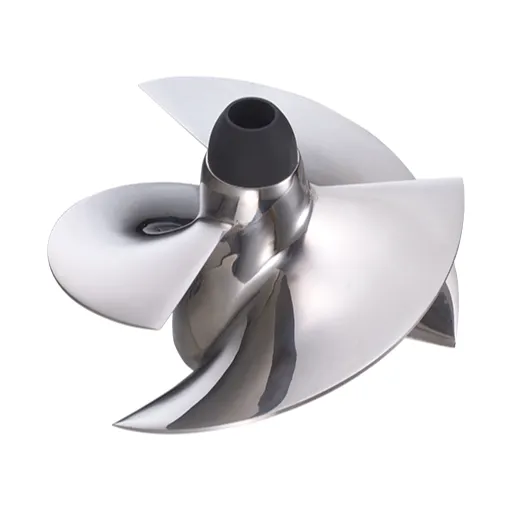
You can make a noticeable effect on your Sea-Doo’s performance by upgrading it with a proper impeller. Perhaps there is no better impeller for a watercraft than the Solas jet ski impeller, which is designed to enhance the speed, acceleration, and handling capabilities of the craft. Regardless of whether you are into recreational riding, performance racing, or just want an extra edge out of your Sea-Doo, consider this article as the guide to why Solas is considered the most important upgrade. Discover how such a vital part can completely change your jet-ski riding experience and allow you to fully enjoy your sea-going excursions!
Understanding Solas Impellers
What is an Impeller?
The impeller is the most important part of any pump jet or personal watercraft (PWC). The function of the impeller is to act as a type of pump which, in the case of jet skis, takes in water and forces it out of the tail of the craft as a powerful jet. Using the principles of jet propulsion, the impeller takes the power of the engine and translates it into movement, which is why this component is included in every PWC as essential to making the engine’s power create motion.
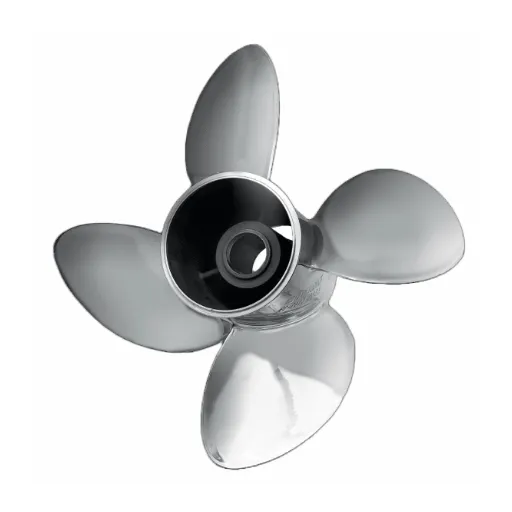
Unlike conventional impellers, Solas jet ski impellers are exceptional. The water flow is designed in a way that enables the central part of the vessel to rotate freely with less drag, hence the acceleration of the boat is enhanced, top speed is raised, and handling is made easier. The blades of a Solas jet ski impeller are arranged in a particular way that helps reduce cavitation, which refers to the reduction in thrust because of water bubbles. Due to that, performance enhancement interventions such as Solas jet ski impellers stay efficient and deliver power throughout your ride.
Key Benefits:
- Enhanced acceleration for quicker response
- Increased top speed on open water
- Reduced cavitation for consistent thrust
- Improved handling in various conditions
Quality materials are key in evaluating the performance and longevity of a specific impeller. Made of high-quality stainless steel, Solas impellers feature enhanced resistance to wearing out or corroding. The quality and longevity offered makes them applicable in both fresh and salty water for added versatility and permits them to endure the extreme level of use every jet ski enthusiast demands. Installing a Solas jet ski impeller is an effective and cost-efficient technique to boost the capabilities of a watercraft.
Components of a Solas Impeller
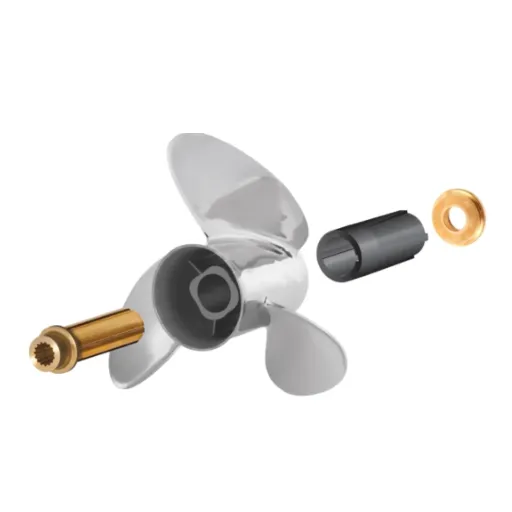
The Solas jet ski impeller consists of different parts, each intended to help ease the challenges which may arise when using jet skis. Among them is the blade, which is the central component of the impeller. Its design takes into account the turbulence of the water so that maximum thrust is achieved and cavitation is minimized. Water runs smoothly with the designed blade, which gives better fuel economy and soaring acceleration. Most Solas impellers have between three and five blades, available in different sizes and configurations depending on the model or application.
The hub is another essential part of the impeller. This component functions to connect the drive shaft and the impeller. The hub is made from superior stainless steel and provides a snug fit, preventing operational forces from causing damage to the hub and the impeller. The fact that it does not corrode makes it useful in freshwater as well as saltwater bodies, aiding in lengthening the working duration of the impeller.
The incorporation of a wear ring in the design makes the impeller more functional as it works in conjunction with the blades to ensure clearances are maintained and that there is no flow of water around its perimeter. This is a major component that helps in ensuring that performance is preserved over time despite wear. All these parts of the Solas jet ski impeller are therefore built to give the user excellent durability, efficiency, and reliability.
Types of Impellers for Jet Skis
Jet ski impellers vary in type and specifics depending on the usage of the jet ski. These vary in three main types: axial flow, mixed flow, and custom performance impellers. The selection of which type of impeller should be installed in a jet ski depends on the purpose, the water conditions, and performance expectations of the rider.
Axial-Flow Impellers
Axial-flow impellers are built to discharge water in axial orientation, offering the best results in terms of efficiency and fuel consumption. Such designs are best suited for casual users who seek smoother acceleration and higher terminal speed on level and calm water. For such characteristics of power and efficiency, these are the most commonly found impellers in stock jet skis.
Mixed-Flow Impellers
Mixed-flow impellers comprise a mixture of axial-flow and radial-flow impellers, allowing achievement of a compromise between velocity and torque. Among the most common technical efficiency characteristics that these impellers have are their mid-range torque outputs, thus they are useful for those users who seek riding on waters with different conditions. These designs are commonly understood to be applicable in rougher waters when adjustable riding is required and under moderate loads.
Performance Impellers
Performance impellers are designed for enthusiasts who want maximum acceleration, top speed, and cornering ability. Made of the most modern materials and used to push the boundaries of jet skiing, these are racing impellers designed for competitive use. Furthermore, countless possibilities exist in modification as these premium parts can level up the performance for both professionals and ambitious recreational riders.
💡 Important: Selection of the appropriate impeller design guarantees peak performance and maximizes enjoyment. There is a specific type made for various desired purposes; hence, Solas jet ski impeller lovers are assured of effective use of their machines depending on the purpose and the prevailing conditions.
Choosing the Right Solas Impeller
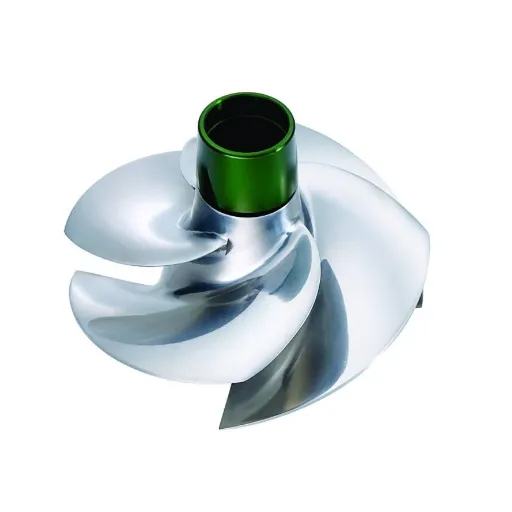
Factors to Consider: Jet Ski Model and Performance
Key Considerations:
- Jet Ski Model Specifications: Each jet ski build is specific to its intended use—whether cruising, high speed, or water sports. Manufacturer guidelines or professionals specialized in watercraft enhancement can help determine the ideal type of impeller for a particular jet ski model.
- Engine Output: High-performance jet skis with powerful engines require speed and thrust impellers with more aggressive pitch angles to achieve acceleration and top-end speed. Recreational or entry-level jet skis with less powerful engines require impellers that emphasize handling or fuel economy rather than pure speed.
- Riding Environment: Calm water scenarios may call for a fast-moving propeller, while rougher conditions require different characteristics. For water sports like water skiing, a different blade with better thrust increment at low speeds should be selected.
The ability to balance these factors ensures that the Solas jet ski impeller fits the engine and the application, providing higher speed and better maneuverability depending on the conditions under which the rider operates.
Understanding Impeller Ratios
Evaluating ratios of the impellers is necessary in assessing the general dynamics of the jet ski. An impeller ratio defines the way the angle of the blades in an impeller relates to the diameter of the impeller. This ratio is important as it regulates how water passes through the jet ski’s pump to produce either thrust or speed with maximum economy in mind.
A bigger impeller ratio favors top-end speed rather than acceleration, making it more advantageous for those who prefer racing and cruising without cuts in speed. On the other hand, a smaller impeller ratio ensures low-end torque and acceleration, facilitating better usage for pulling, steering, and rough water riding.
Expert Tips:
- Match the ratio to your jet ski engine’s design and expectations
- Consider water depth and temperature in your typical riding areas
- Explore adjustable impellers or aftermarket kits for versatility
- For varied conditions, use a compromise between high speed and torque ratios
With the application of modern materials and principles of engineering, impeller designs have evolved to cut through water easily without cavitation throughout their service life. Once the appropriate ratio is selected and employed correctly, users are able to appreciate their watercrafts’ true potential by matching them not only to their riding style but also the conditions in which they operate.
Material Options: Stainless Steel vs. Aluminum
Stainless steel is stronger and more corrosion-resistant, while aluminum is lighter and more cost-effective. Understanding the differences helps you make an informed decision:
Installing Your Solas Impeller
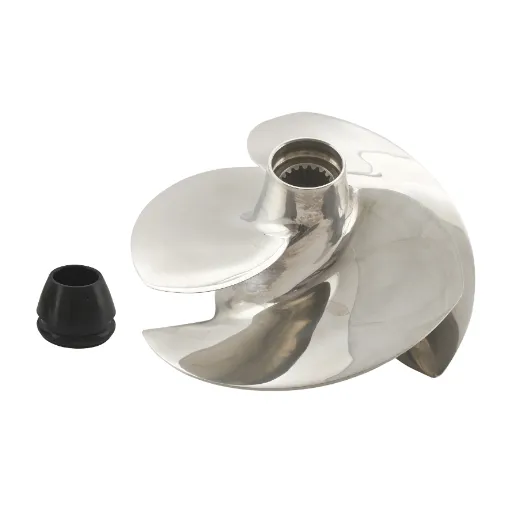
Preparation and Tools Needed
Before you begin the installation of a Solas jet ski impeller, you’ll need to gather certain items for this procedure to ensure smooth execution:
Essential Tools Checklist:
- Socket set and combination wrench: For extraction and tightening of bolt joints
- Rubber hammer: Helps in softly pulling or pushing parts without damage
- Impeller extraction device: Enables easy removal of the old impeller
- Grease/Lubricant: Eases insertion and ensures smooth operation
- Torque wrench: For precision fastening to manufacturer specifications
- Protective clothing and safety gear: Gloves and goggles for handling tools and lubricants
- Clean cloths: For wiping surfaces and parts during assembly
📋 Note: Always refer to the Solas jet ski impeller manual for relevant instructions and confirm that all the tools listed are available. Preparation ahead of time aids in an easy installation process which prevents time wastage and mistakes.
Step-by-Step Installation Guide
Installation Process:
Step 1: Preparing Your Watercraft
Place the watercraft on a steady chassis like a trailer or boat lift. Remove the battery to ensure it is not accidentally turned on during the procedure. Wear protective gear like gloves, goggles, and other safety equipment.
Step 2: Access the Jet Pump
The jet pump is situated at the stern (rear) end of the hull. Remove the impeller covers or panels that are obstructing access. There will likely be bolts or screws that must be dealt with—retain all of them because they will be used again during reassembly.
Step 3: Remove Remaining Water
Take out every drop of water remaining in the pump unit using either appropriate equipment or the detachable water plugs provided. This eliminates spillage and creates a cleaner setup.
Step 4: Remove the Old Impeller
Use an appropriate impeller tool to connect to the motor shaft for removal of the existing impeller. This step may also require a wrench or torque tools to release the clamping of the impeller from the shaft in a non-destructive manner. Check the removed impeller for any wear or damage and replace other worn-out components if needed.
Step 5: Clean and Inspect All Parts
Clean completely around the housing, the shaft, and the threads without any residue of dirt, debris, or rust. Inspect these parts for any defects—if there are any defective parts such as O-rings or sealing components, replace them.
Step 6: Install the New Solas Impeller
The new Solas impeller goes onto the shaft properly and is oriented correctly as per the manual’s instructions. Use the impeller device together with a torque wrench to secure the impeller with appropriate manufacturer’s torque specifications.
Step 7: Reassemble the Jet Pump
Replace the pump housing as well as any panels or covers that were previously removed. All hardware should be installed correctly and secured with appropriate force. Check the alignment to ensure there is nothing in the way nor any signs of misalignment.
Step 8: Testing
Reconnect the battery and briefly run your craft on land to check the impeller’s functioning if permissible (dry testing should follow safety precautions). Look for any unusual vibration, sounds, or water leakage.
Step 9: Final Check
After running the tests, check the installation area for any loose or irregular components. Ensure no tools have been left at the workplace and prepare to take the watercraft for water trials.
By correctly following these directions, you will be able to fit a new Solas jet ski impeller and have your watercraft in top performance condition.
Common Mistakes to Avoid During Installation
⚠️ Critical Errors to Avoid:
- Ignoring Manufacturer’s Instructions: It is an error to assume there is no need to read and follow the manufacturer’s instructions. Reviewing procedures and specifications is important to avoid ruining an impeller or the watercraft.
- Using Inappropriate Tools: The use of deficient or incorrect tools during setup is liable to cause elements to be improperly fitted or broken. Ensure you have the right tools which the manufacturer has recommended for a strong and proper fit.
- Over-Tightening Bolts: This can cause threads to become damaged or even worsen the deformation of the impeller housing. When tightening bolts, use a torque wrench and follow the manufacturer’s torque specifications.
- Failing to Clean Thoroughly: Do not install an impeller if the pump cavity and adjacent surfaces are dirty. Otherwise, the impeller might fail to perform properly and all other components might be subjected to excessive wear quickly.
- Skipping Dry Testing: The dry test is usually overlooked during maintenance operations of the Solas jet ski impeller. The absence of any dry examination might allow problematic elements such as misalignment, vibration, or leaks to go unnoticed, which could destroy the system in operation.
- Improper Impeller Shaft Alignment: Misalignment of the impeller shaft causes friction in the spinning disc. Always inspect and adjust the alignment of parts when setting them into place.
Avoiding these sophisticated mistakes will assist you in the installation process and augment the duration of the serviceable period of the watercraft with its Solas jet ski impeller system.
Tuning Your Jet Ski with a Solas Impeller

How a Solas Impeller Affects Jet Ski Performance
A Solas impeller is designed to increase a jet ski’s efficiency and performance in several important aspects, which is why many marine enthusiasts opt for such upgrades. Most importantly, its polished design facilitates great acceleration such that the jet ski gains high speed within a short duration. It does this through the use of well-angled blades and special materials to reduce friction with water and improve thrust force. Moreover, Solas impellers enhance energy efficiency in a way that the engine power generated is utilized more effectively with the aim of advancing performance without unnecessary energy wastage.
Performance Improvements:
- Better Acceleration: Rapid speed gain in shorter time frames
- Increased Top Speed: Crucial for covering vast water masses like seas
- Enhanced Handling: Improved stability, especially in rough waters
- Extended Durability: Stainless steel construction resists breakage and deterioration
- Customizable Options: Different pitches available for various riding styles
For water sports enthusiasts who like to customize their experience, there are different pitches available for Solas impellers suited to different driving styles—whether hard racing or recreational wave riding. Remember that selecting the most appropriate impeller for your jet ski and intended usage makes it possible to maximize your water activities without being environmentally unfriendly. Some Solas jet ski impellers can attain maximum utilization of your watercraft while reducing wastage and negative impacts on the environment.
Adjusting the Intake for Optimal Performance
A jet ski’s intake grate is very important, in that it helps control the flow of water to the impeller and indirectly affects performance. To ascertain proper functioning at all times, users must pay close attention to the intake and inspect for any obstructions such as debris, jagged metal, or rusted parts, all of which would impede the entry of water. A clean and tidy intake profile helps the watercraft function to its maximum potential, thereby providing good speed and control.
While changing or overhauling the intake system, it is good to note the nature of the conditions in which you normally ride. Performance intake grates—perforated or slotted, with advances such as more fins—can enhance water diversion and stability improvement capabilities, particularly in wild waters. When surfing shallow waters, ensure the intake is designed in a way that does not get clogged with sand or any type of weed.
Optimization Tips:
- Regularly inspect for debris, rust, or obstructions
- Choose intake grate design based on typical water conditions
- Consider perforated or slotted grates for rough water
- Prevent clogging in shallow waters with appropriate design
- Combine quality intake systems with proper impellers for best results
Today’s intake systems are constantly designed with aerodynamic and hydrodynamic contours to help overcome air resistance and increase power output. Therefore, the use of high-quality intake systems, when combined with an appropriate impeller, can improve acceleration significantly and offer better handling in different riding conditions. Timely servicing and proper modification packages alone can enhance your jet ski’s cruising performance to the optimum level while using a Solas jet ski impeller.
Testing and Fine-Tuning Your Setup
Optimizing a jet ski for best performance is incomplete without testing and adjusting all components. Commence by conducting test rides in calm conditions to create a benchmark for your jet ski. Consider the speed, the time it takes to accelerate, and the responsiveness when turning. Base trials will aid in understanding the potential of a jet ski and lead to identifying which areas need improvement. Any peculiarities in the performance—such as troubles during acceleration or uneven thrust—should be noted since they might imply a need for Solas jet ski impeller setup adjustments.
Testing Methodology:
- Establish Baseline Performance: Test in calm water conditions first
- Document Key Metrics: Record speed, acceleration time, and turning response
- Note Any Issues: Identify problems like uneven thrust or poor acceleration
- Test Various Conditions: Water temperature, altitude, and rider weight
- Use GPS Tracking: Provides data about speed and acceleration for evidence-based adjustments
- Compare Results: Test which changes yield desired results for your terrain and riding preferences
The refinement process is comprehensive. For instance, if there happens to be an accumulation of materials underneath the casing housing the impeller, oscillation of flow and hydrostatic pressure may occur. Run several tests and compare results with the performance of the initial setup to determine which change yields the desired result concerning the terrain and your riding preferences.
Since testing will involve a number of conditions, they should all be evaluated—water temperature, altitude, and rider weight all affect engine power. Ensure that you have a GPS-enabled device to track performance, as it will provide considerable data about speed and acceleration, allowing adjustments to be done with evidence. Ensure that every component in your jet ski functions well by carrying out regular inspections, especially after testing. With proper testing, excellent record-keeping, and steady adjustments, you can create a well-performing machine that is also efficient and personalized.
Maintenance of Solas Impellers
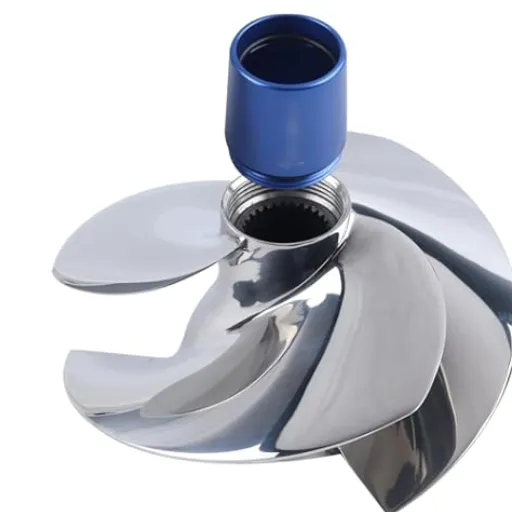
Regular Inspection Practices
In order for your Solas impellers to function optimally, they should be checked and evaluated regularly. Look at the impeller surface for damages, nicks, cracks, and leading and trailing edge wear. It is crucial to address all these flaws for optimum performance and to avoid turbulence issues. Inspect the tips of the impeller and ensure no seaweed, fishing line, or any object which could easily become entangled with the turning components is present. After every use in salt water, the impeller should be properly rinsed in fresh water to avoid rusting.
Inspection Checklist:
- ✓ Check impeller surface for damages, nicks, and cracks
- ✓ Inspect leading and trailing edges for wear
- ✓ Remove any debris, seaweed, or fishing line
- ✓ Rinse thoroughly with fresh water after saltwater use
- ✓ Examine wear ring clearance and condition
- ✓ Check drive line and impeller bearings
- ✓ Look for rust, pitted surfaces, or play in bearings
In addition to this, as part of the examination procedure, it is essential to investigate the wear ring. There should be proper clearance between the impeller and the wear ring; an increment in this clearance causes radial runout and leads to poor performance of the Solas jet ski impeller. In case of abnormal vibrations or decreased performance, the cause could be wear ring deformation or misaligned components, which should be repaired at the earliest. Ensuring that the wear ring is inspected and replaced when required on a timely basis will ensure that the thrust levels and reliability are up to the mark.
Finally, do not fail to check the drive line and impeller bearings. These two parts are critical to your Solas system, and concerns should arise when servicing your impeller. Check for any rust, pitted surfaces, or play in the bearings, as these will cause operational failures if not corrected. Protect these parts and lubricate on time based on the manufacturer’s instructions, using specific lubricants so that they do not wear out. It is advisable to record these routine maintenance checks and repairs in a maintenance logbook. That way it will be useful if there are any apparent problems or significant changes made, allowing for more effective and efficient use of Solas impellers.
Cleaning and Care Instructions
Properly maintaining your Solas jet ski impeller ensures that it performs optimally with no damage even after a long time of use. Cleaning the impeller starts with emphasis on rinsing it with clean water after each ride, especially if it was used in salty or dirty water. The components of salt, particles, and other contaminants tend to lead to rusting or crusting, which in turn diminishes the impeller’s performance. Apply a soft-bristle brush or a sponge to clean dirt or grime, making sure that the impeller is not scuffed or scratched in the process of cleaning it.
Cleaning Best Practices:
- Rinse Immediately: Use clean water after each ride, especially in saltwater
- Use Gentle Tools: Soft-bristle brush or sponge to avoid scratching
- Apply Marine Cleaners: Use mild detergent or marine-specific cleaners for heavy dirt
- Avoid Harsh Chemicals: Do not use abrasive materials that can damage coatings
- Flush Thoroughly: Ensure all cleaning agents are removed
- Dry Completely: Before reinstalling or storing the impeller
- Inspect During Cleaning: Look for cracks, dents, or deformations
To remove heavy dirt, make use of a light detergent or some marine-specific cleaner and wash the impeller with it. Do not use any strong chemicals or cleaners with abrasive materials because they will damage the Solas jet ski impeller coatings, compromise its structure, or simply cause wear and tear. Ensure that all the cleaning agents have been flushed properly and the impeller is dry enough before placing it back. Look out for any damage such as cracks on the impeller, dents, or deformations. This could render it necessary to replace it to avoid operational issues.
Storage Tip: Taking care of your Solas jet ski impeller includes good storage and maintenance practices. An anti-rust spray or a lubricant can also be applied if the impeller is going to be out of action for some time. The impeller should be kept and stored in a clean place, withdrawing it from too much heat and direct sunlight. You will be able to maximize the efficiency of the Solas impeller so that it is effective at all times by constantly inspecting, cleaning, and performing other necessary actions which contribute to prolonging its serviceability.
When to Replace Your Impeller
Knowing when to replace the impeller is of paramount importance as it ensures optimal performance and life span of the equipment. For instance, if the impeller is damaged, especially around the fins, or if the fins are cracked or cannot be straightened, it is wise to replace the impeller. These problems can, in turn, cause loss in efficiency, higher vibrations, and even damage to other components of your propulsion unit. Therefore, periodic visual checks will assist in spotting such problems early enough and taking necessary preventive measures.
⚠️ Signs You Need a Replacement:
- Visible Damage: Cracks, bent fins, or structural deformations
- Performance Issues: Unusual sounds, abnormally low speeds, or notably reduced thrust
- Excessive Vibration: Increased vibrations during operation
- Cavitation Problems: Loss of efficiency and thrust consistency
- Age-Related Wear: After 1-2 years of regular use (as per manufacturer recommendation)
- Failed Inspection: Issues discovered during routine seasonal checks
It is advisable to assess your impeller at least once within a particular season or after prolonged storage. If you experience any unusual sounds originating from the engine, abnormally low speeds, or notably reduced thrust, proceed to investigate the impeller for any possibilities of wear or blockage. It’s always good when those indications happen to ensure the problems are fixed before deterioration occurs. In the end, this saves time and money as issues can be addressed at a minor stage before major repairs are required, thanks to routine checkups.
Keep in mind to include replacing the Solas jet ski impeller as an aspect in the maintenance plan—even without specific manufacturer recommendations, consider replacement after more than a year or two. That is because, even if it looks fine, replacing it eliminates any chances of failure while on the water. With these measures in place, you can enjoy many years of hassle-free watersports with your watercraft.
Frequently Asked Questions (FAQ)
Q: What is the function of a Solas jet ski impeller and why is it needed to improve jet pump performance?
A: A Solas jet ski impeller is a critical yet precise component of PWCs (personal watercrafts) such as Sea-Doo, Yamaha, Kawasaki, and Honda, which is used to enhance water flow, thrust, and absorption efficiency of the particular jet pump. The wear ring, elliptical profile, position of the impeller, diameter, and pitch of the vanes have all been enhanced in Solas impellers. New cutting-edge power torque and super camber designs optimizing intake flow and producing powerful thrust for competitive/recreational use are further provided by Solas designers.
Q: Which models of Solas impellers can be used on my Sea-Doo, Yamaha, or Kawasaki jet ski?
A: Solas offers a range of replacement impellers and hub assemblies with various blade aspect ratios and pitches made to fit most types of jet skis such as Sea-Doo, Yamaha, Kawasaki, Polaris, Honda, etc. Their product line includes Dynafly impellers as well as Solas Concord options. Part numbers such as the 951 are specific to which application. To determine which model to choose, check the pump housing, shaft, and hub to ensure it will fit your jet pump and engine. Solas pumps are also available when the purpose is performance enhancement.
Q: What is the importance of blade shape in jet skis for quick starting and high speeds?
A: Impeller design can be critical: the geometry of the leading edge, blade area, and pitch determines how much water is pumped by the impeller and how well power from the engine is converted to motion or thrust. Lower pitches or aggressive blade areas can improve acceleration or low-end power, whereas bigger pitches boost top speed. Solas impellers are designed with state-of-the-art blades and available in both high-strength stainless steel and aluminum to offer riders optimal acceleration, low cavitation, and long-lasting durability when racing or touring respectively.
Q: Can Solas jet ski impellers address the cavitation problem and result in better durability?
A: The Solas Concord impeller line and other Solas models offer improved higher leading edge profiles and hub structure to prevent cavitation and allow smooth discharge from the jet pump. With the new impellers focusing more on the pumping area, they enhance the life of the impeller seal, minimize vibrations, and efficiently replace worn-out stock impellers, especially when used together with intakes and pumps that are in good condition.
Q: What materials and technology does the Solas product line utilize?
A: Many of their impellers are made using carbon steel grade stainless that offers maximum corrosion resistance, while also offering lightweight but durable aluminum options. The range consists of Dynafly pumps and high-performance technology designs such as extreme camber along with specific hub configurations to enhance power thrust and effectiveness. Solas conducts analytical studies on cavitation and blade wear to prolong the service life of their products in different operating conditions.
Q: Are there advantages of using a Solas impeller instead of a stock one in racing or recreational activities?
A: Numerous changes to the stock riding experience can be achieved by choosing a Solas propeller specifically. Improved acceleration, maintaining engine speed, increasing velocity, and decreasing cavitation are some of the benefits achieved after replacing the OEM propeller with Solas. For race conditions, engine tuning demands the selection of a specific pitch and blade characteristics. For casual operators, Solas provides several options where performance gain is almost equal to stock reliability and everyday convenience.
Q: What do I need to consider when choosing the Solas jet ski impeller in terms of pitch and size for my watercraft?
A: In determining the suitable pitch, you must take into account the engine’s power output, the balance between acceleration and top speed, and the condition of the jet pump. A smaller pitch leads to more rapid acceleration and faster response to throttle inputs, whilst a larger pitch results in a higher top speed. Consider your riding style and typical water conditions when making this decision.
Q: Is it possible to install Solas impellers on customized engines or fit other pumps from other companies?
A: Yes, indeed. Solas manufactures impellers for many purposes, particularly for high-performance engines and replacement jets. They include high-power impellers and customized Concord fittings to accommodate changed loads and different flows. Don’t just install the upgraded impeller without checking that it ‘fits’ with the existing pump case, shaft, and seals. Some setups with aftermarket hubs and/or high-performance motors will require more than a mere drop-in installation, as these may involve issues such as cavitation or shaft stress—professional fitting is recommended in these cases.
Q: Where can I find replacement Solas jet ski impeller parts and how durable are they?
A: You can find replacement Solas jet ski impeller parts in most marine shops, authorized dealers, and PWC-parts selling online shops. These are designed to last because the material is made out of stainless steel or high-grade aluminum. With proper care and maintenance, they can provide years of reliable service.
Conclusion
Upgrading to a Solas jet ski impeller represents one of the most effective ways to enhance your watercraft’s performance. Whether you’re seeking better acceleration, increased top speed, improved handling, or simply a more reliable and efficient ride, Solas impellers deliver on all fronts. The combination of advanced engineering, quality materials, and precise design makes these impellers the preferred choice for both recreational riders and competitive racers alike.
From understanding the different types of impellers and choosing the right specifications for your needs, to proper installation and ongoing maintenance, this guide has covered everything you need to know to maximize your investment. Remember that regular inspections, proper cleaning, and timely replacements are essential to maintaining optimal performance and extending the life of your impeller.
By following the guidelines and best practices outlined in this article, you’ll be well-equipped to select, install, and maintain a Solas jet ski impeller that transforms your watercraft into a high-performing machine tailored to your specific riding style and conditions. Take the plunge and experience the difference that a quality Solas impeller can make in your water adventures!
Ready to upgrade your jet ski’s performance? Invest in a Solas impeller today and unlock your watercraft’s full potential!