The worst thing that can happen when you’re at the sea is to experience loss of boat power when everything was going so smoothly, or when the boat was speedily skipping over the waves. This frequently occurs when one’s propeller hub needs spinning – a very basic problem with such severity that some people who own or rent boats for years cannot handle it. Any boater understands how to recognize the symptoms of this problem and also how it can be fixed. Below, I will discuss what a spun prop entails, so you won’t scratch your head the next time such an issue arises, and most importantly, I’ll explain what you should do to replace the hub. Whether a lover of boats or someone who has never practiced repairing a prop before, this article will help you to deal with the next repair in a simple and stress-free manner.
The Basics of Spun Props
What is a Spun Prop and How Does it Work?
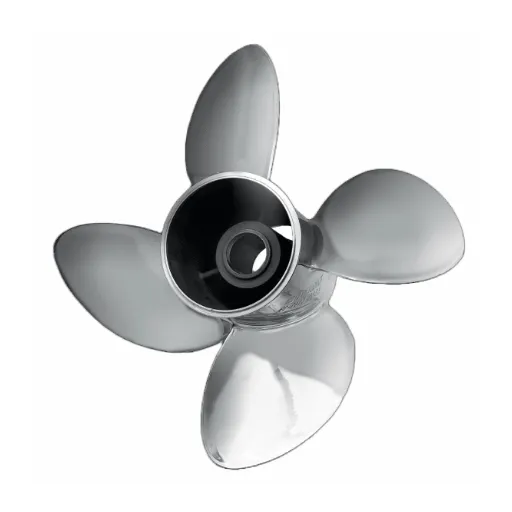
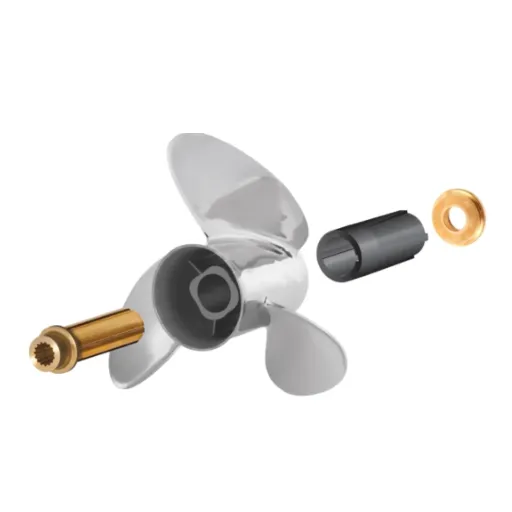
A spun prop describes an instance in which the central hub of a boat propeller disconnects or twists while the outer housing remains intact. This problem occurs because the hub, a piece of rubber or plastic intended to mitigate shocks by soaking up impact forces, becomes worn out or breaks. The propeller blade’s inner lining loses its adherence to the outer structure of the blades rendering the propeller ineffectual because it spins without power transmission from the engine as supposed to be.
Common Indicators of a Spun Hub:
- Engine runs at high RPM but boat speed remains low or acceleration is delayed
- Reduced forward thrust making the vessel slow and difficult to navigate
- Engine is working but the damaged hub does not transfer energy into movement
- More pronounced when carrying heavy loads
A prop that has been spun is mostly a consequence of fatigue, or hitting something and sustained and possibly increased temperature. Even though they are bothersome, they do not count as major problems as they can be quite easily remedied. Fixing a spun prop typically consists in replacing the broken interior hub with a functional one which restores the hub to propeller connections. Regular servicing and keen observation of the terrain will preclude this defect from occurring as often.
The Importance of a Properly Functioning Propeller
To ensure maximum efficiency, performance, and safety of any boat, the propeller plays an important role. The propeller emulates an aircraft’s function of transforming engine work into thrust force that moves the vehicle in the water. Having a faulty propeller will mean limited speed, difficulty in controlling the boat, and even stressing the engine which could cause expensive damages to the craft.
Key Benefits of a Properly Functioning Propeller:
| Benefit | Description |
| Fuel Efficiency | Reduces engine strain and fuel consumption while minimizing environmental impact |
| Enhanced Control | Ensures smooth sailing and maneuverability in choppy waters |
| Navigation Precision | Critical for docking and navigating through narrow waterways |
| Extended Lifespan | Regular maintenance ensures optimal performance and service life |
Common Types of Boat Propellers
Propellers for boats come in different shapes and sizes to fit different requirements and achieve specific performance standards. Understanding these designs empowers owners to decide on the most suitable racing prop to use for the desires and environments that they subject their vehicles to.
Fixed-Pitch Propellers
Widely used due to their robustness and ease of manufacture. Blades have a certain inclination, making them completely maintenance-free. This type is meant for average use and is mostly employed in pleasure boats.
Adjustable-Pitch Propellers
Allow users to adjust blades to optimize performance in operating conditions. More complicated and require routine servicing. Predominantly found in performance-driven boats where effectiveness and flexibility are needed.
Folding Propellers
Consist of blades that can tilt back to enhance aerodynamic performance when not needed. Preferred by sailors who wish to eliminate drag effects. May not be as strong in high-performance cases.
Identifying a Spun Hub on Your Boat
Signs of a Spun Hub Failure
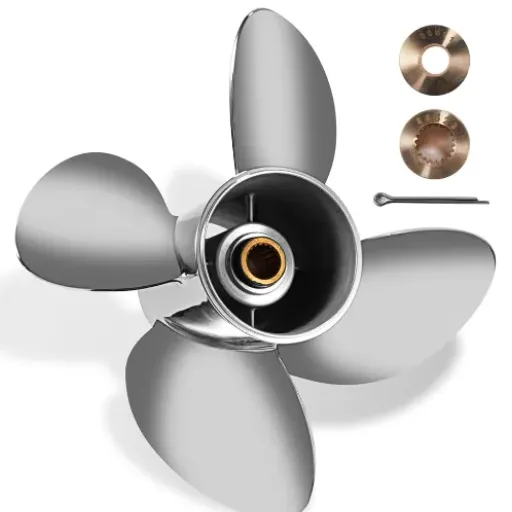
A spun prop can be explained as a phenomenon in which the inner bushing of the propeller hub slips on the propeller shaft and causes drastic reduction in propeller performance. The spun hub failure can also be indicated by a sudden and easily noticeable loss of speed of the boat, or the acceleration of the throttle, only to find that the boat is not thrust forward.
Primary Symptoms:
- ▸
High RPM, Low Speed: Engine revs increase but boat doesn’t move proportionally - ▸
Vibration & Noise: Abnormal vibrations or friction noise from the stern - ▸
Intermittent Power Loss: Periods of normal power suddenly followed by power loss - ▸
Uneven Propeller Movement: Caused by damage to the hub itself
Simple Confirmation Test:
- Mark a spot where the propeller draws a straight line with the propeller shaft
- Take the boat out and operate it normally
- Check the alignment marks after experiencing suspected issues
- If the marks differ from each other, this indicates the hub has been sheared
Identifying and fixing the problem early on is very important because operating the vessel while a spun prop is present may cause damage to the prop and prop shaft, which increases the cost of repairs.
How to Diagnose Propeller Hub Issues
A thorough diagnosis of the propeller hub problem is warranted to ensure that the hub is not slipped. One key indicator is the spun prop which hinders the boat’s overall functionality, involving loss of power or decrease in speed when the revolutions per minute are increased. The engine may over-rev without an increment in speed, a condition known as ‘slipping’.
Diagnostic Procedures:
| Step | Procedure | What to Look For |
| 1 | Alignment Mark Test | Mark inner/outer hubs; check for shifting after use |
| 2 | Vibration Assessment | Unusual vibrations during operation |
| 3 | Speed Consistency Check | Varying speed or fast vibration patterns |
| 4 | Lubrication Inspection | Proper lubrication and minimal play |
It is important to rectify these issues quickly otherwise using a defective hub for an extended period may result in additional issues such as traumatic injury to the gearcase and propeller shaft. In extreme cases, it is easier to contact someone who has the proper tools and expertise to test the prop and other components.
Impact of a Spun Hub on Boat Performance
A defectively spun prop will have a significant negative impact on a motorboat. Understanding these effects is crucial for recognizing the urgency of repairs.
Propulsion Loss
Spin of the hub minimizes propulsion by preventing smooth acceleration, making it difficult to reach and maintain high speeds.
Capped Maximum Speed
Top speed will be greatly compromised, potentially dangerous for activities such as waterskiing and racing boats.
Slippage at High Revs
Increased engine RPM without corresponding acceleration, characterized by reduced efficiency and excessive fuel consumption.
Excessive Vibration
Abnormal movement during operation, making the ride uncomfortable and potentially causing damage to adjacent components.
Control Problems
Decreased efficiency of boat balance, reducing steering ability—particularly problematic in rough waters or during emergency maneuvers.
💡 Repairing or changing the spun prop counters these issues, improving efficiency and restoring optimal boat performance.
Replacing a Spun Hub
Steps to Replace a Spun Hub
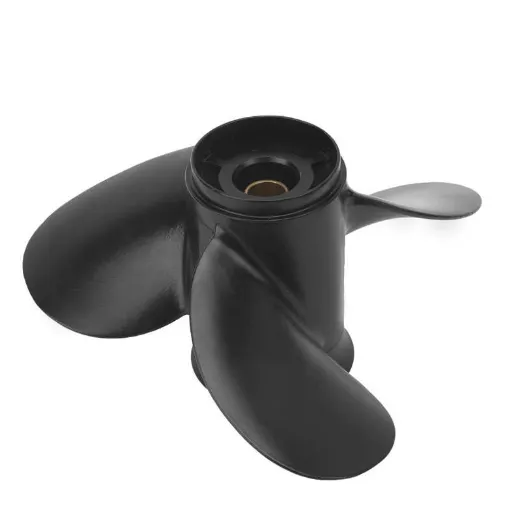
Follow these systematic steps to replace a spun hub efficiently and safely. Proper preparation and methodical execution ensure successful repair.
Step 1: Getting Ready for the Job
Ensure all necessary tools are readily available. Gather the following:
- Wrench, screwdriver, mallet
- Marine grease
- Replacement hub ring specific to your boat’s prop
- Boat’s manual for reference
Step 2: Removing the Propeller
Begin with disconnecting the engine to avoid any injuries from unexpected start-up. Loosen the propeller nut and washer, then carefully pull the propeller off the propeller shaft until the hub is accessible.
Step 3: Hub Assembly Inspection
Examine the rubber hub for damages or excessive wear. Check for melted rubber, cracks, or visible deterioration that confirms the hub has spun and requires replacement.
Step 4: Removing the Current Hub
The extraction method varies depending on propeller type. Use appropriate hub removal equipment if necessary. Exercise caution to avoid damaging the propeller during hub extraction.
Step 5: Installing New Hub
Lightly coat the shaft with marine grease and position the new hub in the propeller. Some hub systems may require press fit or accessories—follow manufacturer instructions carefully.
Step 6: Reassembling the Propeller
Place the propeller with the new hub on the shaft. Ensure the locking nut and washer are properly assembled, then fully tighten the nut. Avoid over-tightening.
Step 7: Testing the Installation
Rotate the newly fitted propeller by hand to ensure free spinning. Reconnect the engine and start it to verify proper function with the new hub installed.
Important: The correct use of tools coupled with proper methods will ensure successful hub replacement. Regular boat maintenance greatly enhances health, safety, and performance. Always observe manufacturer instructions for your vessel.
Tools Required for the Replacement Process
Having the right tools readily available facilitates a quick and efficient hub replacement process, preventing delays and complications.
| Tool | Purpose |
|---|---|
| Rubber Mallet | Aids in removing propeller and components without causing damage |
| Propeller Wrench | Specialized tool for securely loosening or tightening the propeller nut |
| Needle-Nosed Pliers | Recommended for removing small parts like cotter pins with precision |
| Replacement Hub Kit | Contains hub and other components that need replacement |
| Marine Grease/Lubricant | Reduces friction and shields the propeller shaft from rust |
| Socket Wrench Set | Used for fastening or removing various sizes of hardware |
| Towel or Rag | For wiping the shaft and clearing residue or old grease |
| Propeller Puller | Useful for removing tight propellers that are firmly in place |
⚠️ Safety First: Always wear protective gloves when handling sharp or heavy components to ensure handler safety.
Cost Considerations When Replacing a Spun Hub
Several cost factors affect the total expense of replacing a spun prop, including vessel type, hub size, and tool availability. Understanding these costs helps with budget planning.
Typical Cost Breakdown:
| Expense Category | DIY Cost Range | Professional Service |
| Replacement Hub | $50 – $150 | Included |
| Tools & Lubricants | $30 – $100 | N/A |
| Labor | $0 | $50 – $150 |
| Total Estimated Cost | $100 – $300 | $150 – $450 |
Cost-Saving Tips:
- Purchase from quality brands or authorized dealers for longevity
- Use a suitable hub specifically matched to your propeller and boat
- Consider quality over price—cheap aftermarket hubs may have reduced efficiency
- Factor in potential additional expenses (propeller damage, old parts replacement)
- Conduct timely inspections to minimize expensive future repairs
Taking the initiative to ensure regular inspection of your boat’s propulsion systems will minimize the danger of a spun prop and therefore prevent expensive repairs in the future.
Preventative Measures and Maintenance

How to Protect Your Propeller from Spinning
It is necessary to maintain your propeller through routine preventative measures. Proper care extends propeller life and prevents costly spun hub failures.
🔍 Regular Inspections
Examine the propeller hub regularly for signs of wear or damage. Address minor issues such as cracks or deterioration at initial stages rather than letting the situation worsen.
🧼 Post-Use Cleaning
Clean the propeller after each use, especially in saltwater environments. Corrosion can deteriorate the hub over time if not properly maintained.
⚖️ Avoid Overloading
Don’t overload the boat or subject it to conditions causing excessive propeller pressure. Avoid obstacles like sand and rocks that can induce hub damage.
👨🔧 Professional Check-ups
Schedule routine consultations with nautical engineering specialists. Professionals can recognize weaknesses and suggest actions to extend propeller life.
🔧 Proper Installation
Ensure correct hub mechanism installation and fitting. This precaution helps maintain propulsion system fitness and prevents premature failure.
🌊 Navigate Carefully
Anticipate risks when heading out to avoid escalation. Careful navigation prevents prop damage and maintains efficiency.
These preventative basics help avoid spun props and extend the usable period of your boat’s propulsion system significantly.
Carrying a Spare Propeller: Best Practices
Taking along an extra propeller ranks high in the ‘must do’ steps for smooth, trouble-free boating excursions. A damaged or spun prop can immobilize you and cause performance decline, hence the value of a spare.
Essential Best Practices:
- Choose Compatible Specifications: Select a spare propeller matching your vessel’s parameters—application, construction features, size, and pitch form that fit your boat and engine.
- Proper Storage: Use protective cases or padded storage to prevent damage, dirt, and rust. This ensures the spare remains ready for emergency use.
- Keep Essential Tools Ready: Maintain wrenches, pliers, prop nut socket, extra washers, cotter pins, and a prop nut for efficient replacement.
- Practice Replacement Procedure: Familiarize yourself with spun prop replacement so you can perform it confidently during emergencies on the water.
- Consider Protective Measures: Purchase propeller guards or locks to prevent theft or contact with other boat structures.
- Regular System Observation: Routinely observe your propulsion system for early detection of likely problems, reducing urgent changes.
Carrying an extra propeller and appropriate tools not only enhances propulsion function but also promotes trip fulfillment without frustration when engine power is suddenly lost.
Heat and Gear Considerations for Boat Motors
Managing heat and ensuring proper gear use are essential for optimal outboard motor performance and longevity. Outboard motors generate significant heat during continuous operation that must be dispersed properly to prevent damage.
Heat Management Essentials:
| Concern | Prevention Measure |
| Engine Overheating | Maintain cooling system; check water intake and channels for obstructions |
| Component Warping | Ensure proper cooling fluid levels; replace when necessary |
| Lubrication Reduction | Use marine-grade oils designed to withstand heavy use |
| Mechanical Breakdown | Regular thermostat replacement and cooling system inspections |
Proper Gear Selection:
- Use correct props to avoid damaging the motor and reduce fuel consumption
- Avoid over-revving the engine (pitch too low) or “lugging” the engine (pitch too high)
- Maintain proper RPM range for the engine specifications
- Balance speed and torque relative to engine parameters for optimal function
- Consider outside temperature effects on engine cooling efficiency
Adopting proper heat and gear management strategies keeps the boat motor functioning reliably while making the boating experience safer and more thrilling.
Conclusion and Expert Advice
Quick Tips for Maintaining Your Boat Propeller
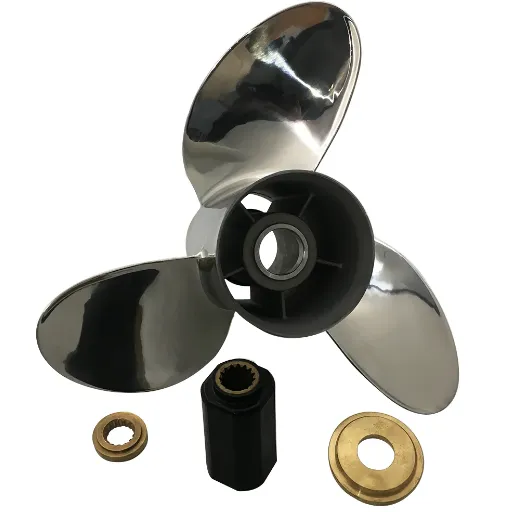
1. Regular Inspections
Carefully examine the prop for dents, cracks, and damage before or after use. Minor damage can eventually cause significant torque load and fuel wastage.
2. Remove Obstructions
Inspect for fishing line, weeds, or debris after every outing. Prompt removal prevents extra motor load and potential overheating.
3. Shaft Lubrication
Regularly lubricate the propeller shaft with marine grease to prevent rust and ensure easy removal during maintenance or repair.
4. Secure Propeller Nut
Ensure the nut holding the propeller is properly tightened with cotter pin or lock tab secured. A loose prop may become problematic during operation.
5. Balance Verification
For proper operation, maintain propeller balance. If you discover bumps or vibrations, take the propeller to a specialist for inspection and repair.
6. Timely Replacement
Replace the propeller when it shows excessive long-term damage and deformation. A better, efficient design can enhance vessel usage comfort.
Adhering consistently to maintenance procedures greatly enhances propeller life and improves the performance of the spinning prop and the boat overall.
When to Seek Professional Help
While necessary upkeep and cleaning can be done by many boat owners, certain situations require professional expertise to ensure safety and optimal performance.
Situations Requiring Professional Assistance:
| Symptom | Professional Action Required |
| Persistent Performance Issues | Inability to reach maximum speed, low fuel economy after thorough cleaning |
| Excessive Noise/Vibrations | Wear-induced issues that don’t resolve after tune-up; implies unbalanced chord or pitch angle |
| Structural Damage | Cracks, bends, or large chips requiring specialized instruments for diagnosis |
| Spun Prop Complications | Extended wear to engine and boat parts; needs expert damage assessment |
| Propeller Upgrades | Material changes (aluminum to stainless steel) or performance optimization advice |
A certified nautical engineering professional will examine the extent of damages to your propeller and provide expert opinion on whether repair is feasible or replacement is necessary. They can also advise on propeller size and shape suitability for specific boating activities like sport fishing, water sports, or long-range trips.
💡 This expertise ensures that expenditures on upgrades yield extensive results with lasting performance improvements.
Frequently Asked Questions (FAQ)
Q: What does “spun prop” mean and what actually happens in a spun hub?
A: A spun prop occurs when the propeller hub breaks its fit with the shaft or the rubber couplings inside the hub fail. The drive efficiency declines because it “spins in a hub,” often showing up when the propeller spins while the ship is stationary or the engine is in neutral or idle.
Q: Which test shows whether the boat has a spun prop?
A: If the boat remains stationary without thrust in forward or reverse direction, or the engine revs up but the boat doesn’t move much, this can indicate a spun prop or hub failure. Observe for unusual vibrations, gear slipping, or when the prop spins and the vessel remains still.
Q: Is it possible to get a spun prop from hitting something and what are the remedies after a hit?
A: Yes, striking an object may lead to breaking the hub or blades and ultimately cause the prop to spin. After a strike, shut down the engine immediately, examine the prop for bent blades, inspect the hub for damage, and consult a mechanic to replace it and fix the spun hub to avoid further drivetrain component damage.
Q: Do you have any recommendations on how to avoid future spun prop damage? Perhaps more durable or affordable props?
A: Stainless steel props are stronger and harder to wreck, while aluminum props cost less and are designed to break or slip on contact to protect the gearbox. Consider the durability versus cost tradeoff—it will help you either prevent expense or reduce repair deterioration over time.
Q: When there are cases of spin out, will the performance change when someone shifts into reverse or neutral?
A: Yes. Engaging reverse or neutral can show a spun prop problem—in neutral it could spin without connecting, while in reverse the thrust reduction will be most noticeable. If the prop hub slips, engagement in forward, neutral, or reverse could be inaccurate or fail to occur.
Q: Can anyone advise on how to solve or fix a spun hub? What should I do to fix a spun prop problem?
A: Fixing a spun hub usually entails removing the prop, checking the hub and shaft splines for damage, replacing the rubber or hub if necessary, and correcting bent shafts or key issues. This fix restores normal operation so the prop doesn’t slip along the shaft.
Q: Is there any possibility that one engine brand can solve spun prop issues better than others?
A: Spun prop problems are largely due to propeller or hub defects rather than engine brand. Some stern drives and outboards (including Mercury) may have hub designs made to slip and withstand impact. Ensuring regular inspections and using non-brittle materials helps with any engine brand.