In order to make the vessel faster or achieve any other peak performance, it is more than just important to select appropriate design of the propeller. An engine with a stainless steel propeller on the other hand has the ability to perform excellent in terms of longevity, accountability, and overall the speed as well as consumption. Whichever category of water enthusiasts you belong: a seasoned mariner or newcomer to boating, this comprehensive guide promises insights to help you select the most suitable propeller and avoid guesswork that may lead to costly mistakes in open waters.
Introduction to Stainless Steel Propellers
What is a Stainless Steel Propeller?
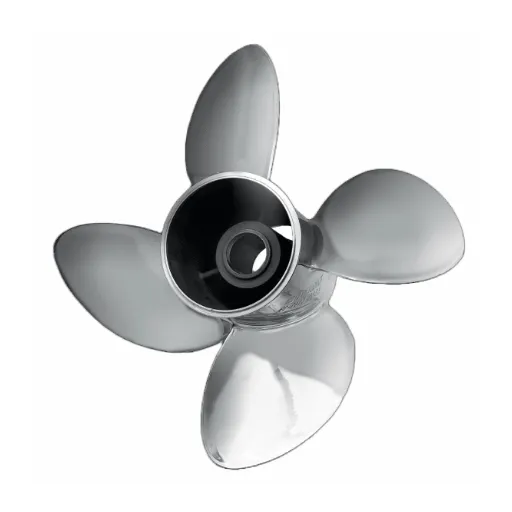
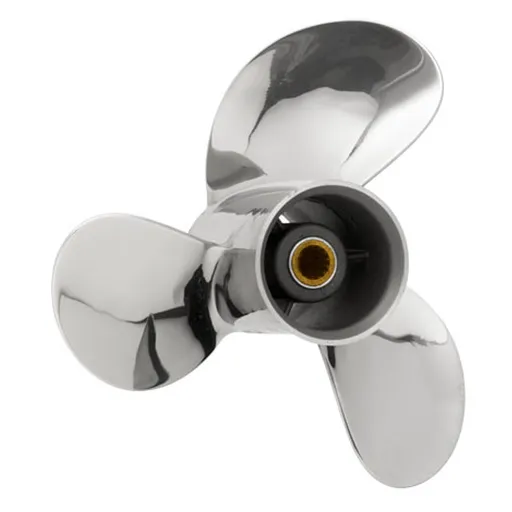
Boat propellers known as stainless steel propellers are manufactured from metal, more precisely stainless steel. This resistant and strong material is highly appropriate for maritime applications. Steel remains corrosion-free even after prolonged periods in water and undergoes minimal changes even in saltwater environments. This explains why it is such a preferred option by most boat operators.
One of the primary advantages of stainless steel propellers is their superior performance capability. Due to the material’s inherent strength, propellers can be constructed with thinner blades which enhance hydrodynamic properties and consequently engine performance. This results in achieving greater speed, rapid acceleration, and reduced fuel consumption compared to aluminum and other material-based propellers.
Stainless propellers are significantly more robust than aluminum propellers, making them less susceptible to cracking when encountering underwater obstacles or hard debris. This feature not only extends the propeller’s lifespan but also reduces expenditure on frequent replacements, making it a sound investment for recreational boaters and professional mariners alike. Although they carry a higher initial cost than alternative materials, stainless steel propellers are regarded as a worthwhile upgrade for those demanding efficiency and durability over extended periods.
Importance of Choosing the Right Prop for Your Boat
Selecting the suitable propeller for your boat is essential in optimizing its performance, fuel consumption, and handling characteristics. A well-matched propeller ensures the boat operates within the manufacturer’s stipulated RPM range and enables the engine to function without excessive strain. This enhances both speed and acceleration while extending the engine’s operational lifespan.
Moreover, selecting an appropriate propeller significantly improves fuel efficiency by minimizing unnecessary drag and maximizing thrust output. For instance, a propeller with optimal pitch allows the engine to operate at its most efficient speed, eliminating energy waste. This becomes especially valuable during lengthy trips where efficiency directly impacts operational costs.
Ultimately, choosing the appropriate propeller enhances your boat’s handling and safety characteristics. It provides superior control, particularly under challenging conditions such as rough waters or during docking operations. Whether you’re boating recreationally or professionally, selecting the right stainless steel propeller for your specific application guarantees a worry-free and more pleasant time on the water.
Overview of Stainless Steel vs. Aluminum Propellers
The most commonly utilized materials for manufacturing boat propellers are stainless steel and aluminum, each serving distinct purposes. Aluminum propellers possess the advantages of being lightweight, cost-effective, and suitable for leisure and weekend water enthusiasts. These are often chosen for power equipment operating at lower to middle-class performance levels where basic functionality suffices. However, stainless steel propellers would be ideal for more demanding applications due to their superior durability and performance characteristics.
Propellers manufactured from stainless steel offer the distinct advantages of exceptional strength and high efficiency. These blades are considerably more resilient than aluminum and can therefore withstand harsh conditions including debris-filled waters or severe operational abuse. The material’s strength permits thinner blade construction, which translates to improved speed and fuel consumption. Although stainless steel propellers command higher prices, this investment typically proves cost-effective for serious mariners or vessels equipped with powerful engines.
Choosing between stainless steel and aluminum propellers ultimately depends on your priorities and budget considerations. For boats with moderate engines, aluminum propellers provide sufficient performance for recreational activities. Operational scenarios demanding long-term service without deformation or excessive wear will benefit substantially from stainless steel propellers. Understanding your typical boating activities and operating environment will enable you to determine the most appropriate option for your circumstances.
Benefits of Stainless Steel Propellers
Durability and Longevity
Corrosion Properties
Stainless steel maintains its integrity even in corrosive saltwater applications—a characteristic where aluminum propellers typically fail. The material resists rust and corrosion over extended periods.
Stronger Material
Stainless steel demonstrates far greater resistance to bending, cracking, or breaking under intense speeds or substantial loads compared to softer aluminum alternatives.
Cost Savings in the Long Run
Despite their higher initial purchase price, stainless steel propellers deliver greater long-term value as they resist wear and require less frequent replacement.
Additional Protection from Debris
The robust nature of stainless steel enables it to withstand collisions with rocks, logs, or other underwater materials without sustaining severe damage.
Wear & Tear Resistance
Stainless steel propellers wear out significantly slower than aluminum, maintaining vessel performance over years since harder materials resist deterioration more effectively.
Performance Advantages Over Aluminum
Increased Strength and Lifespan
A stainless steel propeller is substantially stronger than an equivalent aluminum propeller and is therefore less likely to bend or fracture when subjected to extreme conditions, enabling it to survive tough environments and sustain optimal performance.
Improved Thrust Efficiency
Stainless steel material maintains its shape under pressure, delivering superior thrust. Testing confirms that boats equipped with stainless steel propellers can achieve approximately 10 to 15 percent more thrust than those using ordinary aluminum propellers.
Decreased Flex Tendency
Aluminum blades tend to flex under massive exertion, generating higher wear and increasing engine load. Stainless steel’s rigidity delivers consistent operational performance ideal for high-speed applications.
Enhanced Fuel Efficiency
Due to reduced flex and greater thrust efficiency, stainless steel propellers improve fuel consumption in the range of 5-10%, translating to significant cost benefits for boat owners over time.
Precision Crafting for Custom Applications
Stainless steel permits more complex curves and delicate blade profiles compared to aluminum. This allows for sharper turning capabilities, improved acceleration, and better-tailored overall performance for specific navigational requirements.
Corrosion Resistance and Maintenance
Rust Resistance in Saltwater
Even when submerged in saltwater for extended periods, stainless steel boat propellers resist rust formation—a quality that substantially extends their service life in marine applications.
Chromium Protective Layer
The chromium present in stainless steel alloys forms a protective oxide layer when exposed to oxygen, shielding the interior from corrosion and eliminating the possibility of decay through flaking or pitting.
Low Maintenance Requirements
Due to superior corrosion resistance, stainless steel propellers require less frequent intensive cleaning compared to aluminum alternatives. Simply rinsing with clean water after use typically suffices.
Immunity to Marine Fouling
Algae, barnacles, and other organic growth are less likely to adhere to stainless steel’s hard surface, preventing performance degradation over time.
Functionality in Harsh Conditions
Stainless steel’s corrosion-resistant properties remain effective even in waters with high acidity or chlorine concentration, making it suitable for both saltwater and freshwater applications.
Types of Stainless Steel Propellers
Three-Blade vs. Four-Blade Designs
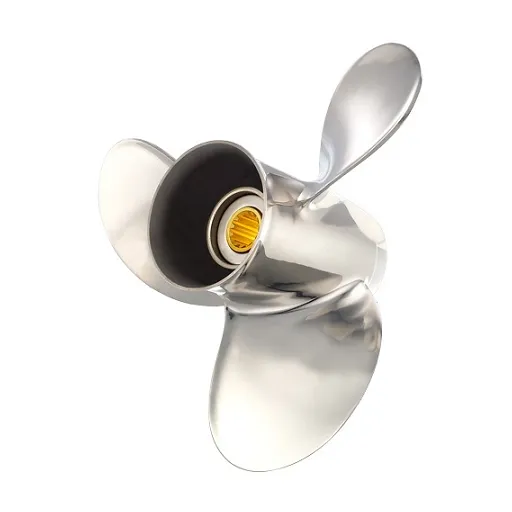
Three-blade propellers offer higher top speed and affordability, while four-blade propellers provide better acceleration, stability, and reduced vibration. The choice depends on your specific performance priorities and vessel characteristics.
Propeller Diameter and Pitch Considerations
Diameter paired with pitch plays a central role in propeller design as it influences the overall performance of the watercraft. Diameter depicts the width of the circle created by the rotating blade tips. Typically, boats designed for heavy loads and operating at slower velocities—such as tugs and workboats—tend to have larger diameters. Conversely, smaller diameters are often integral to speed-oriented and lightweight vessels.
In contrast, pitch is defined as the theoretical distance a propeller would travel forward in one complete revolution through a solid medium. Generally, higher pitch values are used for achieving faster speeds but with reduced acceleration. Lower pitch propellers increase pulling power and heavy load carrying capacity but often limit top-end speeds. The proper balance between diameter and pitch must be determined to achieve efficient vessel operation without compromising the boat’s capabilities, engine specifications, and intended purpose.
Careful detection and evaluation of all these aspects, combined with recent developments in marine engineering and guidance from available technical data, enable boat owners to make reasonable and accurate decisions, facilitating flawless operation and fuel economy.
Maintenance Tips for Stainless Steel Propellers
Regular Cleaning and Inspection
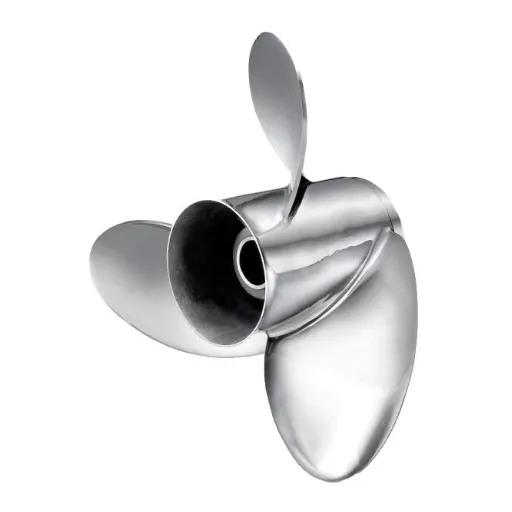
A high-quality stainless steel propeller is designed for long-term durability, but you must perform routine cleaning and maintenance to preserve its optimal functioning. First and foremost, ensure the propeller is thoroughly washed with clean water after every outing—this becomes particularly critical when the boat has been operated in saltwater environments. The presence of salt deposits and organic matter can lead to corrosion and create weak areas within the metal if left unaddressed. Barnacle deposits, algae, or other marine growth can disrupt the propeller’s hydrodynamic efficiency; use soft brushes along with boat-specific detergents or mild soaps to remove these accumulations effectively.
During inspection, focus on identifying any deformations such as nicks, cracks, or twisted blades that may interfere with the boat’s intended speed and movement. Propeller blade damage, hub concerns, or balance issues can lead to vibration problems and, if left unrepaired, will ultimately cause strain on the engine system, resulting in costly repairs. Remove the propeller periodically to check the shaft for fishing lines or other foreign objects that might be wound around it, as these can cause seal or bearing failure when the propeller is engaged.
Incorporating standard maintenance routines with modern methodologies described in reliable maritime industry publications is highly encouraged. This may include utilizing more efficient and eco-friendly antifouling paints and specialized cleaning products in your maintenance process. Staying current with knowledge ensures you never lag behind in terms of best practices or regulatory changes for maintaining your stainless steel propeller. Such preventive measures enhance performance, improve fuel efficiency, and extend the propeller’s functional lifespan considerably.
Identifying and Preventing Damage
The proper approach to maintaining a stainless steel propeller involves performing periodic inspections rather than waiting for damage to manifest. Look for structural damages such as nicks, dents, cracks, or deformations in the propeller blades, as these will adversely affect performance and fuel consumption. Pay particular attention to the trailing edges and blade roots, as these are stress-prone areas likely to experience abuse. When problems are identified, serious issues should be addressed by marine professionals, while minor concerns can sometimes be rectified using specialized repair kits available from marine suppliers.
Environmental factors contribute significantly to propeller damage, particularly abrasive materials and debris present in water. Implementing preventive measures—such as avoiding shallow water navigation or debris-laden areas—substantially reduces the probability of striking rocks or other submerged objects. Additionally, applying anti-corrosion coatings and maintaining effective cleaning routines for both the stainless steel propeller and shaft guards against corrosion and general wear. By actively implementing these preventive measures, your propeller will maintain a long lifespan and serve effectively without requiring premature replacement due to impaired performance.
Keeping current with new propeller technology and maintenance techniques also helps minimize and prevent damage. Facing increasingly demanding aquatic conditions, innovations such as advanced hydrodynamic coatings have been introduced to increase durability and decrease wear factors. Staying aligned with technological progress not only helps enhance your equipment but also allows you to adapt to evolving industry standards or environmental regulations. Regular inspections, damage prevention strategies, and exposure to developing technologies collectively extend the lifespan of your stainless steel propeller and enhance your overall on-water experience.
Storage Recommendations for Longevity
Proper storage of a stainless steel propeller is imperative for maximizing its durability and operational lifespan. Begin by cleaning the propeller thoroughly to remove any salt deposits, marine growth, or accumulated dirt. Rinse the propeller with clean water, then apply a suitable boat detergent and wash it completely. These steps are essential as they help resist corrosion caused by contaminants remaining on the propeller. After completing the cleaning process, ensure the propeller is completely dry, as moisture creates increased oxidation risk during the storage period.
Store the propeller in a clean, dry location away from direct sunlight, as ultraviolet radiation can gradually degrade protective coatings applied to the propeller. If the propeller cannot be stored upright, it should be adequately padded to prevent external damages or unwanted impacts. It is imperative that you avoid placing heavy objects on or near the propeller, as this may lead to blade bending or warping. For additional protection, consider coating the surface with a thin film of corrosion-resistant lubricant before storage.
Attention to proper propeller storage conditions is necessary to maximize its lifespan; even the storage environment must remain ideal throughout the off-season. Consider implementing these best practices and regularly servicing your equipment; you will enhance the performance and durability of your marine equipment for extended periods while protecting your investment.
Comparing Stainless Steel with Other Materials
Aluminum vs. Stainless Steel: Pros and Cons
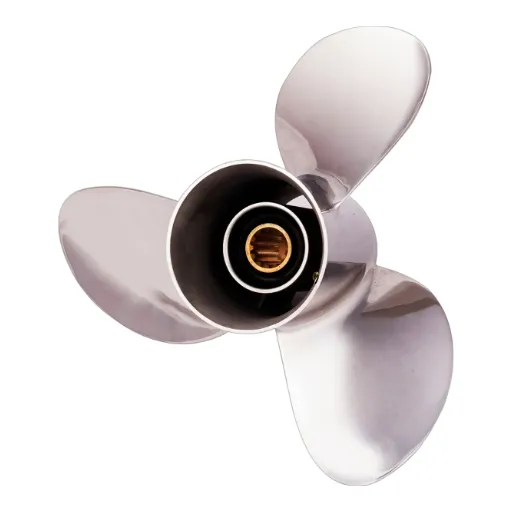
Aluminum propellers are affordable and easier to repair but offer lower durability and efficiency, while stainless steel propellers deliver superior performance, exceptional durability, and improved fuel efficiency at a higher initial cost.
Composite Propellers: Are They Worth It?
Over recent years, marine design and production have increasingly focused on developing composite propellers. Unlike conventional aluminum and stainless steel, composite propellers are manufactured from reinforced polymers incorporating advanced fibers that make them lightweight and corrosion-resistant. One of the primary advantages of composite propellers is their ability to absorb shock upon impact, preventing damage to both the propeller and the drivetrain. For this reason, they are preferred by many boat owners operating in areas with underwater obstructions or shallow waters.
Regarding performance aspects, composite propellers tend to offer moderate but efficient speeds. Metal variations may produce slightly more noise compared to available aluminum alternatives. The weight reduction associated with composite propellers implies less engine torque is required, translating to improved long-term fuel economy. Although high-power engines may find composite propellers less robust than stainless steel variants and potentially shorter-lived, composite propellers are often priced competitively compared to aluminum and are therefore frequently purchased by recreational boaters.
Currently, the propeller industry has made significant progress in developing composite propellers with enhanced performance characteristics and improved longevity. In this context, composite propellers may be suitable depending on intended purposes such as recreational boating, fuel conservation, or moderate-duty conditions. Individuals can make informed decisions about investing in composite propellers by carefully evaluating their advantages and limitations relative to their specific boating activities and performance requirements.
Choosing the Right Material Based on Engine Horsepower
Selecting an appropriate propeller material requires balancing performance, durability, and cost considerations relative to your engine’s horsepower rating. For medium-powered engines, typically within the 40–150 HP range, aluminum propellers generally provide the best value for recreational boating applications while adequately withstanding moderate operational stress. These propellers are convenient due to their lighter weight and relative ease of repair when necessary.
For more powerful engines, particularly those exceeding 150 HP, stainless steel represents the superior material choice. These blades offer exceptional durability, environmental resistance, and are engineered to transmit substantial power without failing under heavy stress. Stainless steel should be the preferred option when operating vessels in diverse environments or accommodating high-speed applications. While stainless steel propellers command higher prices, this investment proves worthwhile for performance-oriented boating applications.
However, for recreational boats or lower-powered engines where economical and lightweight designs are paramount, composite propellers present a viable alternative. Although not matching the strength of aluminum or stainless steel, these propellers perform adequately for light-duty operations and offer cost-effective solutions. The most appropriate choice depends on your engine’s horsepower rating combined with your preferred boating style and operational requirements.
Frequently Asked Questions (FAQ)
Q: What determines whether to choose a stainless steel prop versus an aluminum prop?
An aluminum propeller is neither as strong nor as durable and may not withstand shock or maintain its form in the same manner as a stainless steel propeller. Typically, a stainless propeller retains its pitch and shape better under thrust as the boat accelerates. Stainless steel performs exceptionally well in situations where boat operators—particularly with outboard engines from manufacturers like Mercury and Yamaha—choose stainless steel to sustain prolonged, more efficient operation with less deterioration than aluminum propellers allow.
Q: What are the different features of stainless steel propeller designs—why choose three blades versus four?
Three-blade stainless steel propellers achieve higher speeds with reduced drag, while four-blade designs promote better elevation, quicker hole-shot performance, and superior handling for heavy boats or activities like water skiing. Different propeller designs have varying characteristics regarding vibration and cavitation problems. It is advisable to balance propeller characteristics to fit your hull and engine specifications by selecting the appropriate number of blades and rake angle.
Q: What factors explain the importance of matching the hub and prop shaft in a stainless steel prop installation?
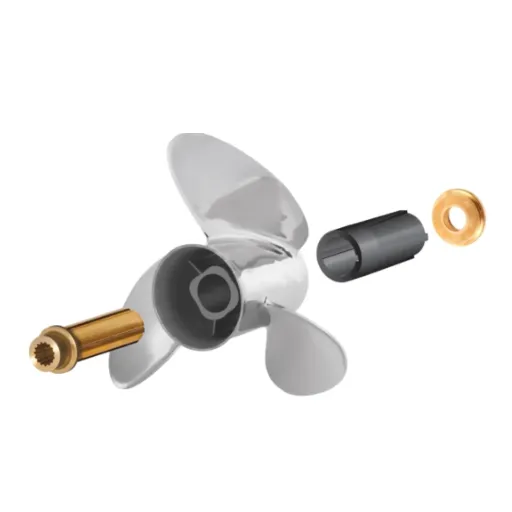
Shaft and hub compatibility is critically important, as it involves properly mounting the propeller onto the outboard motor. The hub must be compatible with the splines, shear pin or bushing system, and the shaft’s outer diameter of the outboard engine. Many stainless propellers available in the market are designed to fit universal prop hub systems for Mercury or Yamaha motors, for example, but it remains advisable to verify compatibility with your specific prop shaft before installation to avoid damaging the motor, propeller slip/spin, and troublesome vibrations.
Q: What is the ideal time and criteria for changing my propeller and selecting a stainless steel propeller replacement?
It is time to replace your propeller when overall performance deteriorates, the propeller sustains chips or damage, or you need a propeller with different performance parameters such as altered pitch to improve fuel efficiency or increase velocity. When selecting replacement stainless propellers, analyze your current RPM and horsepower specifications, as well as whether your vessel would operate more effectively with different pitch values or blade configurations.
Q: Do stainless steel propellers corrode easily in marine environments compared to aluminum props?
Stainless steel propellers are inherently strong and rust-resistant, generally lasting considerably longer than aluminum propellers when properly maintained. Any metal propellers—including stainless steel variants from manufacturers like Mercury—can be affected by electrolysis or galvanic corrosion; therefore, it is essential to ensure proper anode usage, adequate system grounding, and regular engine rinsing, especially after use in saltwater. As stated, stainless steel propellers will remain operational for high-performance seagoing vessels provided consistent inspections and appropriate maintenance are performed.
References
- NASA Technical Reports Server (NTRS)
This report discusses the application of stainless steel in advanced structural designs, including propeller applications. - Office of Scientific and Technical Information (OSTI)
This article highlights the properties of stainless steel, such as its strength and corrosion resistance, which are highly relevant to propeller materials.