While a prop is being optimized for boat performance, one should consider the potential trade-offs of choosing the right propeller for their Suzuki outboard engine—that is, a propeller that works for them may also end up being frustrating on the water. With so many choices to choose from, entering into the realm of propellers can get pretty overwhelming. This guide will make things easier for you by explaining everything from choosing the right prop to keeping it in tip-top shape. Whether for speed, fuel efficiency, or handling, this one-stop resource is all-dressed-up to help you in making informed decisions and in taking your boating experience to the next level. Now, get set to unleash the very best from your Suzuki!
Understanding Outboard Propellers
1What is an Outboard Propeller?
An outboard propeller is a vital part of an outboard motor assisting in moving a boat through the water. Its thrust moves the boat in one direction or another, produced by the engine’s power. Shaped like helical fins, the blades of the propeller spin against the water to generate movement.
Propellers vary in shape, size, and material, each aiming to enhance performance for the specific needs of a boat. Many factors, such as the number of blades, pitch (distance the propeller moves itself forward through the water in one revolution), and diameter will affect the way the propeller behaves. Therefore, selecting the most appropriate propeller will bring benefits related to speed, fuel economy, and better handling.
The propeller of an outboard must be maintained well so that it performs efficiently and could be given a longer life, including that of the outboard motor. Inspection for damage, removal of debris, confirming the tight mounting of a propeller at least one time in a week are all the bare minimums every boat owner can perform, to safeguard his investment and strengthen his boating pleasure.
2Types of Suzuki Outboard Propellers
Suzuki-related outboard propeller variations are designed to cater to various boating needs and ensure that they fit different Suzuki outboard models and performance criteria. The design of these propellers optimizes speed, fuel consumption, and handling in a variety of water conditions.
Aluminum Propellers
Aluminum propellers are one of the most common types; they offer a price advantage, and they are suitable for general applications. Aluminum props present an excellent option for casual boating; they offer durability and dependable performance on calm waters. Aluminum props are easier to fix should the need arise, thus making them a practical choice for many boat owners.
Stainless Steel Propellers
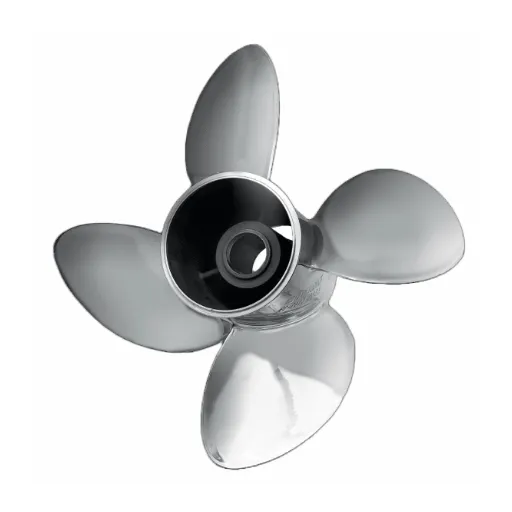
Enhanced performance demand attracts stainless steel propellers as the most popular choice for buyers. These propellers are less prone to damage and corrosion than aluminum ones; hence, more rigid propellers allow more efficient acceleration, reaching higher top speed. Great for high-speed boating, skiing, or just playing with speed. These, too, are often engineered to higher tolerances, which helps with handling.
3How Propeller Design Affects Performance
A propeller always determines the overall functioning of a boat in terms of speed, acceleration, maneuverability, and fuel economy. The shape, size, rotation, pitch, and material of the propeller determine the efficiency with which it converts engine power into thrust. A good design propeller allows maximum performance in various conditions and in activities like cruising, fishing, or watersports.
Key Design Considerations
- Pitch: The distance the propeller would theoretically move in one revolution through the water. High pitch allows for great top-end speed but slightly reduces acceleration and puts more strain on the engine.
- Diameter: Larger diameters create lots of thrust, making it perfect for heavy boats or towing purposes.
- Number of Blades: More blades generally mean smoother operation and better balance at higher speeds but slightly reduce the top speed.
- Cup Shape: Blades with cups have minimum slippage with the water against it, so the propeller always has a good grip in the water, decreasing the formation of cavitation.
Choosing the Right Suzuki Boat Propeller

Factors to Consider for Selection
Essential Selection Factors
⚙️ Pitch
How far the propeller pushes the boat forward in one complete turn. Lower pitch provides better acceleration, while higher pitch improves top speed.
🔧 Material
Stainless steel is the most resistant and efficient, while aluminum propellers are lighter and inexpensive.
⚡ Engine Power
Match propeller to engine’s maximum RPM range to avoid straining and ensure smooth operation.
⚖️ Boat Size & Weight
Heavier boats need propellers with higher thrust and load-bearing capabilities.
🎯 Intended Use
Leisure cruising, fishing, or towing each requires specific design features like blade number or blade shape.
By paying careful attention to these requirements, any boat owner can pick a Suzuki propeller that suits his needs while optimizing his enjoyment and the fuel economy out on the water.
Matching Your Propeller to Your Outboard Engine
Selecting a propeller for outboard engines is a very crucial process in order to properly maximize the performance of a boat. Any mismatch between the propeller and the engine could significantly arise problems since the motor could be operating out of its ideal RPM range, which could be affecting fuel efficiency, speed, and handling. One must consider the engine’s horsepower and gear ratio in working out the proper propeller specifications.
💡 Expert Tips for Engine Matching
- A low-pitch propeller is suitable for smaller engines to give them maximum acceleration
- A high-pitch propeller will go well with large engines to attain top-end speeds
- A four-blade propeller gives more emphasis on load-carrying capability and thrust for heavier boats
- A three-blade propeller designed for speed and agility is best for light or high-speed boats
The choice of propeller material can make a significant difference; aluminum is used for general purposes, and stainless steel is preferred by those seeking durability and the best performance.
Your requirements for propeller selection very much depend on the actual boating activities you will partake in. For instance, avid anglers may prefer designs optimized for slow-speed trolling, whereas the adrenalin seekers into watersports probably want a good fast acceleration propeller to tow their wakeboards or tubes. The modern propellers, with new technologies infused into them, offer an incredible choice, catering to all that the modern boater may want. Thus with an expert idea along with thorough knowledge of your engine and boating activities, you are assured of a smooth, efficient, and enjoyable time on the water.
Understanding Prop Diameter and Pitch
The two major characteristics that govern the performance of a boat are the diameter and the pitch of the propeller.
⚠️ Important: Pitching should always be done according to the RPM range given by an engine manufacturer to provide the best performance and prevent motor overloading or underutilization.
When the diameter and pitch are placed in a perfect balance between each other, a right balance between speed, power, and fuel consumption can be attained by the users. Manufacturers like Suzuki provide detailed guidelines and specifications for propellers for user opinions concerning their choice. A mixture of this technical information and actual testing or consultation with an expert will cement the choice of an appropriate propeller to set with an engine and for the purpose intended for the activities to be carried out.
Performance Enhancements with Suzuki Propellers
How Propeller Material Affects Performance
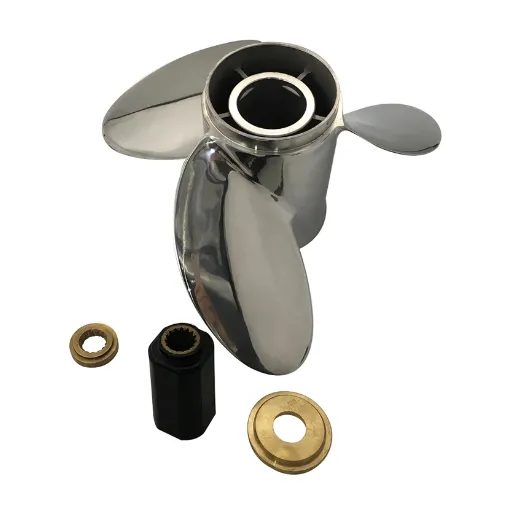
The choice of propeller material can heavily influence the overall performance of a boat. Whether opting for aluminum or stainless steel, an owner usually chooses between the two for very good reasons.
Aluminum Propellers
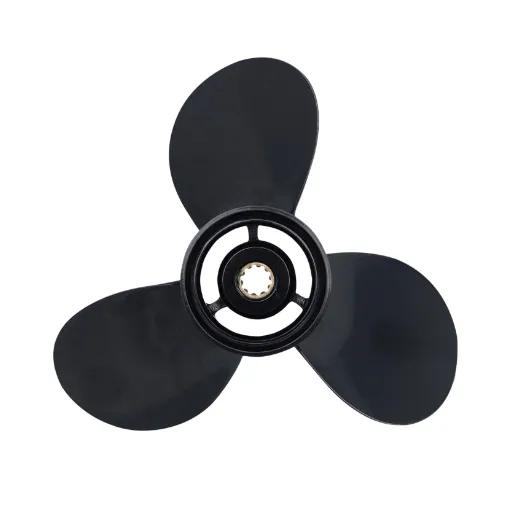
A relatively lightweight aluminum propeller is cheaper and used mostly for recreational boating. Though it can resist some degree of abrasion, it is best for relatively small boats or engines with low horsepower. Being softer in nature, they may get damaged if they collide with underwater obstructions.
Stainless Steel Propellers
What stainless steel propellers are known for is garnering superior strength and durability. This material can endure greater engine power and work more efficiently under challenging conditions, be it at great speeds or while towing. With stainless steel propellers, considerably thinner and precise blade designs are possible, thereby maximizing speed and fuel economy. However, they do come at a higher cost than aluminum options, and stainless steel may not always be necessary for all boating applications.
According to recent performance insights, stainless steel propellers have shown to reduce slippage and maintain RPMs more consistently during heavy loads, having outperformed aluminum during rigorous tests.
Therefore, boaters must consider factors such as the engine type, typical water conditions, and budget while making choices for materials, because these are factors that finally impact how fast a vessel travels, how long fuel will last for it, and how long it will last itself.
Benefits of Stainless Steel vs. Aluminum Propellers
While stainless steel propellers give better durability and superior performance and fuel economy, aluminum offers the advantage of being cheaper, lighter, and quickly repairable.
Optimizing Performance for Different HP Ratings
Choosing the correct propeller by horsepower is vital to obtaining performance and efficiency.
HP-Based Propeller Recommendations
🔹 Under 75 HP (Lighter Engines)
Aluminum propellers are often preferred as a more economical choice with adequate wearability and performance for light applications such as small fishing boats or pontoons.
🔹 75-150 HP (Mid-Range Engines)
The choice is usually made based on particular boating use; heavy-duty activities or watersports should go stainless, while casual cruising could probably justify a cheaper aluminum option.
🔹 Over 150 HP (Greater HP Engines)
Consider stainless steel propellers due to strength, higher torque capacity, and speed requirements. Excellent for speedboats or offshore-use boats with performance considerations.
Stainless steel propellers are excellent at maintaining RPM consistency under the heaviest loads and remaining rigid against deformation through resisting inefficient action from the engine being pushed to its limits. Conversely, aluminum propellers are believed to bend under extreme forces and thereby suffer minor losses in performance.
Based on pitch and diameter and material fitted for the given HP ranges, performance reports and online tools can aid a boater in narrowing down the choices. In addition to prop calculators, a boater can consult manufacturers for data-based recommendations to maintain safety and output. Both research and customized solutions provide for this end in answering customer satisfaction while still maximizing efficiency and extending engine life.
Maintenance of Suzuki Outboard Propellers
Regular Inspection and Cleaning
Maintenanceof Suzuki outboard propellers starts with regular inspections to prevent any performance issues. Next, one must examine the blades for damage, such as cracks, dents, or warping, which may raise inefficiency or cause vibrations during operation. Look out for fishing lines or debris that might have wrapped themselves around the propeller shaft as these can damage seals and allow water entry to the lower unit. A visual inspection must be undertaken after every trip to ascertain the well-being and operation of your propeller.
✓ Inspection Checklist
- Examine blades for cracks, dents, or warping
- Check for fishing lines or debris wrapped around the propeller shaft
- Look for damage to seals that could allow water entry to the lower unit
- Confirm tight mounting of the propeller
- Conduct visual inspection after every trip
Cleaning Process
Cleaning the propellers is critical and one must do this with care so as not to corrode or aggravate the problem of marine growth. The propeller should be removed from the shaft to reach areas that are difficult to clean. Dirt, salt, algae, or barnacles are among those that accumulate over time and need to be dispelled with a mild detergent and soft brush. After cleaning, the propeller needs to be rinsed with fresh water and dried completely because water retained on the surface can begin the process of rusting. Also, applying waterproof grease onto the shaft before reassembling with the propellers will help in defending from wear and tear.
Remove from shaft
Clean with mild detergent
Rinse with fresh water
Dry completely
Apply waterproof grease
With regular inspections, careful cleaning, and the use of correct tools and products, you can maintain efficiency and performance of Suzuki outboard propellers for a long time. Maintenance reduces wear and tear while also saving on fuel consumption and providing a little smoother ride on the water. When combined with proper know-how and current resources, these preventative measures equip boaters with the means to avoid sudden breakdowns and keep their voyages flowing uninterrupted to or from any destination.
When to Replace Your Outboard Propeller
In instances where changing a propeller for the outboard, decisions should be based on several indicators. Understanding when replacement is necessary can save you from costly repairs and ensure optimal performance.
🚨 Critical Replacement Indicators
Visual Damage
The most obvious and immediate sign is visual damage. Keep a close eye for any cracks, chips, or large bends in the blades because such damages should be resolved at the earliest. A damaged propeller will never work properly and will put too much strain on the engine, which surely would translate into more expensive repairs in the near future.
Reduced Performance
If the usual cruising speed is hard to reach, acceleration is difficult, or vibrations become too much, that’s usually a good time to consider that the propeller may not be doing its job properly. These performance problems often go hand-in-hand with increased fuel consumption.
Compatibility Changes
Should modifications be made to the boat or if certain performance objectives need to be met, such as towing or improving speed, the replacement of the propeller becomes a priority that will better serve specific needs.
💡 Pro Tip: By being proactive in anticipating these needs and ensuring regular checks on propeller conditions, you can catch problems early before they get worse, ensuring a great time with safe and efficient boating.
Popular Suzuki Outboard Propeller Kits
Overview of Available Kits
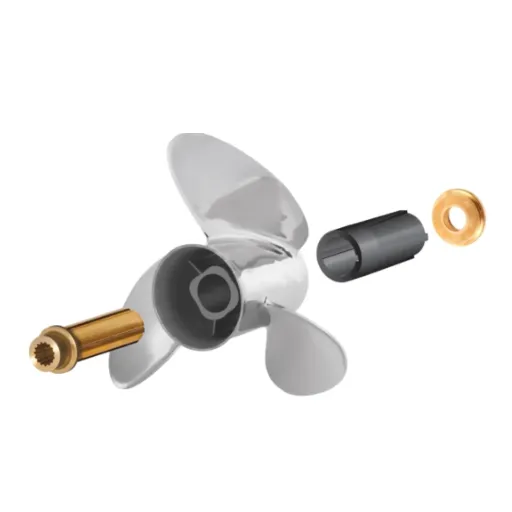
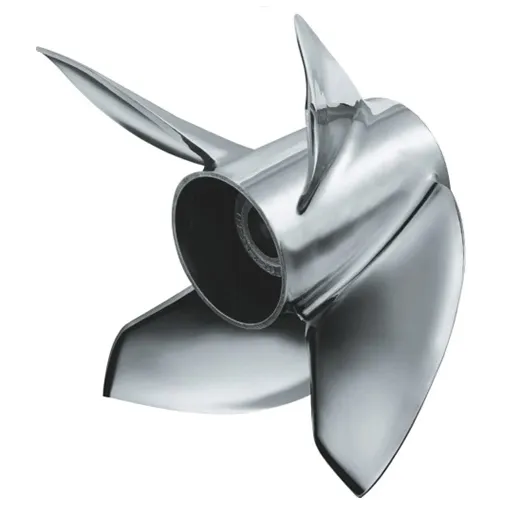
Various types of Suzuki outboard propeller kits are offered to suit different boat requirements and to assure compatibility and optimal performance for various Suzuki engines. The kits will usually contain the propeller, which is precision-engineered, the necessary mounting hardware, and installation instructions, all designed to facilitate the upgrading process. The propellers come in stainless steel or aluminum, based on the preference for strength, corrosion resistance, and efficiency alterations that depend on your boating activity.
🔩 Stainless Steel Kits
Chosen for greater strength and better performance under higher loads. Ideal for enthusiasts who want long-term operation at higher speeds. Perfect for high-performance and demanding boating applications.
⚙️ Aluminum Kits
The less costly and lighter choice; perfect for the recreational boater or those focused on reasonable mid-level performance. Excellent value for casual boating activities.
⚠️ Selection Criteria: The kit one opts for must consider factors like engine size, RPM requirements, pitch dimensions, and application—fishing, watersports, or cruising. A kit that matches your engine and boating objectives will ensure smoother navigation and the ability to get the most from your vessel.
Benefits of Purchasing a Complete Kit
Investment into a full kit for your boat propeller setup comes with many perks that foster ease and performance efficiency. The following can be considered five major benefits:
1. Compatibility Assurance
Reach the right level of fitting! The complete kit is designed considering different aspects of your boat’s propeller system: engine size, shaft dimension, and performance requirements. With this, the guesswork disappears, as does the possibility of mismatched components.
2. Efficiency and Performance
The kit aims to create enhanced efficiency so that its counterpart is compatible with all components while working efficiently, which can lead to higher fuel efficiency, speed, and improved vessel handling.
3. Cost-Effectiveness
Bundled kits provide an array of services at a much lower price compared to purchasing parts individually. These kits provide all parts needed, leaving very few chances for buying anything else or bearing unforeseen expenses.
4. Ease of Installation
Having all parts in one package makes installation much easier. This equates to saving time and effort for amateur boatbuilders, creating a much smoother assembly process.
5. Enhanced Durability and Longevity
Components in a complete kit are built to match and complement each other, thus further increasing the system’s durability. Dry-fitting a few parts to work together decreases wear and tear, and increases the life of your boating equipment.
Choosing a complete kit allows the boat owner to facilitate maintenance, improve performance, and enjoy fine peace of mind while sailing.
References
-
20suzuki Df140 Lower Units
This document discusses aspects of Suzuki outboard engines, including propeller shafts and related components. -
Design of Cavitating Propeller Blades in Non-Uniform Flow
A study from MIT focusing on marine propeller design, which may provide insights into the engineering principles behind outboard propellers. -
Outboard Anodes: What They Are & What They Do
This guide explains the role of metal components in outboard motors, which could include propeller-related details. - Click here to read more.
Frequently Asked Questions (FAQ)
Q: What actually are Suzuki outboard propellers?
A: Suzuki outboard propellers are specially designed parts that boost the thrust performance and handling of Suzuki outboards on the water. They come in different designs, such as 3-blade options, to suit various boating requirements.
Q: How do I choose the proper Suzuki outboard propellers for my boat?
A: Using our propeller guide, select your desired Suzuki engine first, then narrow your choices according to boat size and intended use. Important parameters are pitch, diameter, and design of blades for optimal performance.
Q: Do stock Suzuki boat props exist?
A: Propellers for Suzuki boats are available with many retailers and shops. These props comply with factory specifications and are suitable for various Suzuki outboards to ensure performance.
Q: What is the importance of the hub for Suzuki outboard propellers?
A: The hub in Suzuki outboard propellers functions very importantly to connect your propeller to your outboard motor. In effect, it’s through this outstanding propeller that transmission of engine power is transmitted to the water, impacting the boat’s performance and efficiency.
Q: How does pitch influence my Suzuki outboard’s performance?
A: Pitch will determine how much water is displaced per rotation. A high pitch can allow you to go faster, but the higher load might demand serious power. A low pitch, however, will give you more acceleration and good maneuverability, thus a very important factor to consider while choosing your Suzuki outboard propeller.
Q: What kind of advantages do the Michigan Apollo props provide to Suzuki Outboards?
A: Michigan Apollo propellers, mainly thanks to their construction and design, ensure durability and performance. They allow smooth handling of the vessel and are focused on fuel efficiency, making them a reliable choice across different Suzuki Outboard models.
Q: What do I have to do to make sure that the shipping of my Suzuki outboard propellers is proper?
A: To make sure that your Suzuki outboard propellers will ship properly, buy from shops that are well reputed and that deal mostly with marine products. These places usually apply the safest packaging methods and best shipping procedures to ensure your propellers arrive safely during transit.