The propeller on your Tohatsu outboard engine plays a critical role in optimizing your boat’s performance. This essential component controls how your boat glides through water, affecting fuel consumption, maneuverability, and acceleration. With numerous options available in the market, selecting the perfect propeller can feel overwhelming. This comprehensive guide simplifies the decision-making process by highlighting the key factors that influence propeller selection, helping you achieve reliable performance from your Tohatsu engine. Whether you prioritize speed, versatility, or fuel efficiency, this article provides the insights you need to make an informed choice.
Understanding Tohatsu Outboard Propellers
What is a Tohatsu Outboard Propeller?
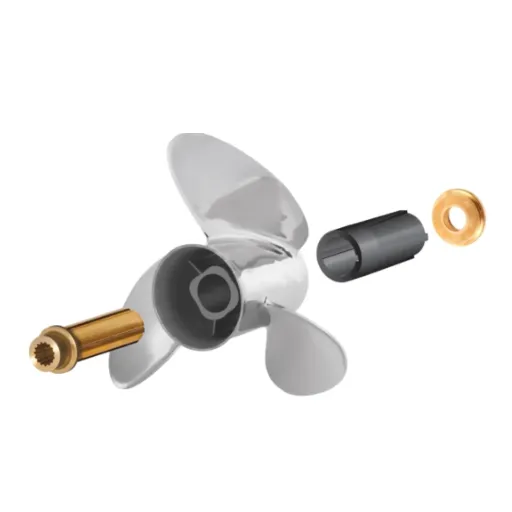
A Tohatsu outboard propeller serves as one of the key components of a Tohatsu outboard motor. It receives power from the engine and converts it into thrust, which moves the boat forward through water. The system operates on the principle of spinning and pushing water backwards, generating the force needed to propel the boat forward. These propellers are constructed from materials such as aluminum or stainless steel, offering a balance between durability, performance, and efficiency.
Tohatsu propellers come in various shapes and dimensions, featuring different diameters, pitches, and blade configurations. This variety allows boat owners to customize their selection based on specific needs—whether to increase speed, economize on fuel, or improve control under different water conditions. The right propeller, combined with proper maintenance, contributes significantly to engine performance and helps maintain the boat’s desired capabilities for various applications, from sportfishing to recreational cruising.
Selecting and maintaining the appropriate propeller for your Tohatsu outboard motor is essential for longevity and optimal performance. Important factors to assess include boat size, engine horsepower, and typical usage conditions. Regular inspections help prevent wear and tear while enhancing overall performance.
Types of Tohatsu Propellers
To meet the diverse demands of boating, Tohatsu offers a wide variety of propellers designed for optimal operation and efficiency. Tohatsu propellers can be classified by their materials, blade designs, and size combinations to match specific engine specifications and water applications.
Aluminum Propellers
Among the most popular options for Tohatsu outboards, aluminum propellers are durable, affordable, and well-suited for a variety of recreational and light-commercial applications. Aluminum propellers offer an excellent balance between strength and weight, making them ideal for everyday boaters.
Stainless Steel Propellers
Stainless steel propellers excel in strength and performance, surpassing aluminum in durability. This material is corrosion-resistant and well-suited for high-speed applications or harsh environments. Stainless steel propellers are ideal for situations where precision and durability are paramount—such as competitive boating or handling heavy loads.
High Thrust Propellers
High thrust propellers are designed to generate increased torque and are suitable for heavier boats or tasks such as trolling. These propellers typically feature a more aggressive blade design to increase thrust at lower speeds, ensuring better control and efficiency under challenging conditions.
Each variety of Tohatsu propeller serves specific boating purposes. Factors such as engine type, anticipated usage, and water conditions should be carefully considered when choosing a propeller. Proper maintenance and handling are essential for the longevity and consistent performance of your propeller.
Importance of Prop Diameter and Pitch
Propeller diameter and pitch are two factors that significantly affect the efficiency and operational performance of a boat. Diameter refers to the overall size of a propeller measured from blade tip to blade tip across the center. Larger diameters are better suited for heavier boats or conditions requiring substantial thrust at low speeds, while smaller diameters are designed for lighter vessels targeting higher speeds.
Pitch describes the theoretical distance a propeller would move forward in one revolution with no slippage. A propeller with higher pitch delivers more speed but requires greater engine power, making it suitable for lighter boats or performance-focused applications. Conversely, a propeller with lower pitch provides faster acceleration and better control, ideal for heavier loads or towing duties.
Choosing the right combination of diameter and pitch ensures optimal performance and fuel efficiency while reducing engine stress. The ideal balance depends on boat weight, engine power, and typical usage. Regular consultation with your engine owner’s manual and working with a marine professional will help you select a propeller that meets your specific requirements.
Selecting the Right Propeller for Your Tohatsu Engine
How to Match a Propeller to Your Engine HP
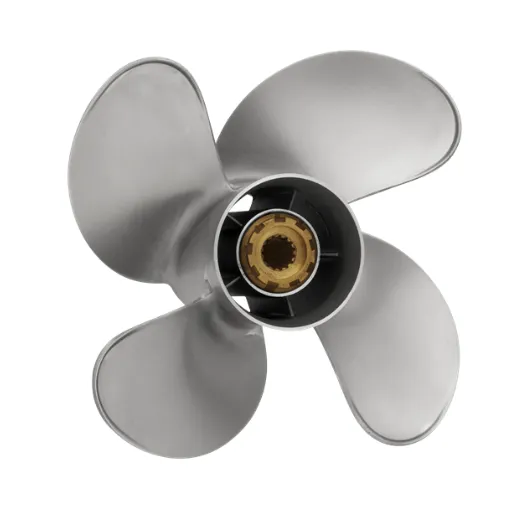
The process of selecting an appropriate propeller begins with matching the propeller specifications to your engine’s horsepower rating. Higher horsepower engines can handle more efficient propellers. A mismatch can lead to reduced performance and increased engine strain. Higher HP engines typically work well with higher pitch propellers to maximize speed, while lower HP engines benefit from lower pitches for enhanced acceleration and power delivery.
Propellers should be matched based on diameter, pitch, materials, and intended speed range. Select a propeller that falls within the RPM range recommended by the engine manufacturer, as operating outside this range can damage the engine. For example, a Tohatsu engine with 50 HP might require a propeller that balances power and speed for a medium-sized boat or water sports activities.
Modern advancements in propeller technology and materials enable users to fine-tune their selection more precisely. Regular testing and adjustments are essential, taking into consideration typical conditions such as load, speed, and water type.
Factors to Consider When Choosing a Tohatsu Boat Prop
Key Selection Factors
1. Material Construction
Tohatsu boat propellers are commonly crafted from aluminum or stainless steel. Aluminum props are lighter and less costly, making them ideal for recreational boating. Stainless steel props offer superior corrosion resistance and durability, making them best for high-performance applications or saltwater environments where they can better withstand corrosion and force.
2. Pitch and Diameter
Pitch refers to how far a prop moves in one revolution, while diameter measures the circumference of the prop blade circle. Lower pitches improve acceleration and are excellent for towing or heavier loads, whereas higher pitches suit faster boats and boost top-end speed. Matching these measurements to your engine’s RPM range ensures maximized performance.
3. Blade Configuration
Tohatsu propellers are typically available in three to five blade configurations. Three-blade designs offer a balance between speed and efficiency. The type of water you frequently navigate—freshwater versus saltwater—also impacts prop choice. Stainless steel props often perform better in saltwater due to their corrosion resistance, while aluminum props can be sufficient for calmer freshwater environments.
4. Load and Boat Usage
Consider your typical boat weight, passenger load, and purpose of use (fishing, recreational cruising, water sports) before making your decision. For heavier loads, a lower pitch propeller provides easier steering and better efficiency.
Best Practices for Selecting Boat Props
- Focus on propeller specifications: Begin with diameter and pitch, which directly impact boat performance. Ensure the prop aligns with your engine’s horsepower and operating RPM range to avoid inefficient performance and engine stress.
- Choose the right material: Aluminum provides cost-effective performance for most common boating applications, while stainless steel offers exceptional durability and performance advantages, particularly for high-speed or performance-critical situations.
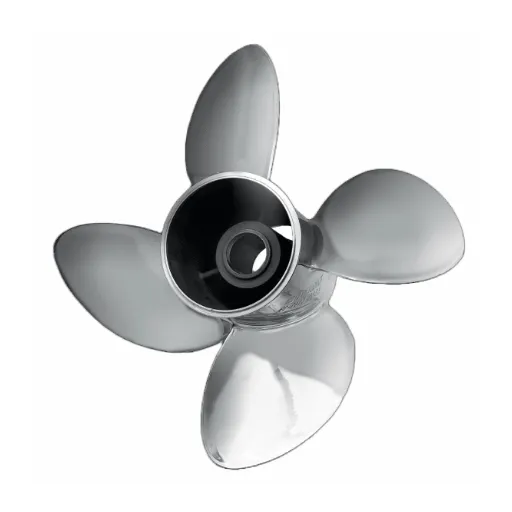
- Consider blade count: Three-blade props are suitable for higher speeds, while four-blade props provide better handling under heavy loads with improved low-speed control.
- Stay informed about technology: Some manufacturers now offer propellers with advanced materials and optimized designs that improve fuel efficiency and precision. Manufacturer websites, industry reviews, and user forums provide valuable information on recent trends and performance evaluations.
By applying best practices and staying informed, you can ensure your boat delivers excellent performance on the water while enjoying a more pleasurable boating experience.
Performance and Efficiency of Tohatsu Boat Propellers

Understanding Propeller Performance Metrics
Understanding propeller performance metrics involves evaluating various critical factors that impact efficiency, handling, and overall performance. One significant measurement is pitch—the theoretical distance traveled by a propeller in one full revolution. Proper pitch matching improves engine performance and enhances the boat’s acceleration. Similarly, propeller diameter affects thrust and load balance, with larger diameters typically delivering more power to heavier boats.
Another important metric is the number of blades and blade design. More blades result in reduced vibrations and enhanced low-speed control, making them ideal for applications such as trolling and comfortable cruising. Material selection also matters significantly—stainless steel propellers offer superior durability at high-stress points, while aluminum propellers maintain affordability while delivering satisfactory performance for standard applications.
Ongoing developments continue to introduce innovations such as variable pitch propellers and advanced hydrodynamics to increase fuel efficiency and environmental protection. By tracking these metrics and matching them to your boat’s specifications, you can maximize energy efficiency, promote smoother sailing, and extend engine longevity.
How Propeller Design Affects Boat Speed
A boat’s speed and efficiency are significantly dependent on propeller design. Blade pitch is a crucial factor—it represents the distance a propeller would travel through water in one complete rotation with no slippage. Higher pitch propellers offer greater speed by propelling more water per revolution, though they consume more engine energy. Lower pitch propellers deliver better acceleration and are perfectly suited for tasks requiring good maneuverability, such as towing or navigating narrow waterways.
Blade number is another essential component. Most propellers feature three, four, or five blades, each offering different speed-efficiency trade-offs. Three-blade propellers create minimal drag, providing maximum-speed operation ideal for speedboats. Four or five-blade propellers improve boat stability and counter vibration, offering smoother control and greater load capacity while sacrificing some speed—making them more efficient in rougher waters or heavier loading conditions.
Material composition also impacts speed by affecting durability. Stainless steel propellers, known for their strength and rigidity, maintain their shape well under stress, ensuring minimal energy loss and enabling higher speeds. Aluminum propellers, while cost-effective, may flex under stress, potentially limiting top-end speed. Modern designs with anti-cavitation features and specialized blade forms effectively reduce cavitation—when vapor bubbles form and burst—ensuring smoother movement across the blades with less resistance or turbulence.
Optimizing Fuel Efficiency with the Right Propeller
Under typical conditions, the proper propeller choice can be the determining factor in a boat’s fuel efficiency. The appropriate pitch for your engine ensures operation within the optimal RPM range. Ill-fitting props result in higher fuel consumption, so matching the pitch or size closely with your engine’s design achieves superior performance. Propellers designed for heavy loading might perform better with less fuel consumption. Boat owners should consider factors such as vessel weight, hull type, and operating environmental conditions to identify the optimum performance propeller.
Propeller pitch is a crucial element to consider—it represents the distance the propeller moves forward in one revolution relative to engine RPM. Lower-pitched propellers work better for heavier loads and slower speeds, while higher-pitched propellers can achieve greater speeds but might overburden the engine under extreme conditions. Proper balance allows for smooth performance while easing engine stress and benefiting fuel economy. Stainless steel propellers are often preferred for their strength and efficiency, maintaining their shape despite high stress.
State-of-the-art enhancements have made many propeller designs renowned for their fuel-saving capabilities. Features such as cupped blades, specific blade geometrics, and hybrid material constructions contribute to noise reduction, drag reduction, and propulsion enhancement. Variable-pitch propellers have demonstrated excellent performance by enabling fine-tuning for specific operating ranges. Following manufacturer recommendations or consulting with knowledgeable marine professionals when purchasing a propeller designed for fuel-conscious objectives achieves both savings and environmental resource protection.
Price Range and Purchasing Options for Tohatsu Propellers
Average Prices for Tohatsu Outboard Propellers
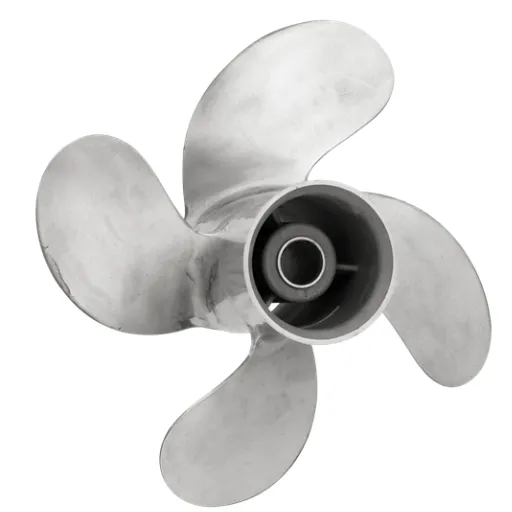
Tohatsu outboard propeller prices are determined by factors such as material, size, and propeller type. Standard aluminum propellers typically range from $80 to $200, offering cost-effective solutions with good durability. These are excellent for recreational purposes without significant financial commitment. Stainless steel propellers, prized for their strength, corrosion resistance, and efficiency, typically range from $250 to $600, providing superior performance while maintaining quality in saltwater environments with known corrosion threats.
Beyond materials, Tohatsu propeller pricing is influenced by size and pitch. Lower-priced propellers are typically found in smaller diameters designed for low horsepower engines, but as engine size and power increase, propeller costs rise accordingly. Specialized features can push prices upwards of $700 for options like four-blade or custom propellers. This wide price range reflects the variations between casual boating and professional applications.
When investing in a Tohatsu outboard propeller, consider not just the price but also parts availability at potential retailers. Local dealers may provide guidance and practical advice, though local market conditions might affect pricing. Seasonal sales and promotions can offer more affordable deals, making timing an important factor. Investing in the best propeller for your boat is worthwhile regardless of budget or boating preferences.
Comparing New vs. Used Tohatsu Propellers
New Tohatsu propellers provide a balance between enhanced performance, warranty protection, and durability, offering reliable service to users. Used propellers cost less but may require additional maintenance and carry risks of performance issues and shorter lifespan.
Maintenance and Care for Tohatsu Outboard Propellers
Routine Maintenance Tips for Propellers
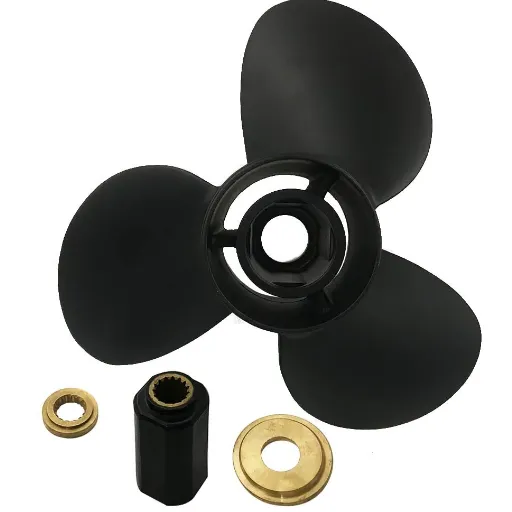
Proper care given to Tohatsu outboard propellers ensures peak performance, longevity, and maximum fuel economy. Regular visual inspections of the propeller’s operating surfaces are essential. Dents, cracks, bent blade edges, and scratches weaken both structural integrity and performance, requiring immediate attention and maintenance. Ensure the propeller is free of debris such as fishing lines or seaweed, which can entangle on the shaft causing excessive wear and overheating.
Another significant aspect of routine maintenance is greasing the propeller shaft. Over time, the shaft can corrode or seize up, making propeller removal difficult. To prevent this, periodically remove the propeller and apply quality marine-grade grease to the shaft. This prevents corrosion and ensures the propeller can be easily removed for inspection or replacement. When refitting the propeller, ensure the locking nut and any washers are properly secured to prevent slippage during operation.
Finally, verify that the pitch and size of the propeller match your outboard’s requirements. Incorrectly matched propellers place undue strain on the outboard motor, consuming more fuel and reducing performance. Consult the boat owner’s manual or seek advice from an experienced marine professional if you have doubts. Additionally, inspect the propeller’s balance or consider replacement if it has been used for extended periods. Incorporating these tasks into your maintenance routine will prolong the service life of your Tohatsu outboard propeller while enhancing boat performance.
Signs of Propeller Damage and When to Replace
A damaged propeller can significantly hinder your boat’s performance, making it essential to recognize warning symptoms early. Noticeable speed reduction or difficulty reaching top RPM can indicate bent or nicked propellers. Visual inspections may reveal cracks, dings, or corrosion, all of which affect the propeller’s ability to produce balanced thrust. Operational noise is also a serious indicator—an unbalanced or damaged propeller can cause excessive vibration, creating discomfort for passengers and accelerating wear on the boat’s various components as vibrations transfer throughout the vessel.
Unusual fuel consumption patterns can also point to propeller damage. If your boat is using more fuel than usual, it could be due to a propeller that’s poorly equipped to perform its job efficiently. Steering problems, including difficulty turning, suggest something is wrong. Being aware of these operational changes helps prevent other mechanical problems from developing.
When to Consider Replacement
For minor damage such as small dents or surface scratches, repair and restoration may be possible. However, extensive wear, warping, or recurring repair issues are telltale signs that repairs won’t stand the test of time. Modern propellers made with high-performance materials and technologies offer better performance and durability, increasing the appeal of replacement for discerning boaters. Monitoring propeller damage closely and addressing it quickly guarantees a smooth ride while preventing substantial repair expenses later.
How to Clean and Protect Your Tohatsu Propeller
Step-by-Step Cleaning Process
- Remove the propeller: Begin by carefully removing the propeller from the boat to enable thorough cleaning and inspection.
- Scrub thoroughly: Use a soft-bristle brush with mild soap and warm water to scrub the propeller, loosening barnacles, algae, and other grime. Avoid harsh cleaners and abrasives that can permanently damage the propeller finish.
- Inspect for damage: Check carefully for visible signs of wear, cracks, or dents. Address any issues immediately, either by repairing small problems yourself or seeking professional help for larger concerns. This prevents further wear that might lead to more expensive repairs.
- Apply protective coating: Once the propeller is clean and undamaged, apply quality marine-grade rust inhibitor or specialized propeller grease. This coating prevents corrosion and protects the metal from water and saltwater erosion.
- Regular maintenance checks: Clean and inspect the Tohatsu propeller regularly. After every few trips, remove any debris such as drifting weeds or fishing line that may have gotten caught. With consistent maintenance, your propeller will perform smoothly and efficiently every time it touches water.
Frequently Asked Questions (FAQ)
Q: How can I maximize the shallow water advantage of my Tohatsu outboard?
A: Tohatsu outboards allow for significant operation in shallow waters. They can carry miniature kayaks through tight waterways or navigate shallows effectively. For a Tohatsu 15 HP, choose a propeller with the minimum pitch recommended for your running requirements. Select your outboard according to speed considerations that support running a 20-foot-long small aluminum craft—the Tohatsu typically features a 20-inch long standard shaft suitable for shallow water applications.
Q: How do I determine the optimal performance for a 15 HP Tohatsu outboard propeller?
A: For a 15 HP Tohatsu outboard propeller, choose the pitch that allows the engine to run at wide open throttle (WOT) RPM as specified by the manufacturer. Pitch obviously affects final speed—higher pitch for greater speed, lower pitch for better acceleration. Start from the stock propeller that comes with the factory pitch and then adjust in small increments. If the boat isn’t performing properly, you can choose among 3-blade stainless steel propellers or 4-blade aluminum props, depending on whether you prioritize top speed or acceleration based on load and vessel performance.
Q: What is the difference between a 3-blade and 4-blade propeller for Tohatsu?
A: Three-bladed propellers tend to provide higher top-end speed and slightly better fuel efficiency, whereas four-bladed propellers deliver faster acceleration, helping the boat get onto plane more easily and handle loads better. A 3-bladed stainless steel prop is stronger and tends to hold its pitch under load better than an aluminum 3-bladed prop, while a 4-bladed aluminum prop is generally lighter and often less expensive. Your decision between speed (3-bladed) or thrust and control (4-bladed) should guide your choice of the right Tohatsu outboard propeller.
Q: Can Mercury or Nissan props be used on a Tohatsu outboard?
A: Mercury or Nissan propellers can be alternatives to Tohatsu propellers if the gear ratio, spline, and tooth patterns match, ensuring the propeller is secure from slipping. However, compatibility must be verified—particularly with Mercury gearcase units where splines and hubs need to match. Check the number of splines, hub hole dimension, and whether the propeller is appropriate for your HP Tohatsu model. While adapters may be available, preference should be given to propellers specifically made for your Tohatsu model to ensure optimal performance and safety.
Q: Which is better, an aluminum or stainless steel propeller for my Tohatsu outboard motor?
A: While stainless steel propellers are more expensive, they are significantly more durable and resistant to dings, dents, and wear, making them safer for use in rough water where aluminum could bend. Aluminum propellers are budget-friendly but wear faster if you hit rocks. Stainless steel propellers are more rigid than aluminum during acceleration, maintaining their shape under heavy loads, which—combined with their strength—allows for better speed and more durable performance. Stainless steel (including 3-blade stainless steel options) is generally considered superior for heavier boats or harder use, whether competitive or not, whereas aluminum (including 4-blade aluminum) serves well for casual users or cost-conscious approaches.
Q: How do exhaust system modifications affect propeller selection for Tohatsu outboards?
A: Some Tohatsu outboards route exhaust through the propeller hub or lower unit, which affects both cavitation and thrust characteristics. Therefore, it’s necessary to select a propeller designed with exhaust flow in mind to prevent ventilation and ensure optimal water bite. If you experience exhaust bubbling or ventilation at the prop, try changing blade design, adjusting pitch, or switching from a 3-blade to a 4-blade aluminum prop to improve performance and reduce these issues.
Final Thoughts
Selecting the right Tohatsu outboard propeller is essential for optimizing your boat’s performance, fuel efficiency, and overall boating experience. By understanding the key factors—including material composition, pitch, diameter, blade configuration, and intended usage—you can make an informed decision that matches your specific needs. Whether you prioritize speed, fuel economy, or load capacity, there’s a Tohatsu propeller designed to meet your requirements. Regular maintenance and timely replacement ensure your propeller continues to deliver peak performance season after season. Invest time in selecting the right propeller, and you’ll enjoy smoother sailing, better fuel economy, and enhanced reliability on the water.