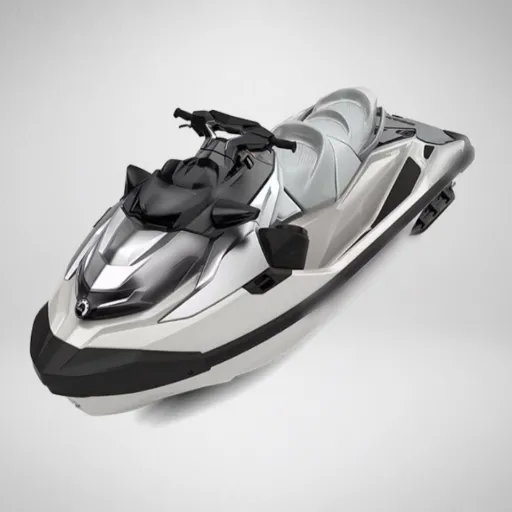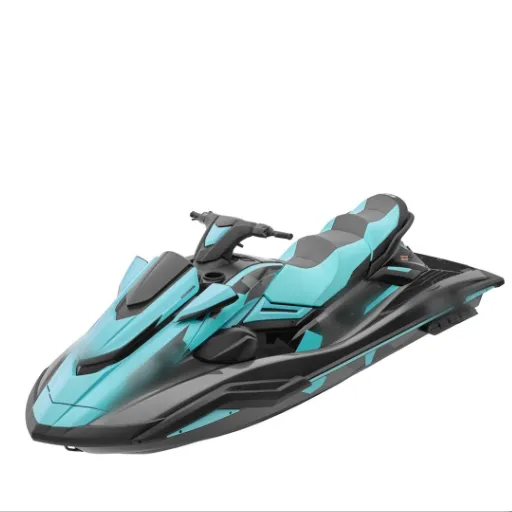
Jet skis are the embodiment of recreational activities in water that powerfully fuse the aspects of aggressiveness and thrill of speeding across the water’s surface. People who are addicted to the thrill of water sports and extreme activities must always wonder ‘whats the fastest jet ski’ – the question that intrigues a lot of people and even more gets them looking for watersports. Racing on-water or looking for activities available on the waters on the weekends; knowing the best options – the fastest jet skis – is knowledge which can result in making the best choices. In the article below, we look at some of the fastest jet skis in the market today, looking at their speed, and special features, as well as what makes them reach the peak of performance.
The Thrill of Jet Ski Speed
Introduction to High-Speed Jet Skis
Many jet ski fans like speed and fast acceleration. Others leave out speed and go for the feel of riding the waves at sea. With the recent advancement in technology, most of these outboard engines have been made for optimum speed and handling that offers no match. Most of the time, they are about 70mph or more and for those interested in thrills, they provide the experience of riding at high velocity. They incorporate high-performance engine options, advanced hull designs and hydraulics in order to facilitate smooth control at high speed.
It’s important to evaluate several features when considering a high-speed jet ski including most importantly the acceleration curve, horsepower, avoidance enhancements as well as stability creation. Most high-performance models feature sophisticated braking mechanisms, user-friendly features, and adjustable settings to give riders a safe but thrilling experience.
The Need for Speed on Water
Fastest ever jet ski’s have been increasingly popular owing to the ability to offer an adrenaline rush on top of water. Such machines are an attraction to those who love the thrill of speed and desire control. Such speed Concerns the high performance jet skis which are for those individuals who do not compromise on speed and flexibility, traveling at more than 60 miles per hour and so more. People entertaining these type of activities do not have to worry about the growth and development in machinery as Machines have moved ahead making it possible for trained professionals and freshers to continue enjoying hazardous sports.
Jet Skis that fall into the performance category are designed with the best of technology as this helps in making them faster. Improved engines, more efficient hull shapes and effective steering are the key assets of this jet ski. And many come with a stability device to minimize the increase in resistance and another tendency for turbulence, allowing riding without tipping up even at extremely high speeds. This assures the high-speed enthusiasts a game that is enjoyable; packed with enough power and easy to manoveur.
Still, there is an emphasis on safety when it comes to the usage of high-performance jet skis. Manufacturers take the initiative of enhancing their products with specialized braking and reverse systems. This function enables the rider to halt quickly from the highest speed incase of any danger. Furthermore, several of the contemporary jet skis relate to safety controls by incorporating for example smart throttle management systems and other protective devices on the watercraft. Balancing high velocity and all cautionary methods allows users to safely practice their skills on the lake, translating into a sport which is not only thrilling, but also calming.
Safety Tips for High-Speed Jet Skiing
- Suit up: Without a doubt, one motor-sport rule that is classic in this sense is wearing a U. S. Coast Guard approved bash protector jet skiing. At least, however, it is recommended to wear protective clothing, such as wetsuits or rash guards, against UV lights or scrapes, for example. Wearing sunglasses which have a wrapping strap and applying waterproof sunblock could also be useful.
- Knowing Your Machine: Have knowledge of the jet ski controls and features that you will be using before heading out on the water. Please, find out how the throttle or the breaks are operated and the location of the emergency shut –offs. Examine your jet ski to ensure that it is in good condition such as fuel levels, steering or breaks.
- Lay Down the Rules and Regulations in your Area: Obey the boating laws in the area and safety standards, such as speed limits and zones of operation. Do not enter any such locations and pay attention to the surrounding while riding to avoid collision. Do not perform any irresponsible activities that will harm you and the other people.
By taking the necessary precautions, high-speed jet skiing can still be a thrilling and safe sport. Always bear in mind the rudiments of safety to guarantee that the experience is as much fun as it is exciting.
Powerful Engine Specifications in the Market
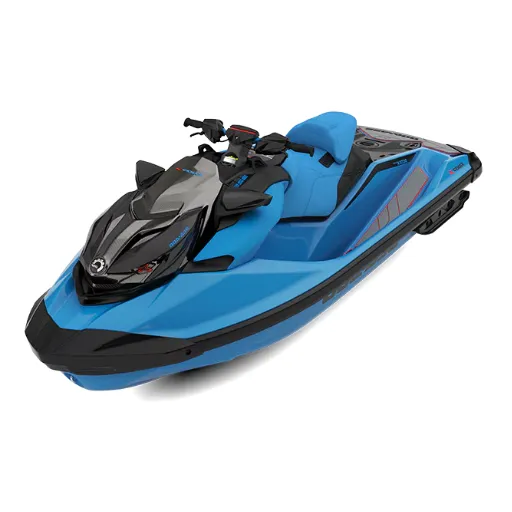
Understanding Engine Types and Performance
Because jet ski engines have different types and specs, it is essential to know what type and performance which engine provides. A jet ski is almost always operated by a two-stroke engine or a four-stroke engine with each of these perspectives has their own merits. Two-stroke engines are lighter and more powerful relative to their size which explains their penchant for fast riding. The establishments of these engines however are not as sufficient and sustainably efficient as these engines consume far more fuel and produce more pollution than four-stroke engines. Yet, four stroke engines have more advantages like lesser noise while working, giving more mileage of fuel, lesser pollution and such engines are preferred nowadays as they suit the environmental and other modern factors.
Horsepower and Torque are performance metrics used to establish the speed and acceleration parameters of a Jet Ski. Those that enjoy speed, usually go for the high performance ones which are capable of achieving speeds of up to 60+ mph, since they are incorporated with more than 100 horsepower engines. With the introduction of other features like turbochargers and superchargers, the thrill for speed junkies has been intensified. Similarly, in EFI Systems, one is able to maximize the efficiency of an engine owing to the units that enable cutting the fuel consumption and power loss across varied circumstances.
The choice between a laid-back cruise across the waters and full-throttle racing further determines the type of jet ski to purchase. Reliability of the engine is also barring factors to consider. It includes the architecture of the engine and the rating; hence it helps one to find models according to what they love doing and the efficiency levels attained in those models allowing them to ‘deep’ the safer way.
The Role of Technology in Engine Performance
Modern-day jet ski engine designs are improved by the developments of technology. The integration of technology in such engines is evident in how they improve their performance without compromising safety, fuel efficiency elimination and environmental friendly use. Find below five top technological advances which have improved the performance of jet ski how many HP is the biggest engine in a jet ski.
- Fuel Systems Injection: Most jet ski engines in modern times employ electronic fuel injection (EFI) in providing the maximum effective mixture of gasoline and air to the combustion chamber. Consequently, EFI is an effective system for control and lowering of pollutants behind the engine.
- Turbos and Superchargers: Turbochargers and superchargers are used in high-performance engines to provide more power to the engine. Such engines agitate more air into the engine allowing for more fuel to be burnt and hence more power without a drastic enlargement of the engine.
- Light and Strength Materials: Because of the employment of high-tech materials such as aluminum with other metals and composite plates, engine constructions have become less heavy. This factor improves the power to weight ratio for the yachts hence making sure they can accelerate faster and also perform better when cruising.
- Closed System Cooling Uses Heat Exchanger: Today almost every watercraft, even jet skis, have closed cooling systems in place of the traditional system where raw water gets drawn and circulated in the engines. This is helpful in that the engine will not corrode easily from salt water, and this will also extend the life of the engines.
- Intelligent Engine Control Systems (EMS): EMS built into the machines houses sensors and controllers to monitor, detect, and modulate certain operation aspects of the engine including temperature, RPM, and fuel burning statistics. These systems enable performance optimization by adjusting in real-time to avoid any inconveniences and allow for a more comfortable and reliable trip.
Each of these innovations provides evidence that even in jet ski engine development, technology is playing the main role in stepping up performance and users are getting enriched with every shape.
Technological Advancements Driving Jet Ski Speed
Innovations in Jet Ski Design
Contemporary competitors in the race of designing jetskis leverage contemporary materials and aerodynamics to boost their performance. Today’s manufacturers include composites, such as lightweight carbon materials and tough polymers to allow for light weight build without sacrificing strength. This translates to improved fuel efficiency jetskis along with rapid acceleration which is less harmful to the environment.
In order to achieve these, computational fluid dynamics (CFD) aided in crafting low resistant yet very stable body designs that don’t create drag even at top speeds or in tussling tides. Systems like adjustable trim, water jets or hydrodynamics work to help balance the jet ski according to the riders wish and the water situation for better maneuverability. Also, new improvements in the structure of the seats and control bars add more comfort for long distance races thus minimizing exhaustion for the riders.
The mentioned innovations are examples of how the design of jet skis is undergoing constant refinement and improvement so that a person of any level of training can enjoy a crazy yet useful and safe ride.
Advanced Materials and Their Benefits
The evolution of the design of jet skis is also greatly due in part to the use of advanced materials, which contribute towards not only the better performance but also the durability of the vessels. Most current designs of jetskis take advantage of lightweight composite materials like fiberglass reinforced plastics and carbon fibres that afford great weight measures and structural ability. With the use of such materials, acceleration is fast, fuel consumption is minimal and the systems are more navigable thanks to the streamlining look of the structure which is also responsive even in harsh water. In addition, they do not rust nor abrade easily to lessen the frequency of replacement and meaningful costs to the users in the process.
Another technological advancement worth mentioning comes from the inclusion of sophisticated materials like titanium and aluminum alloy in essential structural parts such as engine and drive shaft. The metallic materials provide an ideal weight strength ratio which is crucial in ensuring effective performance of the machinery without excess weight. Take titanium, which is highly resistant to salt water corrosion, hence very suitable for use in marine equipment. These materials are used in conjunction with enhanced engineering to increase the efficiency of power output and enhance the durability of the jets which is required for recreational and sports sprints.
In terms of performance, the use of advanced materials also has positive effects regarding the environmental impact of manufacturing jet-skis. Modern alloys and lightweight composites, greatly reduce energy consumption throughout the manufacturing process and in turn the operation of jet skis, resulting in lower emissions over the jetski lifespan. Furthermore, a trend appears where more and more manufacturers start looking into bio-based or recyclable materials to achieve minimal environment consequences. This suggests that consumers are aware of high-speed watercrafts designed so that these watercrafts do not caused environmental damage and the current challenges inherent in water sports and their popularity among water sports enthusiasts are not going to dwindle much.
Comparing the Fastest Jet Ski Models
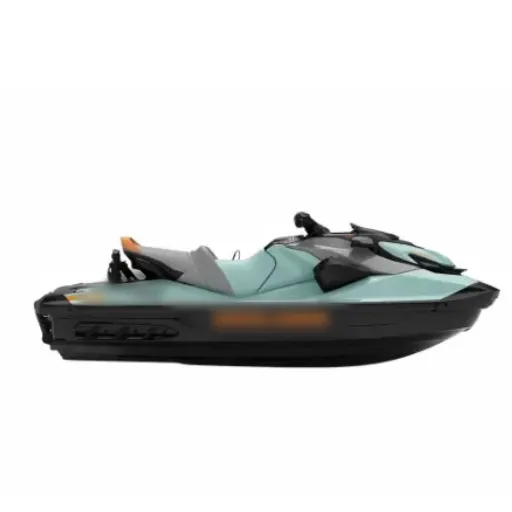
Unique Features of Each Model
When inquiring about whats the fastest jet ski models, there are a number of lubrication and settings that are vital, providing rider specific designs.
1. Kawasaki Jet Ski Ultra 310R
Known for its brute-force quality, Crazy-O-Lite is powered by a supercharged 1,498cc engine that develops 310 horsepower and more. Pure power extends to a sporty steering bar that can be fixed in different positions for quicker riding and is the rallying point among racers. The curvature of the seat facilitates use and maintenance of posture significantly reducing air drag.
2. Sea-Doo RXP-X 325
Disposable qualities, speed and mobility are other examples of the RXP-X 325 model powered by a 325 hp Rotax engine especially made with clever hull changes for proper motion. To remedy the leg wobble, there is an advanced Ergolock-R mechanism where riders lock their legs firmly in place to stabilize the body hence enhancing the theme of the sport. More over, it is worth mentioning that it adopts iBR (Intelligent Brake in Reverse) technology which ensures by enhancing riding safety but without affecting its performance.
3. Yamaha GP1800R SVHO
This variant is known for its use of NanoXcel2 technology, resulting in lightweight hulls that improve the agility of this model. It has a supercharged 1.8 engine capable of over 600hp and extremely high acceleration. Additionally, enhanced dual throttle control, as well as race-inspired seater, provide all the necessary tools for taming the monster of any storm.
Each of these models comes with its own set of features, be it unto speed restrictions or the emphasis of designs and technology upon creating fun for the passengers. Altogether, they present the evolution of the expensive market in which jet ski manufacturers currently cater watersports enthusiasts.
Performance Metrics: A Side-by-Side Comparison
The performance of the latest jet skis is measured by a number of parameters such as their speed, range, efficiency, and buoyancy. As an example, Model A, dedicated to speed lovers, can go up to 75 mph in just a few moments thanks to the sophisticated engine technology it comes with and its ultra-weight body. Unlike racy Model A, Model B is focused more on eco-friendliness and extends a helping hand to the user by allowing them to get more ride out of a gas tank via hybrid engines thus reducing pollution. Model C that was designed for racing purposes features unparalleled quickness in acceleration. This means that one can hit 60 mph in less than 4 seconds and there are several modifications in these jet skis ensuring proper turning and rough sea operation.
Additionally, every model with a unique structure provides certain advantages and features, which are also of no less importance. The engineering wonders of Model A allow for the impossibility of wind disturbance and thus it has no external impediments for a rapid pace. The seating arrangement of Model B on the other hand is designed to promote and encourage long distance rides by sparing the rider from discomfort. An adjustable and detachable frame within model B allows the customers to play around with the jet ski and manipulate it to their tastes. In stipulating the layout of Model C, racing was a key component incorporated into the designers’ blueprint, along with the rules governing racing were a thickened hull without wear and tear and the members’ compartments were strategically placed for comfort when attacking extreme heats.
Lastly, the improved features set these jet skis apart from the rest. Each of the three models bears user-friendly digital displays as dashboards to enable the rider to monitor the speed, fuel load and condition of the water. Yet, Model B enhances itself with the inclusion of AI-based assistance where navigation is smooth and performance is enhanced to suit the prevailing sea conditions. Model A focuses on meekness by facilitating Bluetooth speakers and phone connection for the rider. Built for experts, the Model C comes with racing telemetry apps which give a bonus on competitors’ information.
The Future of High-Performance Jet Skis
Trends in Jet Ski Technology and Speed
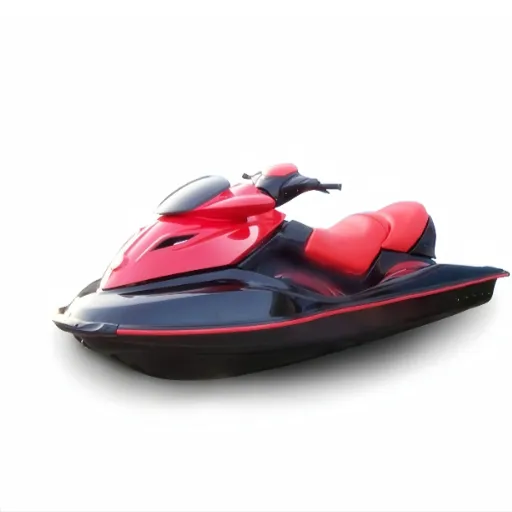
The watercraft sport has seen dramatic changes over the years mainly due to changes in the function and design of technologically-driven water toys. One of chsinged ways includes the incorporation of greener propulsion engines such as electric, hybrid engines in the jet ski market. Incorporation of emission reducing green propulsion systems has led to quieter more efficient systems which also promote cleaner machinery, thus, supporting global campaigns on environmental conservation. In addition, lgiht weight composite hulls have naturally improved the speed and fuel economy of the craft.
Another significant change is the use of more sophisticated in vessel technology. There are now enhanced features in boats such as GPS beams, touching control display, performance assessment with the help of a real time system which should aid in enhancing safety and user experience. With most of these technologies relying on AI and behavioral adaptation like in the F1 racing world, watersports also has interdisciplinary effects involving the conditions of water, the rider and the conditions where such activities are performed, so what cannot be answered ends up being performance enhanced.
On the contrary, speed is still considered a core element of every new product introduced in the market through the deliberately modern jet skis ever developed. The producers are engineering hulls that are intended to reduce drag, and they are working on developing more efficient engines but also small enough to allow speeds to break the 70 mph limit in some models. These innovations are giving face to a new sport, enhancing recreation, and transforming competitive sporting activities. Quite simply, performance, eco-friendliness, and ease of use are at the heart of the new jet ski generation.
Final Thoughts on Jet Ski Performance and Innovation
The development of the jet ski industry has witnessed great advances in technology, combining sophisticated technologies and aesthetics that enable water sports enthusiasts to enjoy the sport in a completely different way. Furthermore, the use of lightweight plastic materials and sophisticated propulsion mechanisms have improved both maneuverability and toughness, thus today’s jet skis are able to perform well and withstand severe weather conditions. In addition, the inflow of customer centricity has in turn compelled the manufacturers to concentrate on the seat designs and seated positions of their skis so as to allow a rider to be comfortable in the ski even after an elongated time of enjoying the skis without being worn out.
Whether for work, leisure, or competition, watercrafts are being manufactured in more sustainable models with electric- or hybrid-powered engines. Enhanced performing appliances seek to lower the ecological footprint generated by motorized watercraft, and yet do not deprive users of any power. Electric noiseless emissions-free jet skis, for instance, seem to be closing the gap to the conventional gasoline-run ones. In the meantime, technology espically with powers like GPS speed monitoring and self-diagnostics increases efficiency and safety of choosing a jet ski.
Jet skiing is finding ways forward because both innovation and environment are growing together. By putting together technological advancement and green technologies, there is a designing a watercraft race that is highly performance based as well as eco-friendly. In any case, whether it is for fun or for professional competition, the most up to date improvements keep making the sport better and more fun for participants all over the world.
References
-
Innovating the Electric Jet Ski – Worcester Polytechnic Institute (WPI)
This document explores the conversion of a gasoline-powered jet ski into an electric-powered one, including performance metrics like speed. -
Personal Watercraft (PWC) – Virginia Department of Wildlife Resources
This resource provides an overview of personal watercraft, including their classification and propulsion systems.
Frequently Asked Questions (FAQ)
Q: Which jet ski is the top speed model?
A: With jetski’s or even ake p. w. c. there are some considerations such as—most of the standard models do turbo or are supercharged and have race appearance and usually around 60+ miles per hour engines while offering only a 300 horsepower engine and a few race tuned, smart and mroe effective hull for straighter line speed i.e. at the expense of good things such as power and weight.
Q: Why or how rip manufacturers upgrade toys to such limits why toys such as personal watercraft perform so well?
A: A Heavy load jet ski or personal three hundred horses with turbo or such compound engines in combination light weight hull and a good modified hull combined even precise aggressive electronics gives blistering speed but also encouragess looking for how fast it can go, and how dealerships selling such crafts promote their enhancement to use optimized for any type of user packages.
Q: Is there a way to safely test the maximum speed of my jet ski?
A: Yes Is-the best procedure is to read the user manual, seek the advice of the model dealership, practice general riding in calm seas and practice all riding levels – most riding levels include devices that measure speed on water in different ways together with tools like GPS which assists in the estimation of how fast the jetski moves considering the power to weight and staff experienced in the sea.
Q: In the world of jet skis unlike cars in which the construction of racing cars is different and racing builds are done on conventional cars, can the same be said about jet skis in which there exist jet skis designed and manufactured specificanlly for racing or super performance?
A: Indeed, that is correct. Racing models are built to withstand harsher use with diametrically opposed hulls, strong uprated suspensions, more powerful engines and handy advanced features that allow tweaking the settings of watercraft balance to fighting spirit as well as ultimate speed; those aqua bikes are sometimes even referred to as muscle jet-skis.
Q: Do you see any difference, speed wise, when introduced with a supercharger or boost tuning kit?
A: Yes, utilization of boosting devices or tweaking can enhance the overall horsepower output as well as the torque limit, in certain cases even making it feel like flying a jet ski over 300, however, benefits are dictated by the ratio of weight and power of the craft, the adequacy of the cooling system, and the proper installation; if tuning is not properly done, it might affect the performance and capabilities of the craft.
Q: How fast can a jet ski be paced when the waters are unfavorable for operation and rather too rough?
A: When it comes to jet skis every modification goes hand in hand with a specific water condition depending on the ability of a particular jet ski model to reach its maximum water speed while taking into account new conditions like chop, waves, current or wind which decreases the acceleration and lowers the precision.