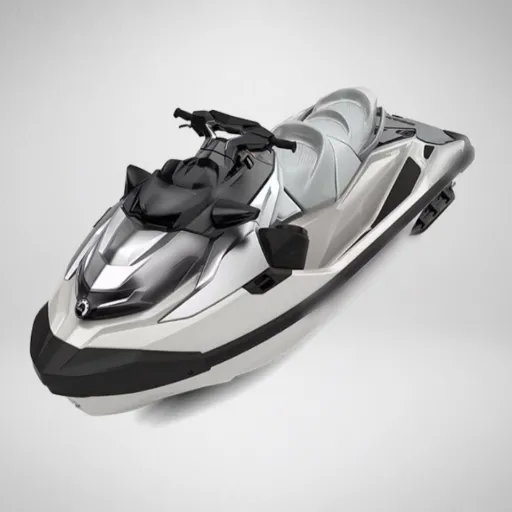
There can be no substitute to jet skis if the measure is fun and adventure on water. However, have we ever stopped to consider the reason these seeded craft cut through the water so efficiently? At the heart of the fun is a very important part—the impeller. Understanding where the impeller is and the functions it plays in a jet ski either use or aids the owner in further maintenance and solving problems confronting the jet ski. In this write-up, therefore, we shall look at the use and placement of the impeller in detail with all and any relevant information useful for the beginner and the expert riders alike.
Understanding the Impeller in Jet Ski Propulsion
What is an Impeller?
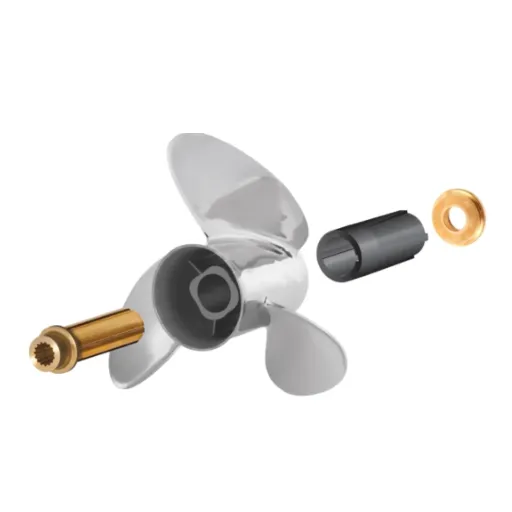
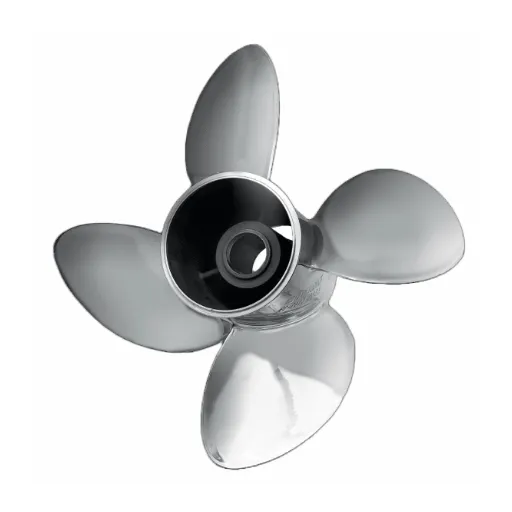
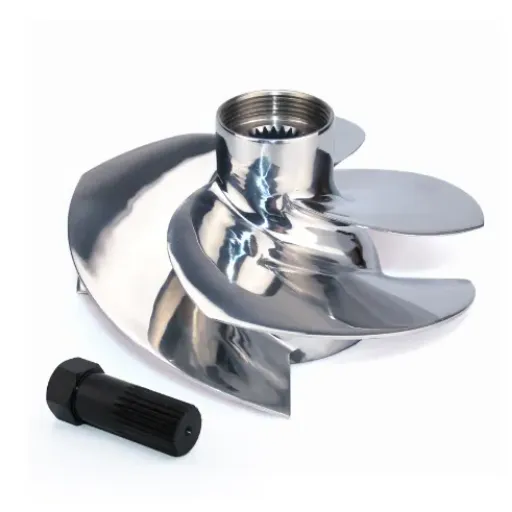
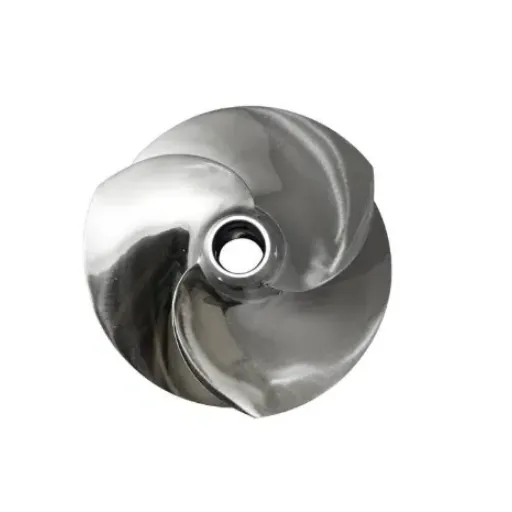
This is an essential part of a jet ski that provides structural propulsion. It always goes in the direction of rotation, and is usually manufactured from stainless steel or any alloy material. Its designed parts are for drawing in water and efficiently expelling that water out of the system to produce thrust. It is through this that the jet ski is able to advance at high speed over the water surface.
The concept of an impeller relies on the principle of moving water through the propulsion pump of a jet ski through an intake grate situated at the bottom of the springboard. In this instance, the movement of water continues in the direction of the impeller such that it spins with a lot of pace both to compact the water and increase velocity. As the name suggests, the nozzle fitted at the tail of the jet ski functions by expelling the bandwidth enhancers. The internal mechanism of the jet ski impeller design that determines or controls the performance, speed, and maneuverability of the jet ski is dependent upon the size and angle of the slats.
Key Point: The impeller is a key component of the propulsion system. Its condition should be monitored for proper maintenance and is also useful to troubleshoot any issues. When damaged or in poor condition, it may cause the system to lose thrust, become sluggish, or result in steering issues.
Role of the Impeller in Jet Ski Performance
The overall performance apex of a jet ski lies within its impeller, where all the propelling action is undertaken, especially when considering thrust, the speed of the machine and turning ability among many other important factors. Here are five critical aspects concerning the purpose of the impeller:
1. Thrust Production
Water is taken in by the impeller which creates most of the thrust and through the small nozzle opening, creates a high speed discharge of the water. The shape, alignment and design of the blades of the impeller allows the throwing of water for much longer distances, which calls in necessity of swift speeds.
2. Speed Limitation Management
The pitch of an impeller is also used to limit how fast a jet ski can go. High pitch impellers greatly enhance maximum speed, but all this comes at the cost of losing acceleration whilst low pitch boosts acceleration diminishing maximum speed.
3. Efficiency in Fuel Usage
An impeller in good condition would allow the flow of water in the best way possible and hence make the jet ski more efficient in terms of fuel use. Moreover, if there is any problem with the impeller, such as if it is cracked, chipped or protruding away from its original design, this will create deturbulation or faster rate of water movements increasing this “friction effect” as well as the fuel usage.
4. Enhanced Agility
The accurate course adjustment of the jet ski is as a result of the water that is directed by the impeller. This is more crucial than another feature in a jet ski during sharp cornering or when it is very wavy.
5. Avoidance of Cavitation
Cavitation, which refers to the formation of air pockets on the impeller, is minimized by well constructed and managed impellers. Cavitation causes undesirable consequences: inefficient working, vibrations, casing and impeller deforms, and finally the impeller itself wears out.
Components of the Jet Ski Propulsion System
The system that propels the jet ski has a number of parts, which are assembled together to help in motion. The impeller, intake grate, pump, steering nozzle and reverse mechanism are some of these parts. All of these parts have distinct functionalities in operating a jet ski and its control.
- Impeller: It is a very crucial part, which serves the purpose of ejection, by sucking in the liquid and discharging it at a high velocity from the system. Its structure enhances the wastage of forces exertion of water in the device forward hence improving the agility of the watercraft.
- Intake Grate: The inlet grate is stuck on the hull of the jet ski and prevents debris from entering the propelling machinery. Its purpose is to route water properly to the pump hence enhancing efficiency and clearing the system of clogs.
- Pump and Steering Nozzle: The pump contains the impeller and is directed by steering nozzle, which sends water from impeller to outside. The steering nozzle is responsible for changing the direction of the water stream to steer the jet ski.
Locating the Impeller in Your Jet Ski
Identifying the Impeller Housing
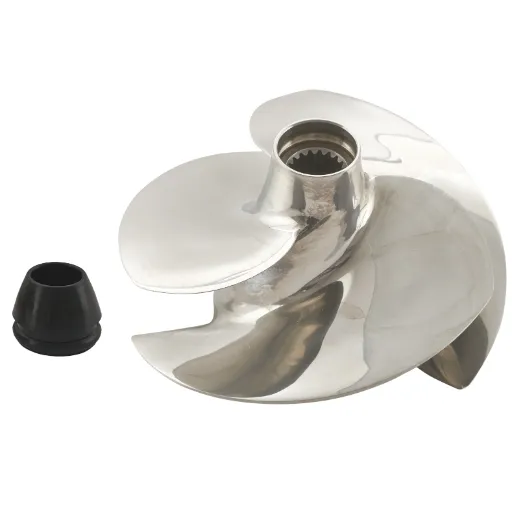
A crucial part of the propulsion system of your jet ski, the casing is that which houses and directs water more efficiently through it. To find where the housing is found, look at the rear section of the ski just in front of the engine bay. Generally, the housing is part of the pump unit, which is in contact with the intake grate via the nozzle. These materials are usually made of hard materials such as plastic or stainless steel as they are high pressure breakers of the water along with any particulate matter carried.
As you look into the components of a pump, you’ll encounter a cylindrical section that holds the rotating blades called the impeller. This component is referred to as the impeller housing, and it most of the time has a wear ring – a liner that can be changed once it’s worn out, which allows the clearance between the impeller and the housing to remain within operational limits.
⚠️ Important Note
If this part is broken or worn out greatly, such problems as performance deterioration, acceleration especially and sometimes even vibration can be encountered while riding the jet ski. Knowing where the impeller is on a jet ski helps to determine accurately the housing and thus inspect its state and do correction work if required.
Steps to Access the Impeller
- Prioritize Safety
Switch the jet ski off, take the key out to make sure that the engine won’t turn on accidentally at the outset. These should be on a flat surface for the most part, or on such a stand where they would not fall in spite of an external force.
- Check the Rear of the Jet Ski
Find the jet pump housing which is situated at the rear end of the jet ski. The impeller is located there, usually in the midst of the propulsion system. Some parts of the pump may have sharp edges or might be oil-soaked, therefore, wear gloves in case only they are necessary.
- Remove the Jet Pump Cover
Pick up a ratchet or a flat head and apply force to remove the bolts that hold the pump cover together. Gently pull out the cover from, recording its balanced position and all components in need of any restoration assembly.
- Check for Possible Causes of Clogging of the Impeller
Once the jet pump cover is off, inspect the inside of the impeller housing for any weeds which might have entangled around fishing lines and other foreign objects. Clear out anything that might obstruct the movement.
- Further Dismantle and Inspect the Impeller
There is an impeller of a jet ski in circular housing and it is mounted to the lower unit of the jet ski. Depending on the complications regarding the impellers in their removal, one can use the impeller removal tool that is recommended for the particular model in question. Do this without haste because some of the blades in the fan assembly are quite sharp. In addition, check for any signs of tear and wear, dents or corrosion and replace or repair as necessary.
- Assemble Everything Correctly
Finally, after having considered and performed the necessary cleaning and repair work, slide or place the impeller back onto the pump. It is not necessary to use force while tightening the bolts.
Common Pitfalls When Locating the Impeller
- Not Consulting the User Manual: Different brands and models tend to have slight construction differences which may mean that the impeller is not located where it would be usually expected or even getting to it will not be done the way it is expected.
- Failing to Disconnect Power: Inspecting the jet ski without shutting it off poses a safety hazard not just to the individual doing the work but also for the machinery itself. This step is important, because in its absence there may be a possibility that the impeller is activated by accident, hence causing harms or major damages.
- Using Improper Tools: Using the wrong tools, for instance wrong wrench size or a screwdriver that is too big, can cause the bolts to wear off or destroy sensitive parts. Working in dark or tight places may lead to wrong assembly or avoidance of certain dangers such as rust or fracture.
Impeller Removal and Replacement
Tools Needed for Impeller Removal
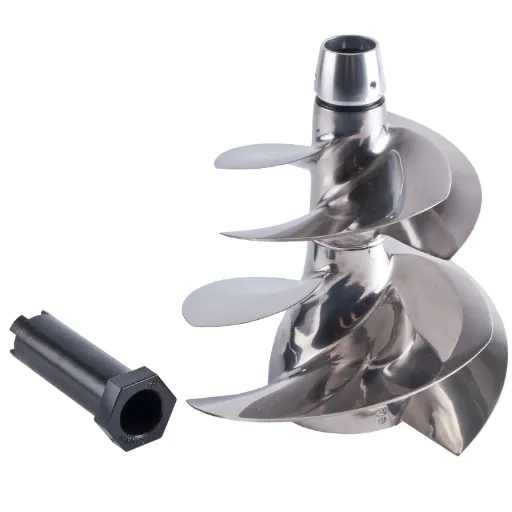
For enhanced efficiency, effectiveness and safety during the process of removal of the impeller, especially due to possibilities of complexity, it is necessary to employ the right tools. Most common tools that have proven to be very useful include:
🔧 Socket Wrench Set
Used for making the bolts and screws holding the impeller to be fastened and unfastened.
🔩 Screwdrivers
Used to access the impeller housing. They include both flat head screwdrivers and Phillips screwdrivers.
🔨 Rubber Mallet
For light striking of the impeller to prevent damage to any part of the impeller.
⚙️ Impeller Removal Tool
Built in such a way that the impeller can be removed from the casing without causing any strain.
🧤 Heavy-Duty Gloves
Use this to avoid getting any cuts, scrapes, or injury due to rough or sharp surfaces during extraction.
💡 Portable Light
It will help in facilitating working during unfavorable conditions, that is, in the absence of natural or any other source of light.
Step-by-Step Guide to Removing the Impeller
Step 1: Ready the Apparatus
Begin by making sure all power is disabled to the apparatus, including unplugging it from an outlet, in case there is a chance of accidental start-up. In case fluids are dealt with by the apparatus, ensure that the system is arranged in such a way that contents will not leak or spill.
Step 2: Look Out for Instruction Manual
With the manufacturer’s manual for operation look up where is the impeller on a jet ski and how it is mounted. Each equipment model might have specific features or precautionary measures that one cannot disregard.
Step 3: Discharge the Casing and its Contents
Loosen or unscrew any external appliances or covers to access the case of the impeller. Tools that are suitable for the fixings should be used and ensure that any part that is removed is labeled or arranged in handy way for re-attachment later on.
Step 4: Take Off Impeller Casing
Any screws, bolts, or clips that hold the housing in place need to be removed, or at least loosened. Retrieve the housing with care as there is a possibility that there could still be some liquids inside of it.
Step 5: Take a Look at the Parts and the Impeller
Check the part of the impeller that can be seen for any damage, such as depreciation, corrosion, and the like. Check if there are other fasteners or retaining rings that need removing as well.
Step 6: Removal of the Impeller
Take an impeller puller tool and remove the impeller from the shaft without damaging any component. Different forces could lead to damage on the impeller or the surrounding components, so there should only be steady, even tension. Should some sticking occur, it can be freed with penetrating oil but forcing it is discouraged as this may lead to permanent damage.
Step 7: Examining the Casing and the Elements
After you’ve taken out the impeller spend time looking at the housing, seals, and gaskets, all of the parts for any damage. Clean up with rags and cleaning agents to wipe the walls. Take apart all damaged gaskets and seals, bring new ones and fit them as necessary.
Step 8: Recording the State
The process of repairing or replacing the impeller starts with the analysis of the current condition of the part and its adjacent structures. It is a good idea to take pictures or make notes about the state when you disassemble them.
How to Replace the Impeller
Changing an impeller is one of the most important jobs in maintenance of the equipment to ensure that it continues to perform as expected. Below are the steps for replacing an impeller effectively.
Required Supplies and Equipment
First off, ensure you have wrenches, screwdrivers, pliers, and the replacement impeller specific for the model of your equipment and assemble these items ready for use. Confirm its compatibility through the specifications by the manufacturer.
Empty the System
Switch off the power and any gates in the inlet or outlets in the pump should be shut tight to avoid any spills. With the use of water carefully, drain the system for proper cleaning.
Review and Maintain Components in the Area
Prior to replacing the impeller, inspect the shaft, seals and housing if there is any evidence of wear or corrosion. Eliminate any foreign particles from the working area and let it dry so that the new impeller would sit properly.
Replacement of Impeller
Position the impeller on the shaft in such a manner that it is aligned properly. Depending on your equipment, either slide or lock it in position. Check the alignment again in order to ensure that there is no imbalance during operation.
Replacement of the Housing
Put back the cover or housing onto the pump to prevent any possible leakage with the help of rubber seals, O-rings or gaskets so that the cover is in the right position. Do not over tighten while fastening the bolts or any other fasteners employed there.
Carry Out System Test
Connect the power supply and reseal before checking for any loss of water or strange noises from the system. Slowly increase the speed or pressure to test in real situations the functioning of the system.
Troubleshoot the Issue
To keep problems from worsening, make sure the impeller and surrounding water are clear. Leaking should be checked and removed along with every other obstruction before prolonging the complaint.
Maintenance Tips for Your Jet Ski Impeller
Regular Inspection Practices
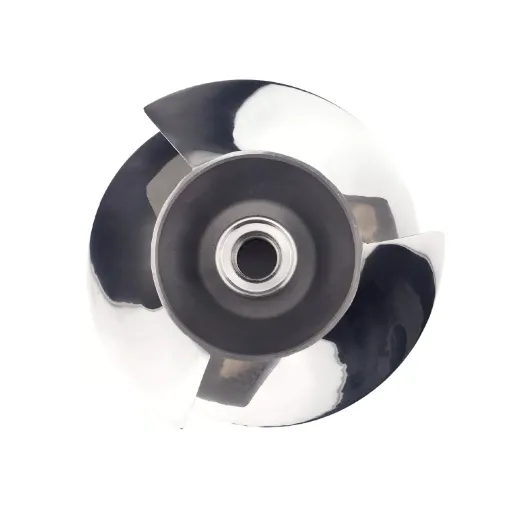
Regular inspection of the jet ski impeller is an essential component of ensuring that the jet ski operates well and avoids any subsequent repairs. This, firstly, involves visual assessment of the condition of the impeller and any other wear or tear comprising of nicks, dents or erosion. The efficiency of the impeller can be highly compromised by small blemishes, therefore, overall performance and consumption of fuel will be lowered.
💡 Pro Tip
Monitor the condition of the components around the impeller in addition to the visual inspection of the impeller itself. One such component is the wear ring that is quite important as it operates alongside the impeller. Damage or severe clearance of the wear ring around the impeller could result in poor performance issues like cavitation or loss of thrust.
Another important practice for inspection is conducting frequent testing in functioning modes. Observe whether there are abnormal sounds, for example, grinding noise or whining, which indicates that the internal components have been damaged. Look out for performance characteristics such as acceleration or maximum speed and fingers crossed, they don’t drop significantly.
Signs of Impeller Damage
⚠️ Reduced Performance
If your watercraft is failing to attain the normal high speed or taking longer time to pick up speed, then in all probability a bent, worn-out or even damaged impeller blades will be the issue.
🔊 Unusual Sounds
The distressed metal sounds of scraping, banging, or rattling when the jet-ski is in motion may be an indication that something such as wood is within the impeller or that the impeller housing is injured.
💨 Cavitation Issues
Cavitation takes place when consistent water flow is interrupted, allowing the formation of air or vapor bubbles, resulting in a decrease of thrust and the engine turning over too high, but the craft does not move forward.
🔧 Excessive Vibrations
Excessive vibrations when operating the jet ski likely hints at impeller damage or debris blockage, which is essential to address before it causes even more damage.
Preventive Measures to Avoid Impeller Issues
Maintaining your jet ski impeller and avoiding many frequent situations depends on proactive care. When using the jet ski, especially if the jet ski is used in shallow or debris filled waters, ferry the jet ski to a dry dock, unlock the jet ski and examine the propeller removing any maintenance that needs a repair or if the propeller beyond repair.
Essential Preventive Practices:
- Ensure that the intake grill is clear of any debris like sea weeds, stones, garbage etc, as clogged intakes will affect the water intake and result in destroying the impeller
- Avoid operating the jet ski in very shallow water and areas with lots of vegetation and sand because this will cause objects to be sucked into the impeller
- Flush the jet ski’s cooling system in fresh water on a regular basis to eliminate any salt, dirt or debris that may be washed in and will cause the impeller to be degraded over the years
- Follow the manufacturer’s plan for routine maintenance to keep the impeller and other relevant elements in excellent condition
Expert Advice for Jet Ski Owners
When to Seek Professional Help
In picking a point where one decides to take the jet ski to a specialist, the issues that would be considered are the ones that lie outside the person’s area of knowledge at the time or maintenance levels. Loosely speaking, if there are any weird sounds emanating from the engine, unusual vibration while riding, reduced power or any other performance related symptoms, it will be a cause for concern and will demand that an expert be engaged to attend to the issues.
⚡ Professional Insight: Even if you manage some of the simple things e.g. washing, or changing the oil, most tasks such as changing an impeller, tuning a carburetor, or fixing the electrical system, will involve the use of specialized tools and expertise. These will ensure that the jet ski runs smoothly risking no danger to the user when it is put out on the water.
DIY Maintenance vs. Professional Repair
DIY maintenance is cost-effective and suitable for basic tasks, while professional repair ensures expertise for complex issues and guarantees optimal performance.
Maintaining Optimal Performance of Your Watercraft
To keep a boat working effectively for a long time, it is imperative to perform regular maintenance. Important parts such as hull, engine, propeller, and other systems should be inspected on a periodical basis in order to avoid problems. There is also the matter of corrosion and accumulation of dirt after use, especially in salt water, therefore the watercraft should be cleaned properly.
🔍 Key Maintenance Checklist:
- Check oil and coolant levels regularly, and change fuel filters when due
- Inspect your battery and any connections to see that they are intact and working fine
- Perform seasonal maintenance to prepare the boat for winter or summer use
- Flush all water systems to avoid freezing before storing the vessel
- Carry out exhaustive assessments before the season to bring the boat up to sailing condition
- Test navigational equipment and other safety items while observing applicable laws
An impeller is located near the electrical motor that rotates it. This is found where the electric fan or motor is found, in other words, where the purpose of the blade is carried out and operates the blade of the fan. Although most manuals will have detailed diagrams outlining such components, it is still probable that users can figure out where is the impeller on a jet ski by following instructions.
Frequently Asked Questions (FAQ)
❓ Where exactly is the impeller on a jet ski?
The impeller is located in the jet pump housing at the rear of the jet ski, just behind the intake grate. It is incorporated into the ski’s water propulsion system as it is designed to collect the water and eject it outwards for motion. Normally, an impeller is located just up the intake grate in most of the PWCs and jet skis.
❓ What steps does a mechanic follow to access the impeller on my jet ski?
It is recommended that a certified marine mechanic access the impeller by unscrewing the engine cowling and very rarely unscrewing and taking off the pump well or riding plate depending on the model. Simple tools will be necessary such as a spanner when accessing the impeller. For these purposes, most owners would rather use a good repair shop to save time and money as well.
❓ How does the impeller interact with different jet ski components?
Component parts such as the impeller, wear ring, intake grate, steering nozzle, and jet pump are fundamental in the movement of water in a jet ski. The components are designed to work in a particular way. The impeller and wear ring, which are the primary parts of a jet, are useful for generating thrust; however, without these parts, thrust capacity diminishes.
❓ Can an impeller be replaced individually, or is it better to call a professional?
Some impeller owners might be savvy enough to carry out the replacement; however, it requires mechanical skill and proper safety measures. Calling a professional helps avoid additional financial losses or damages due to misalignment, incorrect torque level, or insufficient vane wear consideration.
❓ What materials are used for making the impeller and which is most suitable?
Generally, an impeller can be fabricated from metallic compounds such as aluminum, stainless steel, or composite materials. Stainless steel and aluminum offer high performance; stainless steel is strong, resistant to corrosion, and heavy while aluminum is light and most often cheaper. Decisions are based mostly on the purpose and affordable resources.
❓ How frequently does the impeller need inspection and replacement?
It is wise to perform pre-season inspection to determine if there is a need for repair, after certain periods of use, beaching or impact with debris or if there is deterioration of function. It is variable depending on the type of water sport; conditions like racing or running a ski often over shallow waters will call for more attention. Regular maintenance and proper care save a lot of money over time.
❓ Are there performance enhancement options for the impeller?
Yes, there are modification alternatives, including installing an aftermarket jet ski impeller that has a different pitch or cup design in order to enhance the forward thrust or the speed of the jet ski. Some of these modifications require professional installation because improper installation can cause malfunctions inside the machine leading to unnecessary expenses.
References
-
Electrifying a Jet Ski: Designing & Manufacturing an Electric Jet Ski
A thesis from MIT discussing the integration of an electric motor with the impeller drive shaft of a jet ski. -
Innovating the Electric Jet Ski – Digital WPI
A project report from Worcester Polytechnic Institute explaining the impeller’s role in propelling a jet ski. - Click here to read more.
Final Thoughts
Understanding where the impeller is on a jet ski and how to maintain it properly is crucial for every jet ski owner. Regular inspections, timely maintenance, and knowing when to seek professional help will ensure your watercraft performs optimally and provides years of reliable service. Whether you’re performing routine checks or planning a major repair, the information in this guide will help you keep your jet ski in peak condition for maximum enjoyment on the water.