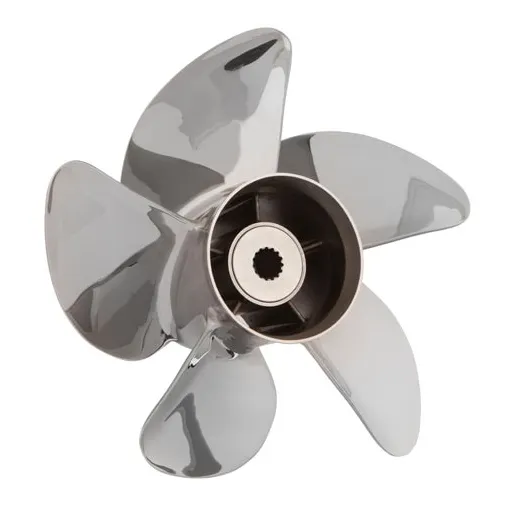
Choosing the right propeller is essential if you want to make the most of your Yamaha 150 outboard engine. Selecting the appropriate propeller is vital for increased speed, reduced fuel consumption, and proper handling of the boat. However, choosing the wrong one will hinder the boat’s performance and create frustration on the water. All boating activities—from fishing to cruising and skiing—rely on proper understanding and application of the Yamaha 150 prop, which means avoiding under or over-propelling your boat. In this article, we explain different factors that affect prop performance and offer pertinent advice on selecting the most appropriate propeller for your specific requirements.
Understanding Propeller Basics
Importance of Pitch in Prop Selection
One of the most important components that determine the performance of your boat is the propeller pitch. In simple terms, pitch describes the angle or distance that the propeller would advance in water when completing a single turn—similar to how a screw works in wood. Choosing the right pitch is crucial to ensure that your Yamaha 150 prop runs at the correct Revolutions Per Minute (RPM) for better fuel consumption, acceleration, and overall performance.
Key Pitch Characteristics
| Lower Pitch | Higher RPM, increased torque and acceleration; ideal for heavy loads, watersports, and towing |
| Higher Pitch | Lower RPM, greater top speed; best for lighter boats requiring maximum velocity |
| Optimal Range | Maintain engine within manufacturer’s recommended RPM range (typically 5000-6000 RPM for Yamaha outboards) |
Selecting the correct propeller varies depending on different boating conditions and applications. First, check your propeller’s operating RPM range. Within this range, test several props to find the one that works best for your speed, power, and efficiency objectives. Always aim to maintain an RPM range that won’t strain your engine beyond controllable limits, ensuring longevity and optimal performance.
Diameter and Its Impact on Performance
Diameter is the transverse measure of the circle drawn through both ends of the blade tips as they rotate about an axis. This feature is essential for boat performance and is defined by the maximum torque the engine can deliver. Larger diameters are beneficial for heavier or slower-moving vessels because they move more water and generate greater thrust. Conversely, smaller diameters are ideal for speedy, lighter boats as they reduce resistance, allowing the Yamaha 150 prop engine to achieve higher RPM faster.
Diameter Selection Guidelines
- For water-skiing or heavy loads: Choose a slightly larger diameter to enhance low-speed performance and control
- For speed and economy: Select a smaller diameter to allow easier acceleration without straining the engine
- Consider your boat’s weight, normal load, and primary boating activities when selecting diameter
- Test under real conditions—theoretical calculations alone cannot determine the perfect diameter
Having the correct diameter is crucial, as one that’s too large or too small will overwork the engine and reduce efficiency. Determining the right diameter involves experimentation and fine-tuning under actual operating conditions. For precise information tailored to your specific type of boating, consult Yamaha guidance or seek assistance from marine professionals.
How Propeller Design Affects Boat Handling
Propeller designs can greatly enhance or impair how any given vessel operates. The form, dimensions, and quantity of blades all affect performance. For example, larger or higher-pitched blades increase thrust, making them suitable for heavier boats, though at the expense of agility. Conversely, smaller or lower-pitched blades enhance acceleration and enable smoother turns, making them ideal for lighter boats or vessels used in water sports.
| Blade Configuration | Performance Characteristics | Best Applications |
|---|---|---|
| Three Blade | Perfect ratio of speed versus fuel consumption | General purpose, most common applications |
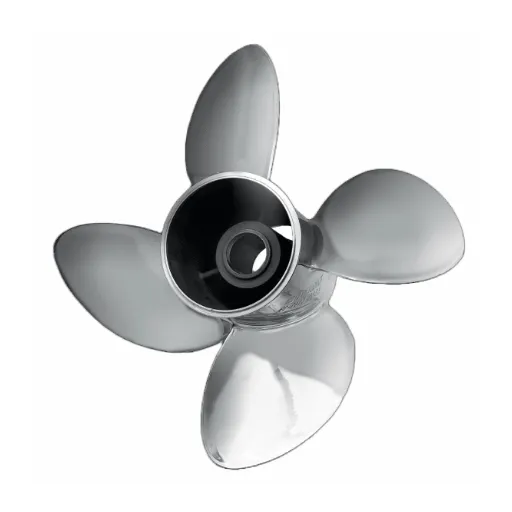
| Four Blade | Better stability and control, improved grip | Wavy water, water skiing, heavy loads |
| Cupped Blades | Enhanced steering and plane maintenance | High-speed operation, performance boats |
The appropriate propeller design is one matched to the boat and environmental conditions. Enhancement of handling performance requires fitting suitable propeller characteristics to the type of vessel, power plant, and expected mode of operation. Rational propeller choice is facilitated by testing various propellers or consulting with marine professionals.
Choosing the Right Prop for Your Yamaha 150HP
Matching Propeller to Engine Horsepower
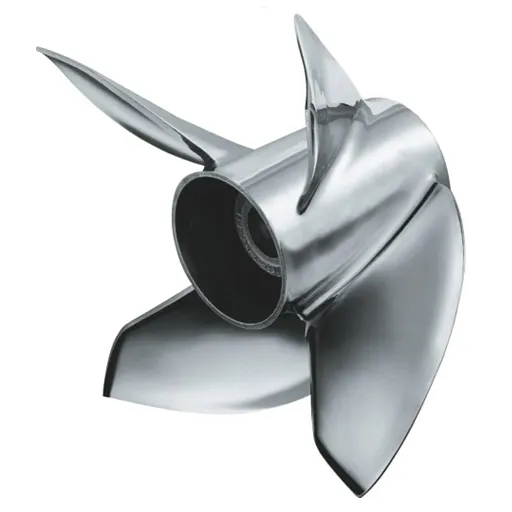
Choosing the correct propeller for a Yamaha 150HP engine is critical to performance and fuel economy. With the right propeller installed, the engine will run in the appropriate RPM range, which for Yamaha outboards is typically between 5000 to 6000 RPM. Installing a propeller with out-of-specification pitch or diameter may result in poor performance, increased fuel consumption, or even engine failure in the long run.
Yamaha 150 Prop Selection Guide
Lower pitch enhances acceleration and is ideal for ski usage, while higher pitch allows boats to achieve maximum speeds—perfect for light and fast boats.
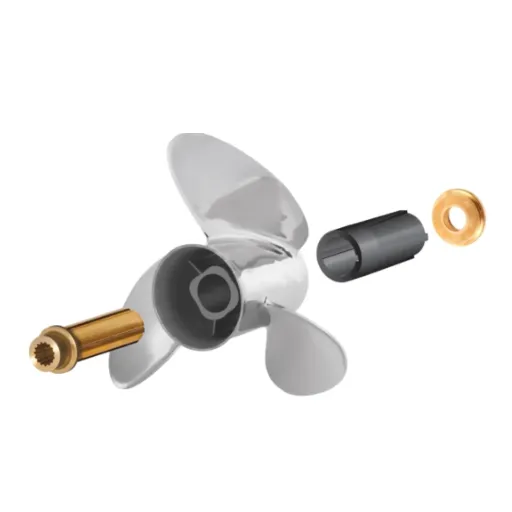
When looking for a trusted brand, Yamaha 150 stainless steel propellers offer added value and performance over aluminum propellers. However, before making your choice, it’s advised to consult Yamaha’s authorized propeller selection guide or a trained Yamaha dealer.
Factors to Consider Based on Boat Type
Understanding how to select a propeller for a particular type of vessel in combination with its intended use is highly beneficial. Different boat types require different propeller specifications for optimal performance.
Boat Type Recommendations
Small Aluminum Fishing Boats & Inflatables
- Lower pitch propellers
- Smaller diameter
- Enable faster takeoff in calm water
Pontoons & Larger Fiber Boats
- Bigger diameter propellers
- More significant pitch
- Greater thrust and speed for heavier vessels with more drag
Water Sports Boats (Wakeboarding/Skiing)
- Four or five-bladed propellers
- Tremendous mid-range power
- Smooth rides and quicker planing with enhanced speed control
Offshore Fishing Boats
- Rugged stainless-steel props
- Handle rough seas and constant cargo weight changes
- Efficient at maintaining speed in harsh Yamaha 150 prop conditions
Consider whether the prop material will be suitable for the waters in which you’ll be boating. Stainless steel props are best for boats requiring high performance and durability in harsh conditions, while aluminum props are affordable and work well for recreational or light-activity freshwater boats. Combining these considerations with state-of-the-art prop technology from Yamaha will provide you with the best experience according to your boating needs.
Material Comparison: Stainless Steel vs. Aluminum
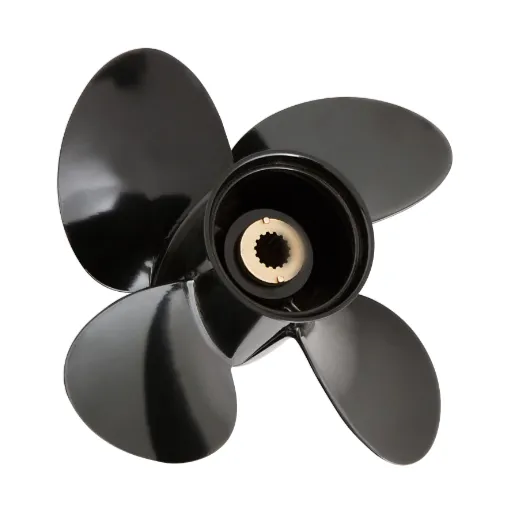
Advantages of Stainless Steel Propellers
Long-lasting Quality
Significantly more resistant to damage and wear compared to aluminum propellers. This strength makes them particularly useful for boats operating in harsh conditions like saltwater oceans or waters with debris.
Improved Efficiency
Rigid designs remain intact throughout high tension levels, promoting stable performance. This enables boats to attain higher speeds with better steering stability.
Reduced Fuel Consumption
Engineered precision and stiffness minimize drag significantly, increasing fuel economy. In the long run, this translates to substantial savings for frequent boaters.
Prolonged Usage
More durable than aluminum propellers, especially with proper care. They resist both corrosion and physical damage over extended periods, maintaining functionality for years.
Design and Customization Possibilities
Available in different designs and dimensions. Offers ideal pitch and hardness options depending on watercraft function, particularly for speed, fuel consumption, or control requirements.
Pros and Cons of Aluminum Propellers
| Pros | Cons |
|---|---|
| Low Cost: More affordable than stainless steel, particularly for budget-conscious boaters. Easy to replace or upgrade. | Weaker Strength: Less resistant to damage from rocks, debris, or shallow waters compared to stainless steel. |
| Lightweight: Doesn’t put much load on the engine, helps preserve fuel. Easy to handle and install. | Reduced High-Speed Performance: Flexibility in the bow can result in decreased efficiency at high speeds. |
| Wide Availability: Can be purchased from nearly every marine supply shop. Extensive coverage ensures easy replacement. | Faster Deterioration: Tends to wear out quicker than stainless steel, requiring more frequent replacement. |
| Sufficient for Light Activities: Covers most performance requirements for casual boating, fishing, or pleasure cruising. | Design Constraints: Generally lacks innovative design aspects found in high-performance stainless steel products. |
| Repairable: Can be repaired if dented or bent, extending service life and limiting maintenance costs. | Heat Expansion: Tends to expand when exposed to high temperatures, potentially affecting fit and performance. |
When to Choose Each Material
A
Choose Aluminum If:
- You’re on a budget and need an affordable option
- You’re a recreational boater who doesn’t face harsh conditions
- You boat frequently in shallow water where prop damage is likely
- Weight is a concern for your vessel
- You primarily operate in freshwater environments
S
Choose Stainless Steel If:
- You want stellar performance, durability, and efficiency
- You operate in high-speed or harsh conditions (saltwater, debris-laden waters)
- You’re willing to invest more upfront for long-term benefits
- You boat frequently in deeper waters with less risk of damage
- Fuel efficiency and top performance are priorities
In the end, what matters most is how you use the boat and considerations of weather conditions, performance needs, and maintenance preferences. Both materials have advantages and disadvantages, so choosing the ideal one relies on being realistic about your boating needs.
Maintenance Tips for Your Outboard Propeller
Routine Checks and Inspections
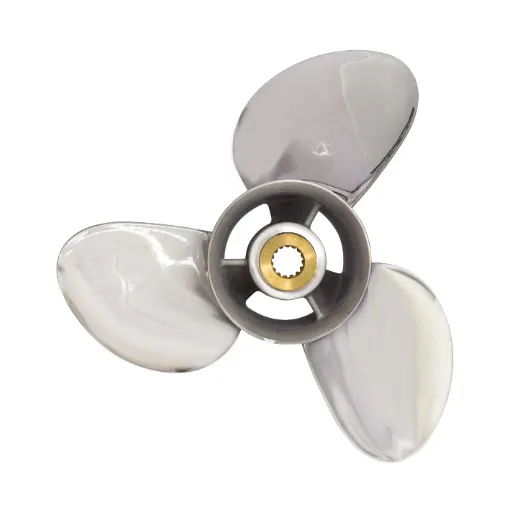
Regular maintenance practices are important for keeping your equipment working optimally for extended periods. When it comes to outboard propellers, checking the performance and condition is always crucial. The first thing to examine during every inspection is any physical damage to your Yamaha 150 prop. Specifically, look for damage on the blades such as dents, cracks, or deformation.
Essential Inspection Checklist
Remember that small details matter, as they can escalate to performance issues or vibration during operation. If you boat in waters with abundant floating underwater objects, inspect even more frequently. Routine checks combined with proper maintenance practices prevent catastrophic damage while enabling prolonged propeller use and safe, efficient boating.
Cleaning and Care for Longevity
Cleaning and caring for the propeller is necessary to achieve optimal performance and prevent premature wear. After each use, rinse the propeller in fresh water to eliminate salt, seaweed, and other materials that may cause rust and deposits. Use a gentle brush with mild soap to clean the propeller, paying special attention to areas between the blades.
Cleaning & Maintenance Best Practices
- Post-Use Rinse: Always rinse with fresh water after operation, especially in saltwater environments
- Deep Cleaning: Use mild soap and a soft brush to remove stubborn stains and buildup between blades
- Specialized Products: For difficult deposits, use marine-specific detergents designed for propellers
- Lubrication: Apply anti-corrosive sprays or grease to the propeller shaft periodically
- Hardware Inspection: Check cotter pin and fastening components for deterioration during cleaning
- Proper Storage: Remove and store in cool, dry environment during extended storage periods
While regular cleaning benefits the aesthetics of the propeller, it also improves the propulsion system, resulting in lower fuel consumption. Proper storage practices protect the propeller from harsh temperature and moisture changes, dust, and physical impacts. Clean, well-maintained, and properly stored propellers maintain peak performance without hitches or problems.
Common Signs of Propeller Issues
Early diagnosis of propeller malfunctions helps avoid expensive repairs and improves safety on the water. Recognizing warning signs enables timely intervention before minor issues become major problems.
| Warning Sign | Possible Cause | Action Required |
|---|---|---|
| Reduced Speed | Distorted, bent, or broken blades reducing propulsion efficiency | Inspect blades for damage; replace if necessary |
| Excessive Vibration | Blade misalignment, foreign object entanglement, installation errors | Check balance and alignment; remove debris; verify installation |
| Increased Fuel Consumption | Worn or improperly functioning propeller forcing engine to work harder | Inspect for wear, corrosion, or damage; consider replacement |
| Difficulty Accelerating | Incorrect pitch, damaged blades, or excessive load | Verify correct prop selection; inspect for damage |
| Unusual Noises | Cavitation, loose hardware, or structural damage | Check mounting hardware; inspect for cavitation; verify trim settings |
Staying alert to these warning signs and conducting regular inspections ensures consistent boat performance on every trip. Addressing issues promptly prevents escalation and maintains safe, efficient operation.
Troubleshooting Common Propeller Problems
Identifying Performance Issues
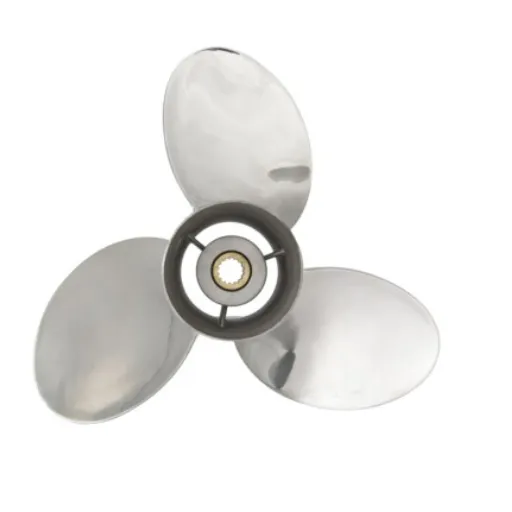
A reduction in boat speed or difficulty controlling acceleration typically indicates propeller malfunction. Low output can be attributed to various factors such as bent or defective blades that disturb water flow and reduce propulsion efficiency. Excessive vibration is another common indicator, usually resulting from unequally balanced propeller blades or foreign objects becoming entangled. This not only affects boat functioning but can also put undue pressure on the engine, leading to bigger mechanical problems over time.
Understanding Cavitation
Cavitation occurs when bubbles form around the propeller’s surface as it cuts through water, causing decreased thrust and potential blade damage over time. This complication may be caused by:
- Using the wrong-sized propeller for your boat
- Engine mounted too high or too low
- Improper trim adjustments
- Blade damage or wear
Prevention: Make necessary trim adjustments or use a more appropriate propeller design. Early detection helps prevent damage and enhances performance.
Propeller blade deterioration is another regularly occurring problem after active use. Nicks and scratches are often observed on blades in marine vessels operating in saltwater, affecting hydrodynamic efficiency. This deterioration not only reduces top speed but also requires increased engine power, affecting fuel consumption. Conduct thorough propeller checks, especially at the beginning and end of each boating season, to maximize working condition and prevent unnecessary issues.
Solutions for Vibration and Noise Problems
Fixing vibration and noise in boats requires careful analysis to determine contributing factors and appropriate remedial measures. Misalignment in the propeller shaft is one of the common causes of excessive vibration. Always check for shaft movement, as it can easily cause misalignment. Additionally, out-of-balance or damaged propellers are major culprits. Replacing the propeller or rebalancing should eliminate both high vibration and noise.
Vibration & Noise Solutions
Industry Data: According to manufacturer data, vibrations account for up to 30% of problems encountered when proper maintenance checks are performed. Regular use of balancing tools and structural support optimization can significantly reduce disturbances.
When to Seek Professional Help
Every boat owner should know when to call an expert to resolve vibrational problems, ensuring vessel longevity and safety. While certain issues are manageable under periodic maintenance and checks, others require professional adjustments. If you experience vibrations that don’t go away or worsen, or hear unusual noises from your boat engine or other areas, this may indicate mechanical or structural defects. Such warnings become expensive if left unattended and necessitate immediate response.
Call a Professional When:
- Vibrations persist or worsen despite standard maintenance
- Vibration monitoring detects critical abnormalities you cannot diagnose
- You observe abnormal engine activity patterns or shaft problems
- Hull distortion or alignment issues are suspected
- Standard servicing doesn’t eliminate frequent vibration
Professionals possess the resources and experience to identify invisible problems in diagnostics. Issues like propeller shaft problems or structural concerns are often beyond typical boat operator scope, requiring specialized tools and skills. Certified marine engineers or technicians can perform advanced diagnostics using ultrasonics or laser alignment to identify problems undetectable during routine checks. Prompt professional intervention spares boat owners from costly repairs, retains optimal boat performance, and enhances the overall boating experience.
Frequently Asked Questions (FAQ)
Ready to Optimize Your Yamaha 150 Performance?
Selecting the right propeller, maintaining it properly, and understanding its performance characteristics are essential for maximizing your boating experience. Whether you’re fishing, cruising, or engaging in water sports, the right Yamaha 150 prop makes all the difference.