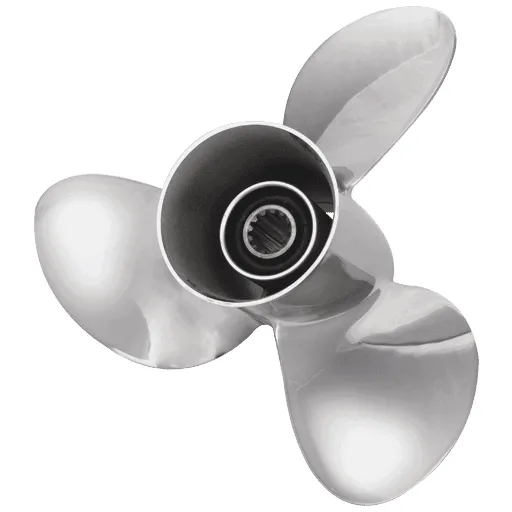
The performance, fuel consumption, and overall boating experience of your Yamaha 25hp outboard depend largely on the propeller you select. Choosing the right propeller from the many available options might seem intimidating without understanding propeller design and functionality. This thorough guide will simplify the entire process and provide everything you need to know about Yamaha props for 25hp engines. Whether you’re an experienced sailor wanting to improve your ride or a first-time buyer searching for the ideal match, this article will equip you with the knowledge needed to make the proper choice and enjoy your outboard engine to the fullest.
Understanding Yamaha Outboard Propellers
What is a Yamaha Propeller?
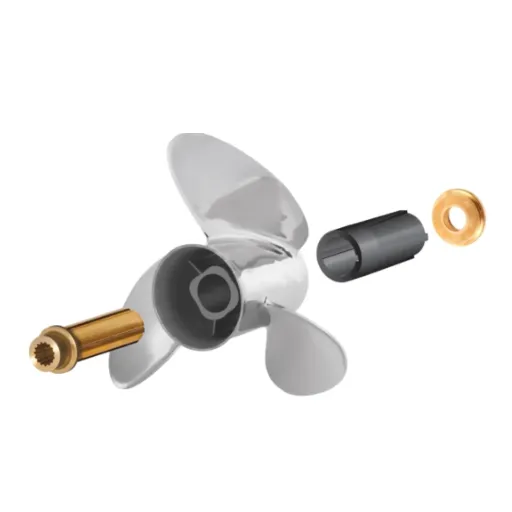
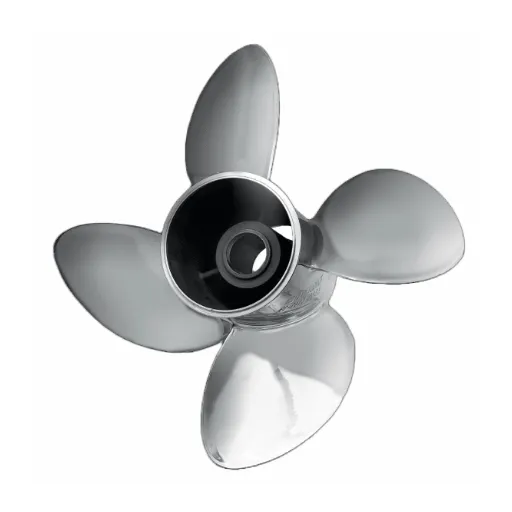
A Yamaha propeller is an essential component of a Yamaha outboard motor designed to transform the engine’s power into the driving force that propels a boat through water. These propellers are specifically manufactured to match Yamaha outboard motors, guaranteeing optimal performance, prolonged lifespan, and minimal fuel consumption. They are meticulously designed to withstand extreme marine conditions while remaining reliable and functioning without interruption.
Yamaha propellers come in a wide range of styles, sizes, and materials to meet different boating requirements. They can be constructed from lightweight and affordable aluminum or from tougher, more damage-resistant stainless steel. The choice of propeller depends on several parameters including the type of boat, its weight, engine specifications, and the intended purpose such as cruising, fishing, or water sports. Yamaha offers a variety of options that perfectly address these different needs.
With Yamaha, precision and quality come first, which is why their propellers deliver consistent performance regardless of conditions. Their designs focus on reducing vibration, boosting acceleration, and improving overall efficiency. Properly selecting a Yamaha propeller for your outboard engine allows for better handling, fuel savings, and a more pleasant boating experience.
How Horsepower Affects Propeller Choice
Horsepower is a crucial factor in choosing the right propeller for your outboard engine. Engines with higher horsepower typically require larger-diameter and lower-pitch propellers to efficiently convert power into thrust. This keeps the engine operating within its recommended RPM range for optimal performance without straining the motor.
Conversely, engines with lower horsepower often benefit from smaller, higher-pitch propellers. These props allow the engine to achieve higher speeds while maintaining efficiency. It’s essential to select a propeller with the correct pitch since a mismatch can lead to over-revving or prevent the motor from reaching its full capacity, potentially causing engine damage over time.
⚠️ Important Note: Selecting a propeller according to your engine’s horsepower ensures optimal performance, fuel efficiency, and engine longevity. Always consult your outboard engine’s manual or seek advice from a qualified professional regarding the best propeller specifications for your horsepower range. This approach will significantly enhance your overall boating experience.
Types of Yamaha Outboard Propellers
Yamaha offers a comprehensive range of outboard propellers designed to cover all boating needs and enhance overall performance. These propellers are categorized according to their material, design, and intended use, helping boat owners select the ideal option for their engine and application.
Aluminum Propellers
Aluminum propellers are highly popular due to their affordability and durability. They are lightweight and ideal for general-purpose boating including leisure activities or fishing in calm waters. Their reasonable price makes them a popular choice for casual boaters and those needing a propeller for frequent use.
Stainless Steel Propellers
Stainless steel propellers are synonymous with strength and performance. Their exceptional resistance and near-complete corrosion resistance make them ideal not only for saltwater applications but also for high-performance scenarios. These propellers are perfect for serious boaters who prioritize speed and efficiency or who enjoy water sports activities involving frequent intensive use.
Specialty and High-Performance Propellers
For specialized needs, Yamaha provides high-performance propellers designed to maximize speed, acceleration, and handling. Examples include the Saltwater Series designed for large, challenging boats in extreme offshore conditions, or the Talon propellers designed for shallow water and weed-filled areas. Specialty propellers are crafted for specific boating scenarios, guaranteeing optimal results even in demanding environments.
Selecting the right propeller requires considering your engine type, vessel size, and planned boating activities. By choosing a Yamaha propeller according to your specific needs, you’ll enjoy the benefits of excellent performance, fuel efficiency, and long-term durability.
Selecting the Right Prop for Your Boat
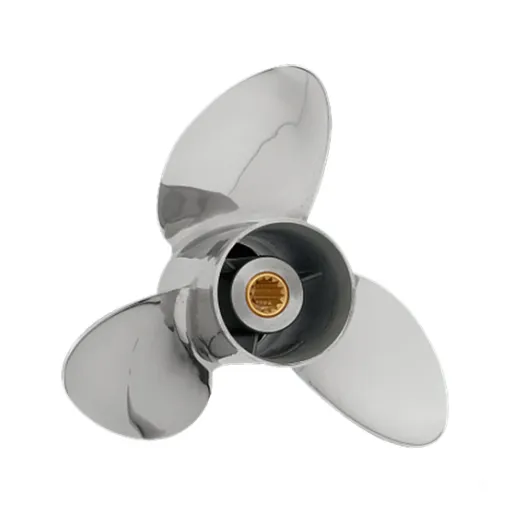
Choosing the Best Yamaha Propeller for Different Boat Types
Choosing the right Yamaha propeller for your boat requires understanding how different boat types interact with propeller designs. Lightweight propellers with a higher pitch are commonly recommended for small boats such as bass boats and aluminum fishing boats to maximize their acceleration and speed. In contrast, large boats like pontoon boats need propellers that deliver strong thrust at low-speed ranges, often with a lower pitch, to support the vessel’s stability and peaceful operation.
High-performance boats benefit from stainless steel propellers due to their resistance and capacity to handle higher engine powers while maintaining effectiveness. Conversely, owners of recreational boats who prioritize fuel efficiency and quieter operation may find aluminum propellers to be an excellent option given their lightweight nature and cost-effectiveness. Yamaha’s propeller range, including the Reliance or Saltwater Series II, addresses these varying requirements with designs custom-made for different performance goals.
Moreover, propeller size—encompassing diameter and pitch—must match your boat hull’s characteristics, load capacity, and engine specifications. Overloading or mismatching propellers can lead to performance loss or engine strain. By evaluating your boating habits—whether cruising, fishing, or watersports—and consulting Yamaha’s comprehensive propeller selection guide, you can ensure that your boat runs smoothly and efficiently under all conditions.
Impact of Propeller Size on Performance
The propeller’s size, including its diameter and pitch, significantly affects boat performance. Selecting the wrong propeller size can result in reduced speed, poor fuel consumption, and inefficient engine operation. Conversely, the right choice ensures optimized performance suited to your boating activities. Below are five key points demonstrating how propeller size affects performance:
Factors to Consider When Selecting an Outboard Propeller
When selecting the appropriate outboard propeller, it’s necessary to evaluate several vital factors to ensure optimal boat performance. The primary considerations are as follows:
1
Pitch and Diameter
The pitch of a propeller is the theoretical distance the propeller travels through water in one revolution. Diameter is the measurement of the blade’s circular path. A high-pitch propeller delivers faster boat speed but weaker pull for heavy loads. It’s crucial to match these factors with your boat’s purpose and engine specifications.
2
Number of Blades
Propellers typically have three or four blades, each offering distinct advantages. A three-blade propeller excels at high speeds and better efficiency, while a four-blade propeller provides improved acceleration and handling at low speeds with enhanced stability.
3
Material Composition
Propellers are most commonly made from either aluminum or stainless steel. Aluminum propellers are more affordable, lighter, and suitable for recreational boating. Stainless steel propellers are pricier but tougher, offer excellent performance, and work well with high-horsepower engines.
4
Engine Manufacturer Recommendations
Always check the manufacturer’s recommendations for propellers when purchasing one for your engine, as modern engines are designed to operate under specific conditions. Following these suggestions prevents engine damage and ensures fuel-efficient operation.
5
Boat and Water Conditions
The best propeller for your boat depends on typical water conditions—whether calm lakes, rough seas, or shallow rivers. A propeller for shallow water might prioritize durability, while a propeller for open seas might emphasize speed.
6
Load and Activities
Your boat’s propeller requirements depend on its intended use—whether fishing, towing, water sports, or leisurely cruising. Heavier loads typically require a lower-pitched propeller to maintain good performance under pressure.
You can make an informed choice by considering these factors and consulting updated sources such as manufacturer data sheets or expert reviews. The right propeller not only improves your boat’s performance but also increases your enjoyment on the water.
Performance Comparisons of Yamaha Propellers
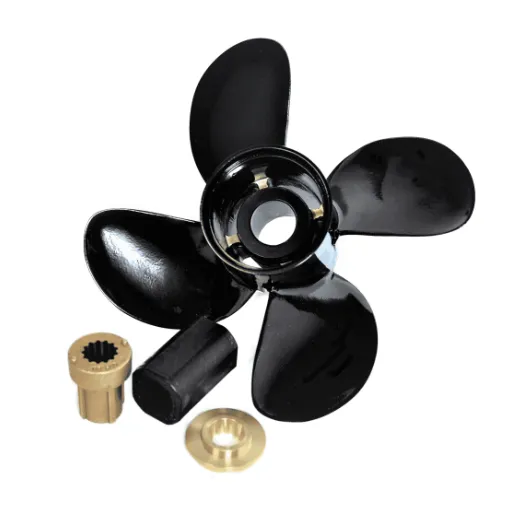
Comparing Aluminum vs. Stainless Steel Yamaha Propellers
Performance Metrics: Speed, Fuel Efficiency, and Handling
Performance metrics evaluation highlights speed, fuel efficiency, and handling as critical factors to consider. Stainless steel propellers typically achieve the fastest speeds due to their thinner blade design, which reduces drag and improves water displacement. This extra speed benefits high-performance applications and users who favor fast travel.
Stainless steel generally wins in the fuel efficiency category. It keeps the engine working more efficiently and reduces fuel consumption primarily because it maintains the exact blade angle without deforming under operating forces. However, aluminum propellers, while more affordable, offer only moderate efficiency levels, making them a less favorable choice in terms of long-term fuel savings.
Conversely, the handling characteristics of the two materials are quite different. The lighter, more forgiving aluminum propellers better absorb impacts, which is advantageous in areas with submerged hazards or where accidental groundings might occur. In contrast, the heavier and more rigid stainless steel propellers offer better responsiveness and sharper maneuverability at high speeds—a plus for those requiring full control.
💡 Decision Guide: Users need to weigh these metrics against their practical needs, budget limitations, and operating conditions. This ensures the selected propeller matches the desired performance outcomes.
Maintenance Tips for Yamaha Propellers
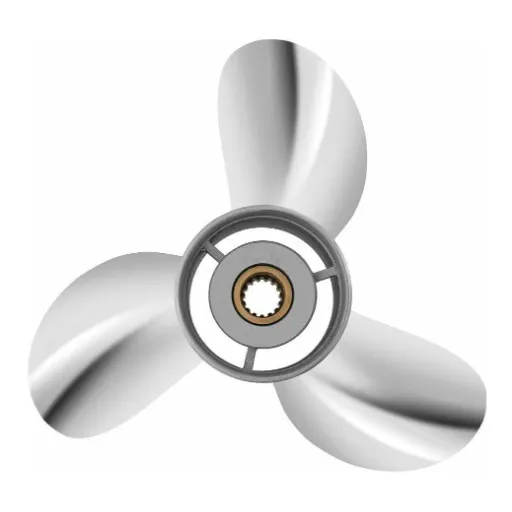
Regular Inspection and Cleaning Procedures
Regular inspection and cleaning are imperative for maintaining Yamaha propellers at peak performance and ensuring longevity. Start with a visual check of the propeller to identify any signs of wear or damage like cracks, bends, or dents, since these imperfections may negatively affect performance and fuel consumption. Carefully examine the propeller hub for any signs of corrosion or dirt accumulation, as this could gradually lead to vibrations or reduced spinning efficiency. Additionally, check the propeller shaft for fishing lines or any other debris that could cause damage requiring repairs to seals.
✓ Cleaning Best Practices
- Use warm water and soap with a soft brush to remove dirt, algae, and marine growth
- For stubborn residues, apply a non-abrasive cleaning solution that effectively removes dirt without harming the propeller surface
- Rinse thoroughly with freshwater after cleaning
- Dry with a soft cloth to prevent corrosion
- Apply marine-grade anti-corrosion spray for extra protection, particularly in saltwater environments
The proper application of a maintenance routine ensures maximum efficiency of Yamaha propellers, minimizes the chances of mechanical failures, and results in smoother, more dependable boating experiences.
Prolonging the Life of Your Yamaha Propeller
Propeller maintenance is an active process that Yamaha owners should prioritize to prolong their propeller’s life and efficiency. Always check for any signs of damage like dents, cracks, or chips before and after using the boat, as these will gradually reduce overall engine power. Addressing repairs promptly makes them easier to manage later.
🛡️ Proactive Protection Tips
- Avoid operating in shallow water or debris-filled areas where the propeller can easily be damaged by underwater obstacles
- Consider using a propeller guard as a protective device for challenging boating areas
- Clean regularly using a soft brush and warm soapy water to remove marine life and particles
- For saltwater boaters, rinse the propeller with fresh water immediately after each use to prevent salt buildup that leads to corrosion
- Proper off-season storage is essential—detach the propeller and store it in a clean, dry place to prevent moisture or environmental damage
Combining routine inspection, careful usage, and systematic maintenance will significantly increase the lifespan of your Yamaha propeller and guarantee a smooth, efficient boating experience.
Installation Instructions for Yamaha 25hp Outboard Propellers
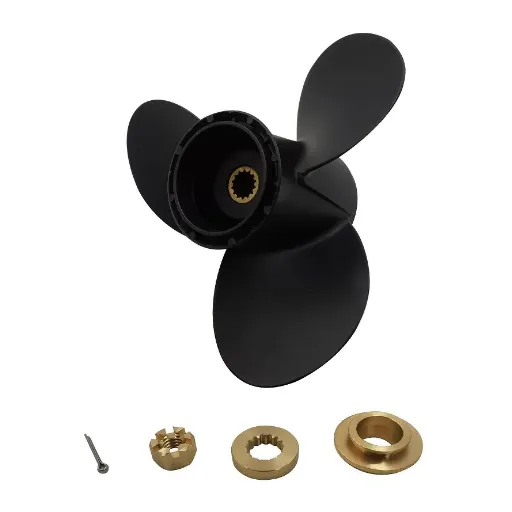
Tools Needed for Installation
To perform a proper installation of a Yamaha 25hp outboard propeller, the following tools and materials will be required:
Propeller Wrench
A specialized tool for loosening and tightening the propeller nut without causing damage.
Needle-Nose Pliers
Essential for removing the cotter pin from the propeller nut.
Marine Grease
Critical for application on the propeller shaft to prevent corrosion and ensure smooth operation.
Replacement Cotter Pin
A new cotter pin to secure the propeller during installation.
Torque Wrench
Ensures the propeller nut is tightened to Yamaha’s specified torque settings for safety and reliability.
Shop Towels or Rags
Required for cleaning the propeller shaft and surrounding area during installation.
When all these tools are available, the installation will be smooth and efficient, reducing the likelihood of damage and providing correct alignment for optimal performance. Always refer to the Yamaha user manual for additional instructions and safety measures.
Step-by-Step Installation Process
1
Prepare the Work Area
Position the boat on a stable surface or, if on water, dock it securely and switch off the motor. Clear the area around the propeller and keep all required tools nearby for quick access.
2
Remove the Old Propeller
Begin by straightening and removing the cotter pin using needle-nose pliers. If there’s a locking nut, use the appropriate wrench or socket to carefully loosen and remove it. Pull the old propeller from the shaft while checking for damage or wear on the shaft.
3
Clean the Shaft
Take a clean cloth or rag and thoroughly wipe the propeller shaft to remove all grease, dirt, and debris. Inspect the shaft for any signs of corrosion or damage, and address these issues before proceeding.
4
Apply Marine-Grade Grease
Apply a thin layer of marine-grade grease on the shaft. This acts as an anti-corrosive and makes future propeller removal easier.
5
Install the New Propeller
Slide the new propeller onto the shaft and ensure proper alignment. It should fit closely but not scrape forcefully against the shaft or surrounding components.
6
Secure the Propeller
Place the locking nut on the shaft and tighten with a wrench or socket. If a cotter pin is necessary, insert it through the hole in the shaft and bend its ends outward using needle-nose pliers to keep it secure.
7
Final Inspection
Turn the propeller by hand to check if it moves freely without wobbling or making contact with the housing. Verify that all parts are securely fastened.
8
Test the Propeller
Once installed, conduct a test run in a safe, controlled environment. Observe the propeller for smooth operation and listen for any unusual sounds that might indicate improper installation or the need for adjustments.
By following these steps carefully, you can ensure that your installation is efficient and reliable, keeping your boat performing at its best.
Frequently Asked Questions (FAQ)
Final Thoughts
Selecting the right Yamaha propeller for your 25hp outboard engine is crucial for optimizing performance, fuel efficiency, and your overall boating experience. By understanding the different types of propellers available, considering factors like boat type, water conditions, and intended use, and following proper maintenance and installation procedures, you can ensure your outboard motor operates at peak efficiency. Whether you choose aluminum for affordability or stainless steel for superior performance, the key is matching the propeller to your specific needs. Regular inspection, proper cleaning, and careful handling will extend your propeller’s lifespan and keep your boat running smoothly for years to come.