Choosing the right propeller for your 50 HP Yamaha Outboard engine will prove to be of utmost importance in unlocking the full potential of your water experience. Whether you are seeking improved fuel efficiency, better acceleration, or handling performance, an appropriate prop can transform your boating escapades. A number of options to choose from make it almost overwhelming to look for exactly the right propulsor, but it doesn’t have to be. This guide will provide crucial insights to help you make an informed decision on the best choice for your outboard that also caters to your specific needs. Read on as we break the major considerations and help you locate the perfect match for your Yamaha’s 50 Horse Power engine.
Understanding Yamaha Propellers
Types of Yamaha Propellers
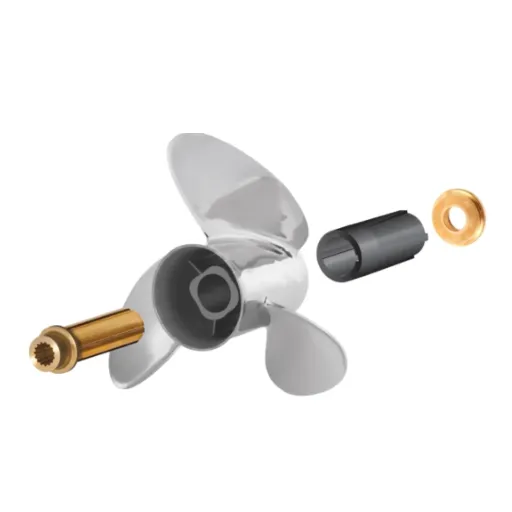
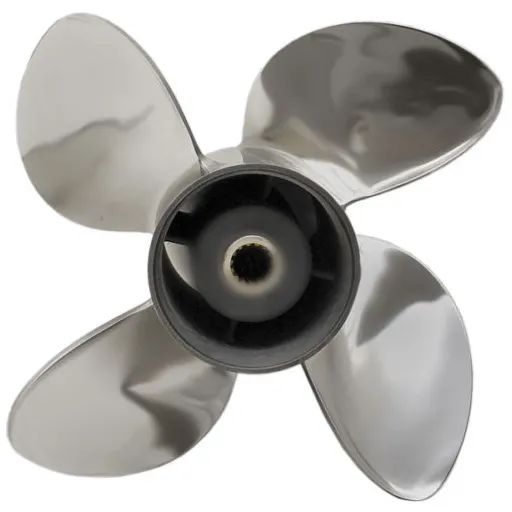
A wide array of propellers is available from Yamaha, each designed to enhance performance for various boating needs. The major categories include aluminum and stainless steel propellers. The chief merit of aluminum propellers is that they are lighter and less expensive, best suited to light recreational boating and light applications. Stainless steel propellers are considered to be more durable and have much-improved performance, thereby allowing for the heavier tank weights, higher speeds, or more challenging conditions.
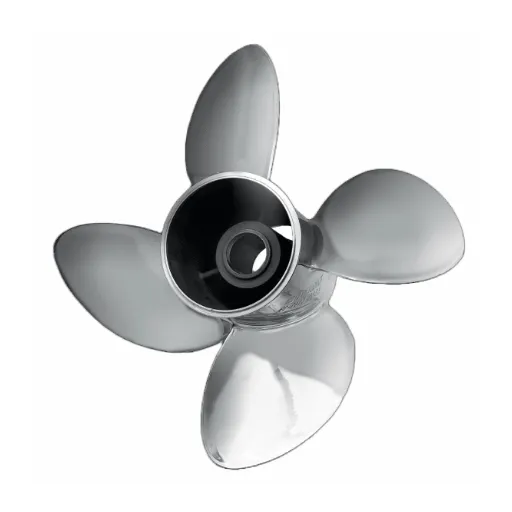
Another distinguishing factor is rendering in propeller design. Yamaha deals with various propeller blades ranging in shapes and pitches and tailored to specific types of boats and uses. An example: Three-blade propellers are mostly used for higher speed and fuel efficiency, whereas four-blade propellers are better at acceleration and overall stability under rough conditions. Some of the specialized propeller designs engineered for maximum performance on certain engine types include the “Turbo” and “Reliance” series, particularly that of 50 HP Yamaha.
Yamaha propellers are equipped with a massive number of advanced engineering features, such as the Shift Dampener System (SDS) that reduces the overall slight of noise and vibration on gear engagement. There are many materials, designs, and performance technologies present regarding Yamaha propellers that can cater to the amateur overlords alike, ensuring that there is a spoon that can fit you both reason on your engine and boating requirements.
Key Features of Yamaha 50-130 HP Models
Yamaha Motor Co. Ltd’s 50-130 hp engines have gained a reputation for being the most efficient and versatile engines in their respective categories, suitable for a variety of usage, including in the marine industry. Allowing for smooth operation, these engines feature some of the most advanced, unique engineering that enables them to consume less than most of their counterparts. Their lightweight structure allows for better handling while lessening fatigue and adding speed to the vessel. As such, these are the most popular engines in transient and experienced boaters’ circles.
An outstanding feature of Yamaha’s 50-130 hp engines is their Multi-Point Fuel Injection (MPI) technology, which ensures optimized fuel delivery and efficient power output with less exhaust. Besides being environmentally friendly, it is quite reliable, as its various parts are non-corroding with special coatings to ensure they are durable in both salt water and fresh water conditions.
These models involve added hack-rested Add-ons like the Variable Trolling RPM Switch that allows a boater to set and keep a desirable slow-speed for fishing or docking uses. Together with her famous quality and dedication to excellence, Yamaha completes a combination of good performance, efficiency, and long life to cater varied needs for use within the 50-130 HP range.
Benefits of Using Yamaha Outboard Propellers
✓ Better Fuel Economy
Yamaha propellers are designed to get the best fuel mileage with the smallest possible drag and greatest thrust. The beautifully engineered blade designs reduce drag and increase thrust over a small propeller, making them the best props for enhancing fuel economy by a 10% compared to standard propeller models.
✓ Improved Acceleration and Speed
Yamaha propellers provide lightning acceleration and ultra smooth top-end speed development due to high tech features such as the Shift Dampener System (SDS). Quick planing times and faster response makes for a very responsive boating experience.
✓ Durability and Longevity
These propellers stand good against both fresh and saltwater damage, making them a one-time investment for a lifetime. Made out of high-quality materials like stainless steel and finished with anti-corrosive coating.
✓ Customizability for Special Applications
Yamaha features propellers with a variety of models designed to suit the varied boating activities, such as those for fishing, water sports, and commercial use. Speed, load, and specific operational requirements will play the most significant part in their design choices to give their boat optimum performance.
✓ Reduced Noise and Vibration
Therefore, the Yamaha propeller offerings with SDS greatly help to reduce noise and vibration when gears change or during the course of the operation itself. This leads to a gentle, congenial environment on the water encouraging to the well-being of both boat ellie and her passengers. SDS will also provide great advantages in enhancing the life of the boat drive due to reducing mechanical stress’.
Selecting the Right Propeller
Importance of Pitch and Diameter
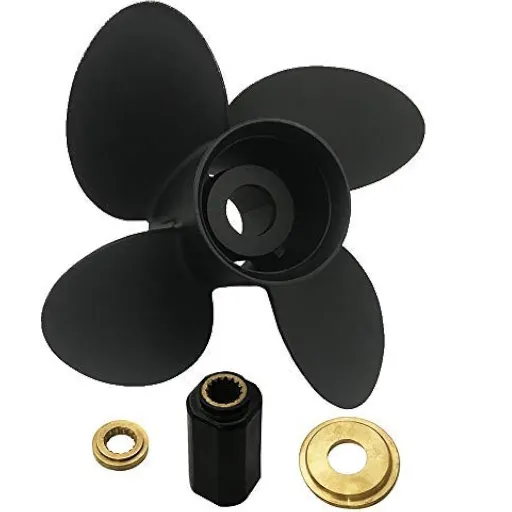
The performance of a propeller is essentially determined by two critical factors: pitch and diameter. The pitch dimension of the propeller registers the distance the propeller travels forward in carrying out a single complete rotation, while the diameter measures the circular path created by the propeller blade tips while in motion. Selection of the correct pitch and diameter would seem possible in facilitating the engine efficiency as well as the consumption of fuel while it may also lead to an increase in the overall performance.
For instance, a propeller with a high pitch would be called for where more speed is needed; pitching too much may result in the strain on the engine because it will need to turn rapidly spinning at the required RPM. Consequently, a larger diameter can exert more thrust that is useful for those larger boats; nevertheless, top-end speed may suffer. To get the best out of everything in performance, manufacturers usually suggest a specific pitch and diameter suited for that particular engine type of engine and boat type, largely depending on the variables such as load, water conditions, and usage intentions.
Pro Tip: By employing the contemporary tools and data analyses easily accessible online, boaters too can evaluate the exact requirements for their setup. The resources like propeller guides and calculators available from reputable makers or online guidance make it easy to tailor the most appropriate propeller setup with great accuracy.
Matching Propeller to Boat Type
Propeller selection is very critical to obtaining optimal performance and efficiency on different boat types. Fish boats, speedboats, and leisure boats are beset with distinctive vessel design characteristics and use patterns each calling for different propeller configurations. For example, speedboats usually need propellers with a higher pitch that have a smaller number of blades to cater for maximum speed, being heavy enough not to create drag. The pontoon boat, on the other hand, designates leisurely cruising and as such benefits from low-pitch models. Most propellers offer the best thrust and handling at slower speeds. Understanding the unique needs of a boat suggests smoother operation, lower fuel consumption, and the greater extent of performance in general.
Engine’s horsepower and RPM range are vital considerations to keep in mind when matching the right propeller. Each engine is designed to have an operating range, and the specifications of the propeller for this range are expected to not overload the engine or prevent it from peaking. Once propellers that enable the engines to function within this range are in place, boatmen can significantly minimize the chance of any mechanical stresses and so increase the life of their equipment. For example, say that a small fishing boat with a smaller engine might require another propeller diameter and pitch than that of a larger high-performance motor, which is operated for water skiing.
With uptodate sources and resources and supportive technological equipment, modern technology shrinks the complexity attached to such processes. Online manufacturer’s guidelines, calculators, diagrams, and comparative graphs put the boater in the mosaic of detailed knowledge regarding respective propeller options specific to boat and engine configuration. However, dominated by these tools, a customized selection ensures lesser errors and better clarity. The quest for the maximum performance and safety of the boat should always include a projection built on a difficult balance of knowledge about the boat used, its engine specifications, and intensive research.
Understanding Thrust and Performance
Propulsion is the predominant determiner of any boat’s operation, and most directly its acceleration, maximum speed, and manoeuvring. The propeller forces the boat forward by converting the engine’s power into kinetic energy while the boat moves through water. The efficiency of the process is dependent on several factors including the design of the propeller, its pitch and its diameter, as well as the engine’s specific RPM range. The right choice of propeller for a specific boat and engine configuration will maximize thrust and appropriate operation, better fuel economy and lower wear on the engine.
Whereas efficiency is a requisite, performance is a broader measure of how effectively a boat responds to various needs—mainly, load capacity, speed, and maneuverability. An equilibrated performance with thrust is essential to ensure a boat can meet the demands for both recreation and professional activities. Thus, while the boat used for watersigns thinks about speed, something for fishing will prioritize low-speed control and stability. This knowledge will empower the boat operator to make informed decisions regarding propeller configuration and engine setups.
With the advent of advanced technologies and the increasing availability of data, the task of rating thrust and performance has been simplified immensely. Computer simulation models, GPS tracking systems, and offshore performance testing are all very vital resources for informed learning related to varied environmental factors that in one way or another affect the operation as a whole. With a judicious union of suitable but proven online adjuncts with real-world verifiactions, pertaining boaters stand to appreciate their vessel dynamics with respect to improving vessel safety and fuel efficiency, as well as developing new sensory impressions while on the water.
Performance Benefits of the Right Propeller

Improved Acceleration
Propulsion choice, for an optimum experience, can turn about a boat’s acceleration to desirable fast rates, smoothly sweeping through the lower end towards full acceleration. This is particularly suitable for sports skiing, waterskiing, and maneuvering nimbly through narrow waterways. Essentially, a well-matched propeller keeps the engine spinning within its rpm power peak; thus, maximum thrust resultsmate without overheating the motor nor unduly affecting its fuel consumption. The idea of prosaic use is that modern prop weld features advanced types of blade profiles and materials designed to maximize thrust at the same time as dragging water whenever possible.
Beyond the physical benefits, understanding acceleration performance through detailed testing and analysis empowers boaters to make informed decisions about their propeller setup. Data on this obviously includes pitch, diameter, and blade count from manufacturers and very reputable online sources, such as in-depth marine forums and performance charts. By combining test results with this data, the effects of tiny variations on the output can be faster perceived in tune, making the boat accelerate in what may fall into suitability within very unique operational demands. Tools like water-resistant GPS trackers and RPM monitors provide an accurate readout and allow fine-tuning to produce a more effective acceleration curve for the boat.
By integrating reliable resources with the latest technological advancements, boaters will have unprecedented access to the wealth of information to customize their boat’s performance to their requirements. Choosing the best propeller not only results in a faster span-increased acceleration-but also it improves overall handling, and with it, stability on the water. This partnership between technology, testing, and data allows users to create a meticulously optimized vessel that operates at its maximum capability and provides for a safer, more pleasurable experience.
Top Speed Enhancement
Optimizing the power of peak speed is an amalgamation of science, technology, and some fine adjustments to the configuration of your boat. The choice of propellers is of paramount importance in maximizing speed. Propellers with lower pitches are ideal for providing acceleration and high-pitch propellers are best for extended, flat speedy rides. Getting a grip on the right match for pitch with blade count and diameter makes you customize propulsion for particular boat needs for planned performance. The system even sets the vessel to operate under greedy conditions with respect to consumption yet maintain it above the desired speed.
The hull’s cleanliness and maintenance are very crucial. A filthy hull creates resistance and drag, slowing down the top speed in a significant way. Regular cleaning and waxing on the vessel’s body, plus the sleek hull design, enhance the hydrodynamics, thereby enabling the boat to glide efficiently over water. Second to that, a proper vessel requires a balance on board. Too much weight or improperly distributed cargo can cause the boat’s angle in the water to change and decrease its speed, thus lowering efficiency.
The latest technology, such as GPS-based performance tracking and digital monitoring systems, can enhance your boat’s top speed potential. These instruments provide in-the-moment feedback on variables such as speeds, efficiency in fuel usage, and engine performance. Thus, exact fine-tuning can be target-endorsed to achieve the best results. With the full collective of the boating community and oceans of grassroot boating information from leading experts, boat owners can rest assured that their vessels are prepared for high-caliber performance, not through outdated and nonspecific guidance.
Popular Propeller Materials
Aluminum Propellers
- 💰 Affordability: Significantly more price efficient compared to stainless steel alternatives, becoming a savings for lots of boaters without sacrificing performance.
- ⚖️ Lightness of Weight: Best for lighter weight, ensuring lesser strain on the engine and better fuel efficiency for small boats.
- 🛡️ Corrosion Resistance: Some aluminum propellers have coatings that resist corrosion in freshwater conditions with proper maintenance.
- 🔧 Convenience in Repair: Much easier to repair than harder materials like stainless steel. Once defected, readily repaired or replaced at lower cost.
- 📦 Widely Available: Many options available for various kinds of boats and engines in different shapes and pitches.
Stainless Steel Propellers
- 💪 High Tensile Strength: Much stronger than aluminum. Virtually indent-proof resistant and may survive hits without sustaining damage.
- 🚀 Superior Performance: Established for improved speed and acceleration with great steering. Blades are perfect for high-speed vessels.
- 🌊 Corrosion Resistance: Ideal choice for demanding coastal environments. Endures without substantial maintenance needs.
- ⛽ Heightened Fuel Efficiency: Designed to produce carbon efficiency to minimize loss and save on fuel over time.
- 💎 Long-Term Value: Worth the initial investment despite greater cost. Robust quality minimizes frequent replacements.
Choosing Material Based on Usage
In choosing the right propeller material, however, I am always guided by how we plan to use the boat. If it will be used for casual boating or for light recreational activities, the aluminum propeller might be the best bet. It is economical, easy to fix and perfect for those standard bit cases where extreme performance is not really necessary. The lightness of this metal category is also an advantage in those boats pertained to the kind of usage at the lower end of the spectrum.
Otherwise, when one needs high-speed propulsion, high heart pounds, or need to run at high RPM, the preference rather rezoned to stainless steel propellers. Its ability to withstand a particularly harsh beat is exceedingly significant when it comes to bumping around on the water, making their use in waterways a click or two away from becoming debris-laden waters extra desirable. Also, its increased performance offers outstanding acceleration and fuel efficiency-largely for those concerned with high performance or across-the-board use in rough and tough conditions.
Truly, when all is said and done, it all comes down to determining the boat’s use, the conditions the propeller might be exposed to and the long-term value I hope to attain. Thinking over and considering even these elevates me to a higher plane from which I am able to identify which type of propeller material would best serve my purpose, as well as further optimize my boating experience.
Maintenance Tips for Yamaha Propellers
🔍 Routine Inspection and Cleaning
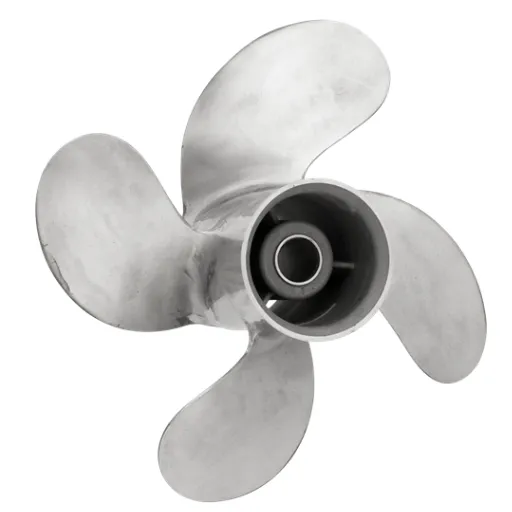
Performing regular checks and maintenance on Yamaha propellers is an essential part of extending their life and ensuring optimal performance. Begin by a simple visual inspection of the propeller, looking at signs of damage like cracks, dents in the hub, or a bend in the sharp tip of the blades. Even the smallest defect may affect its effectiveness by reducing the consumption of fuel or causing vibration. Look carefully for any sort of fishing line, weeds, or any other debris that might be entangled around the propeller hub; all these can produce a heavy drag on the propeller and engine.
Propeller cleaning by Yamaha involves removing the propeller from the boat’s shaft for better access to the difficult-to-reach propeller blades while inspecting the splines. Clean the propeller with some warm, mild water and soap to remove the dirt, salt, and other deposits from the sea. For the marine environment, a corrosion-resistant cleaning formula can help remove the barnacles and other persistent buildups. After cleaning, rinse the propeller thoroughly with clean water and allow it to become completely dry. The advantage of regular cleaning is not just to keep the propeller in good running order but ensures that potential problems are detected at an earlier stage.
Don’t forget to grease the prop shaft well during reinstallation. Apply a high-quality marine grease to the shaft to help avoid corrosion and maintain good running. Also make sure the propeller nut and washer are both inspected (having used the correct torque) and endowed with proper torque to prevent loosening while in use. The procedural system, cleaning, and maintenance undertaken after inspecting can dramatically improve the efficiency and durability of the propeller of your Yamaha. This will ensure smooth and reliable boating thrills for the longest stretch.
Repair vs. Replacement Guidelines
Yamaha propeller repair decisions are typically governed by damage magnitude, cost, and performance issues.
|
Key Point |
Repair |
Replacement |
|---|---|---|
|
Damage |
Minor (e.g., dents) |
Severe (e.g., cracks) |
|
Cost |
Low |
High |
|
Performance |
Slightly affected |
Fully restored |
|
Material |
Aluminum (easier) |
Stainless (durable) |
|
Frequency |
Occasional |
Rare |
|
Tools |
DIY kits |
Professional service |
|
Time |
Quick |
Longer |
|
Durability |
Temporary fix |
Long-term solution |
Storage Best Practices
Due to breakages and loss of traction, the Yamaha propeller should probably need to be meticulously cleaned and checked for its condition and hence repaired or replaced during the off-season or long-lasting periods of life. It is particularly essential to begin with a very thorough cleaning of the propeller and surrounding parts of salt, dirt, debris, suspenses, or whatever will eventually corrode or damage the propeller. It is important to have dried and aired each and every part in order not to cause rust or decomposition due to retained moisture. Putting some protective marine grease on the shafting and a coat swirl prevention preventive on the metallic features could add some protection in the end.
There is the need to consider a clean and dry place with protection from massive temperature changes or bright sunshine. To add a layer of protection, use strong plastic wrap and a storage cover to shield the propeller and shaft. To prevent accidents leading to accidental infliction of harm or serious breakdowns, the propeller must be stored in a raised position away from the ground and from heavy objects. Be sure there is no humidity in the area, as the persistence of moisture would ruin the propeller.
Lastly, it is a good practice to periodically inspect the propeller while it is in storage. Look for signs of corrosion, pitting, or damage that may develop over time. Early detection allows for prompt repairs or replacements, ensuring your equipment is always ready for use when needed. Combining these storage techniques with regular maintenance and inspections will extend your Yamaha propeller’s lifespan and optimize its performance for future boating adventures. Proper care today can save time and expense tomorrow.
❓ Frequently Asked Questions (FAQ)
Q: Is it possible to know the size and pitch of the propeller best suited for a Yamaha 50 hp outboard 4 stroke propeller?
A: Determining the best size and pitch for a Yamaha 50 hp outboard 4 stroke propeller may depend on what type of boat you have, the expected load, and what kind of conditions you will be experiencing. The popular range is the 10-14-inch propeller diameter with a pitch size of 10-17 inches for small to medium-sized pleasure boats. The objective would be to have the propeller producing wide-open at the manufacturer-specified RPM range so the engine operates at a level of peak performance. If the RPM is short of prescribed, it can be a higher pitch; if the RPM is higher than what’s needed, you should get a lower-pitch one.
Q: How will I know if my Yamaha 50 hp outboard four-stroke engine requires a replacement?
A: Common signs of replacement for a Yamaha 50 hp outboard 4-stroke include vibration at cruising speeds, decrease in top speed and acceleration, visible blade damage, or cavitation that doesn’t go away after trimming. Regular in-service inspection can lead to detecting nicks and corrosion on the propeller while monitoring performance against expected RPM and speed would signal when propeller replacement is in order.
Q: Could I fix my 50 hp motor with a stainless prop?
A: Yes! Fabrication of new stainless steel propellers is so much better in comparison with aluminum propellers leading to higher strength, greater efficiency, increased durability, improved acceleration, and also increased top speed, but with added price and greater susceptibility to damage from prop strikes on the lower unit.
Q: Which gearings and shafts match Yamaha 50 hp outboard 4-stroke propellers?
A: When choosing a Yamaha 50 hp outboard 4-stroke propeller, check the engine gear ratio, as well as the lower unit shaft splines count and diameter. Most Yamaha 50-horsepower, four-stroke models have standard spline counts and either 1-inch or 1.125-inch in diameter depending on the year and variation. Always check your owner’s manual or propeller fitment chart to ensure correct fitment and operating characteristics.
Q: How do trim and tilt adjustments affect a Yamaha 50 hp outboard 4-stroke propeller?
A: Trim and tilt adjustment has a major impact on the performance of a Yamaha 50 hp outboard 4-stroke propeller. Precise trimming practically eliminates hull drag. Additionally, the prop picks up maximum traction to achieve its desired RPM. Wrong trimming presents various problems; the prop may suffer from running too high into air (ventilation), opt for sucking up unnecessary fuel, and gain little on the top speed. Trim adjustment is an in-and-out process where one should get a load comprising various conditions to monitor hull attitude and RPM. Adjust it till it achieves a fine balance for your load and sea conditions.
Q: Can I fix a Yamaha 50 HP 4-stroke outboard propeller that has been damaged, or will it need replacing altogether?
A: Damage from minor dents or small nicks to a Yamaha 50 HP 4-stroke outboard propeller may let a professional prop shop repair through reshaping, welding, or balancing. But when the damage has been very severe, like deep cracks, major blade loss, or bent hubs, it is best to replace it for safety and performance assurance. When a repair is performed, then balance and run the prop to make sure it functions correctly.
📝 Conclusion
Selecting the right propeller for your Yamaha 50 HP outboard 4-stroke engine is a critical decision that significantly impacts your boating experience. By understanding the various types of propellers available, considering factors such as pitch, diameter, and material, and matching the propeller to your specific boat type and usage requirements, you can unlock optimal performance, fuel efficiency, and longevity from your outboard motor. Whether you choose aluminum for its affordability and ease of repair or stainless steel for its superior performance and durability, proper maintenance and care will ensure your propeller continues to deliver exceptional results. Remember to conduct regular inspections, follow proper storage practices, and consult manufacturer guidelines to make informed decisions that enhance your time on the water. With the right propeller and proper care, your Yamaha 50 HP outboard will provide reliable, efficient, and enjoyable boating adventures for years to come.
⚓ Ready to optimize your boating performance? Choose the right propeller today and experience the difference!