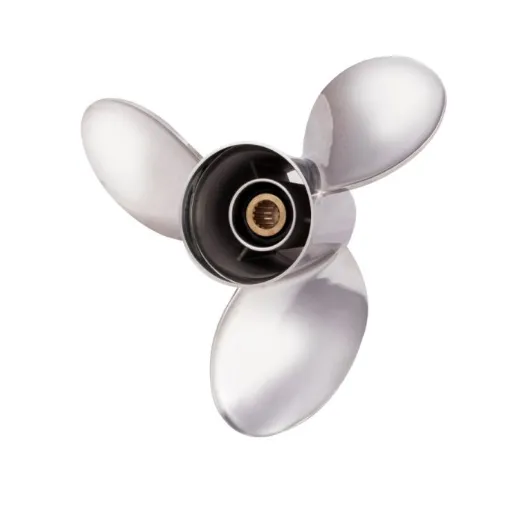
The right propeller for your Yamaha F150 outboard engine is key to getting the most out of your engine and being efficient on the water. There are many alternatives available in the market, and the search for the perfect stainless steel propeller can be very confusing at times, but it doesn’t necessarily have to be so. This guide will not only help you but also facilitate the decision-making process by presenting all the necessary information regarding the selection of the right propeller in terms of optimal horsepower (HP) performance. If you want to achieve greater speed, better control, or less fuel consumption, we can assist you all the way. Continue reading and discover the important factors that will elevate your boating experience.
Understanding Propeller Basics
What is a Propeller?
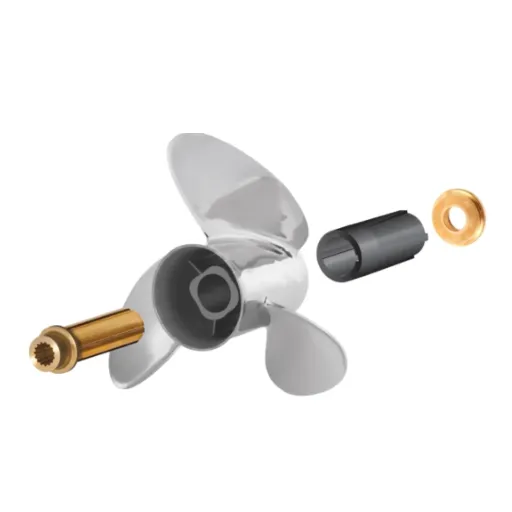
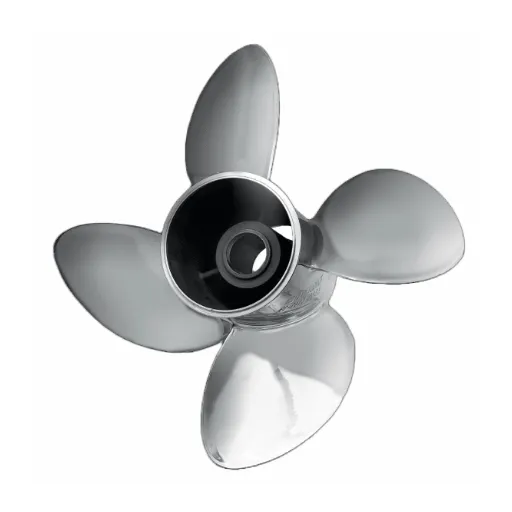
Propeller is the device that drives the boat or watercraft through the water by turning the rotational energy into thrust. It usually consists of blades fixed on a central hub that is fastened to the engine shaft. The blades of the propeller when rotating mean they push the water and thus create a forward or backward motion, depending on the direction of rotation.
The quality of a propeller’s design and material influences its efficiency a lot. The common materials are aluminum and stainless steel, where each has its own specific advantages. Aluminum is one of the lightweight and cost-effective materials used for the making of propellers. Because of these advantages, it is the most preferred material among the boaters. Stainless steel, however, is strong and can take more speed and pressure; therefore, it is not usually very cheap like aluminum, that is, it requires a higher price.
💡 Key Consideration
When selecting a propeller, one should consider the type of boat, engine specifications, and the proposed usage as determining factors. The propeller’s diameter, which has the greatest influence on the amount of water displaced, and its pitch, which determines the distance the boat travels with each revolution, are the main points to weigh. With the appropriate propeller fitted to your particular requirements, you can easily boost your boat’s speed, handling, and fuel efficiency, thus letting the performance on the water be at its best.
Types of Propellers: Stainless Steel vs. Aluminum
On the one hand, propellers made of stainless steel provide remarkable durability, high performance, and great efficiency, whereas, on the other hand, propellers made of aluminum are cheaper and easier to mend.
| Aspect | Stainless Steel | Aluminum |
|---|---|---|
| Strength | High | Moderate |
| Efficiency | Superior | Basic |
| Price | Expensive | Affordable |
| Rigidity | Stiff | Flexible |
| Resistance | Low Drag | High Drag |
| Maintenance | Complex | Simple |
| Mass | Heavy | Light |
| Speed | High | Moderate |
| Durability | Impact-Resistant | Fragile |
| Application | High Power | Low-Mid Power |
How Propellers Affect Boat Performance
The choice of propellers has a major influence on boat’s speed, fuel consumption, and maneuvering skills – these are the main areas directly affected by this choice. The performance of the engine is mostly dependent on the right propeller acting in the optimal rpm range. The opposite case, where the propeller is either too large or of the incorrect kind, results in bad acceleration, loss of speed, and additional fuel consumption; thus the total efficiency of the ship is diminished.
One of the aspects where propellers improve the performance is the material used. Stainless steel propellers are considered the most robust and they can also provide the highest performance due to their capability of preserving exact shapes even when subjected to hard conditions. They perfectly fit high-performance applications or constant exposure. Meanwhile, aluminum propellers are an economic option but they don’t last as long and thus might be more appropriate for occasional boatmen or light-duty situations.
Apart from that, the design of the propeller and the number of blades with their contouring are also the factors that greatly determine the extent of the propeller’s impact on the vessel’s performance. For example, a prop with three blades will generally be faster than a prop with four blades but the latter will be superior in offering smooth operation, especially at slow speeds and thus apt for better control. It is essential to know and choose the right propeller that matches your boat’s characteristics and intended use so as to achieve and maintain its overall performance on the water.
Selecting the Right Propeller for Your Yamaha F150
Factors to Consider: Boat Type and Usage
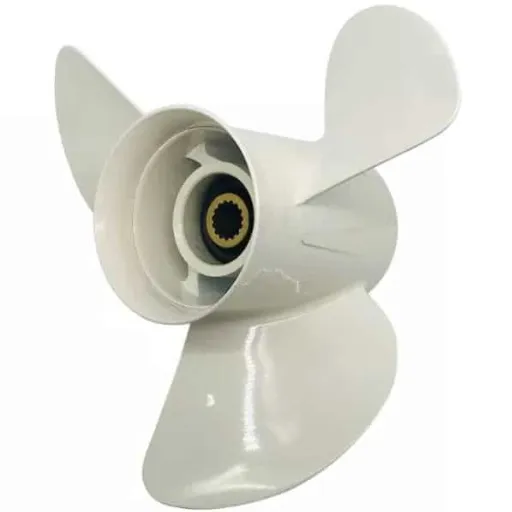
Picking the perfect propeller for your Yamaha F150 involves knowing about the boat you have and the usage you give it. Propellers are different for different boats like fishing boats, pontoons, or speed boats, which are all different in the span of using them to ensure peak performance. Sometimes, fishing boats need a propeller that would be able to give them the speed and maneuverability at the same time since they are moving in tight spots and changing speeds throughout the day. A pontoon could harness a propeller that could increase its thrust and provide a smooth ride even when going slow, especially if comfort is the main concern during the trip.
⚙️ Usage Considerations
Boat usage also plays a crucial part. If your main goal is water skiing or wakeboarding, you will need a propeller that guarantees your strong pulling capability by making your engine acceleration and power better. If you are the one who takes long-distance trips and wants fuel savings, then it is worth considering a propeller with pitch adjusted for your boat as it can sometimes lead to substantial fuel savings. Assess how frequently your boat will be used at its maximum load as propeller’s efficiency will also depend on weight distribution and load.
Lastly, the quality of water and your usual boating area should be considered as well. In case you work a lot in shallow areas or with a lot of weed you might need to get a hard stainless-steel propeller that will survive and maybe even cause fewer impacts. On the other hand, for deep sea and fast conditions, aluminum propellers can provide a lightweight but cost-effective as well option. By thoroughly studying your boat’s type, typical use and location, you will surely be able to pick a propeller that will help your Yamaha F150 to unleash its full potential during the particular circumstances you meet most often.
Understanding Pitch and Diameter
You have taken your propeller pitch and diameter as two main factors in the design of the Yamaha F150 outboard motor that Affect greatly its performance. The diameter is the total measurement of the propeller size across the circle that the tips of the blades form. Heavier boats generally utilize larger diameters since they are able to push more water and thus make greater thrust. On the other hand, smaller diameters are more appropriate for lighter vessels that reach quicker speeds with lower drag.
Pitch is the other way around; it’s how far a propeller would move in a complete rotation if there was no slipping. The propellers with low pitch are known to give very good acceleration and are considered most suitable for such an application that requires quick starts like towing skiers or locomotion through rough waters. In contrast, higher-pitched props are more apt to do well in terms of reaching higher top speeds thereby sacrificing some low-end torque for the cruising at higher velocity to be more efficient.
🎯 Pro Tip
Being aware of the interplay between pitch and diameter is vital since it not only means a difference in speed but also the same amount of fuel being used and the engine’s work. For the best result, it is advisable to either check Yamaha’s specifications or take advantage of a propeller selection tool, that will help you find the suitable pitch and diameter values for your boat in relation to its weight, the speed range it usually moves in, and your intended activities.
Matching Propeller to Engine HP
The first thing that needs to be done when trying to get the best performance and efficiency is to pick a propeller that fits the horsepower (HP) of the engine. Each engine has a certain RPM limit, and the right propeller helps to keep this limit under normal working conditions. The use of a propeller that is wrongly sized, pitched or has a wrong diameter can result in the engine being over-loaded or under-revved which leads to poor performance and short life.
For example, small engines with little power often have to use propellers with less pitch so that they can get to the recommended RPM fast enough thus creating thrust that is enough for the engine at low speeds. On the other hand, high-power motors are usually combined with heavy propellers having high pitches which allow the motor to work efficiently while supporting the higher speed potential.
It is very important to take into account your boat’s weight, the number of people on your boat, and the kind of activities you are engaged in, like cruising, fishing or water sports. Yamaha’s reliable specifications together with tools and resources that provide the compatibility recommendations in real time will help boat lovers find their way between power and utility. Correctly matching the propeller with the engine HP will not only prolong the life of your engine but also give you a more pleasant boating experience.
Maintenance Practices for Yamaha F150 Propellers
Regular Inspection and Cleaning
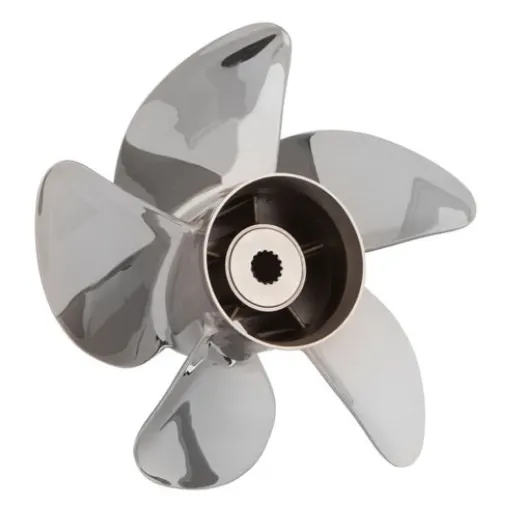
The correct care of the Yamaha F150 propeller is necessary to keep the good performance and to avoid possible damage. The regular maintenance should consist of checking the propeller for dents, cracks, or any other signs of usage and wear. Even slight faults can cause inefficiency, but also make the situation worse by creating vibrations or reducing the economy of the fuel. It is also very important to inspect for things that might have gotten stuck, like fishing lines or garbage, which may have wrapped around the shaft and could lead to the seal being damaged and the water coming in over time.
🧼 Cleaning Best Practices
The cleaning of the propeller is one more very important maintenance work. The marine conditions can result in the surface of the propeller being covered with barnacles, algae, or salt that will severely reduce its effectiveness. For a proper cleaning, taking the propeller off according to the Yamaha’s guidelines and using a mixture of warm water and mild detergent to scrub the deposits off is recommended. A soft-bristle brush or a plastic scraper can be used for the very stubborn growth, but it is important to be careful not to hurt the blade surface. After that, rinse very well with fresh water, because if salt residue is not taken care of, it can cause corrosion.
Moreover, applying a protective covering can allow the propeller to last longer, especially in saltwater. It is advisable to use non-corrosive grease or an excellent marine-grade spray to protect the propeller against oxidation and rust. Regular maintenance not only gives the highest performance and longest life to your Yamaha F150 propeller, but also assists in detecting and addressing minor issues before they turn into expensive repairs. Besides, the use of genuine Yamaha parts and accessories paired with these practices guarantees an unrivaled boating experience.
Identifying and Repairing Damage
It is very important to correctly assess and repair any damage to the Yamaha F150 propeller in order to keep the engine working at its best and avoid other problems. The inspection of the propeller should be done regularly and the checking for the visible signs of wear should be done thoroughly, such as dents, cracks, and bent blades. Even the smallest flaws can throw off the propeller’s balance and efficiency, causing vibration, reduced fuel consumption, and possible prolonged damage to the engine or lower unit. Shine a flashlight on the propeller and look very closely for tiny cracks or corroded areas that might be hard to see but can affect the performance of the propeller quite a bit over time.
If you find any damage, you will have to determine if you need to repair it or replace it. A small nick or ding can usually be repaired with a propeller repair kit, which often includes tools like sanding pads and fillers for smoothing out the surface. But severe damage like a big crack or a very bent blade usually needs professional repair or total replacement. So, it would be best to have a marine service technician look at it closely, because using an insufficient propeller can result in even more serious mechanical problems, increasing your costs and putting your safety at risk on the water. After every repair, it is very important to make sure the propeller is well-balanced, otherwise, the uneven performance of the engine will be the result.
A long-term solution for those who want maximum reliability and durability would be to purchase a high-quality Yamaha propeller that fits the specifications of your boat. When it comes to material, blade design, and pitch, consider what will work best for your particular boating activities. Aluminum propellers are the lightest and the most affordable, while stainless steel propellers possess greater toughness and are more resistant to damage. Using genuine Yamaha parts, regularly upgrading and maintaining your propeller will assure you of a smooth, efficient, safe, and enjoyable boating experience for years to come.
Best Practices for Storage and Protection
The right storage and protection are surely the pillars of the equipment’s long lifespan and a continuous peak performance. Effective storage, however, starts with the user through proper routine of cleaning, the propeller and all the other vital parts being the most important. The next thing would be to wipe these things clean, when, after soaking in salt water, sand and other corrosive materials, they are done being used. At this point, it is time to think of fishy smell, and sooner or later they will. If possible, covers made specifically for your propellers or other equipment will keep dust and possible damage away during storage and will give them extra protection.
📦 Long-Term Storage Tips
- Inspect for indications of wear, rust, or damage and treat problems immediately
- Lubricate moving parts according to manufacturer’s instructions to prevent sticking or corrosion
- Use fuel stabilizers and check fuel systems to avoid clogs or contamination
- Store in a dry, protected environment away from extreme temperatures
The implementation of these measures along with the usage of authentic Yamaha maintenance materials, guarantees the safeguarding of your investment and the retention of the highest performance standards. A proactive approach to storage and care leads to safer and more enjoyable boating experiences in the end.
Optimizing Performance and Fuel Efficiency
Adjusting Propeller Height and Trim
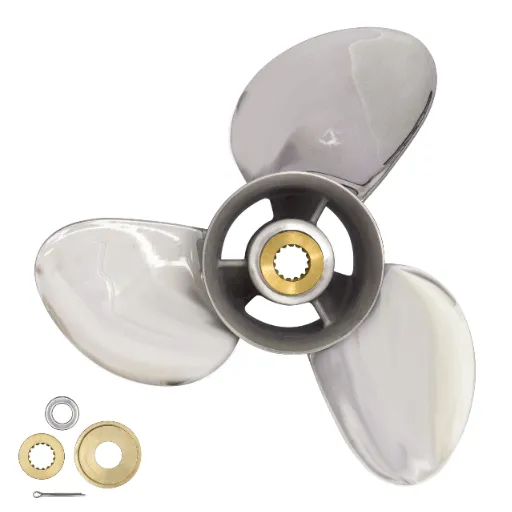
The overall performance and the amount of fuel saved of your boat mostly depend on the right tuning of the propeller height and trim. The correct installation of the propeller would change the thrust, speed, and handling of the boat greatly. Propeller height or motor height is measured as the distance between the propeller and the keel of the boat. A low propeller can drag the boat down and make it consume more fuel and have a lower speed. On the other hand, a high propeller can cause ventilation i.e. drawing air into the propeller which will reduce its efficiency and performance. The perfect height is the one that will give a light handling together with a major overall efficiency increase.
In addition, trimming adjustments further allow boaters to set their performance depending on different factors like load, water conditions, and speed. Trimming the motor down (with the propeller angled closer to the hull) definitely gives more stability, especially during acceleration or in rough waters. But, this can also result in an increase in drag. Trimming up lessens hull-water contact, thereby reducing drag and possibly increasing speed and fuel efficiency. A well-balanced trim then enables smoother rides while retaining the power and saving fuel. Modern boats that come with trim gauges make this adjustment a lot easier as they provide real-time feedback to the operator.
🔧 Finding Optimal Settings
To find the best settings, measuring and testing are extremely important. Boaters are advised to test different heights and trims under varying conditions and loads to arrive at the settings that suit their exact setups. Factors like propeller type, boat weight, and desired speed need to be accounted for. Including these adjustments in the regular boat maintenance schedule will help in getting peak performance over time. When a lot of care has been given to the propeller height and trim adjustments, boaters are sure to have the best experience on the water along with lower fuel bills and longer boat life.
Choosing the Right Propeller for Fuel Efficiency
The importance of choosing an appropriate propeller cannot be overstated when the aim is to maximize fuel efficiency. I take into account the size and pitch of the propeller first since these characteristics have a major impact on the boat’s performance and fuel consumption. When a propeller diameter and pitch are aligned with my boat, it leads to quieter operation and aids the engine to operate in its best performance range. By using a propeller that fits perfectly with my engine, I can significantly cut down on fuel consumption while enjoying a smooth ride at a constant speed.
Important too is the propeller’s material, which is another aspect to consider. The two predominant materials used are aluminum and stainless steel, each offering unique benefits. The lightweight nature and lower price of aluminum propellers are some of the factors that make them suitable for casual boaters like me. But I prefer a stainless steel propeller for its strength and efficiency in rough waters or other stressful situations. This choice guarantees not only a longer life but also better performance in the difficult environments.
I also keep a close eye on my boat’s performance and vary the props if needed. For instance, if I see the motor is revving too high or not getting to its peak RPMs, I might think about going with a different-pitched or style propeller. Collaborating with a marine expert and trying out different configurations have also played a big role in sharpening my strategy for fuel efficiency improvement. Through these tactics, I can have more extended periods on the water while fuel costs are still low.
Performance Tuning Tips
🚀 Essential Performance Optimization Strategies
- Engine Maintenance
When optimizing my boat for top performance, a proactive and systematic approach is important to the whole process. One of the main aspects is the engine maintenance. Oiling engine and filter body checkups are done regularly, not only to fasten the engine but also to prevent foiling or backing up areas like power loss and fuel use. This involves oil changes at regular intervals, replacing spark plugs that have become dull, and making sure filters are clean and operational. A clean and running engine is the main factor that gives the boat a performance upgrade and the reliability of riding on the water is also extended.
- Weight Distribution
The boat weight that is not distributed evenly or is too much can slow the boat down and make it harder to control. If I can move weight around and throw overboard the things I do not need, I shall not only be better balanced and use less fuel but also have a more comfortable ride. On top of that, the right outboard motor trim technique during operation can greatly determine the smoothness of the boat through the water. The boat’s trim angle could be one of the factors that the speed, stability, and comfort of the ride depend on especially in changing weather conditions.
- Propeller Selection
Choosing the perfect propeller is the last but certainly not the least factor that can lead to the achievement of the desired performance figures. The propeller type, aluminum or stainless steel, and its pitch and diameter have to comply with the boat’s prerequisites and intended usage. Different propeller configurations can be tried out to get my set up just right according to the water sports, fishing, or leisurely cruising conditions and also to refine the water sports conditions. By continuously monitoring the performance metrics such as RPMs and fuel usage alongside employing these strategies, I am able to develop and adjust my approach while enjoying being on the water and cutting costs at the same time.
Troubleshooting Common Propeller Issues
Identifying Performance Problems
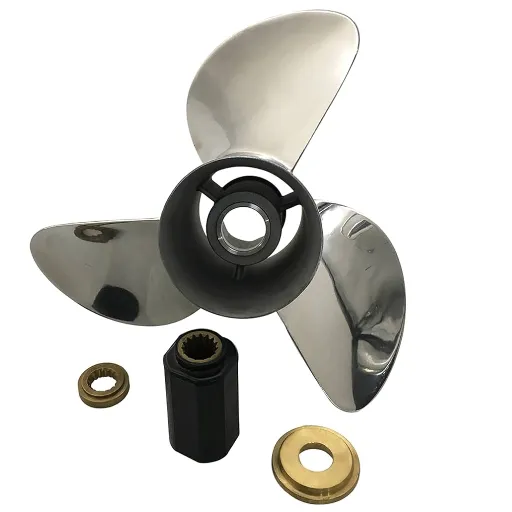
The problems with props can cause huge losses in a boat’s efficiency, fuel consumption, and speed. Excessive noise is one of the main signs showing that there is a problem which could mean that the propeller is not well done or installed, or even that it does not fit the engine specifications for the boat. It is very important to look for the damages like dents, cracks, or bent blades because even the smallest imperfections can lead to rough operation. The checks and maintenance increase the chances of good identification and problem-solving of the physical issues before they get worse.
The other typical performance issue is the slowness of the boat or trouble in reaching or keeping the desired top speed. Such a scenario is almost always associated with a propeller having the wrong pitch, which has a direct effect on how the engine gets to the optimum RPMs. A high propeller pitch makes the engine work hard and thus it operates below its maximum efficiency. The other way around, a low pitch causes the engine to over-rev, resulting in the possible destruction of parts. Trying different sizes or styles of propellers can fix these inefficiencies, thus, establishing a more propeller performance and engine capability synced better.
⚠️ Cavitation Warning
Another potential issue to be aware of is cavitation, which is the phenomenon caused by bubbles around the propeller blades. It can result in a reduced thrust and gradual blade breaking. Cavitation usually happens when the propeller is overloaded or is not properly matched with the boat’s setup. The solution could consist of lowering the propeller’s height, changing the broken pieces, or using a different design of a propeller that is more suited to the boat’s working environment. The combination of these troubleshooting tips with performance data gives boat owners a powerful tool for diagnosing and solving the root cause of problems and thus enjoying a smoother and more pleasant time on the water.
Common Propeller Failures and Solutions
The performance of a boat can be greatly affected by propeller failures which makes it absolutely necessary to identify easily the problems and come up with effective solutions. One of the most common failures is due to cavitation, this is when air bubbles get formed around the blades thus reducing thrust and eventually leading to the propeller surface getting damaged. Many times this problem occurs because of either wrong propeller size or blade shape, or due to engine speed being too high. In order to fix the cavitation issue make sure that the propeller is properly chosen for the specifications of the boat, and do not over-rev the engine while operating. Check regularly and maintain timely in order to stop deterioration.
| Common Failure | Causes | Solutions |
|---|---|---|
| Cavitation | Wrong propeller size, high engine speed, improper matching | Choose correct propeller, avoid over-revving, regular maintenance |
| Physical Damage | Hitting rocks, debris, shallow seabeds | Regular inspection, professional repair/replacement, use sturdy propellers |
| Corrosion | Saltwater exposure, lack of protection | Anti-corrosion coatings, sacrificial anodes, rinse with fresh water |
The other issue that is quite common is the propeller being damaged and needing repair because of hitting underwater objects like rocks, debris, or shallow seabeds. Such collisions can cause bending or cracking of the blades which results in vibrations, reduced efficiency, and even wear. For repairing structural damage, examining the propeller for signs of wear and then seeking professional advice is the best practice. Sometimes, if the damaged propeller is replaced with one that is sturdy and suit your boating area, it greatly enhances the performance and life span of the propeller.
Corrosion is by far the worst enemy of propellers, especially in the case of the aluminum ones, if there is saltwater around. Continuous contact with saltwater weakens the material and makes it unusable pretty fast. Employing various methods such as applying anti-corrosion coatings to the propeller, installing sacrificial anodes, and rinsing the propeller with fresh water after each use are some of the simple yet effective ways to fight this issue. All these preventative measures together with the knowledge of the basic causes of propeller failures give boat owners the boost to not only make their vessels more efficient but also extend the life of their equipment.
When to Seek Professional Help
Knowing when to ask for professional help with your boat’s propeller is very important for keeping your boat safe and efficient. If you experience strange vibrations or sounds while using the boat, the propeller may be off balance or damaged. These problems, if not handled, can grow and lead to damage to the engine or drivetrain of the boat. A professional can help prevent repairs that are more extensive and expensive if he is called in as soon as these signs appear.
🔍 Signs You Need Professional Assistance
- Strange vibrations or unusual sounds during operation
- Visible damage such as cracks, chips, or bent blades
- Significant drop in performance or fuel efficiency
- Uncertainty about propeller condition or compatibility
- Need for accurate repairs and balancing
Moreover, propeller damage that is visible like cracks, chips, or bent blades should be looked at right away. Even minor deformations can lead to a drop in the propeller’s performance and fuel efficiency as they have an effect on its thrust generation. A professional technician will know how bad the damage is and whether repair or replacement is the best option. Additionally, having the propeller maintenance done by professionals means that accurate repairs and balances will be done, which are needed for the best performance.
Professional routine servicing is also advisable if you are in doubt about your propeller’s condition or its compatibility with your boat. The technicians will be able to carry out thorough inspections, look for hidden structural faults, and confirm that the propeller is suited for your boat’s size, weight, and horsepower requirements. This preventive approach not only extends the life of your propeller but also makes sure your boat is running at its best, thus providing you with peace of mind on every trip.
References
- •
Yamaha Rigging Guide – NTI Now
This guide provides detailed information on rigging requirements for Yamaha models, including the F150, and discusses compatibility and propeller selection. - •
Yamaha Rigging Guide – UNICAH
This document explains the importance of pitch and diameter in propeller selection, specifically for Yamaha outboards like the F150. - •
Treasury Auction Document
This document mentions Yamaha F150 outboard motors and provides technical details, including propeller specifications. - •
Click here to read more.
Frequently Asked Questions (FAQ)
Q: What are the benefits of using a Yamaha F150 propeller?
A: The propeller of Yamaha F150 comes with a lot of benefits such as fuel consumption reduction, performance enhancement, and others. This is a propeller that has been custom made for Yamaha outboards thus a perfect match for different kinds of boats. It allows the boat to rise more in the front, which in turn makes the vessel very easy and stable to handle, particularly in offshore conditions.
Q: How does a four-blade propeller differ from a three-blade propeller for the Yamaha F150?
A: Yamaha F150 four-blade propeller can give you a quieter ride and better acceleration in comparison with a three-blade propeller. More surface area is provided which results in quick planing and better holding, especially in rough seas. Moreover, less cavitation is associated with four-blade propellers, thus resulting in a leaner and meaner performance.
Q: What is the ideal propeller pitch for a Yamaha F150?
A: A Yamaha F150 usually has its ideal propeller pitch in the size range of 15 to 19 inches that are to be specifically chosen according to the craft’s usage and type. Among the most critical things affecting pitch choice are weight, load, and speed. Online tools are available to facilitate selecting the best pitch based on these factors.
Q: Can I use a Yamaha F200 propeller on a Yamaha F150?
A: The compatibility of a few propellers across different Yamaha models is possible; however, it is always wise to go through the specifications first. The F200 Yamaha propeller might not be tailored to the F150’s strengths. It is proper to look for F150’s propellers by Yamaha not to miss the optimal performance.
Q: How does the Yamaha F150 propeller perform in offshore conditions?
A: The Yamaha F150 propeller has offshore conditions in its agenda from the very beginning. Its strong build and capacity to facilitate better bow lift enable the propeller to navigate through waves and rough waters without any hiccups. In addition, the propeller grants the stability and control of your boat thus a safer and more pleasant outing.
Q: What is the difference between a three-blade and a four-blade propeller for the Yamaha F150?
A: The three-blade propeller is meant for the maximum speed and performance whereas the four-blade one is more versatile and stable. The four-blade configuration will very often give you better acceleration together with a quieter ride, which can be a reason for its application for various purposes including recreational and commercial.
Q: How do I determine the right size Yamaha F150 propeller for my boat?
A: The right size Yamaha F150 propeller can be determined by analyzing the weight of the boat, the type of craft, and the intended use. Engine gearcases and speed requirements are also very important factors to consider. An online tool can assist you in finding the right propeller size and pitch that correspond to the parameters you provided for maximum performance.
Q: Are there special considerations for using a Yamaha F150 propeller with a V6 outboard?
A: The use of a Yamaha F150 propeller on a V6 outboard does need to consider the power and torque nature of the engine. The propeller needs to be appropriate for the performance increase that comes with a V6 engine so that the operation remains efficient and there is no excessive wear done to the gearcases. The best practice is to follow Yamaha’s recommendations for correct propeller choice.
Q: What type of craft is best suited for the Yamaha F150 propeller?
A: The best craft for the Yamaha F150 propeller would include, but not limited to, midsize fishing boats, pontoons, and recreational boats. The multifunctional nature of the propeller design means that it can meet quite a range of boating needs thereby it is very suitable for casual and serious boaters.
Conclusion
Selecting the right propeller for your Yamaha F150 outboard engine is a critical decision that directly impacts your boat’s performance, fuel efficiency, and overall boating experience. By understanding the fundamentals of propeller design, including pitch, diameter, and material selection, you can make an informed choice that aligns with your specific boating needs. Whether you prioritize speed, fuel economy, or versatility, taking the time to match your propeller to your boat type, usage patterns, and engine specifications will yield significant benefits on the water. Regular maintenance, proper storage, and timely troubleshooting further ensure that your propeller continues to deliver optimal performance for years to come. With the knowledge provided in this comprehensive guide, you’re now equipped to maximize your Yamaha F150’s potential and enjoy safer, more efficient, and more enjoyable boating adventures.