For the utmost in performance and longevity for your Yamaha PWC, you must know and understand the components that raise its efficiency. Deeply situated and almost forgotten by some fun riders is the impeller, the profoundly central unit comprising the propulsion system. Here lies the gist: swinging an impeller at reverse offers the force that, in turn, thrusts your waverunner forward across the wakes. Whether you’re trying to become a gutsy speedster or a leisure-time casual waver, this knowledge should come with the skill to take care of your impeller—a skill that brings performance change. Accordingly, this article will cover everything you need to know about the Yamaha PWC impeller so that your watercraft always stays smooth and operational.
What is an Impeller?
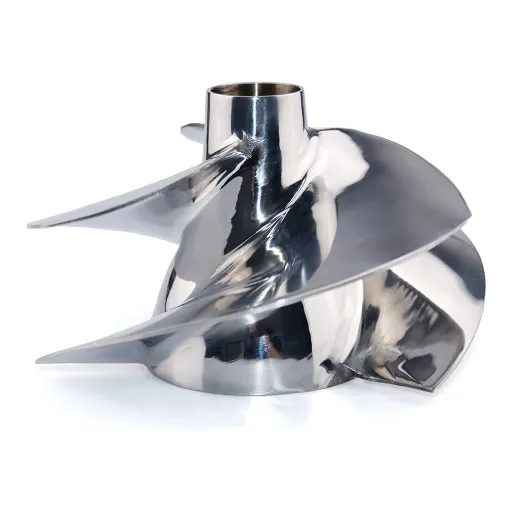
Definition and Function of an Impeller
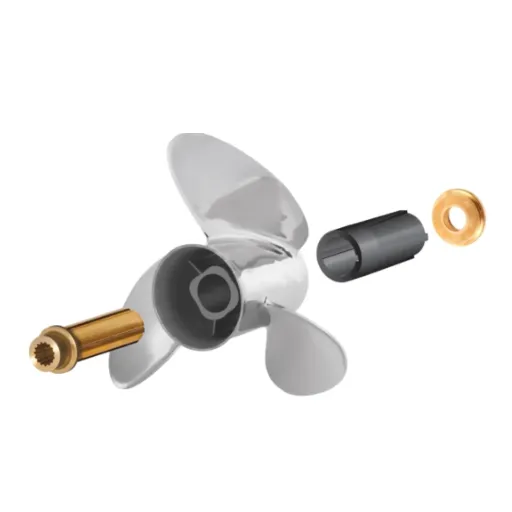
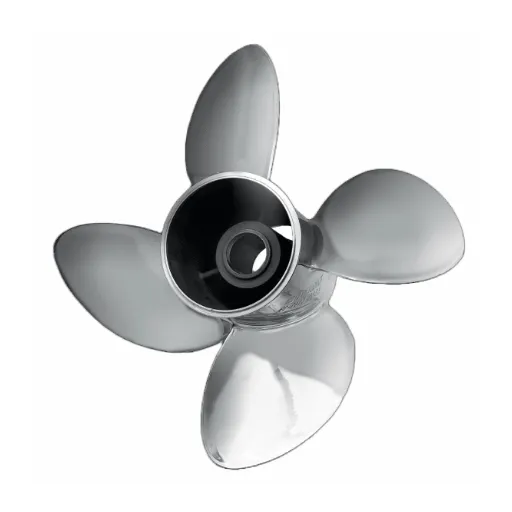
Beside a jet ski’s propulsion system, an impeller is one of the primary components of watercraft, designed to smoothly impart movement and speed to this craft. It is essentially a rotating wheel with blades around it. The device presents an essential element in pulling water and throwing it out forcefully to generate thrust. The impeller operates inside a housing by acting as a pump; thrust is thus generated necessary to move the jet ski forward.
The in-and-out movement of the impeller means that its job is to transform engine power into water movement. When an engine runs, the impeller rotates at very high speeds to thereby suck in water through an intake and push it forcefully its way out through a rear nozzle. The thrust created by this process now propels the jet ski over the water. The design and condition of an impeller can significantly affect the overall performance, speed, and maneuverability of a jet ski. A worn or damaged impeller can significantly hamper jet ski efficiency, preventing smooth operation.
💡 Key Insight
When it comes to the efficacy of Yamaha jet ski, selecting the proper impeller is the most important factor. This factor depends on its design and model, which are generally made for particular uses such as high-speed racing and durability for recreational pursuits. Maintenance is also an essential consideration for the life and longevity of the impeller, alongside the cleaning procedure and the constant examination for debris and damages.
Role of the Impeller in Yamaha Jet Skis
The impeller is one of the most critical parts to keep Yamaha-like, in giving the ski mechanical propulsion at full motion. The impeller is responsible for accelerating the water that has been dragged into the intake, thrusting the craft forward. A properly applied and maintained Yamaha impeller delivers full-speed operation, performance, and handling despite any notable imperfections in the surrounding water.
⭐ Key Functions of the Impeller ⭐
- Propulsion: It transforms motor power into water thrust, churning forward motion.
- Speed: Enhances the speed through acceleration and performance, and is individually tuned to individual jet ski models and requirements.
- Efficiency: Reducing friction which means efficient power usage, impeller improves water flow.
- Handling: Consistent thrust to insure stability and pleasant performance in various water conditions.
- Durability and Reliability: The correct impeller chosen with proper maintenance helps avoid performance problems and extend the jet ski’s life.
Types of Impellers Used in Jet Skis
One will generally find an array of impellers in general practice about jet skis. The aim, in this instance, is to modify the specific operational characteristics of impact-dependent and other types. Varieties will include standard, high-performance, and possibly even double impellers. Impellers vary depending on their use as to what riding style is practiced and under what water conditions, and users get the most best riding experience in return.
| Impeller Type | Description | Best For |
|---|---|---|
| Standard Impellers | Commonly used and found mostly fitted on the OEM jet skis. They systematically extend the balance of speed, acceleration, and fuel economy. | Leisure riders who prefer a smooth, accomplished functioning on quiet water. |
| High-Performance Impellers | Benefits from being more advanced intended riders, which makes way for speed and acceleration. Such types mostly have more refined blades and materials for better water flow and thrust. | Riders running under heavy engineering conditions or very demanding conditions. |
| Double Impellers | Made to offer a maximum amount of power and adhesion in water. Used together, the two impeller units provide better acceleration than a single unit, thereby reducing cavitation. | Heavy-loaded watercraft in tow or situations requiring increased thrust and control. |
The choice depends on how you utilize your watery rides. Regular maintenance and proper treatment will enhance the efficiency of the craft, no matter what impeller used.
Signs Your Yamaha Impeller Needs Replacement
Decreased Performance and Speed
One of the most obvious signs of needing an impeller replacement from Yamaha occurs in the form of slacking performance and speed. If the PWC of yours has trouble to reach the desired velocity, and if the boat can’t keep that velocity, then the impeller itself could have worn off or damaged. For some time then, no watercraft could cope with all that debris, sand, or even small rocks churning up everything on its own impeller outlet. Consequently, with this turbulent flow of water through the blade impellers, its ability to push water through effectively is first sliced then diced.
⚠️ Warning Signs
- Difficulty in planing, meaning the hull takes longer to rise up on free-floating trim-like movement
- Engine RPMs shooting up, but the watercraft essentially gains minimal speed
- Reduced watercraft performance affecting the cooling system
In the owner’s manual, the recommended time frame will change per boat use conditions. Inspection of the wear ring at the same time as the impeller will prove invaluable since failure with the first will slow you down big time. One can always be on the lookout for impeller problems themselves in order to maximize the uses to which the Yamaha is accustomed, in leisure water time, during water fun.
Unusual Noises and Vibrations
Any unusual sound emanating from your watercraft while under operation is symptomatic of possible underlying issues; matters of this nature can sometimes call not only for the need of extra caution but also a careful examination of the source. In all these cases of mechanical functional operations, grinding or knocking or high-pitched whining sounds on the move are high-priority indications of problems including wear and tear from damage to an impeller, might result from loose parts on the motor, or be something rooted in the jet pump assembly.
🔧 Common Causes of Vibrations
- Debris lodged in the impeller
- A busted driveshaft
- Misalignment of the driveline
- Loose or damaged fasteners
To ensure that all systems perform at optimum levels, the owner must recognize and anticipate maintenance needs for a Yamaha personal watercraft. This will involve using recommended guidelines from the manufacturer to check key components liable to cause unusual noise or vibrations. Vigilance and prompt action when a watercraft begins to exhibit new noises or vibrations could save time, money, and guarantee your Yamaha personal watercraft is expected to maintain smooth and reliable performance.
Visual Inspection Indicators
✅ Visual Inspection Checklist
- ☑ Hull examination for cracks, dents, or pitting
- ☑ Water intake grille and jet pump for debris
- ☑ Impeller and housing condition (worn blades, chipped points)
- ☑ Impeller freedom of motion (no moss, rocks, or materials)
- ☑ Seals and gaskets of the pump and motor compartment
- ☑ Electrical systems and fuel system connections
- ☑ Battery terminals and harnesses for corrosion
- ☑ Fuel lines for deterioration or damage
With appropriate inspection and preventive maintenance in place, the life expectancy of the Yamaha watercraft will see significant growth. Use energy-efficient fuel and fuel conditioners for the minimization of potential clogs or residue buildup within the system.
Replacing Your Yamaha Jet Ski Impeller
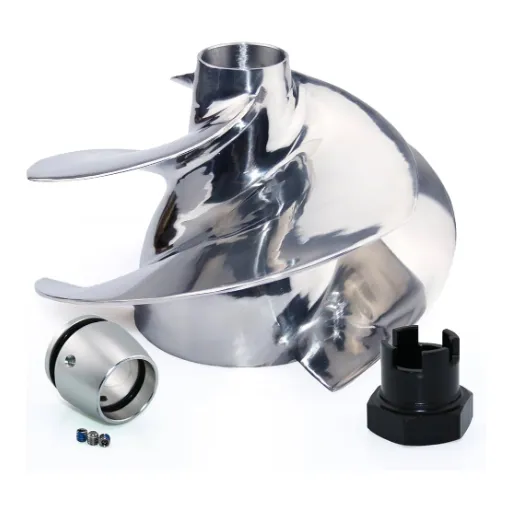
Tools and Materials Needed for Replacement
| Tool/Material | Purpose |
|---|---|
| Socket Wrench | Loosening the bolts keeping the impeller |
| Impeller Removal Tool | Safely remove the impeller from the jet pump assembly sans damage |
| Thread Locker | Provide grip that bolts need, never to go loose again through vibrations |
| Grease or Anti-Seize Compound | Providing lubrication and protection for reassembly |
| Torque Wrench | Ensure bolts are correctly torqued to factory specified values |
| Rubber Mallet | Gently cajole recalcitrant components |
| Service Manual for Your Model | Offer specifications and step-by-step instructions for your Yamaha Jet Ski |
| Protective Gloves and Safety Glasses | Personal safety during the replacement process |
Step-by-Step Guide to Impeller Replacement
1Preliminary Set-Up and Safety
Make sure to have the hull of the Yamaha Jet Ski positioned on a firm and well-leveled surface or properly cinched down to a jet ski stand. To prevent any accidents, disconnect the battery. While doing this, be sure to don your gloves and safety goggles to protect your extremities from any sharp metal edges or debris.
2To Remove the Pump Assembly
At the transom, locate the pump housing situated at the rear of the jet ski. Unscrew the pump assembly from the jet ski. Make sure your jet ski model now needs to be parted from the steering and reverse linkages. Once all the pieces are separate, slide the pump assembly out with due caution, mindful not to harm the internal insides.
3Inspect the Pump and Impeller
Once the pump assembly is removed, start seeking out where the failures are by inspecting the impeller and the surrounding areas. While there, pull out those of routine claim for causing performance-inhibiting debris that might’ve been lodged there from hours of skiing. If you find any such instance of damaged impeller beyond a potential byte, move toward the replacement.
4To Remove the Impeller
The tool for removing the impeller and the pump assembly is immobilized in a vise for stability of the ration. Turn the impeller counterclockwise before removing the sheave, to avoid stripping the threads or any undesirable contact with other parts.
5Install the New Impeller
In preparation for future removals, apply an anti-seize grease on the threads of the sheave. Screw the new impeller on the shaft, and tighten it with the removal tool. Insure that this is properly aligned so it will not cause operation problems.
6Reassemble the Pump Assembly
Carefully assemble the pump assembly, tightening all bolts to the manufacturer’s stated torque values as provided in your service manual. Reconnect all linkage connection, such as steering and reverse mechanisms. Test them for proper adjustment and operation.
7Perform Final Checks
Reconnect the battery and test the impeller on a flush kit (if installed), or in controlled water space by starting the jet ski up. Inspect for any unusual vibrations, noises, or poor performance.
With proper attention to detail to fulfill the different facets of this task, anyone can replace their Yamaha Jet Ski impeller in an efficient manner that will help in maintaining better performance as well as in enhancing the life of the watercraft.
Safety Precautions During Replacement
🛡️ Essential Safety Tips
- Disconnect the Battery: Prevent electric shock and inadvertent engine activity
- Secure Placement: Position jet ski on a level surface to prevent wobbling or movement
- Wear PPE: Prescribed goggles, gloves, and closed-toe boots
- Tool Condition: Ensure tools are in good operating condition
- Well-lit Workspace: Remove clutter and potential hazards
- Follow Manual: Adhere to product-specific guidelines and torque specifications
In case for any reason you seem to have failed in finishing things, skillful marine mechanics should complete the operation while securing your own protection. With these measures in place, you’ve better insulation from the likelihood of getting hurt besides giving a good service to the new propeller.
Recommended Yamaha Impeller Models for Different Jet Ski Models
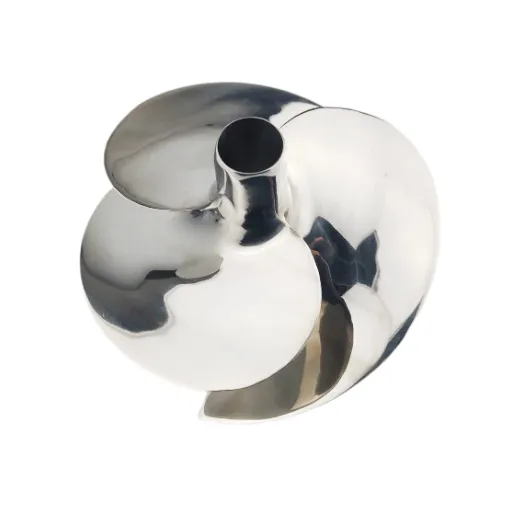
Best Impellers for Yamaha Twin Jet Skis
When selecting the best impellers for Yamaha twin skis it is important that consumers must consider certain factors. These factors will usually include the kind of engine power these twin jet skis have, where one is using it and finally the conditions of the waters.
| Jet Ski Model | Recommended Impeller | Best For |
|---|---|---|
| Yamaha FX Series | Solas Concord 13/19 | Speed performance – best acceleration and highest top speed for professional racers and high energy performances on smooth waters |
| Yamaha VX Cruiser | Solas Dynafly 12/18 | Versatile performance – better fuel efficiency with improved propulsion in rough waters; suitable for casual riders or families |
An understanding of impeller specifications is accomplished by achieving a match with jet skis of desired engines for increased efficiency. It will always be best taking guidance from the manual of your jet ski or a marine professional one can trust to be certain of being on the safe side.
Top Impeller Choices for Single Jet Ski Models
If it’s important to improve the performance of an individual jet ski model, choosing the right impeller can do a lot to affect the jets’ speed, acceleration, and even the savings on fuel efficiency. According to reviews from users and expert propaganda, the following mention-worthy impellers are specifically made for single jet ski models:
🏆 Solas Concord Series
Boasting the very highest acceleration and top-end speed among many options on that market for single jet skis, the Solas Concord is largely a preferred impeller. It is made of high-quality stainless steel; this offers strength and anti-corrosion resistance. Riding in these stages invariably reveals steadier and most fuel-efficient rides, triggering equal interest in recreational and competitive racing circuits alike.
🌀 Skat-Trak Swirl Impeller
Widely recognized for its ability to make powerful low-end torque, the Skat-Trak Swirl impeller is pretty darned good for quick-wave maneuvers, particularly for those riders who must surely be looking for quick acceleration. The design is meant to give some control over the ski when cornering, as well as create some stability when the chop sets in. As such, this style of impeller is well-suited to the single rider, who wants the ability to move quickly and control it all at the same time.
🔧 Impros Hooker Impeller
The Impros Hooker impeller is a solid option for those who want to better their craft’s stock performance. It will produce a truly high performance and will let you maintain good grip even in aggressive conditions. It is a great choice across a wide array of types, from cruising to towing water sports toys, thus making more of a “one size fits all” selection.
⚡ Riva Yamaha Performance Impeller
The Riva Yamaha Performance impeller suits directly Yamaha single models for a speed between acceleration and top speed. This Impeller is designed specifically to maximize water flow and minimize cavitation, thus enabling the rider to ride smoother and uncontested.
Each impeller performance choice is not about individual standouts; rather, performance is the key issue. Consequently, picking the right one will depend on individual rider needs and water conditions. Always refer to product specifications and compatibility guidelines to ensure proper fit and function for your specific make and model of PWC.
Maintaining Your Yamaha Impeller
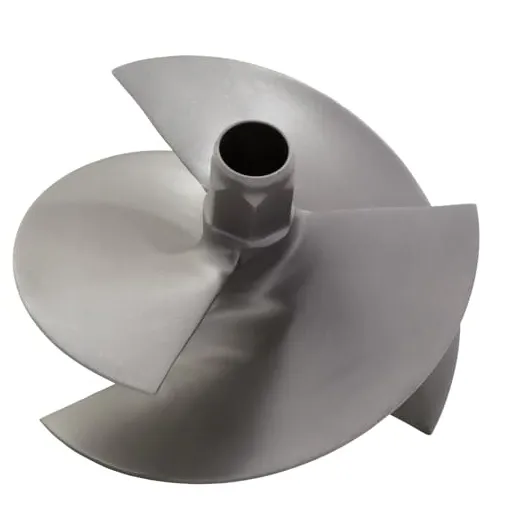
Regular Maintenance Tips for Longevity
In order to make sure that the impeller imparts long durability in service and sets up for perfect performance, it is of utter importance one maintains it on regular basis. Inspecting the impeller to see if it may show any signs of damage or wear during backward installment after several-time rides is the first move. Maybe make sure to inspect the blades for any bending, cracks that might ensue within the impeller housing, or foreign objects due to any constraints of effective functionality of the item or further potential damage to the propulsion.
🔍 Maintenance Best Practices
- Regular Inspection: Check for damage or wear after several rides; inspect blades for bending or cracks
- Fresh Water Rinse: Clear out salt, sand, or debris buildup, particularly after saltwater or grimy environments
- Monitor Clearance: Check gap between impeller and wear ring; replace if beyond manufacturer’s recommended range
- Lubricate Bearings: Use marine-grade lubricants as recommended by Yamaha
- Check Drive Shaft: Inspect for damage or corrosion regularly
- Proper Storage: Store jet ski in a dry place with a cover for environmental protection
Another essential and important maintenance practice is monitoring the clearance between the impeller and a wear ring. This gap starts to enlarge with time and use of the pumps either due to the presence of abrasive material or dry operations, thereby leading to cavitation and compromising the overall functionality of the pump. Precisely, if beyond the recommended range allowed by the manufacturer, the clearance should be considered for a wear ring or impeller replacement to bring it back into its working optimum. The use of a feeler gauge to make an easy comparison leaves no quantitative doubts.
How to Clean the Impeller and Shaft
1Safety First
Ensure that the jet ski is out of the water and parked safely on dry land. Disconnect the battery to prevent an accidental start-up.
2Access the Area
Taking great care, remove the intake grate to expose the impeller and shaft area thus requiring a few tools in place. In most cases, either a wrench or screwdriver may be needed, depending on the ski’s brand.
3Remove Debris
Check this region for debris (e.g., seaweed, plastic, or unidentified matter) that may be blocking the impeller or shaft. Such debris is safely and thoroughly drawn out through either your hands or a soft-bristled brush while taking care not to damage the surfaces.
4Clean and Inspect
If there is dirt or grime accumulation, everything is rinsed carefully using mild marine-safe cleaner or with fresh water. While cleaning, make an effort to look carefully at the impeller and shaft for signs of wear, like nicks or warping, because some form of wear is likely to impair performance.
5Reassemble and Test
Reinstall the housing components, ensuring everything is secure. Reconnect the battery, then run it very briefly on land to make absolutely certain everything is turning without issues.
💡 Pro Tip: Cleaning the impeller and shaft occasionally not only puts more speed into the jet ski, but saves repairs that are expensive; hence why keeping it shipshape every time is good practice.
When to Seek Professional Service
Routine maintenance on your jetski may often be performed in-house on your own accord, but there are days when the need to have your jetski professionally serviced simply becomes imperative. If you’re hearing unusual noises, notable vibration, lack of power, or any of its variations with such terms while the jet ski is running, it could be pointing toward some more serious internal issues, darkening within the typical perimeter of wear and tear like cylinder and bearing dropping or even misfiring.
⚠️ When Professional Help is Essential
- Unexpected Shutdowns: Intermittent shuddering and stopping requires immediate expert attention
- Electrical Problems: Best identified using diagnostic equipment and knowledge of wiring systems
- Ignition Issues: Requires specialized troubleshooting expertise
- Fuel Flow Problems: Bad fuel pump or fuel injectors need professional diagnosis
- Heavy Usage: Regular professional service for heavily-used watercraft
- Annual Check-ups: Wise to subject to professional inspection once yearly or before long-term storage
Skilled technicians with proper equipment and know-how can quickly identify and rectify these problems that may just save your jetski from experiencing greater harm. Working on electrical problems without proper knowledge can further exacerbate the situation or become hazardous. An investment squeezed for numerous years by regular, timely professional service would be worth small amounts compared to the jet ski; time and storytelling thereafter will justify the relatively expensive repair.
References
-
MIT DSpace: A thesis detailing the design and manufacturing of an electric drivetrain for a Yamaha Wave Venture 760 Personal Watercraft (PWC).
-
Digital WPI: A study on the innovation of electric jet skis, discussing the role and effectiveness of impellers.
Frequently Asked Questions (FAQ)
❓ What indeed is Yamaha jet ski impeller and why even does it matter?
Impeller refers to the component within the jet pump that works by pushing the water outwards which in turn propels the engine. The impeller is different in every Yamaha model. It has a direct impact on the torque, speed and fuel efficiency. It is definitely recommended that you maintain or change impellers on your Yamaha jet ski for better performance.
❓ How do I correctly know my Yamaha jet ski impeller needs a replacement?
The individual blades may get jammed when the jet ski is affected by the impeller, and this can stop the water flow or cause loss of acceleration. The best occasion to go for Yamaha jet ski impeller replacement may be noticed when regular maintenance is run on it, after running in shallow water or when debris clean-up tasks do not restore earlier performance conditions. On such occasions, it would be advisable to fit the impeller kit or Yamaha impeller parts.
❓ How exactly do filters and polishes affect impellers?
The fact is that keeping the sieve clean, the intake grate and the way it enters the pump body as clean as possible will help eliminate cavitation, which damages the saltwater impeller of Yamaha personal watercraft. Slightly better polish on the pump rockers or the throat plates would create less drag that would help water flow more freely, making impellers run better. Regular maintenance with good filters and cleaning products will go a long way in eliminating wear on the impeller.
❓ Do impeller options exist differently for two-stroke Yamaha jet skis versus those of the four-stroke types?
Yes, 2-stroke and 4-stroke Yamaha models often require different impeller designs due to engine power curves and torque characteristics. When selecting a Yamaha jet ski impeller, ensure it is specified for either a 2-stroke engine or a 4-stroke engine, and choose impeller components or kits specifically tuned for your engine for best performance.
❓ What do I have to consider when changing the impeller plate or hub?
Before purchasing a plate or hub, look at the dimensions and mounting pattern of your Yamaha jet ski impeller. Upgrade plates may need to be fitted for good pump alignment so as to make sure that the torque used to attach the bolts is the right one. Impeller kits are always to be used with their proper accessory plates, which may also influence flow and angle of thrust.
❓ Does it pay dividends to go for aftermarket impeller kits or should I use OEM parts only?
Aftermarket options provide lesser cost and better speed options like 1.8 or better materials, while OEM Yamaha impellers ensure a precise fit and reliability. Choose according to how badly you want an upgrade or if you would rather select guaranteed service availability and compatibility.
🌊 Keep Your Yamaha Running Smoothly! 🌊
Regular impeller maintenance and timely replacements ensure optimal performance, safety, and endless enjoyment on the water. Stay proactive with your watercraft care!