Each element is of utmost importance when trying to achieve the best possible performance of your boat—the propeller is among the few that could be considered the most important. The Yamaha Reliance Series propellers have gained a solid reputation with their premium quality craftsmanship and innovative design, making them the number one choice for both amateur and professional boaters. But there is a question of how to find the right one suited for your needs among the plethora of options. This guide is going to introduce you to everything you need to know about the Yamaha Reliance propeller, including its state-of-the-art features and tips on choosing the perfect option for your watercraft. If you are looking for better speed, efficiency, or control, then you are right where you need to be to make the right choice.
Understanding Yamaha Reliance Propeller
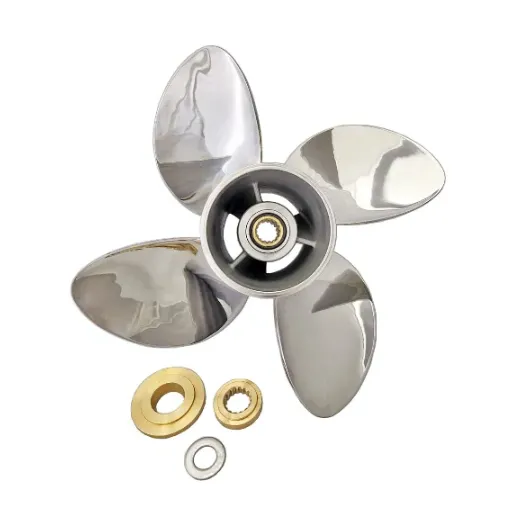
What is the Yamaha Reliance Prop?
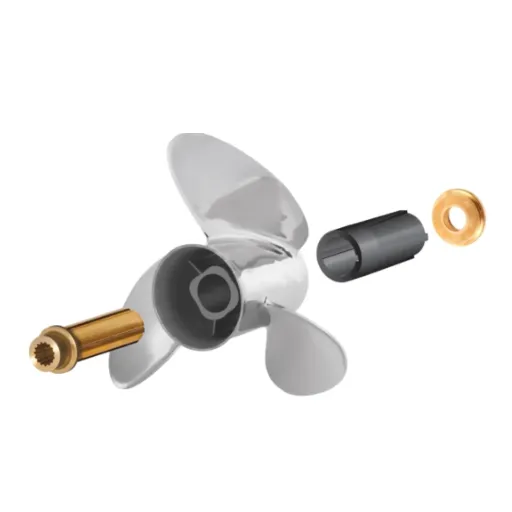
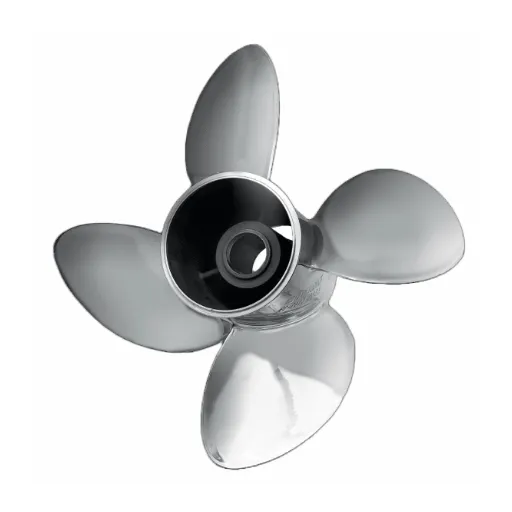
The Yamaha Reliance Prop is a top-notch propeller tailor-made for Yamaha outboard engines. Crafted from high-quality stainless steel, the propeller promises to offer great efficiency, speed, and handling. Its design enhances acceleration and mid-range performance, thus becoming the choice of the boating community across the board.
What makes the Yamaha Reliance Prop one of the best is the shape of the blades, which has been carefully perfected to lower the amount of ventilation and maintain a good grip in turbulent water. As a result, the propeller ensures operation that is smooth, economical with fuel, and offering overall control that is better, especially during high-speed turns. The propeller’s soft performance is another feature as it is known for making noise and vibration very low to the extent of providing a better boating experience.
The Yamaha Reliance Prop comes in different sizes and pitches where boat operators can make their selection based on the watercraft and the performance they desire. If you want to increase maximum speed, save on fuel, or have a balanced combination of all these, then this propeller is designed to help you with your goal while being in harmony with Yamaha’s strong and efficient outboard motors.
Key Features of Yamaha Reliance Propellers
Enhanced Performance
Yamaha Reliance Propellers are made specifically for exceptional speed and acceleration, guaranteeing top-of-the-line performance for different boating activities. These props not only decrease drag but also increase thrust, which ultimately helps boaters get the ride on water as smooth and efficient as possible.
Durable Construction
Top-quality stainless steel is used in the manufacturing of Reliance propellers, giving them great durability and resistance to corrosion. They are perfect for marine use in very harsh environments as the strong construction provides long-lasting performance; thus, they can be used in both fresh and saltwater.
Precision Engineering
Yamaha Reliance Propellers with precision-engineered designs reduce vibration and noise, thus making the overall boating experience better. Their performance, which is balanced and consistent, adds to the comfort and enjoyment of time spent on water.
Wide Range of Sizes and Pitches
In order to satisfy the various needs of boaters, Yamaha Reliance Propellers come in numerous sizes and pitches. This flexibility enables users to adjust their setup according to the performance they desire, whether it is higher speed, better fuel economy, or just reliability across the board.
Optimized for Yamaha Outboards
These propellers made with Yamaha outboard motors in mind are perfect for the latter’s engine potential. They allow for smooth compatibility, better efficiency, and the unlocking of the complete power of Yamaha’s cutting-edge outboard technology.
Benefits of Using Yamaha Reliance Propellers
⚡ Key Performance Benefits
Enhanced Fuel Efficiency
Yamaha Reliance Propellers accomplish reduction in fuel consumption by enhancing the thrust-to-weight ratio, which in turn leads to cutting down of fuel bills at the same time upholding performance smooth and steady over a long period. Yamaha’s tests imply that users will gain up to 10% more fuel efficiency over standard propellers.
Improved Acceleration and Speed
With precision engineering, these propellers not only result in faster acceleration but higher top speeds as well. The advanced blade design gives power that is smoother and more efficient, so quicker plane times and better overall performance are possible.
Superior Corrosion Resistance
Yamaha’s exclusive corrosion-resistant coating and high-grade stainless steel are the two basic elements of the propeller’s long life even in the most difficult marine environments. This gives them the umbrella of substitutes, whether for saltwater or freshwater conditions.
Precise Maneuverability
The shape of Yamaha Reliance Propellers facilitates superior control and stabilization of the boat during sailing, consequently making the handling of tight turns or navigation through difficult areas much easier. This accuracy opens the door for safer usage, which is especially needed in turbulent waters.
Reduced Vibration and Noise
The engine operates with low vibration and noise levels due to Yamaha’s unique design and as a result, the whole experience is smoother and quieter for the user. This is especially useful in case of long-distance trips or recreational activities.
Exploring Propeller Rotation and Performance
Impact of Rotation on Boat Performance
The spinning of a propeller is the major decisive factor in the overall performance and efficiency of a boat. The type and direction of propeller spinning can have a varying impact on factors such as speed, stability, maneuverability, and fuel consumption. Here are the five main impacts of propeller spinning on boat performance:
1. Directional Stability
The stability in the direction of the boat is influenced by propeller spinning. A single rotating propeller can make the ship slightly shift to one side, which is compensated for either by switching the steering or by using more ingenious hull designs.
2. Turning Efficiency
The direction of propeller rotation affects the smoothness and sharpness of the turns a boat could possibly make. To be more precise, the turning of a clockwise or counter-clockwise propeller can determine how tight and steady a turn can be made, especially in the course of speeding up.
3. Fuel Efficiency
The good rotation reduces drag and improves thrust and that is why the fuel used is less. Counter-rotating propellers are dual propellers having opposite rotations and are used quite often to enhance efficiency and avoid power loss.
4. Vibration Reduction
Vibration during operation can be lessened to a great extent by having the proper synchronization of propeller rotation, thus making it possible to have a smoother and more pleasant experience for passengers and crew.
5. Thrust Optimization in Various Conditions
The type of spinning directly influences the distribution of thrust, particularly in difficult water situations, such as heavy waves or currents. The use of counter-rotating propellers to balance the force is common practice as it leads to better overall propulsion and stability.
All these factors give the reason why it is so important to know and choose the right type of propeller rotation so as to take full advantage of the performance and handling of boats under different operating conditions.
Matching Propeller Rotation with HP Requirements
In selecting the best propeller rotation type for a boat, one of the most important considerations is the horsepower (HP) requirements of the engine. Engines with higher horsepower usually generate large torque, thus making the propeller rotation choice very necessary in achieving stability and control. A system of counter-rotating propellers, for example, can reduce the torque effect in a powerful installation and completely balance the thrust, thereby improving the handling and performance of the boat.
Twin-engine combinations with counter-rotating propellers can ease maneuvering and power consumption, especially in difficult conditions, like towing, or in applications that require high speeds. Manufacturers usually suggest specific rotation patterns based on the engine’s power and intended use in order to achieve maximum efficiency and minimum wear on both engine and component parts.
It is very important to understand these specifications and match them to the boat’s operational profile in order to ensure better fuel economy, smooth operation, and longer lifetime of the propulsion system. Changing the rotation type according to the prescribed HP not only gets better performance but also increases safety and reliability in a variety of water conditions.
How to Choose the Right Rotation for Your Vessel
🎯 Selection Guidelines
- Consider Engine Configuration: Start by evaluating your vessel’s engine type and propulsion system. Your boat’s engine configuration and the performance it is aimed at will mainly determine the rotation direction—standard (right-hand) or counter-rotating (left-hand). A single-engine layout usually needs standard rotation only. On the other hand, in a twin-engine configuration where one propeller is standard rotation and another counter-rotating, you get balanced thrust and simultaneously eliminate torque steer, thus getting better control and stability.
- Evaluate Operational Purpose: The next factor for consideration is the operational purpose of the vessel. For recreational boating and light-duty applications, standard setups are often a good choice. In case the boat is going to be engaged in high-performance or commercial usage, make sure to rotate the setup as per the vessel’s workload to enhance power consumption and reliability. The direction of rotation is directly influenced by factors such as load capacity, cruising speed, and maneuverability.
- Consult Manufacturer Guidelines: Refer to the boat manufacturer’s guidelines and get in touch with professionals to be sure that you are making the right decision with respect to your vessel. It is very important to understand the compatibility between the rotation type and the technical specifications of the engine as well as the propeller. By doing so, you keep performance at its best and at the same time, you do not put unnecessary strain on the propulsion system, which will, in turn, lead to safer and more enjoyable boating experiences.
Popular Applications of Yamaha Reliance Propellers
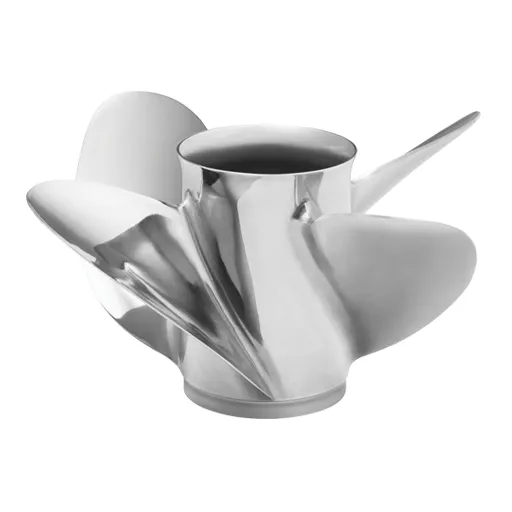
Best Practices for Different Boating Scenarios
Adapting one’s sailing strategy depending on water conditions and activities is a must for both safety and performance in different boating situations. The approach for smooth water cruising is to keep the speed moderate and proper weight distribution to get the best fuel economy and easy handling. Whereas, for such urban activities as wakeboarding and water skiing, the use of a propeller designed for rapid thrust and mid-range performance like the Yamaha Reliance series can make propelling and powering your activity easier hence more fun.
💡 Pro Tips for Various Conditions
- Shallow Water Fishing: When fishing in shallow or uncertain waters, better control and more maneuverability will be achieved by reducing your speed and being very attentive to your environment. Doing so will allow avoiding hitting anything and lessening the effect on the habitats.
- Rough Water Navigation: During rough and choppy boating, it is very important to reduce speed to avoid capsizing and at the same time consider using a prop with a higher pitch since it can give better traction and less cavitation.
- Regular Maintenance: The regular servicing and checking of your propeller and engine systems are key factors in remaining safe and performing consistently in different scenes. It is always wise to adhere to the manufacturer’s instructions and also get insights from reliable sources as this would enable you to adjust your setup for the most favorable results, irrespective of the surrounding.
Yamaha Reliance Propellers for Various Vessel Types
The selection of Yamaha Reliance propellers is such that it includes the whole gamut of vessels from the smallest to the largest types. These propellers are a perfect match for fishing boats, runabouts, and pontoons, and they all end up sharing the same traits: great thrust, speed, and fuel economy. Quality materials are used in the manufacturing process of these propellers and thus the life of each unit is guaranteed even during tough conditions.
🎣 Fishing Boats
Yamaha Reliance propellers are good for the utmost control and are capable of letting operators perform quick turns which are necessary for getting into and out of tight spots or pursuing fish.
🚤 Runabouts
Runabouts will get faster tops and smoother acceleration which are perfect for waterskiing and cruising.
🛥️ Pontoons
Pontoons will be impressed with better lift and less resistance they are getting in return for keeping the rides stable even when the weights are at their maximum.
Yamaha’s company has been ingenious in adopting the latest technology like varied rake angles and deep cup designs, which have led to the reduction of air bubbles’ interference and to the grip of the propeller being the best in water. This has thus enhanced the propeller’s adaptability to various engine configurations both single and twin outboards which has made the solution very widely accepted in many areas of boating. Whether you’re in need of handling that is also superior, fuel consumption that is very efficient, or strong performance, Yamaha Reliance propellers give you a reliable option to enjoy your marine experience fully.
Maintenance and Care for Your Yamaha Reliance Propeller
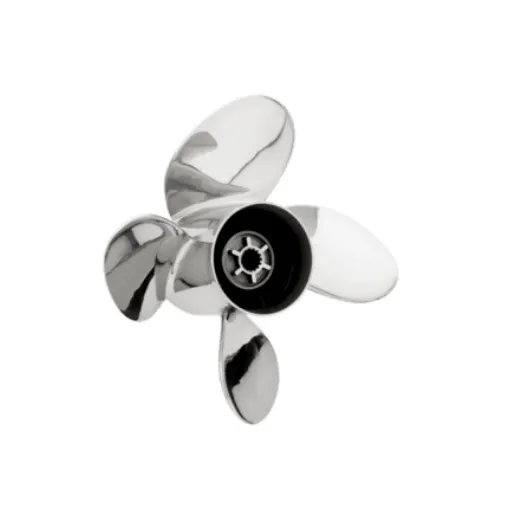
Routine Maintenance Tips
The proper upkeep of your Yamaha Reliance propeller is crucial in order to have the best performance and years of service. Some main tips are given below:
✓ Essential Maintenance Checklist
Inspect Regularly
After each use, examine your propeller for damage such as dings, fissures, or corrosion. This way, you will catch any problems at an early stage and thus avoid dealing with larger issues later on.
Clean Thoroughly
Use freshwater to wash the propeller after every use, especially if you have been in saltwater. This helps to get rid of salt and any other materials, hence preventing corrosion and accumulation.
Lubricate Moving Parts
Every so often, put marine-grade grease on the propeller shaft to make sure that it works smoothly, that rust is prevented, and that future dismounting is easy.
Check Propeller Nut
Always make sure that the propeller nut is not only tightened properly but also secured. An unfastened propeller can cause performance issues or even loss while in operation.
Monitor Performance
Keep an eye on any performance changes such as odd vibrations, lower speed, or higher fuel consumption, as these might be signs of propeller damage or imbalance.
Remove for Inspection
At least once a season, take out the propeller to see if there are fishing lines or debris around the shaft. Doing so can lead to the prevention of wear on seals and bearings.
Following these periodic maintenance practices will not only help you preserve the life of your Yamaha Reliance propeller but also keep it working at its best for a long time.
Identifying Damage and Wear
The performance of your boat might significantly decline and you might have to face repair costs if you don’t take action on propeller damage and wear quickly. Damage to the propeller can be indicated by a number of signs, the most common being visible dents, cracks or chips on the blades, and if a propeller is rusty or has pitted spots on it. Also, it is important to regularly check the propeller for roughness or distortion, as even small irregularities can change the water flow and cause a decrease in the propeller’s efficiency. Moreover, shading of the blades or discolored areas might point out a problem with the propeller’s alignment or the materials used in making it.
⚠️ Warning Signs of Propeller Damage
- Visible Physical Damage: Dents, cracks, chips, rust, or pitted spots on the blades
- Surface Irregularities: Roughness, distortion, or uneven blade surfaces
- Discoloration: Shading or discolored areas indicating alignment or material issues
- Vibration Issues: Unusual vibrations that may signal blade deformation or imbalance
- Performance Changes: Lower speed or increased fuel consumption
Another frequent problem is the imbalance of the propeller which can result if one or more blades have been deformed or damaged badly. Unbalanced propellers do not only cause vibrations but sometimes the vibrations become so severe that they may inflict harm on the engine and transmission of the boat. It’s important to note that these vibrations may signal the existence of other problems and thus, you should take care of it right away.
Subtle damage that might not be seen with the naked eye can be pinpointed with the use of accurate instruments such as pitch blocks or dial indicators. Besides that, together with modern diagnostics and maintenance knowledge from trusted sources, you can keep your Yamaha Reliance propeller in top shape. One can even keep track of performance statistics using mobile apps and special sensors as part of the latest technology, thus the problems can be discovered and the fights dealt with before they escalate. Regular maintenance and effective diagnostics will go a long way in keeping your propeller working optimally and improving your overall boating experience.
When to Replace Your Propeller
The decision of replacing a boat’s propeller is a very important one since it will affect its performance, efficiency, and safety. There are numerous signs that one can look for when judging the need of such a replacement. One of the first signs is the presence of physical damage which can be in the form of cracks, bent blades, or chipped edges. These defects can upset the propeller’s balance and hydrodynamics, thereby causing a reduction in speed, an increase in fuel consumption, and vibrations that can eventually damage other parts. Even small damage can eventually lead to a situation where the repair cost is higher than the replacement cost if the damage is not taken care of.
🔄 Replacement Indicators
- Physical Damage: Presence of cracks, bent blades, or chipped edges that affect balance and hydrodynamics
- Performance Issues: Engine over-revving without achieving expected speed, or difficulty maintaining cruising speed
- Changed Usage Patterns: If boat usage has changed (carrying heavier loads or towing), a different pitch or material may be required
- Technological Advances: Modern propellers offer more efficient designs and materials with better corrosion resistance and optimized speed/efficiency
Another major factor to consider in determining the replacement of the propeller is the performance issue. If your engine is over-revving, but the speed is still not up to the mark, or if you are having difficulty maintaining a specific cruising speed, then the reason could be either a worn-out or an underperforming propeller. The variations in performance could also stem from the changed boat usage like carrying heavier loads or towing. These scenarios may require a propeller of different pitch or material to be able to better serve your updated needs.
The progress in propeller technology also strongly supports the case for replacement. Modern propellers come in more and more efficient designs and materials that are even more capable of resisting corrosion and wear while optimizing speed and efficiency. Buying a new, high-performance propeller can give the boat better maneuverability and the engine will last longer. Replacement of propeller not only becomes a routine maintenance activity but also a move towards a superior boating experience by being observant to wear signs and embracing technological advancements.
Comparing Yamaha Reliance with Other Propeller Options
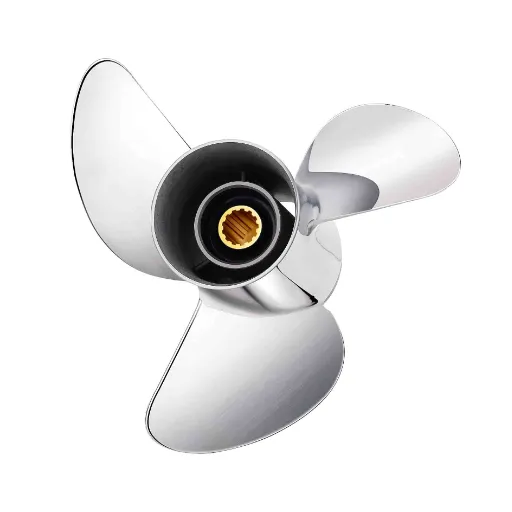
Strengths of Yamaha Reliance vs. Competitors
When it comes to durability, fuel efficiency, and matching with Yamaha outboards, Yamaha Reliance propellers definitely stand out and thus, in some applications they even surpass the competitors.
Choosing the Right Propeller for Your Needs
The process of selecting the right propeller is complicated but the performance of your boat is worth it. Begin with the boat size, engine type, and condition of use. For example, if your boat is often used for sports, a propeller with a lower pitch may give you better acceleration. On the other hand, a propeller with more pitch can help you save fuel and go faster on long trips.
🎯 Selection Factors to Consider
Material Selection
Stainless Steel: Offers longer durability and superior performance, particularly at high speeds. Ideal for serious boaters and high-performance applications.
Aluminum: More affordable and very good for occasional and casual boaters. Suitable for recreational use.
Number of Blades
Three-Blade: Generally provides better top speed and is easier to install without special hardware.
Four or Five-Blade: Offers superior thrust, stability, and grip—especially beneficial for heavy loads and high trim angles.
Modern Technology
By making use of the latest technology, propellers in modern times are able to resist corrosion to a greater extent and are designed to have better hydrodynamic performance. Relying either on charts by the manufacturer or on the consultation of a marine expert can facilitate the process of matching the right propeller to your boat’s specifications.
Combining practicality, innovation, and personal choice always results in the selection of a propeller that performs at its peak and the user having a smooth sailing experience.
References
- 📚
University of Wisconsin-Milwaukee – Yamaha Outboard Service Repair Manuals
This document addresses issues related to Yamaha outboards, including propeller damage and maintenance. - 📚
Stanford University – Propeller Research History
This source provides historical insights into propeller research, highlighting advancements and their applications. - 📚
Click here to read more.
Frequently Asked Questions (FAQ)
Ready to Upgrade Your Boating Experience?
The Yamaha Reliance propeller represents the perfect blend of performance, durability, and innovation. Whether you’re looking to enhance speed, improve fuel efficiency, or simply enjoy a smoother ride, choosing the right propeller makes all the difference. With proper selection, maintenance, and care, your Yamaha Reliance propeller will deliver exceptional performance for years to come.