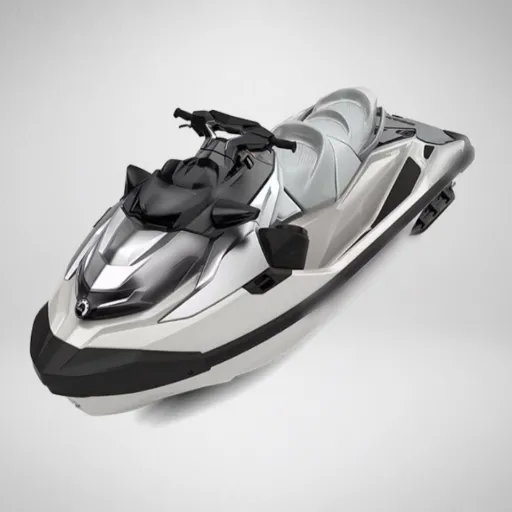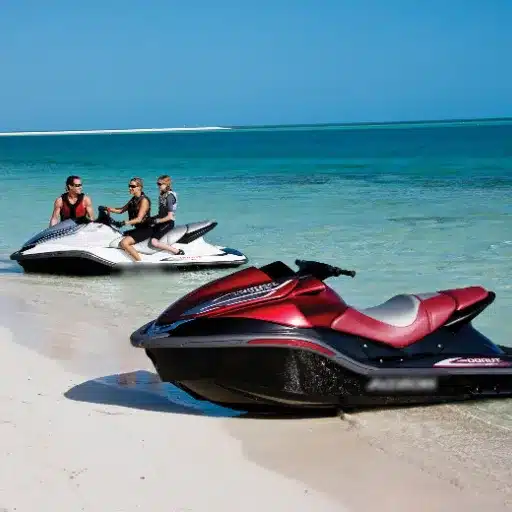
Few water adventures offer greater excitement than being on a watercraft. A Honda Jet Ski adventure is, without doubt, exhilarating. The array of choices one encounters can inspire thoughts of panic for the enthusiasts: One who has seen everything, or for the beginners just looking to make waves. The technological, performance, and design changes in the PWC landscape set forth by the impending calendar of the 2025 season are nothing less than astounding. To educate you about the main attributes, innovations, and specifications that distinguish Honda Jet Skis and to enable you to arrive at a wise decision, this book is intended. We will walk you through everything: from analyzing the latest models to determining if they fit best with your water conditions, so you can choose the Jet Ski that is right for you. Ready to shake up your aquatic adventures with acumen and precision?
Introduction to Honda Watercraft

Overview of Honda Personal Watercraft
The personal watercrafts offered by Honda are built for precision, power, and durability, making them the top choice for both extreme water sports riders and casual users. These models are known for the advanced marine technology they offer, including all four-stroke engines that deliver impressive power output and are somewhat frugal with fuel. Environmental consciousness remains paramount in medical designs, considering emissions regulations and noise limits to ensure the environment is protected from pollution while maintaining superb performance.
Honda Jet Skis have been furnished with lightweight and sturdy hulls, built from high-strength materials, to boost agility and stability under varying water conditions. They now boast future-oriented electronics: considered throttle control, braking technology, and other advanced systems to ensure inimitable maneuverability and safety even at high speeds. Seats are designed ergonomically, storage is ample, and control panels are built with user convenience in mind.
Thus, Honda offers a range from entry-level models for recreational users to top-tier machines for the ultimate performance demanded by pro sports riders, catering to every level and approach one can think of. Based on their in-built reliability and extreme attention to detail, Honda has carried the torch of excellence in personal watercraft through the years to guarantee supreme experiences on the water.
A Brief History of Honda Jet Skis
The hallmark of the Honda legacy is the pioneering approach to innovative design and engineering excellence in the field of jet skis. Honda jet skis, branded AquaTrax, have, over the years, stood for cutting-edge technology and very superior build quality, thereby setting hurdles for the PWC industry. Key features of Honda AquaTrax models include their patented four-stroke engines, which offer better fuel consumption, low emissions, and environmentally friendly power without compromising performance.
Even though AquaTrax production ended in the late 2000s, the company has significantly shaped the industry to date. These watercraft were praised for their sturdy features, advanced safety systems, including off-throttle steering assist, and ergonomic designs that provided otters with comfort and stability on rough waters. These Honda jet skis are sought after by collectors and enthusiasts today for their durability, ease of maintenance, and straightforward performance, with some still in use.
The enduring and continuous contributions of Honda set the benchmark for innovation, and its engineering philosophy has influenced the evolution of PwC throughout the industry. Despite its short production years, the Honda jet ski is considered by many to be an icon, thereby creating a foundation for the company in the personal watercraft community.
Why Choose Honda for Your Water Adventures?
The company’s engineering philosophy focuses on precision, reliability, and innovation, making Honda’s personal watercraft ideal for any water person. The most obvious benefits include advanced four-stroke engine technologies that preserve the environment while cutting down on fuel consumption. Honda designs its engines to provide an optimum balance between performance and sustainability through low emissions and fuel consumption.
It’s also worth mentioning the ease with which Honda jet skis are piloted. Intuitive control is offered to both beginners and experienced riders alike. Additional safety features on these models guarantee ample and effective braking, as well as exceptional stability under diverse water conditions. On the other hand, Honda thoroughly tests every detail, and its components are well-built to last and reduce maintenance calls in the long run.
In personal watercrafts, Honda remains the go-to for those seeking high-speed, reliable watercrafts integrated with cutting-edge technology in environmental care.
Exploring the Honda Aquatrax Models

Features of Modern-Day Honda Aquatraxes
The latest iterations of the Honda Aquatraxes feature top-of-the-line engineering to deliver exceptional performance and reliability. At the heart of these watercraft is a turbocharged four-stroke engine developed by Honda for optimal efficiency and power delivery. This configuration of the engine allows for better acceleration while maintaining smooth operation and emitting fewer emissions, as dictated by stringent environmental laws.
Modern electronic control systems manage the Aquatrax, featuring a state-of-the-art Electronic Fuel Injection system that conserves fuel while maintaining performance under various operating conditions. The Intelligent Throttle Control (ITC) system offers finely tuned throttle control that improves safety and control when performing complicated maneuvers or traveling at differing speeds.
Honda, by way of ergonomic design considerations, aims at superb rider conveniences, including adjustable handlebars, cushioned seating, and a simple-to-understand digital display providing an at-a-glance view of crucial riding information: speed, RPM, fuel percentage, and maintenance alerts, thus informing the rider and putting him or her in control during operation.
Further, newer Aquatrax hull developments have been fine-tuned for stability and better maneuverability. Constructed of light, sturdy materials, the hull promises ample handling in choppy waters while creating less drag, thus promoting efficiency. This hull, together with appropriately advanced suspension, gives utmost comfort and nimbleness along with long handling.
For safety, formatives include responsive brakes and lanyard ignition cutoff systems that stop engine power in the event of a fall. Those innovations, as well as Honda’s time-tested reputation for reliability, place the newest Aquatrax models at the top of the personal watercraft market.
Honda Aquatrax Performance Data
Key Performance Specifications
The Honda Aquatrax engines and hulls are engineered to deliver consistent performance across a wide range of conditions, with maximum power output and fouling hydrodynamic design. The latest models come with highly boosted, turbocharged engines that churn out 165 hp on a good day, allowing for rapid acceleration and reaching top speeds above 60 mph. Maintaining that performance, the advanced hull designs are forged with materials that ensure light weight and anodic corrosion, ensuring buoyancy and color fastness without any drag to compromise fuel efficiency and responsiveness in handling.
With an effective fuel consumption of around 4-5 gallons per hour under normal conditions, performance testing reveals that these vehicles allow for considerable riding time without requiring frequent fire-ups. Advanced cooling systems always address thermal issues, ensuring the machines will never go into blackout mode due to excessive heat, even under harsh environmental conditions.
EFI injection allows the operator to jam the throttle faster or with more precision, particularly in the function of quick turning or sudden directional changes. Since its weight is distributed accordingly and the center of gravity remains low, the Aquatrax will stay balanced on water even in rough conditions. This again speaks of their versatility, making them an easy choice for both recreational users and adrenaline seekers.
Comparing Aquatrax Models: Which One is Right for You?
When comparing Honda Aquatrax models, key specifications and features of the two must be analyzed to see which one best fits his requirements. The Honda Aquatrax family consists of several models, including the Aquatrax F-12, F-12X, R-12, and R-12X, all built for different applications.
The F-12 and F-12X models are regarded as dependable and rider-oriented, with the F-12X being equipped with a turbocharger for more performance. For instance, the F-12X has a 1,235cc, 4-stroke, inline-4 engine that delivers a strong power output, making it ideal for fast cruising or towing. The F-12, which doesn’t have a turbocharger, is excellent and suitable for families or individuals who want a reliable and calm ride for recreational purposes.
The R-12X can be thought of as the ultimate machine for the thrill-seeker, a high-performance turbocharged thing that can push outputs as high as 165hp. With its compact design and superb handling, it is the best option for competition riders and adrenaline junkies alike. In contrast, the standard R-12 offers a lighter ride and is more nimble in design for those who prioritize agility over power.
All come with excellent and well-finished technical features such as electronic fuel injection, excellent hull responsiveness, and strength. When determining which Aquatrax model fits your lifestyle, consider your usage, power output, and preferred handling style. Seriously, laying out these points will help you identify the model that meets your expectations for professional performance and after-work fun.
Buying Your Honda Jet Ski

Honda Jet Skis for Sale: Where to Look?
Depending on how you want to search for a Honda Jet Ski, you will find several options to consider. The authorized Honda dealers are the most credible, offering certified models and professional support, maintenance, and repair. Pre-owned units are also often offered. This allows you to fit the Jet Ski in any Christmas budget. Another avenue for comparison-shopping listings, prices, and features is high-profile online power sports vehicle classified pages and marketplace hub sites. By all means, a local marine and powersports retailer might either carry Honda Jet Skis or order them for a customer. For a cheaper alternative, online or in-person auctions represent a great way to score some discounted used models up for sale. Just be sure that the seller is trustworthy and confirm the condition of the Jet Ski after purchasing outside of a dealership.
💡 Where to Find Honda Jet Skis
- Authorized Honda Dealers: Most credible source with certified models and professional support
- Online Power Sports Marketplaces: Great for comparing listings, prices, and features
- Local Marine & Powersports Retailers: May carry inventory or special order
- Auctions (Online/In-Person): Potential for discounted used models
Buy New or Used Honda Watercraft: Pros and Cons
Choosing between a new or used Honda watercraft for purchase involves considering factors such as cost, performance, maintenance, and warranty. New Honda watercraft are equipped with the latest technology and improved fuel efficiency; however, they often have more attractive designs that promote performance. Moreover, they come with a manufacturer’s warranty that gives the consumer peace of mind and protection against any defects or mechanical issues during the earliest years of ownership. Yet, being the more expensive purchase, a new model suffers from rapid depreciation in its early years.
By contrast, used Honda watercraft offer a cheaper alternative, often allowing buyers to acquire high-performance models at a fraction of the cost of a new one. Hence, in some cases, they might even retain better value with time due to slow depreciation rates. On the downside, used watercraft may also harbor hidden damages or lack warranties. Buyers must check the hull, engine, and electronics; demand a report of its maintenance history; and have it financially checked by a mechanic if possible. These trade-offs are unique, but the ultimate choice depends on whether saving money or ensuring long-term reliability is more important to the buyer, as well as their willingness to maintain and repair.
✅ New Watercraft – Advantages
- Latest technology and fuel efficiency
- Attractive modern designs
- Manufacturer’s warranty included
- Peace of mind protection
❌ New Watercraft – Disadvantages
- Higher purchase price
- Rapid depreciation in early years
✅ Used Watercraft – Advantages
- Significantly lower cost
- Access to high-performance models
- Better value retention over time
- Slower depreciation rates
❌ Used Watercraft – Disadvantages
- Potential hidden damages
- Usually no warranty coverage
- Requires thorough inspection
- May need immediate maintenance
Performance and Riding Experience

Acceleration and Speed: What to Expect from Honda Jets
Honda Jets are well known for the exceptional performance they offer, particularly with respect to acceleration and cruise speeds. In these light jets, engineers’ latest aeronautical inventions are incorporated, the most notable being the Over-The-Wing Engine Mount (OTWEM) configuration, which optimizes aerodynamic efficiency, reduces drag, and thereby improves thrust performance. Typical models, such as the HondaJet Elite II, achieve cruise speeds of up to 422 knots (485 mph) at a maximum altitude of 43,000 feet.
The twin GE Honda HF120 turbofans produce thrust that jolts the jet into rapid acceleration, efficiently climbing to a cruising altitude and speed. This proves to be exceptionally beneficial for business travelers who seek to minimize flight time and delays. Further, with an excellent avionics suite and aerodynamic refinements, HondaJet maintains a constant speed and fuel flow rate even while changing flight conditions; thus, it is considered among the best light jets in terms of economy and performance.
Building Your Riding Experience
The riding experience can be enhanced with a proper combination of preparation, equipment optimization, and horse management skills. Start by ensuring the bicycle or motorcycle is in optimal condition: check tire pressure, ensure brake systems are functioning well, and align gears and chains to reduce mechanical resistance. Occasional ergonomic upgrades must be considered; these include choosing seats that better fit the dimensions of the rider or perhaps padded handlebar grips that lessen fatigue on prolonged trips.
For the cyclist, it is best to choose tires with better traction to ensure efficient control and performance on diverse terrains. For motorcyclists, fancy suspension systems and tractor control technologies might keep it smooth and a little safer. The GPS can serve as a navigation system with real-time traffic and weather updates, providing situational awareness and better planning of routes to avoid hazards.
Information concerning the performance and trends
The aspects of watercraft performance trending in 2025 will be hybrid propulsion, hydrofoil developments, and smart connectivity. Due to environmental protection policies, the focus might shift toward hybrid engine design, which comprises applications of an electric drive and a traditional fuel engine; this would render the boats low-emission, efficient, and socially acceptable. Studies have shown that a hybrid power system can reduce fuel consumption by about 30%, providing a more environmentally friendly option for both pleasure and working marine vessels.
While the hydrofoil technology is on the rise, it will receive greater acceptance and refinement. Hydrofoils lift the hull above the water, creating less drag and allowing greater speeds with less energy input. These solutions are said to become the massive distinguishing factors in competitive racing and/or luxury craft markets where performance and efficiency are crucial.
Other smart connectivity features are also enhancing watercraft performance by incorporating real-time analytics, predictive maintenance tools, and automated navigation systems. These advanced sensors and IoT-enabled technologies offer detailed insights into vessel functionality to achieve parameter optimization, safety, and reliability.
Together, these suggest that the future of watercraft performance is increasingly sustainable, efficient, and technologically advanced, therefore restructuring the marine industry to suit modern-day requirements.
🚀 2025 Watercraft Performance Trends
- Hybrid Propulsion Systems: 30% reduction in fuel consumption with electric-fuel combinations
- Hydrofoil Technology: Reduced drag and higher speeds with less energy
- Smart Connectivity: Real-time analytics, predictive maintenance, and automated navigation
Maintenance and Care for Honda Personal Watercraft

Water Craft Maintenance Tips for Honda Jet Ski
Keeping a Honda Jet Ski well-maintained is essential for its durability and good performance. The first step is to carry out a regular inspection of the engine and fuel system. Before and after use, I ensure the engine is cleaned of dirt and debris. You should check for any loose or damaged components because minor problems could escalate into larger ones if left untreated. I always make use of good-quality fuel and change the oil every 50 hours of operation or at least once per season to keep the engine well-oiled. Following the manufacturer’s recommendations for oil and fuel is a way to protect the watercraft.
One other crucial thing I consider is washing and drying the jet ski after every use, especially after using it in salt water. Salt deposits and sediment could cause corrosion in internal parts over time, so I employ a flushing kit to rinse out the engine with clean water. Simultaneously, I clean the outside with a non-abrasive soap and wax to preserve the finish and keep the surfaces from wearing. Beyond this cleaning procedure, I also inspect and perform maintenance on my jet pump, ensuring that the impeller and intake grate are free from debris, as they directly influence performance and fuel economy.
Lastly, ensuring correct storage and seasonal maintenance is the key to keeping my Honda Jet Ski in great condition. Before storing it for any extended period, I make sure to drain all water that might have accumulated in the hull, take the battery out, and store the machine in a cool and dry place. Usually, I apply a fuel stabilizer, which inhibits fuel degradation while in storage, especially during the off-season. If I follow these simple maintenance steps thoroughly, my jet ski will always stay reliable and ready for use.
🔧 Essential Maintenance Checklist
- Engine & Fuel System: Regular inspection, quality fuel, oil change every 50 hours
- Cleaning: Wash after each use, especially after saltwater exposure
- Flushing: Use flushing kit to rinse engine with fresh water
- Jet Pump: Keep impeller and intake grate debris-free
- Storage: Drain water, remove battery, apply fuel stabilizer
Common Issues and How To Fix Them
Another issue I frequently encountered with the Honda Jet Ski is starting trouble, primarily due to a weak battery. Once I have ensured the charge of the battery by holding a multimeter and testing if it meets the voltage recommended-release intended for when it is freshly charged of around 12.6 volts, I will recharge it with the correct kind of charger if it is low on charge. I also look for corrosion or loose connections at the terminals and clean these connections with a wire brush. After this, I will apply dielectric grease to maintain good electrical connections. If, after all these steps, the battery is still having trouble charging, I will just replace it to prevent any further problems.
Another widely occurring problem is the jet ski overheating, wherein a clogged-up cooling system may be the reason. I would then flush the system thoroughly, ensuring every bit of debris and salt deposit is thoroughly washed away. This is done by connecting a garden hose to the flushing port and directing water through the cooling lines according to the instructions in the owner’s manual. I would try to spot any obstruction or damage to the water intake grates or impeller, as these would retard the water flow and cause the jet ski to overheat. Regularly flushing the cooling system would help avoid a repeat of the problem, especially after using the jet ski in saltwater.
Performance concerns, such as loss of power or unusual vibrations, are often linked to the impeller or wear ring. If I notice such symptoms, I will check for any damage or signs of wear in the jet pump. A bent or chipped impeller will severely impact performance and may need to be replaced. A worn wear ring, on the other hand, will allow more water to bypass the impeller, resulting in a loss of thrust. Installing a new wear ring is the easiest and most effective way to restore performance to ideal levels.
By following these steps and taking immediate action whenever problems arise, I ensure that my Honda Jet Ski runs smoothly with maximum efficiency.
Preparing Your Watercraft for the Off-Season
Each year, preparing one’s watercraft for the off-season is essential to ensure its longevity and reliability for the next riding season. I first clean the Jet Ski thoroughly; from my perspective, it is an absolute must to wash down all the salt, dirt, and other contaminants that may corrode metal parts or damage the more sensitive ones. Areas requiring special attention include the hull, intake grate, and jet pump, as any buildup there can harden over time. After washing, I let it dry thoroughly to prevent moisture, which can cause mold or mildew.
My next steps involve preventing problems with the mechanical and internal components during storage. Flushing the cooling system with fresh water to remove any residual salt or other contaminants that could corrode the internal passages is a crucial step. An all-around good flush kit ensures that the process is straightforward and effective. After finishing the flushing procedure, I add fuel stabilizer to the tank and run the engine briefly. This circulates the stabilizer throughout the fuel system, thereby preventing fuel degradation and gummy deposits in the carburetor or fuel injectors. For watercraft kept in colder climates, I also go one step further by fogging the engine’s internals to protect them from rusting due to condensation.
Lastly, correct storage conditions will protect the product in the off-season. Whenever possible, I store my craft in a dry, climate-controlled environment, with a custom-fitted breathable cover to prevent dust, dirt, and pesky critters from getting in. Battery disconnection and separate storage upon a maintenance charger is carried out as well, ensuring it will not lose charge if kept working in the off-season. These detailed steps see my Jet Ski in all good condition and ready for peak performance when the next season rolls around.
❄️ Off-Season Preparation Steps
- Thorough Cleaning: Wash hull, intake grate, and jet pump; dry completely
- Flush Cooling System: Remove salt and contaminants with fresh water
- Fuel Stabilizer: Add to tank and run engine briefly to circulate
- Engine Fogging: Protect internals from rust (for cold climates)
- Storage Setup: Drain water, disconnect battery, use breathable cover, store in dry location
Reference Sources
- Boating – Best Jet Skis in 2025 | Buyer’s Guide: A comprehensive guide reviewing top jet skis, including key considerations for buying personal watercraft.
- Boating Magazine – 8 Best Personal Watercraft (Jet Skis) for 2025: Features expert reviews of the best personal watercraft for 2025, including performance insights.
- Steven in Sales – The Honda Personal Watercraft Saga: Explores Honda’s history in the jet ski market and considerations for buying used Honda jet skis.
- J.D. Power – Used Jet Ski Buying Checklist: Offers a detailed checklist for purchasing well-maintained used jet skis, including Honda models.
- PWC Today – Advice on R12 vs F12 vs Turbo Versions: Discusses the differences between Honda jet ski models, including performance and design comparisons.
Frequently Asked Questions (FAQs)
❓ What’s a normal price for a Honda Aquatrax?
Well, the price of a Honda Jet Ski can vary considerably depending on the model and condition. For instance, a brand-new 2024 Honda Aquatrax would probably be higher than a used 2013 model or even a 2005 model. Also, the available inventory at the nearest dealer might push up the price, especially if the jet ski has low hours. Of course, you might sometimes be lucky with dealers running special promotions or packages that offer a bargain for the person just looking to buy solid powersports equipment.
❓ What performance attributes does the Honda Aquatrax come with?
The Honda Aquatrax offers a unique style of mechanical engineering and offers performance capabilities. An Aquatrax F-12X model with a reasonably powerful engine could provide a spectacular sea-based thrill. Turbocharged options build these personal watercrafts for thrill junkies, guaranteeing the smoothest of rides with sturdy construction. Excellent acceleration and handling come with the powersports brand, making it an established choice.
❓ Where can I buy a used Honda Jet Ski?
Various dealerships and online marketplaces could provide used Honda Jet Skis, specializing in powersport equipment. Many sellers list a small selection of models, ranging from older units, such as the 2007 Honda Aquatrax, to some with fewer hours. When buying one, it would be wise to find out the condition of the equipment, the maintenance history, and what accessories it comes with, like a trailer. Local shops might also have some new inventory or trade-ins that could work well for a hopeful buyer.
❓ What should I look for when inspecting a used Honda Aquatrax?
When inspecting a used Honda Aquatrax or any other Jet Ski, watch for signs of wear and tear, paying special attention to paint conditions and any apparent damage to the hull. Ensure the engine runs smoothly, check for any unusual sounds, and examine the battery and electrical components, including the air filter and spark plugs. If possible, ride the unit to judge how well it performs on water. A fine inspection will lead to an informed decision in finding a dependable unit.
❓ How do I look after my Honda Jet Ski so it will perform well?
Maintenance is essential for keeping your Honda Jet Ski running smoothly. Check the oil regularly and make changes as needed; inspect the fuel system; and if necessary, change the spark plugs. Also, make sure the battery is in good condition and charged. Cleaning the air filter and flushing the engine after use prevents debris build-up. Always follow the specific schedules provided by the manufacturer, keeping in mind that such maintenance prolongs the lives of all personal watercraft.
❓ What are the advantages of owning a higher-performance Honda Jet Ski versus a Yamaha or Kawasaki one?
Owning a Honda Jet Ski offers better reliability and performance. As a brand linked with innovative engineering, Honda offers better fuel efficiency and smoother handling. They also make model products, which are considered to last longer and require less maintenance compared to other brands like Yamaha and Kawasaki. The availability of parts, coupled with a strong dealer network, also adds convenience to the repair and service processes. Honda Jet Skis, therefore, stay well in competition with others in the powersports market, wherein any rider seeks quality.