The maritime sector is poised to move into a new age where cutting-edge technology and advanced manufacturing processes will be the major players. The ship propeller, which is a vital part of marine engineering, is responsible for the major part of this change. These delicate instruments not only propel the ships over the sea but also, to a considerable extent, determine the amount of fuel used, the speed of the ship and sustainability of operations. This year 2025, the article discusses new developments that will bring about a radical change in the propeller manufacturing process. We will look into the areas from material advancements which are very precise to the latest design methods that are computer-based, and how branches of engineering are coming up with new solutions that meet industry standards for being efficient, lasting long, and being eco-friendly. A marine engineer, a shipbuilder, or just a technology enthusiast will find this thorough guide packed with invaluable knowledge about the future of marine propulsion systems.
Overview of Marine Propeller Manufacturing

Introduction to Ship Propellers
Marine propulsion relies heavily on ship propellers, which are the main sources of thrust responsible for pushing a ship through waters by converting the rotary engine energy into thrust. Moreover, these durable bronze alloys or brass materials serve to create propellers that bear the hard marine environment, which includes high salinity, varying temperatures, and intense mechanical forces. Their performance determines the efficient fuel consumption, operational costs and the speed of the ship thereby making them a critical concern in marine engineering.
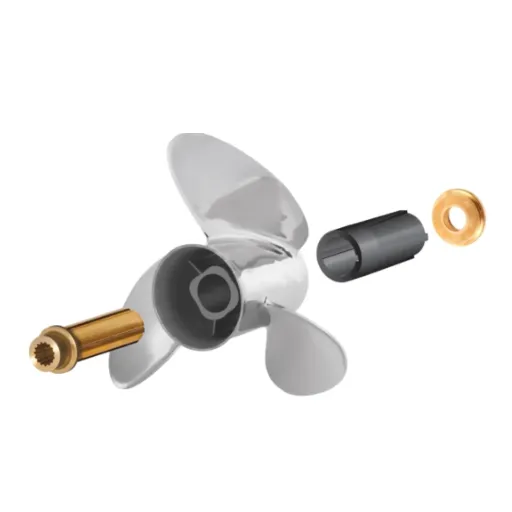
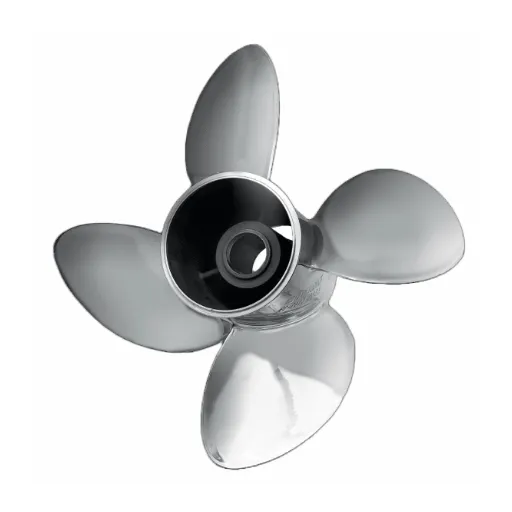
A propeller consists of the hub and the blades that are actually a few in number, but curved in such a way as to give the best hydrodynamic efficiency. The thrust generated through the interaction of the rotating blades and the water is a matter of Bernoulli’s principle as well as the equal and opposite reaction that Newton stated in his third law of motion. Different shapes of the blades – fixed-pitch, controllable-pitch, and skewed blades – are used for different purposes such as making it easier to maneuver and for noise reduction.
Concerns about greenhouse gas emissions and fuel consumption reduction have made propeller design efficiency a priority. Among the recent developments in the manufacturing of the propellers is the use of advanced technologies such as 3D printing and computational fluid dynamics (CFD) simulations that is raising the bar in regards to design precision and material optimization. These breakthroughs not only give room to engineers to come up with customized solutions for the entire range of vessels, from cargo ships to submarines, that would keep up with the performance and sustainability requirements and also comply with stringent regulatory standards.
The Importance of Propeller Design in Marine Engineering
One of the main reasons that propeller design is considered a significant factor in marine engineering is that it has a direct relationship with the efficiency, performance, and sustainability of the vessel. The propeller acts as an intermediary, transforming the engine’s power into thrust which in turn makes it easier for the ship to move through water. When the propeller is designed optimally, it will absorb very little energy, hence the operator will use less fuel, and the vessel will run smoothly even when the loads are varied. As a result, improvements in propeller design have been turned into a necessity for accommodating the requirements of contemporary shipping and maritime operations.
A primary demand considering propeller design is efficiency. Factors like blade form, number of blades, and pitch angle are all the time optimized to get the maximum thrust while at the same time resistance and cavitation are kept at minimum. Computational tools such as CFD simulations are highly significant in propeller performance enhancement and that is by giving engineers the chance to model fluid dynamics and make design refinements with very high precision. Better designs are responsible for reduced drag and energy waste which means they also lead to lower operating costs and less greenhouse gas emissions, hence they are in accordance with the international maritime environmental regulations.
At the same time, propeller designs are customized based on the specific needs of the ships to which they are fitted. For instance, lightweight, high pitch propellers are used in high-speed vessels, while cargo ships have the usual slow rotating, high efficiency models. The new technology, which includes adjustable or ducted propellers, has opened more options for marine engineering in terms of adaptability and versatility. It can, therefore, be said that propeller design stills constitutes a major factor in promoting marine technology, refining operational performance, and projecting sustainable maritime activities.
Current Trends in Marine Propeller Manufacture
The sector of producing marine propellers is on the verge of major innovations due to the utopia of advancements in materials, design technologies, and environmental friendliness. The use of composite materials, which provide a great reduction in weight while keeping the same strength and still being resistant to corrosion, is one of the major trends. These materials are enormously helpful, especially in the terms of fuel savings and the ability to last in rough marine conditions. Metal alloys, for example, aluminum-bronze, are still preferred by many industries due to their strength and life span, but composites are now proving to be a strong competitor in some applications.
The use of computational fluid dynamics (CFD) for design optimization is another major trend. With the help of CFD, designers are able to predict and improve the performance of propellers taking into account the diverse operating conditions under which they will be used. Thus, the process of custom-made propeller design becomes more efficient as it gets aligned with the specific requirements of the vessels, leading to higher efficiency and reduction of cavitation—a situation that harms surfaces and lessens the effectiveness of propulsion—among others. The way of using 3D printing in the design cycle is gradually getting popular, which means fabricating even complicated designs can be done faster and at the same time manufacturing costs and lead times are reduced.
The environmental aspect is the foremost factor in deciding the technology to be used in manufacturing marine propellers. With designing energy-efficient propellers through biomimetic approaches involving living beings from the ocean as an inspiration being one of the examples, the gradual shift towards eco-friendly technologies in propeller manufacturing has its upsides again. The designs are effectively targeted at the maritime industry’s drag-lightening and fuel-saving goals, which in turn are part of the larger strategy of carbon emission reduction. The combination of pitch that can be changed or controlled with these new designs indeed shows that the industry is fully committed to achieving sustainability goals alongside improving performance.
Additive Manufacturing in Propeller Production
Benefits of 3D Printing for Marine Propellers
Enhanced Design Flexibility
Additive manufacturing comes with the possibility of complex and intricate geometries that are very difficult to achieve through traditional manufacturing processes. This opens the door for propeller optimizing of the highest performance that is minimization of cavitation and enhacement of propulsion efficiency to be done easily, thus meeting the performance requirements.
Reduced Production Time
3D printing, by doing away with molds and classical machining, tremendously reduces the time required to create marine propellers. Research has indicated that the entire manufacturing process duration can be cut down by as much as 40%, which leads to quicker prototypes and production of made-to-order parts.
Material Efficiency
Additive manufacturing works by the layer-by-layer application of materials, thus there’s no waste to mention as it usually happens with cutting-out procedures. As a result, material costs can be reduced by 30%, and this is going to lead to both cost cutting and eco-friendly production practices.
Improved Customization Capabilities
The vessels’ specific needs can be met by customizing the marine propellers through 3D printing easily, taking into account the operating conditions and environmental regulations. This high degree of customization guarantees that the vessel’s performance is improved and that the required standards are met.
Streamlined Maintenance and Repairs
The 3D printing technology makes it possible to produce or repair propeller parts in the same location. Consequently, less time and money will be used for the replacement of parts in the manufacturers due to the shipping involved. By making replacement parts near the site of operation, the vessel operators are able to manage the wear-and-tear very efficiently thereby maintaining their operations uninterrupted.
Case Studies: Successful Additive Manufacturing Applications
Marine Propeller Production by Damen Shipyards
In cooperation with RAMLAB, Damen Shipyards has developed the world’s first class-approved 3D-printed propeller for ships, the WAAMpeller, through the use of Wire Arc Additive Manufacturing (WAAM) technique. The method was not only very innovative but also significantly reduced the production lead times as well as the material waste in comparison with the conventional casting methods. The 400 kg WAAMpeller exhibited high mechanical integrity and passed the class certification requirements. This project has been a success which proves that the use of additive manufacturing can lift the maritime industry in terms of efficiency and sustainability.
Spare Part Fabrication for Maersk Line
3D printing was used by Maersk Line to create spare parts for the ships in its fleet and thus, it cut down its reliance on the world supply chain and at the same time, it reduced the shipping delays. The method was great for making parts with high demand like pump impellers, gaskets, and brackets. By creating a network of localized additive manufacturing hubs, Maersk was able to considerably shorten the time to market for critical parts which resulted in operational reliability and a huge drop in costs.
Replacement of Aircraft Parts by GE Aviation
GE Aviation turned to additive manufacturing in a promising way, particularly in the production of jet engine parts like fuel nozzles. As a result of the switch from traditional to additive, GE managed to cut down on the number of parts to be assembled and overall performance was improved. The new design which was of one whole metal piece is five times stronger and lighter than its conventional counterparts. This project has been a success thus pointing to the potential of additive manufacturing in the modernization of aerospace component production.
Onsite Maintenance in the Oil and Gas Industry
The use of additive manufacturing in the oil and gas industry has been seen in repair activities and for maintenance it has been very helpful. The company Baker Hughes among others employs 3D printing for making custom tools and parts for replacement at the site, thus, there is no need for overcoming the logistics problems of getting to a remote drilling site. Being able to do that the operation has been simplified, the time for being down has been cut, and it has enabled affordable solutions to be offered for the servicing of important infrastructures in hard-to-reach areas.
These case studies point out not only the versatility but also the scalability of additive manufacturing technology in different fields. The possibility of manufacturing complex geometries, minimizing waste, and making production localized gives a big edge in terms of cost-effective operations, sustainability, and readiness. The introduction of such technologies will surely lead to 3D printing becoming the norm in various industrial applications.
Future Prospects of Additive Manufacturing in the Industry
The promising future of additive manufacturing is visualized to change drastically with the incorporation of new technologies and the expansion of industrial applications. AI or artificial intelligence, and machine learning are the main factors that would lead to such expansion. They would be used in optimizing the design process, predicting the behavior of materials, and providing quality assurance. Moreover, the integration of these technologies leads to fewer defects in the material and higher efficiency in production, which is good for the industry as it aims at precision and less waste.
Apart from that, the new materials like high-performing metal alloys, biocompatible polymers, and ceramic composites are not only making the industry stronger but also making the applications wider which includes the field of aerospace, medical devices, and energy. One instance of that is the aerospace industry which has started taking advantage of the 3D-printed components that are super light but still very strong in order to save on fuel while the healthcare sector is still working on the development of patient-specific prosthetic and implant made of 3D-printed bio-materials.
The series of large-scale additive manufacturing systems trend is also another issue that the industry is going to face. They will make it possible to produce large parts that, owing to the application of traditional methods, were once thought to be unfeasible. The area of construction is going to benefit a lot from 3D printing as it will lead to the on-site manufacture of buildings and bridges made of eco-friendly materials thus making the industry greener.
The industry’s shift to sustainability has resulted in more sophisticated closed-loop manufacturing systems that recycle and reuse materials thus causing less damage to the environment. In addition, combining this with the decentralized production model, the additive manufacturing has the potential to supply chains locally, thus reducing shipping emissions and enhancing the resilience of countries by not being overly dependent on long-distance logistics.
Additive manufacturing becomes the mainstay of Industry 4.0 via the enhanced investment in research and development, the provision of government support, and the collaboration among different sectors. The hardware, software, and material science advancements have been leveraged by the technology to tackle the complex industrial issues, drive innovation, and create value along the global manufacturing chain.
Casting and Machining Processes
Overview of Casting Techniques for Propellers
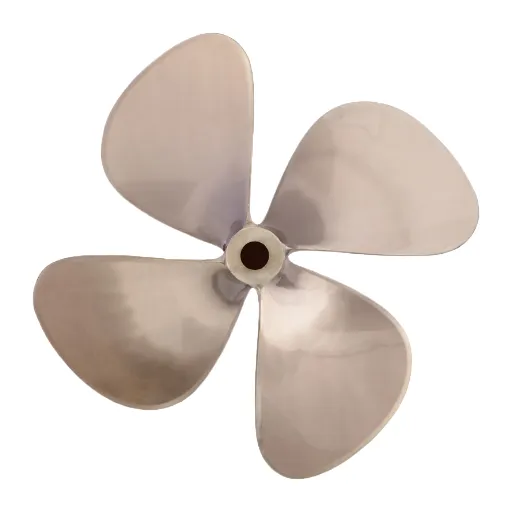
Casting methodologies play a significant part in the whole process of propellers production. They provide the props with their strength, hydrodynamic performance, and, consequently, operational dependability. The main methods that are used for casting in the production of propellers are sand casting, investment casting, and die casting. For each method, a certain type of material and certain performance characteristics are specified.
Sand Casting: This is the most popular technique in the casting of propellers due to the inexpensive and versatile nature of the method. The sand molds can take on large and intricate shapes, which makes them suitable for the production of big marine propellers. Often gold and aluminum alloys are put to use together with this method. Nevertheless, sand casting may sometimes lead to the creation of porosity on the surface or lack of precision in the size, which means machining must be done after casting.
Investment Casting: Also known as lost-wax casting, investment casting is generally accepted for propellers that are small but need precise measurements and high quality. This process consists of making a wax model that is then put inside a mold made of ceramics. When the wax is melted the cavity is filled with liquid metal. Investment casting provides the highest surface quality and the finest detail which is critical for the propeller’s hydrodynamic efficiency.
Die Casting: die casting is primarily done for small-size propellers, thus requiring the industry to maintain high production volumes. The method utilizes molds that can be reused and is mainly restricted to non-ferrous metals, aluminum, and zinc. It assures great dimensional accuracy and speedy manufacture but at the same time, the production of larger propellers is not feasible due to size restrictions.
Eventually, by employing these sophisticated techniques and tapping into state-of-the-art technologies, producers will be able to not only get the required quality but also the performance and efficiency of the material during the process of manufacturing, which will be in accordance with the tough standards of contemporary marine engineering applications.
Machining Processes: Precision and Efficiency
With the introduction of computer-aided manufacturing and precision tooling, machining processes have come a long way. CNC (Computer Numerical Control) machining is among the techniques that provide the most accurate machining possible, making them highly valuable for applications that require very tight tolerances. In addition, High-Speed Machining (HSM) is another process that makes cutting faster, thus enhancing productivity and minimizing tool wear at the same time, thanks to the use of advanced cutting strategies and optimized toolpath designs. Working with multi-axis machining equipment like the 5-axis machines allows for the manufacturing of complex shapes that were once deemed impossible.
Another area that has contributed to the rise of machining efficiency is material science. The introduction of tougher cutting tool materials such as polycrystalline diamond (PCD) and cubic boron nitride (CBN) has not only prolonged the life of the tools but has also made it possible to cut even the most difficult materials like titanium and nickel-based superalloys. The aerospace and marine engineering sectors which rely on precision and material performance are among the industries that benefit most from this.
Last but not least, the installation of advanced automation systems has been a game-changer for machine shop efficiency as they work beside real-time monitoring and IoT-enabled networks to bring downtimes down and make maintenance predictive rather than reactive. The fusion of precision, efficiency, and innovation highlights the vital role that machining processes play in the current manufacturing landscape.
Innovative Technologies in Propeller Machining
The technology used for propeller machining has undergone a significant transformation by the adoption of automated systems alongside the use of advanced materials, thus resulting in higher performance and better efficiency. Besides, the use of high-strength alloys and composite materials, such as titanium and carbon fiber-reinforced polymers, is gradually increasing because of their excellent durability, corrosion resistance, and lightweight properties. These materials make it possible to manufacture propellers that are able to endure the most difficult operating conditions while at the same time providing better fuel efficiency and less vibration.
Moreover, the multi-axis CNC systems have been practically mandatory in the machining of the propeller with complex geometries. The systems give accurate cutting and finishing by allowing simultaneous movement along several axes, which means that manufacturers can meet tight tolerances with high repeatability. Moreover, the combination of real-time sensors and AI-driven predictive analytics transforms the process by always keeping track of tool wear, spindle speed, and cutting forces, thus making the production cycles more efficient and minimizing the waste of materials.
Thanks to these innovations, modern pilfering manufacturing strikes a fine balance between performance, reliability and environmental considerations. It also assures that the final product is up to the rigorous standards of the marine and aerospace industries.
Quality Control and Balancing
Quality Control Measures in Propeller Manufacturing
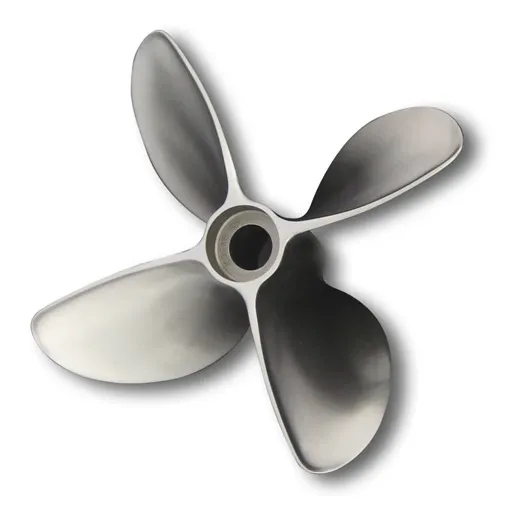
The quality control process in propeller manufacturing is very demanding and consists of various advanced testing methods, high precision instruments, and thorough compliance to strict industry regulations. The utmost priority is given to the proper performance, durability, and safety of the propeller hence the gradual process of eliminating failure in the critical operating areas of the environment.
The main quality control procedures consist of dimensional inspections carried out with coordinate measuring machines (CMMs) that confirm each part against the design tolerances with micrometer-level precision. Furthermore, several non-destructive testing (NDT) processes like ultrasonic testing, dye penetrant inspection, and radiographic imaging are employed to uncover internal as well as surface defects, which can be a reason for weakness of the material. The high-speed dynamic balancing guarantees the smooth operation of the propeller with vibration and stress on the associated components greatly reduced during the use.
Material certification is a very important quality control aspect that necessitates all raw materials to be tested for tensile strength, hardness, and corrosion resistance – the required application properties. Quality assurance process often comes with advanced software tools for real-time data analysis, traceability, and compliance reporting.
Through the gaining of accurate inspections, cutting-edge testing, and strong material validation, modern propeller manufacturers are producing products that not only conform to but also often exceed the international standards like ISO 484-2 for marine propellers or AS9100 for aerospace-grade components, thus ensuring reliability even in the most extreme operational conditions.
Balancing Techniques for Enhanced Efficiency
The rotation of the components that include propellers has to be balanced properly if maximum performance and longevity of the component are to be achieved. The imbalance reduction process usually leads to less vibration, noise, and wear which are the main factors compromising efficiency and safety. Static balancing for example, makes sure that the propeller’s center of gravity is on the same level as its axis, while dynamic balancing deals with the imbalances happening during the propeller’s motion. Thanks to computational modeling, manufacturers can now use simulation software to predict and correct imbalances even before tests are done physically, thus the production cycle is fast and the accuracy is improved.
Top-notch technology like laser displacement sensors or portable vibration analyzers are very important for the modern balancing process. The machines that can find the imbalances with the precision of only few micrometers guarantee that the corrections will be made by removing very little, if any, material which will still keep the component intact. CNC grinding and precise material addition through additive manufacturing are some of the technologies that have been perfected to an extent that they can be used in balancing process. These tools not only enable the engineers to meet operational requirements for efficiency and performance but also exceed them.
By making use of real-time data derived from smart sensors that have been seamlessly integrated within the equipment, the operators will be able to detect problems like misalignment or wear before such problems become critical failures. The fusion of predictive analytics with traditional balancing methods is what keeps the propellers so efficient and reliable as they meet the rigorous demands of different applications in either marine or aerospace environments. When taken together, these methods bring out the upgrade of balancing techniques as a fusion of talented engineers and cutting-edge technology.
Future Innovations in Quality Assurance Processes
It is believed that future innovations in quality assurance (QA) processes will mainly be determined by the progress made in the areas of automation, artificial intelligence (AI), and real-time analytics. One of the most important trends is the combination of machine learning algorithms that can, in a way, predict the potential failure points before they happen, thus changing the whole quality management process in a better way. Quality insights powered by AI are capable of analyzing enormous amounts of data and spotting the patterns in it that even human auditors might not see, thus making sure that errors are found during the earlier stages of production.
Moreover, the use of blockchain technology is one of the main factors that lead to significantly improved traceability and transparency throughout the supply chains. With the help of blockchain, it will be possible to securely record every single activity of the production process, thereby allowing the parties involved to assess the quality and compliance of the product in real-time. This system works not only to increase the accountability but also to make the auditing processes more efficient.
The incorporation of digital twin technology is yet another major breakthrough; it gives rise to the virtual representation of the physical assets. Digital twins provide the manufacturers with the opportunity to enhance the QA process by predicting things like faults, conditions, adjustments, and even vulnerabilities at such an accurate level that they can do it before the actual production start.
To sum up, and to highlight the importance of these new technologies, their development in sensor tech and IoT devices is the most likely cause of the adoption of continuous monitoring and self-diagnostic capabilities in production lines. All these innovations are capable of providing actionable and real-time feedback which in turn reduces the chances of defects and downtime to a minimum. The combination of all these emerging technologies is slowly but surely turning the whole QA processes upside down, thereby improving the reliability and efficiency of the industries involved.
Emerging Technologies and Innovations for 2025
Integration of Electric Propulsion Systems
The use of electric propulsion systems is changing the whole transportation and aerospace industries by providing less harmful and more efficient energy sources as compared to the old combustion engines. These systems use the state-of-the-art electric motors that can be fed by batteries, fuel cells, or hybrid configurations, thus giving the same performance without the high levels of greenhouse gas emissions related to the fossil fuels’ consumption. For example, the development of lithium-ion and solid-state batteries has made it possible to double the energy density while cutting the weight down drastically, which in turn has opened up new applications for electric propulsion from urban mobility to commercial aviation.
One of the most interesting innovations in this area is the electrification of aviation. Companies are working hard on electric airplanes that can do short-haul regional flights without harming the environment. The combination of electric propulsion technology with lightweight composite materials has allowed engineers to optimize aerodynamics and energy consumption. Concepts like DEP, where several smaller propulsion units are installed throughout the airplane, promise better maneuverability, less noise, and better safety by having many systems instead of one, thus increasing the operational flexibility compared to conventional engine designs.
In the meantime, electric propulsion has made its mark on the automobile industry already. The move from combustion-powered vehicles to electric ones (EVs) is mainly due to the tough regulations concerning emissions and the willingness of consumers to pay more for eco-friendly transportation. The performance and mileage of electric vehicles are greatly improved by the continuous development of more efficient power electronics, regenerative braking systems, and AI-driven energy management software. The broader view reveals that these innovations collectively highlight the undeniable role that electric propulsion systems are going to play in cutting the pollution and, at the same time, transforming the future of mobility and transportation infrastructure.
Hydrodynamic Improvements in Propeller Design
The progress made in hydrodynamic engineering has made it possible to greatly increase the efficiency of propellers used in different marine applications. The engineers are able to analyze the flow of fluid around the blades of the propeller to The drag reduction and thrust maximization are achieved by the advanced computational fluid dynamics (CFD) simulations. With these tools, it is possible to make very precise changes to the blade geometry, pitch, and surface curvature, which results in improvements to both energy efficiency and speed. Such parametric design methods enable the development of a solution that really fits the specific conditions under which the vessel operates.
The work on the further development is mainly on cavitation reduction, which is a process where the formation of vapor bubbles around the propeller blades caused by low-pressure zones, leads to loss of efficiency and even more serious consequences that is structural damage. While dealing with this issue, modern propellers are getting equipped with special coatings, tip modifications, and blade load distributions that reduce the effects of cavitation. Noise and vibration reductions—key considerations in both commercial and military applications—have also been achieved through the use of rigorous testing and tuning of blades based on hydrodynamic principles.
The use of innovative manufacturing methods, such as 3D printing and high-precision milling, has allowed for the production of more complex propeller designs with less variance. The use of these techniques, in conjunction with the application of more eco-friendly materials, and hybrid concepts such as contra-rotating propellers, further increase the efficiency and environmental friendliness of the propulsion systems. These advancements, when combined, highlight the continuous evolution of propeller technology that is mainly based on a clear understanding of hydrodynamic forces and the commitment to sustainability and operational excellence.
Sharrow Propellers: A New Frontier in Marine Efficiency
Sharrow Propellers are a remarkable innovation in marine propulsion technology. They are designed in such a way that they perform better than any of the existing designs, showing marked improvements in performance. The new designs of Sharrow Propeller employ a totally different method than the traditional ones by making use of a loopy blade structure instead of blades. This feature eliminates the sharp blade ends which are the cause of air coming off the blades and being dragged back in the case of a regular propeller. As a consequence, this new method of operation cuts down on the loss of energy caused by the resistance of water (water drag) and gives more productive thrust as well as a quieter operation. With this method, the loopy blades make sure that the water flow around the blades is uniform and thus not having any places where cavitation might happen which is one of the main causes of wear and loss of efficiency.
Sharrow Propellers are among the most important advantages of high propulsive efficiency while reducing fuel consumption at the same time. Various tests have proved that boats fitted with Sharrow propellers burn 30% less fuel at best-speed operation than those using traditional propellers. They also offer improved operability and lower noise levels, thus making marine operators’ experience more pleasant and less disturbing. Cost-effective operation is one of the advantages but cutting down the greenhouse gas emissions due to fuel consumption also means less impact on the environment.
The top-notch engineering of the Sharrow propellers makes them versatile and applicable in so many fields—recreational boats to commercial shipping fleets. Besides, the elliptical nature of the design ensures that they work well with the prevailing forms of propulsion such as hybrid and electric, thus making them more in demand for future marine operations. By offering solutions to both economic and environmental problems, Sharrow Propellers embody the merger of state-of-the-art technology and sustainable methods that have ushered in the second coming of marine efficiency and innovation.
References
- Additive Manufacturing Application to a Ship Propeller Model for Experimental Activity in the Cavitation Tunnel
This paper explores the use of additive manufacturing for creating ship propeller models for experimental purposes in cavitation tunnels. - Propeller Manufacture–Propeller Materials–Propeller Strength
This article discusses the materials, casting processes, and operational considerations involved in propeller manufacturing. - Marine Propeller Manufacturing–A New Approach
This research introduces a novel approach to fabricating ship propellers using advanced manufacturing techniques like LENS (Laser Engineered Net Shaping). - The Possibilities of Improving the Fatigue Durability of the Ship Propeller Shaft by Burnishing Process
This study focuses on enhancing the fatigue durability of ship propeller shafts through surface burnishing techniques. - The Design and Construction of Model Ship Propeller Blades in Hybrid Composite Materials
This paper examines the use of hybrid composite materials in the design and manufacturing of model ship propeller blades. - Click here to read more.
Frequently Asked Questions (FAQ)
Q: What are the main steps in the manufacture of ship propellers?
A: The ship propeller manufacturing process contains a series of important steps such as designing, selecting the raw materials, and production methods. The whole procedure usually begins with making a model of the propeller by means of computer-aided design software, where parameters like torque and speed are fixed according to the requirements of the marine sector.
Q: Which materials are typically used when producing ship propellers?
A: The main materials for making ship propellers are high-end alloys and composites. For underwater use, the materials need to resist the cavitation erosion, therefore the choice of the material is very important in meeting the quality standards of the naval and offshore industries.
Q: How does the manufacturing process of propeller model design occur?
A: A propeller model design is also a very important part of the manufacturing process. This step includes design software being used to generate a 3D view of the propeller while taking into consideration factors like size, shape, and performance that will have an impact on the overall efficiency and torque that the propeller is producing.
Q: What is the significance of testing in the manufacturing of ship propellers?
A: The testing of a manufactured propeller is necessary to verify that it meets the given specifications and to confirm its effective operation. This process involves not only the checking of the performance of the propeller in the conditions that are similar to the ones in which it will actually be used but also looking at factors like efficiency and cavitation resistance.
Q: Could you elucidate the concept of “powder bed fusion” with respect to propeller manufacturing?
A: Powder bed fusion is one of the contemporary manufacturing processes that find application in ship propeller manufacturing. In this process, heat energy is applied to combine material particles which results in production of complex shaped and specially tailored designs that may not be possible with the conventional methods.
Q: Why is compliance to ASTM standards so important in the manufacture?
A: Compliance to ASTM standards serves as a foundation for the ship propeller manufacturing process by stipulating the attributes of the raw materials, specifying the testing methods, and defining the requirements for performance. Following these standards guarantees the production of propellers which are both high in quality and reliable for different marine applications.
Q: How does the product development cycle reflect on the ship propeller manufacturing process?
A: The product development cycle is associated with the ship propeller manufacturing process because it decides the period for design, prototyping, testing, and production. A fast end-to-end development cycle is very important for not only satisfying the market but also delivering the new propeller models to the marine industry on time.
Q: What are some of the obstacles encountered in the process of ship propeller manufacturing?
A: Some of the manufacturing obstacles in the ship propeller industry include particularity of specifications in design, controlling the quality of raw material, and sticking to the performance criteria. Besides, there are concerns about cavitation erosion and producing the components that will survive the extremely demanding conditions underwater.