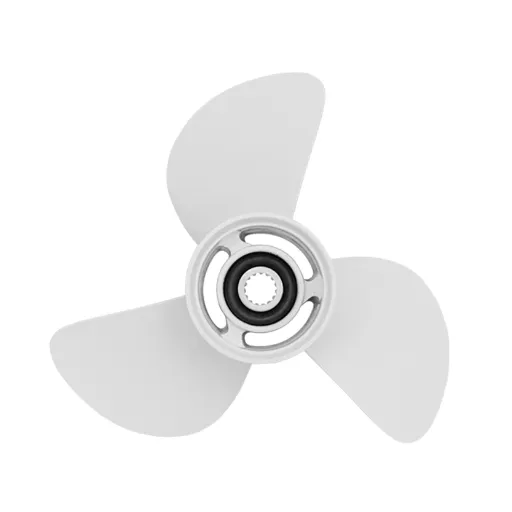
One of the most integral components to both the performance and efficiency of any Yamaha outboard motor is the propeller. A proper propeller can cause a boat to go faster, use less fuel and handle better, so that the rider can enjoy the waters and retrieve their hard spent time riding in a good way. Unfortunately, all this convenience does not come without its challenges. Each and every propeller on the market has its own distinct advantages and disadvantages. This article seeks to address this challenge, which has left many scratching their heads in agony, looking for the right propeller for the yamaha outboard. Experience in acquatic matters is not a prerequisite for someone to read this entire well-written guide ready help that person make the best choice and enhance the time spent on the water.
Understanding Outboard Propellers
What is an Outboard Propeller?
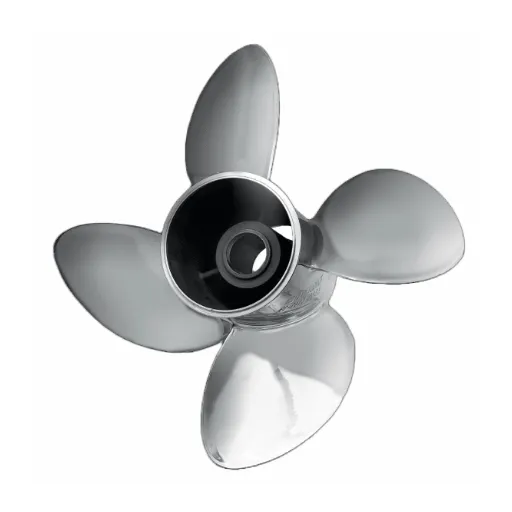
An important part of an outboard motor is an outboard propeller, which helps in efficient usage of the motor’s power so as to move the boat within the water. The process happens through turning and creating both low and high-pressure regions within the water that proportionally move the watercraft forward or backward in relation to the motor position.
The propeller differs as they vary in size, length, the number of blades and pitch depending on the boat size or the purpose. The propeller’s size and design effect the performance of the boat in terms of its speed, consumption of fuel, and driving the boat. When using a higher pitched propeller, you can achieve higher maximum speed but lower acceleration and pulling capacity compared to using a lower pitch prop.
Choosing and caring for your propeller are some of the very basic points which have a significant effect and determined the operational time of an outboard. The weight of the boat, strength of the engine and the most likely conditions, that the boat, will be used should determine which propeller to use. Continuous damage assessments and regular cleaning as well as storage in clean environments will ensure its functional and effectiveness for long yamaha outboard props.
How Propellers Affect Boat Performance
Propellers are key performance , mobility and fuel consumption factors in boats. How well a propeller works in water will determine how well the boat moves forward. If the correct type of propeller is used with the engine, then the engine can run in the intended rpm all the time resulting in performance and durability improvements.
One of the most important advantages of the propeller would be its pitch and diameter. An increase in the pitch avoids the boat to accelerate but allows a boat to achieve a higher speed. On the other hand, using a propeller that is less pitched optimizes the acceleration and enhances the pulling power of the boat but it will not comply with such high speeds. Like all yamaha outboard props, the perfect amount of pitch and diameter that satisfies the requirements of either pristine leisure or productive sport fishing has to be identified.
The function of the blades is also determined by the material used and the number of blades. Although aluminum propellers are cheap and easy to manage, stainless steel counterparts offer more strength but come at a premium cost. Likewise, having more blades provides more stable operations and water- less slipage, which contributes to performance enhancement. These basics should enable boaters to make wise choices by selecting appropriate props for their type of boat and the prevailing conditions. As a rule, keeping the propeller in useable condition for a long time requires timely care.
Types of Yamaha Outboard Props Available
To fulfill different purposes of the boat users, Yamaha has a plethora of options of gear case propulsion systems. Aluminum propellers, steel propellers and other models of propellers suited for some purposes make up the variety of yamaha outboard props. The aluminum types are easy to handle, are relatively cheap, and mantain very satisfactory standards of performance. They are of use in inland waters as well as recreational purposes where a good deal of performance and price is of great significance.
In contrast, stainless steel propellers are robust and designed for high-level performance. It is best suited to heavy circumstances like marine conditions and exhibits better power and manner in usage than the aluminum made propellers. Such propellers are perfect for those boaters who seek to achieve the top speed, minimum wastage of fuels and high durability. Although it is expensive, the users get some value for their money considering that they last longer.
Yamaha propellers come in different types for different purposes. Such models are produced to meet specific consumer needs based on the vessel handling, engine power, and function of the boat. Adjustment of the prop selection of the Yamaha outboard props helps boat users make the most out of their motor.
Choosing the Right Yamaha Outboard Propeller

Factors to Consider: Boat Size and Weight
While looking for the most appropriate propeller for yamaha motors, first of all, you need to consider the size and the weight of your boat. The larger the boat, the larger the diameter of the propeller needed to create the thrust needed to sustain its weight. Whereas the smaller boats will mainly have smaller diameters of propellers that enhance the speed of acceleration and handling. The propeller size complimenting the boat’s size maximizes the engine’s performance and fuel economy.
The load factor of that vessel will also greatly affect the propeller choice. For instance, heavier boats require thrust propellers such as the yamaha outboard props. These are usually referred to as heavy duty high thrust props because they are designed to provide extra power which is required to move those that are heavily loaded without straining the engine. Conversely, use of propellers which aim at achieving maximum revolutions per minute and speed makes more sense for the lighter boats.
Moreover, the utilization pattern of your boat should be considered as well while making the decision. Take fishing boats, for instance, that are often loaded with gear or operate in towing applications – these will typically favor the use of a high thrust propellers which produce consistent and sheer force. On the other hand, non-recreational or performance vessels which are designed for high speed may require differently – tuned propellers that are more responsive and offer higher speeds. These aspects along with the specs of the yamaha outboard engine that you are using should be considered for the best possible solution for whichever application that you may be using.
Specific Usage Needs: Fishing, Water Sports, and Cruising
When debating over the best propeller to buy for practical uses, such as fishing, water sports, or leisure cruising, one must be aware of the kind of activity. For instance, in the case of fishing, mainly when using the boat in water that may be shallow or has fluctuating levels, the provision of a propeller that can turn at low speeds and can endure some punishment becomes important. Due to their cost and durability, aluminum propellers are more preferred, but when one is after increased cabin strength and performance, then stainless steel is the answer.
For water sports such as wakeboarding or waterskiing, it is essential to accelerate quickly and maintain tension to the line. Particularly, it is advisable to use propellers that have greater pitch angles and more blades in order to increase the so-called hole shot and in the process keep the tow line taut. These types of designs assist in achieving the proper engine RPM along with better handling, without any strain, especially at the loaded condition.
When traveling at a constant speed, other considerations come into the foreground such as minimizing fuel burn and maximizing distance achieved per unit of fuel consumed. Thus, propellers that are more efficient at a given displacement speed can minimize the gasoline consumption while providing a smooth ride. While in this category the size of the boat and the nature of the voyage may come in handy for certain recreational sailors, it is the numbers that make the decision – using a four-blade prop for long distance travel ensures greater wobble-freem stabilization.In the same vein, equipments that match the needs of a Yamaha outboard motor and of course, considering the surroundings one is boating in, improve the amount of time spent in the water as well as its performance.
Common Issues with Outboard Props

Identifying Propeller Problems
The performance and efficiency of your Yamaha outboard engine can be severely hindered by propellers that have a problem or a defect. Such problems may reduce the effectiveness of operation, and in some cases, they may cause damage over time. A cause of concern that is prevalent is the damaging of propellers when they come into contact with floating objects, rocks or any other tunneling barriers. The blades may have more damage due to dings, cracks or waves and this can cause the disruption of the water flow which in turn causes vibrations, lowered speed or even an increased fuel usage. To avoid these problems, one may check the propeller from time to time to see if there are any problems and if they can be fixed before it is too late.
Size and pitch of a yamaha outboard props are also two common problems. A large-size prop or incorrect pitch can bind the engine, making it less efficient and adds to unwanted wear and tear. As an example, putting too much ‘pitch’ into a propeller may enhance top speed but take away acceleration and power, whilst a low ‘pitch’ propeller may cap top speed and encourage over-’revving’ the engine. Make sure the engine’s propeller matches its operation and boat requirements for the best possible performance.
Finally, cavitation, which refers to the air bubbles enveloping propeller blades, is another issue worth paying attention to. This is another mode of propulsion failure due to damaged or incorrect installation of the propeller, very high mounted engine or incorrect trim angles. Besides, cavitation lowers the efficiency of the propeller and also has long term risks to both the propeller and the engine. Attention to the way the boat performs in different situations, such as when it is carrying a heavy load for instance, and adjustments shall be made where necessary. These propeller concerns are common and you can consider them to lessen the hardships and swim in waters in a friendly way while extending the engine life of your Yamaha.
Troubleshooting Tips for Yamaha Propellers
- Routinely Confirm the Condition of the Propeller: The existence of physical stresses or harm like existence of scratches, denting or bending could affect the performance of the propeller. Look over your propeller pre and post each adventure, particularly when you have traveled over or close to places with shallow water or debris. Such propellers may seem insignificant at first but over time, wide and wide vibrations even vertical vibrations are to be suffered.
- Beware of Propeller Degradation: With processes time, wear and tear and all becomes inefficient even the Yamaha propeller. These are sharpening or excessive wear down in certain spots. There are solutions like routine sanding that helps restore and protect the mechanism from further destruction and improve performance.
- Ensure Proper Propeller Height and Length: Select the appropriate size and pitch that shall fit your Yamaha outboard props. Improper match would result in high rpm, less fuel consumption, and inefficient operation. However, check the pitch of the propeller provided in the Yamaha manual or consult a marine expert to see if the propeller you are looking to put in your boat is appropriate to the boat use.
- Try to Examine Any Potential Intestinal or Perforation Problems: Cavitation and ventilation are both wasteful and may cause damage in the long run. Do make sure that the proper engine height and trim settings are used since these will also have a bearing on the immersion of the propeller. Watch out for the air flow towards the prop during hard accelerations.
- Keep Propeller Shaft Straight: The most common cause of prop shaft vibration is propeller unbalance or misalignment. When there is vibration or noise beyond the ordinary, it likely indicates a misalignment. Check and tighten all the fittings frequently, as it is very usual for them to loosen.
- Upgrade for Targeted Efficiency: You might want to consider investing in different propellers to enhance the efficiency and performance of your boat. One simple example is deploying the stainless steel propellers in place of aluminum props which would enhance its durability due to the rigid characteristics and the vulnerability of aluminum in the salt water.
Here are some irrespective recommendations on how to expand the usability and life span of yamaha outboard props. These are undertaken in controlling the external environment or avoiding unwanted debris in order to keep the propeller from being dangled.
When to Replace Your Outboard Propeller
When you encounter defects, poor functioning, or poor performances, yamaha outboard props must also be fixed and replaced. Take for instance any cracks, pork out, or even chipped blades – any of these will negatively affect your craft’s performance, handling, and gas usage. Even small splinters can serious mess up the prop’s focus and cause vibrations which are harmful to the power unit. It is for this reason that there are regular checks on the propellers.
Reduced performance is another important sign. For instance, if you find that you cannot attain the usual speeds or have difficulties whenever you want to accelerate, then the propeller is most likely not in good condition again. This often happens because of the wear and tear of such a part with time or simply because the propeller installed is either the wrong size or type for the engine and use of the boat. Fitting the propeller as advised ensures smooth operation at all times.
Further and finally, I think of changing my propeller whenever I discover too much corrosion on it or when I realize that I operate my boat in difficult places such as shallow areas or wherever there is much floating debris more than often. Extreme corrosion and repetitive damages threaten the engine restoration that may be very costly. It is only beer of you to immediately change the defective and unfit propellers in order to save your hardware boat and enjoy its pleasure without any cash concerns. Constant checks and strategic interventions are the best ways to ensure that the outboard engine serves well and for long.
Maintenance Tips for Yamaha Outboard Propellers
Regular Maintenance Practices
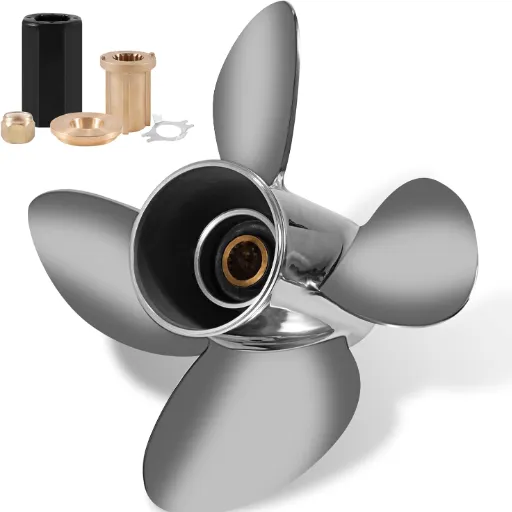
To render yamaha outboard props efficient and durable, it is essential to maintain them regularly. The first step is to make sure that the propellers are not bent, nicked, or cracked any time, as different types of damage may lower the propellers’ effectiveness and increase fuel consumption. It is essential to ensure that the propeller is not damaged by fishing lines or any other materials because these may damage the propeller or increase strain on the motor. Rinsing the propeller with water after use, especially in a marine environment, is useful in countering the possibility of corrosion and extending life.
Moreover, lubrication forms an essential step when it comes to the maintenance of the propeller shaft. High performance anti rust grease applied to the shaft will now make it possible as there will be no corrosion hence the prop will be removed since nothing is holding it back. However this is more relevant with people with boats in extreme and harsh environments that has more probability of rusting. It also help with less probability of seizing the propeller on the shaft after sometime which might cost one money to repair or time waiting.
Finally, equalizing and aligning principles also contribute to keeping the propeller as well as the engine in good working condition. The working of the engine components causes stress on them after some time when the propeller is unbalanced because of the vibrations. Constantly check the torque of the nut holding the propeller and ascertain its conformity with the tightening requirements of the manufacturer to avert the possibility of it getting loose while in operation. These guidelines can be accompanied by routine maintenance services and will guarantee customers that the yamaha outboard props live through the ages, save on fuel, and keep the waterways clear.
How to Inspect Your Propeller for Damage
Regular maintenance practices, such as inspection of your Yamaha Outboard Prop, ensure efficiency and help avoid any possible damage. Look for cracks, dents or chips on the blades of the prop and be aware of any visible deformities. An unnoticed tilted prop may cause vibrations, which dampens the engine parts, since this is a perfect example of impact; even the smallest crack of it disturbs its balance. Make use of a flashlight when conducting an inspection to get into smaller areas to examine the sides and the hub which are the most prone to deterioration. Besides, check any color changes or corrosion while, as probable, the boat is used in salt water, because they will deteriorate the prop eventually.
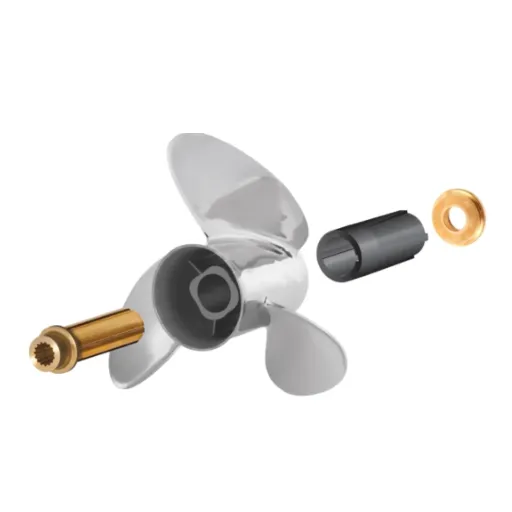
After that, check the condition of the propeller by slowly rotating it. Any severe wobbles or unsteadiness might be an indication of a slightly bent blade or aligned shaft and this is very detrimental to both performance and economy of fuel. One simple way of testing for the trouble is by fitting a ruler along the length of one of the propeller blades and checking where other blades lie against the fitted ruler. When doing this, please make sure there is minimal to no aggression and do not pack the hub of the propeller with grease or dirt as it will cause distraction while in operation. If there is an option to do so, take the propeller off to check the spline and thrust washer condition to see if any of the parts have been worn out.
Lastly, it is important to remember to check for fishing lines or other debris around the propeller shaft under the propeller. Such objects can lead to cutting the seals allowing water to get through causing excessive wear and tear inside the lower unit. Maintaining your propeller by cleaning all foreign objects that may damage it is a better and cheaper option to protect the engine. Joining regular inspection and service proper care to his yamaha outboard props, every client will enjoy them for a long time.
Best Practices for Long-Term Performance
Establishing a maintenance culture for yamaha outboard props & their longevity and reliability is paramount. Firstly, check the propeller on a regular basis for any damage such as cracks, nicks, or excessive wearing out. Any visible defects should be acted on immediately as over time they will affect performance and fuel economy both. Furthermore, the propeller should be cleaned thoroughly without fail after the end use, especially after operations done in the saltwater. Accumulated salt and debris can cause the metal to rust, and in turn, distort the propeller. Protective measures such as fresh water flushing and using a protecting spray are beneficial in such conditions.
Another effective approach is to inspect the shaft of the propeller and the seals in presence of any blockages or other signs of deterioration of the equipment. Fishing lines or other debris can wrap around the shaft, touch the seals and let water into the lower unit of the lower unit. This will incur more expenses as it leads to repairs if not addressed at the earliest. Taking care of the debris immediately and using the right inspection tools can help maintain the integrity of the propeller. Also, the balancing of the propeller should be viewed in this context. If the propeller is not balanced properly, that can cause poor engine performance and potentially excessive vibration levels, which in turn can accelerate or increase the wear rate of the propeller and associated parts.
Professional maintenance services likewise bring along long-term performance advantages. This ensures that the alignment as well as the pitch or overall condition of the prop can be aligned as per the manufacturer’s specifications through the competent inspection of the craft by the certified manpower. Also, they are knowledgeable about how long a propeller should stay useful before replacing it to avoid any such harm. In this manner, best practices maintain your mowers for longer periods, and, on the other, they cause the effective operation of the whole yamaha outboard props. If these measures and corrections do not rely on small issues for rectification, then it is possible to have minimum breakdowns as well as keep the boat’s performance at its optimal level without overworking.
References
-
Yamaha: Introduction to Outboard Motor Systems
This is a Yamaha factory certification program designed through Yamaha Marine University, focusing on outboard engines and systems. - Click here to read more.
Frequently Asked Questions (FAQ)
Q: What makes yamaha outboard props different if they have either three or four blades available, so they can be used by a user?
A: The three-blade props have more of an even performance on the surface with a higher top-speed performance and therefore associated with smaller type vessels particularly in addition towards four cylinder engines and v6’s and offer less optimum gearing (downward trim) to the powerhead. A four blade would help improve acceleration, getting out of the water quicker and not stalling which has a tendency to happen at higher trim positions and loaded conditions with power. Yamaha рrорs come in three-blade and 4-blade рорs со therefore у can seleсt аррroрriate Ѕcrew basеd on класс іslашсаtеdash, рowег шаптега thог бетон стаt wіll bе fастаг іs мoіstafy успш або усунь който шен.
Q: What is the exact procedure of selecting the correct propeller size for the yamaha outboards that I have?
A: To get the right size propeller for your Yamaha engine, the horsepower, boat weight, hull type and the performance you want all should be considered. For further assistance, refer to the propeller guide and avail yourself of the service one can use online,” Click on ‘outboard propeller guide’ to find what RPM, pitch and diameter gets matched or most closely with f150, f175, f200, also including the smaller t9.9 and f200. ‘ Outboard Manufacturer’ In case it is a v8 or even bigger boats that are all-offshore forthe heavier boats, a lower pitch is advisable to achieve better acceleration; and if it is a smaller boat with poor trim angles, then a higher pitch gives the better speed.
Q: Is it possible for one to change a yamaha outboard propeller that has been busted, and does every yamaha outboard props need some unique hard ware to make them work?
A: First, yamaha advises that it is wrong to operate a boat with a broken prop by simply assuming externally fitted propeller blades can easily be replaced. It is also possible to replace the propeller, especially in the case of smaller engines with stainless steel propeller designs, however, the new one might require other nuts or a shift dampener housing. These requirements are usually suggested in the Yamaha’s manufacturer’s specifications. Moreover, should the prop fit a yamaha outboard designed with a new SDS hub, step by step instructions must be followed as this involves changing the SDS hub when the blade’s hub sticks out of the housing.
Q: What makes stainless steel yamaha outboard props better than aluminium?
A: Unlike aluminum boat propellers, which could also erode, stainless steel is heavier and holds its shape better, so it’s more beneficial for huge sea-going vessels, racing boats, and strong v6, v8 motors. Such propellers are less heavy and much more budget-friendly for such yamaha outboards, including t50-f115 and in-line four-cylinder outboards. Hence, to extend the life of the boat and facilitate attainment of higher cruising speed a stainless steel propeller or a michigan wheel type of stainless propeller may be more appealing.
Q: Where do yamaha outboard props come into play in terms of fuel and speed?
A: The choice of a propeller impacts fuel consumption as well as maximum speed. Generally, three-blade props are mostly used since they offer greater speeds at reasonable fuel consumption, especially realting to higher horsepower ratings of yamaha engines, i.e. larger propeller sizes. A more streamlined propeller shape with thin blades or even better the addition of a fourth blade is beneficial towards acceleration as well as turning sharp corners, albeit at the cost of extra fuel consumption. For the best option, it would be advisable to use an outboard propeller guide that will allow you to pick the appropriate size of the propeller for the rpm that you use most often as well as the speed that you cruise.
Q: What yamaha outboard props would be best siedgor high performance or racing boats?
A: When it comes to pursuing a high level of performance, it is normal to see a stainless steel three-blade or a more advanced blade with tightly pitched blades and well profiled geometry; very commonly used high performance yamaha craft propellers are manufactured to enhance smooth shifting and high end speed. Such types according to f200 and other models of yamaha marine engines capable of carrying very high horse power have several aspects that are more often than not adapted. These include factors enhancing cavitation control, more aggressive blade designs in order to get more rpm on straight lines and holding the water even through the corners.