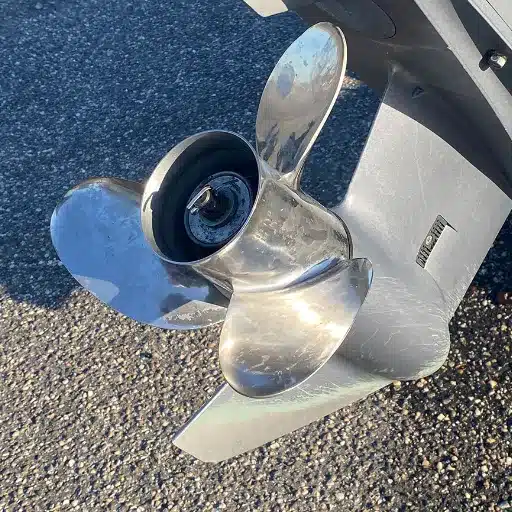
Boat propellers last anywhere from 3 to 20-plus years, depending on the material, where you boat, and how well you maintain them. If you have ever wondered whether it is time to replace yours or if that old prop still has life left, you are asking the right question. Too many boaters assume a propeller is fine as long as the blades are still attached. The reality is more nuanced, and understanding the difference between a propeller’s physical life and its performance life can save you money, fuel, and frustration on the water.
At Captain Marine, we have spent years helping boaters get the most out of their propellers. This guide breaks down exactly how long propellers last by material, what shortens their lifespan, and how to tell when it is truly time for a replacement.
Key Takeaways
- Aluminum propellers typically last 5-10 years physically, but performance may drop after 300-700 hours of use.
- Stainless steel propellers can last 10-20+ years physically, with optimal performance extending to 1,000-3,000+ hours.
- A propeller’s performance life is usually shorter than its physical life — it can look intact while delivering reduced speed and fuel efficiency.
- Saltwater, impact damage, and neglected maintenance are the top three factors that shorten any propeller’s lifespan.
- Repair costs run $100-150 for aluminum and $200-400 for stainless steel, making repair a smart option for minor damage.
The Short Answer: How Long Do Propellers Last?
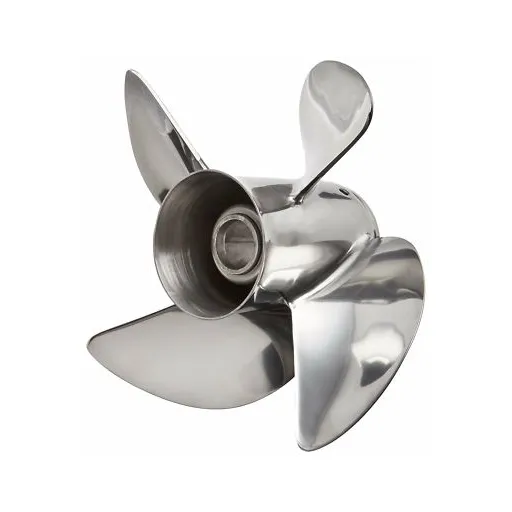
The honest answer is that there is no universal expiration date stamped on a propeller. Industry performance benchmarks suggest aluminum props deliver their design specifications for roughly 5 years under average recreational use. Stainless steel props hold their original performance for closer to 10 years under the same conditions. But those numbers reflect performance benchmarks, not structural failure.
Physically, an undamaged aluminum propeller can last a decade or more in clean freshwater. Stainless steel props routinely last 20-plus years if they never strike debris. The catch is that long before a propeller cracks or breaks, it may stop delivering the speed, RPM, and fuel efficiency it once did.
Here is a quick-reference table for how long propellers last by material:
| Material | Physical Lifespan | Performance Lifespan | Best For |
|---|---|---|---|
| Aluminum | 5-10+ years | 300-700 hours | Casual freshwater use |
| Stainless Steel | 10-20+ years | 1,000-3,000+ hours | Frequent or saltwater use |
| Composite | 5-10 years | 500-1,500 hours | Lightweight applications |
| Bronze / NAB | 8-15+ years | 2,000+ hours | Inboard and commercial vessels |
These ranges assume normal recreational use of roughly 50-100 hours per season. Heavy commercial use accelerates wear proportionally. If you are trying to decide whether to stick with your current prop or invest in an upgrade, our complete aluminum vs. stainless steel propeller comparison breaks down every factor worth considering.
Performance Life vs. Physical Life: The Distinction Most Boaters Miss
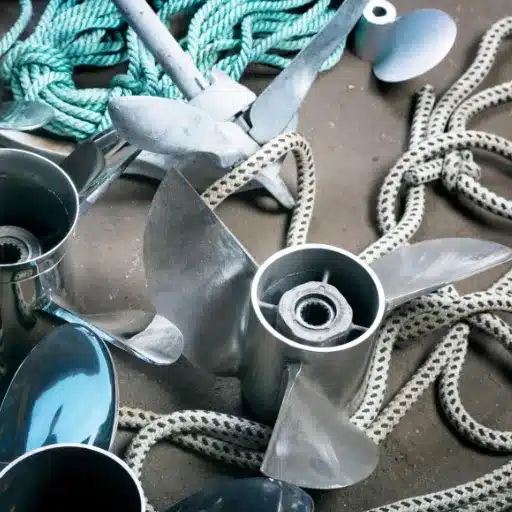
This is the detail that separates a truly useful lifespan guide from a generic one. A propeller’s physical life is how long it stays in one piece. Its performance life is how long it continues to deliver the top speed, acceleration, and fuel efficiency it was engineered for. The two timelines rarely match.
After 300-500 hours of use, a propeller may look perfectly fine to the naked eye while no longer delivering its original top-end RPM. The microscopic wear mechanisms at play are gradual blade-edge thinning, loss of cup geometry, and subtle pitch deformation from cavitation erosion and abrasive silt. These changes do not create dramatic visual damage, but they absolutely change how your boat performs.
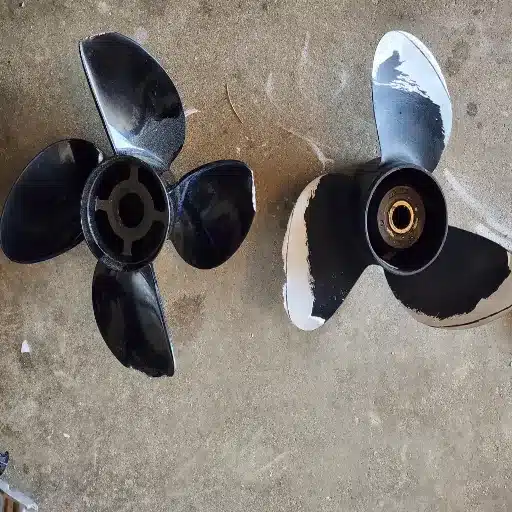
When Marcus bought his 19-foot bowrider in 2019, it came with a standard aluminum propeller. For the first four seasons, the boat hit 42 MPH at wide-open throttle and cruised comfortably at 28 MPH. By season six, Marcus noticed he was struggling to break 38 MPH, and his fuel burn had crept up by roughly 15 percent. The propeller blades had no visible cracks or chips, but years of sand and silt in his local lake had slowly eroded the blade edges and reduced the cup. A new propeller of the same specs restored his original performance instantly. Marcus learned the hard way that a prop can look fine while underperforming.
High-performance boaters and tournament anglers are often the first to notice this gap. They track RPM and GPS speed meticulously and spot performance degradation within a few seasons. Casual cruisers may go years without realizing their propeller is the reason their boat feels sluggish.
Aluminum Propeller Lifespan
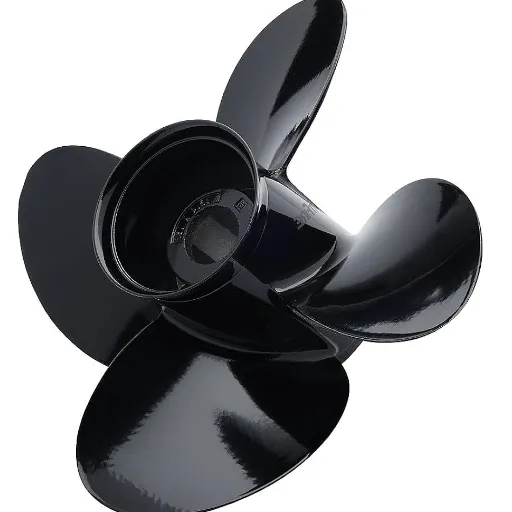
Aluminum is the most common material for recreational outboard propellers, and for good reason. It is affordable, widely available, and forgiving when you hit something — the softer metal deforms rather than transferring the full impact force to your lower unit.
Physical lifespan: 5-10+ years for most recreational boaters. In ideal conditions — clean freshwater, no impacts, basic maintenance — aluminum props can last 15 or even 20 years.
Performance lifespan: 300-700 hours before measurable degradation. Industry benchmarks cite roughly 5 years as the point where design performance starts to slip, based on average recreational use of about 75 hours per year.
What shortens it: Saltwater corrosion can cut aluminum’s lifespan by 30-50 percent compared to freshwater. Impact damage from rocks, logs, or sandbars bends blades easily. Neglected maintenance, like failing to replace sacrificial anodes, accelerates electrolysis and pitting.
What extends it: Rinsing with freshwater after saltwater use, replacing zinc anodes on schedule, inspecting blades seasonally for nicks, and filing minor burrs before they become cracks. For a full breakdown of what aluminum offers and where it falls short, see our honest aluminum propeller pros and cons guide.
Stainless Steel Propeller Lifespan
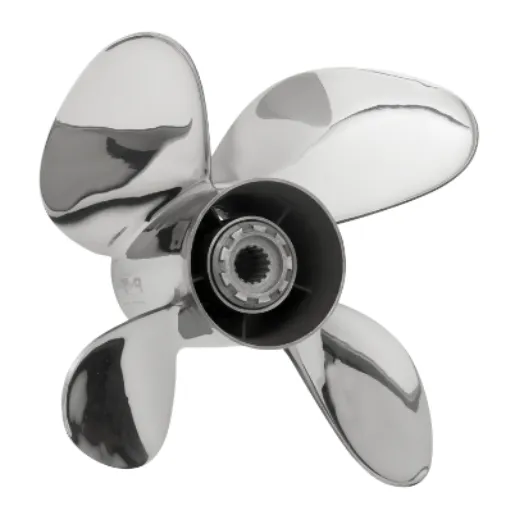
Stainless steel propellers are harder, denser, and more corrosion-resistant than aluminum. They hold their geometry longer, resist abrasion better, and typically deliver a performance edge that aluminum cannot match over the long haul.
Physical lifespan: 10-20+ years is typical. Many stainless props last several decades with proper care.
Performance lifespan: 1,000-3,000+ hours before significant degradation. The industry benchmark of roughly 10 years assumes standard recreational use, but performance-minded boaters may notice cup and pitch changes sooner.
What shortens it: Electrolysis is the silent killer of stainless steel in saltwater without proper anode protection. Cavitation erosion still occurs, though more slowly than on aluminum. Hard impacts do not bend stainless props the way they bend aluminum — instead, the damage tends to be catastrophic cracking or blade fracture.
What extends it: Aggressive anode maintenance, periodic professional inspection, corrosion-resistant coatings for saltwater use, and prompt repair of minor edge damage. Stainless steel is the clear choice if you boat frequently or operate in saltwater, and our stainless steel propeller benefits guide covers the performance advantages in detail. Michigan Wheel provides additional independent data on material durability.
Composite and Bronze Propeller Lifespan
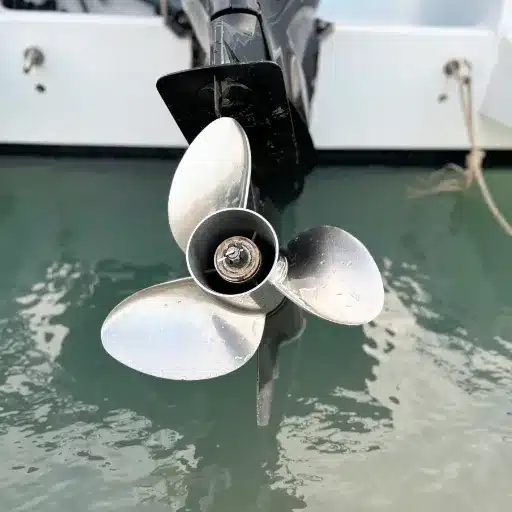
Composite propellers occupy a middle ground. They typically last 5-10 years physically and deliver solid performance for 500-1,500 hours. UV exposure, impact damage, and blade delamination are the main concerns. Proper off-season storage away from direct sunlight helps extend their life.
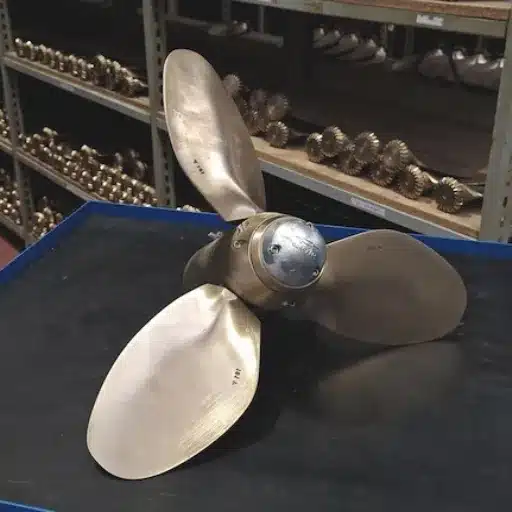
Bronze and nickel-aluminum-bronze (NAB) propellers are common on inboard engines and commercial vessels. NAB props can last 8-15 years in normal service and several decades in ideal conditions with proper maintenance. Commercial ferry and workboat operators often see 5-15 years of reliable service before a major overhaul, though some NAB props remain in service for multiple decades when design, operating conditions, and maintenance programs are well aligned, according to Berger Maritiem.
Your Propeller Hub Has Its Own Lifespan
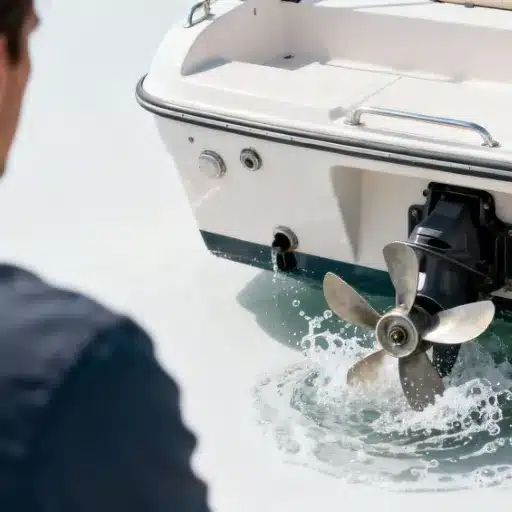
Here is something most lifespan discussions ignore entirely: the hub inside your propeller can fail long before the blades do. The rubber bushing in a pressed-in hub degrades from heat cycling, salt exposure, and age. A dried-out or cracked hub will spin independently of the propeller shaft, causing your engine to over-rev without delivering proportional speed.
Hub lifespan: 3-7 years is common for rubber hubs, regardless of blade condition. Plastic hub inserts on newer props offer easier DIY replacement and can be swapped on the water if you carry a spare.
Spun hub symptoms: Sudden loss of thrust, engine RPMs climb without speed increase, and a loose or wobbly feel when you rotate the prop by hand. If you suspect a spun hub, rehubbing costs far less than a full propeller replacement.
What Shortens Propeller Lifespan
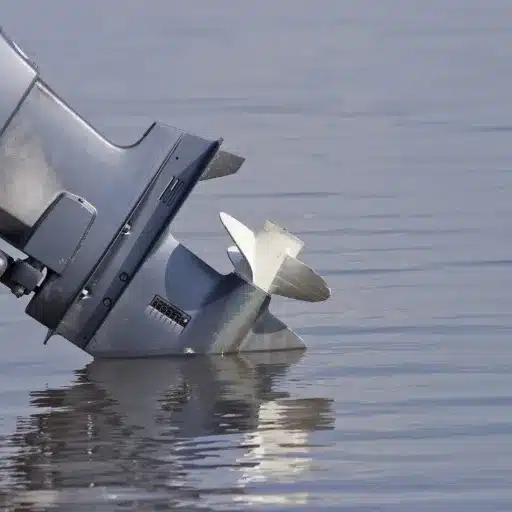
Understanding the enemies of propeller longevity helps you avoid them. Here are the top culprits:
Impact damage. Striking rocks, logs, sandbars, or debris is the number one reason propellers get replaced early. Even a small nick can create a stress riser that leads to a crack over time.
Saltwater corrosion. Salt accelerates galvanic corrosion and pitting, especially on aluminum. Without sacrificial anodes, corrosion can destroy a propeller in just a few seasons.
Cavitation erosion. Poorly matched props or damaged blades can cause cavitation burn — pockmarked, eroded surfaces near the blade tips that destroy the original metallurgy and geometry.
Electrolysis. Stray electrical current in the water causes accelerated metal loss. Proper bonding and anode maintenance are your defense.
Silt and sand abrasion. Boating in shallow, silty water gradually wears down blade edges and reduces cup. The damage is slow but cumulative.
Neglected maintenance. Marine growth increases drag and uneven loading. Fishing line wrapped around the propshaft can destroy seals and allow water into the lower unit.
Saltwater use in particular demands attention to material choice. If you operate in marine environments regularly, choosing corrosion-resistant materials becomes even more critical.
What Extends Propeller Lifespan
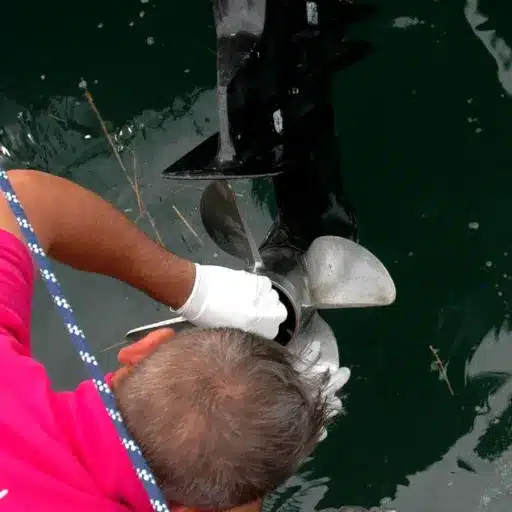
The good news is that a modest maintenance routine pays off dramatically. Here is what makes the biggest difference:
Inspect regularly. Check your propeller before and after each season, and always after a grounding or suspected strike. Look for cracks, chips, bent blades, and corrosion.
Maintain your anodes. Sacrificial zinc or aluminum anodes should be replaced when they are 50 percent depleted. Proper anode maintenance can extend propeller life by 2-3 years or more.
Rinse after saltwater use. A simple freshwater rinse removes salt residue that drives corrosion. It takes two minutes and costs nothing.
Grease the shaft. Apply marine grease to the propshaft during seasonal maintenance. Check the prop shaft seal and reapply grease during reinstallation.
Store properly. Remove the propeller for off-season storage, or at a minimum, keep it covered and protected from UV exposure.
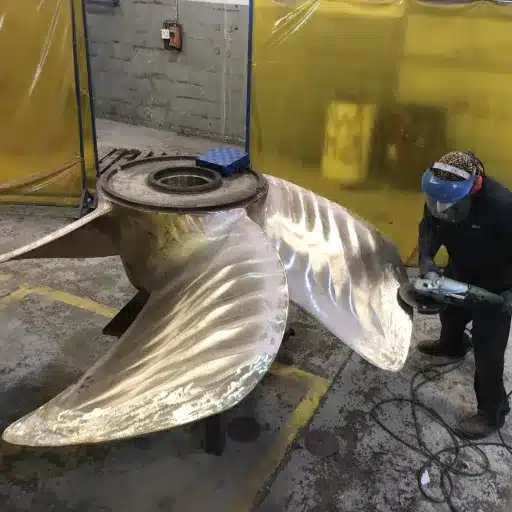
Repair minor damage promptly. Small nicks and burrs can be filed smooth. Minor bends can be professionally re-pitched. Addressing damage early prevents it from becoming a crack or balance issue.
For a complete checklist, seasonal inspection, winterization, and prompt damage repair form the foundation of propeller longevity.
When to Replace vs. Repair vs. Refurbish
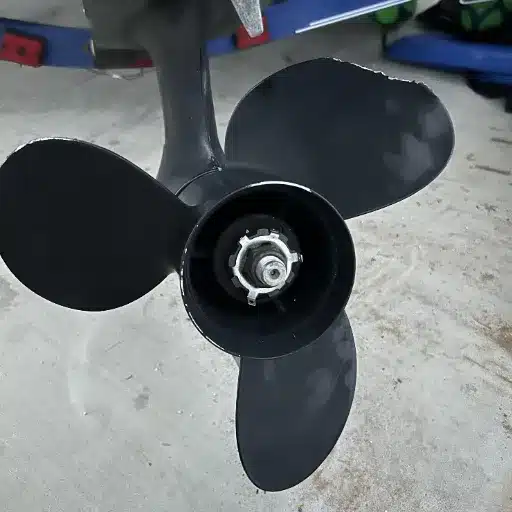
Not every damaged propeller needs replacement. Knowing when to repair, when to refurbish, and when to replace saves money and keeps you safe.
Repair is a smart option when:
- Minor nicks or small bends that do not reach the hub
- Slight blade edge damage that can be filed or ground smooth
- Balance issues from a single small ding
Refurbish (re-pitch, re-cup, rehub) makes sense when:
- The propeller is fundamentally sound but has lost its original geometry
- The hub has spun, but the blades are intact
- Multiple seasons of wear have reduced performance
Replace is the only safe choice when:
- Cracks extend to the hub or root of the blade
- More than 10 percent of the blade surface area is lost
- Severe cavitation burn or electrolysis has destroyed the metal
- Hairline fractures appear on the back of the blade
- Excessive vibration persists after attempted repair
Cost context: According to Discover Boating, aluminum prop repairs typically run $100-150, while stainless steel repairs range from $200-400. A new stainless steel propeller costs $400-700 or more. For minor damage on a quality stainless prop, repair almost always makes economic sense. For heavily damaged aluminum props, replacement is often the smarter call.
Captain Marine offers a full range of replacement propellers engineered for durability and performance. If you are weighing whether to repair an old prop or upgrade to something better, our boat propeller maintenance guide covers seasonal care that can extend your current propeller’s life. When replacement is the smarter call, a precision-engineered propeller can restore — and exceed — your boat’s original performance.
Cost Per Hour: Which Material Wins Over Time?
The upfront price tag tells only part of the story. Here is how the lifetime cost breaks down for a recreational boater running roughly 75 hours per season:
| Material | Upfront Cost | Avg. Physical Life | Cost Per Year | Repair Frequency |
|---|---|---|---|---|
| Aluminum | $150-300 | 5-10 years | $15-60 | Higher (softer metal) |
| Stainless Steel | $400-700 | 10-20+ years | $20-70 | Lower (harder metal) |
| Composite | $200-400 | 5-10 years | $20-80 | Moderate |
The cost-per-year numbers are closer than you might expect because stainless steel lasts so much longer. For frequent boaters — especially those running 100-plus hours per season — stainless steel typically wins on total cost of ownership. For occasional freshwater boaters, aluminum delivers excellent value.
Our complete ROI and cost analysis for stainless steel propellers digs deeper into the numbers and helps you decide whether the upgrade makes sense for your specific boating habits.
FAQ
How long does a stainless steel propeller last vs. aluminum?
Stainless steel propellers typically last 10-20+ years physically, compared to 5-10+ years for aluminum. Performance-wise, stainless holds its original specs for 1,000-3,000+ hours versus 300-700 hours for aluminum. Saltwater use narrows the gap slightly, but stainless steel still outlasts aluminum in nearly every environment.
Can a propeller last 20 years?
Yes. An undamaged stainless steel propeller in freshwater with basic maintenance can easily last 20 years or more. Even aluminum props can reach 20 years in ideal conditions. The question is whether they are still performing at their best after two decades.
Should I replace my propeller if it has small chips?
Small chips and nicks can often be filed smooth by a professional propeller shop. Replacement is only necessary when cracks reach the hub, material loss exceeds 10 percent, or the damage creates a dangerous imbalance.
Does saltwater really damage propellers that much?
Saltwater accelerates corrosion and can reduce an aluminum propeller’s lifespan by 30-50 percent compared to freshwater. Stainless steel fares better but still requires diligent anode maintenance. The salt itself is not the only threat — marine growth, electrolysis, and higher humidity all compound the problem.
How do I know if my propeller hub is bad?
Signs of a failing hub include engine over-revving without speed increase, a loose or wobbly feel when you spin the prop by hand, and a sudden loss of thrust under load. Rehabbing is far cheaper than replacing the entire propeller.
Is it worth repairing an old propeller?
If the blades are fundamentally intact and the damage is minor, repair or refurbishment is usually worth it — especially for stainless steel props where replacement is expensive. If the propeller has seen multiple repairs, has cracks near the hub, or was never the right size for your boat, replacement is the better investment.
Conclusion
So, how long do propellers last? The real answer depends on three things: what your propeller is made of, where and how you boat, and whether you invest in basic maintenance. Aluminum propellers serve casual boaters well for 5-10 years. Stainless steel props reward frequent and saltwater boaters with 10-20-plus years of service. But remember — the propeller that stays in one piece is not always the propeller that still delivers the performance you paid for.
Track your boat’s top speed and RPM over time. Inspect your propeller seasonally. Address minor damage before it becomes major. And when performance drops, or damage exceeds safe repair limits, do not hesitate to replace or upgrade.
If you are unsure whether your current propeller still has life left or if it is time for an upgrade, contact the Captain Marine team. We will help you assess your propeller’s condition and find the right replacement to get your boat back to peak performance.