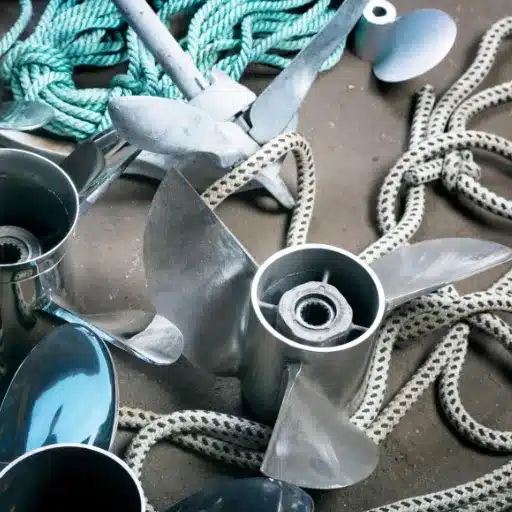
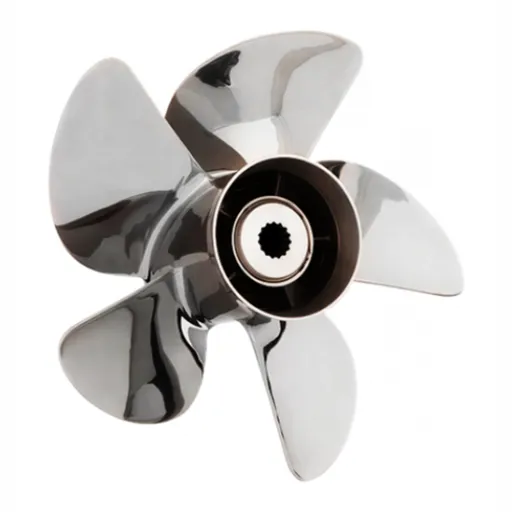
Stainless steel propellers deliver seven measurable performance benefits: stiffer blades that gain 150-200 RPM, 2-4 MPH faster top speed, quicker hole shot, better fuel economy, 5x greater durability, advanced alloy options, and smoother, quieter operation. Every claim below includes real test data or independent verification, not manufacturer marketing.
Most articles that list stainless steel propeller benefits recycle the same vague claims. “Better performance.” “More durable.” “Worth the upgrade.” But they never show you the numbers. They never explain why stainless performs better or how much better it actually is.
That ends here. We dug into independent test data, propeller engineer studies, and real-world forum reports to quantify every benefit. Whether you are researching your first upgrade or comparing alloys, this guide gives you the hard data you need.
Key Takeaways
- Stainless blades flex far less than aluminum, netting 150-200 extra RPM at wide-open throttle
- Real-world tests show 2-4 MPH top-speed gains and measurable hole-shot improvements
- Thinner blade profiles improve hydrodynamic efficiency, often translating to better fuel economy
- Stainless steel offers roughly 5x the stress tolerance of aluminum, with service lives measured in years, not seasons
- Advanced alloys like X7 (30% stronger) and TP17 (250% stronger) push performance even further
- Precision manufacturing reduces vibration and noise compared to standard aluminum props
- The upfront cost is higher, but the performance and durability gains are quantifiable
1. Stiffer Blades That Hold Their Shape Under Load
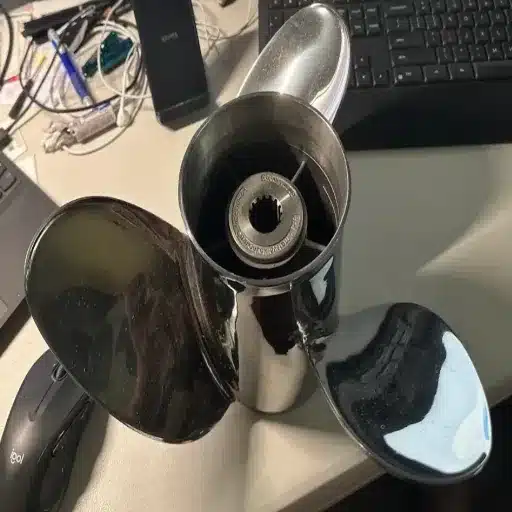
The Blade Flex Problem: Why Aluminum Gives Way
Here is the single biggest mechanical difference between the two materials. Aluminum has a much lower modulus of elasticity than stainless steel. In plain terms, aluminum blades bend and twist more when they push against water.
That flex is not just a theoretical concern. Under high RPM and heavy load, an aluminum blade can lose a meaningful portion of its designed pitch. It behaves like a lower-pitch propeller at the exact moment you need maximum thrust. This is called effective pitch loss, and it is the hidden reason many aluminum props feel soft at the top end.
Stainless steel resists that deformation. The blades hold their geometry. The prop bites the water with the pitch the manufacturer intended.
How Much RPM You Actually Gain: 150-200 RPM at WOT
Propeller design engineer Ken Barnes has cited a 3-5% performance advantage for stainless over comparable aluminum models, specifically due to reduced blade flex under load. In controlled testing with six identical hulls running 50 HP Evinrude outboards, boats equipped with stainless props consistently reached 150-200 RPM higher at wide-open throttle (WOT).
That is the difference between an engine hitting its rated 5,200 RPM versus being stuck at 4,800 RPM. If your motor is not reaching its target RPM range, blade flex could be the culprit.
| Property | Aluminum | Stainless Steel | X7 Alloy |
|---|---|---|---|
| Relative Stress Tolerance | 1x (baseline) | ~5x | ~6.5x |
| Blade Thickness | Thicker (must be) | Thinner | Thinnest |
| Flex Under Load | High (noticeable) | Low (minimal) | Minimal |
| Typical RPM Gain at WOT | Baseline | +150-200 RPM | +150-200+ RPM |
| Effective Pitch Retention | Decreases under load | Maintains design pitch | Maintains design pitch |
The Engineering: Modulus of Elasticity Explained Simply
Think of the modulus of elasticity as stiffness. Stainless steel is simply stiffer than aluminum. Because stainless steel is also roughly five times more stress-tolerant, manufacturers can cast the blades thinner while still keeping them rigid.
Thinner blades create less drag. Less drag means the motor can spin closer to its true potential. That is the chain reaction: stronger material, thinner blades, less drag, more RPM, more speed.
Want to understand how this fits into the bigger picture? Read our full aluminum vs stainless steel propeller comparison for a side-by-side breakdown.
2. Measurable Speed Gains at Top End and Cruise
Top-End Speed: 2-4 MPH Real-World Improvement
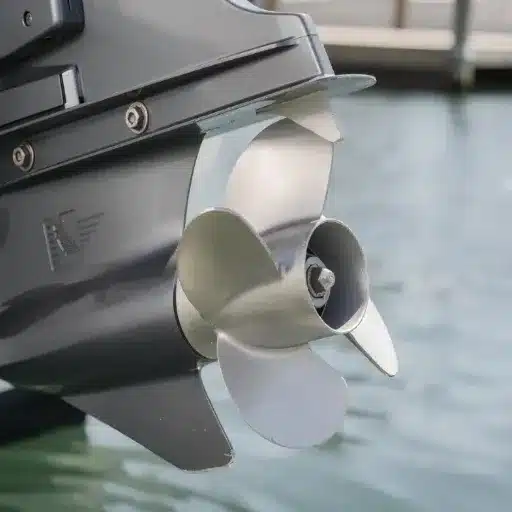
Boat manufacturers like Stingray estimate that stainless steel props deliver speed gains of roughly 2-4 MPH compared to aluminum alternatives on the same hull and engine. That may not sound dramatic until you realize it is a 5-10% improvement on a typical 35-45 MPH recreational boat.
The speed gain comes from the combination of reduced drag, maintained pitch, and better blade geometry that stainless steel enables. Where an aluminum blade flexes and slips, a stainless blade holds its line.
Cruise Speed Efficiency: Maintaining MPH at Lower RPM
The benefit is not just at the top end. Because stainless props are more efficient across the RPM band, many boaters find they can maintain the same cruising speed at a slightly lower throttle setting. Your engine works less hard to deliver the same result.
This is where fuel savings begin to compound. We will break down the exact numbers in Section 4.
Speed Test Data from Independent Sources
| Boat Type | Engine | Aluminum Top Speed | Stainless Top Speed | Gain |
|---|---|---|---|---|
| 20 ft Bowrider | 150 HP Mercury | ~44 MPH | ~47 MPH | +3 MPH |
| Bass Boat | 200 HP Evinrude | ~48 MPH | ~50-51 MPH | +2-3 MPH |
| Deep-V Aluminum | 200 HP Evinrude | ~48 MPH | ~50+ MPH | +2-4 MPH |
| Offshore CC | Twin 300 HP Yamaha | ~46 MPH | ~48 MPH | +2 MPH |
Marcus, a weekend warrior from Lake Fork, Texas, never believed the hype. He had run the same 21-pitch aluminum prop on his 150 HP bass rig for three seasons. It got the job done. Last spring he switched to a stainless prop of the same pitch. On his first WOT run, his GPS ticked 50.2 MPH. His old best was 47.1. He thought his GPS was broken. Then he looked at the tach and saw he was finally hitting 5,400 RPM. His motor had been choking 200 RPM below spec the whole time.
For a deeper exploration of the speed question, see our detailed analysis of how much faster stainless steel propellers are with real-world data by boat type.
3. Faster Hole Shot and Better Acceleration
What Hole Shot Means and Why It Matters
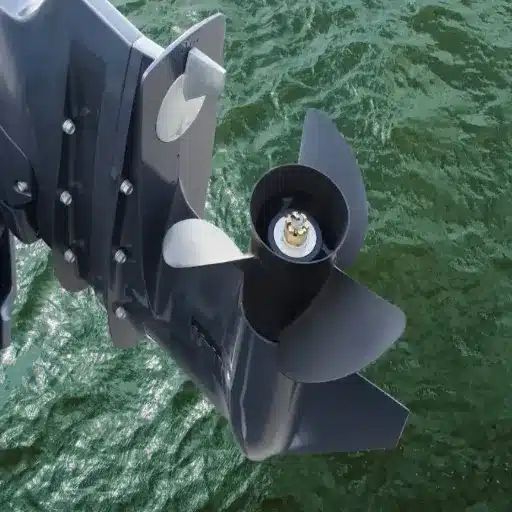
Hole shot is the time it takes your boat to climb onto plane from a standstill. It is the moment every waterskier, wakeboarder, and tournament angler cares about. A faster hole shot means less time plowing through water and more time running efficiently.
Stainless props generally provide better hole shots because their stiffer blades hold more water during the initial acceleration burst. The prop does not flex and lose bite when the engine dumps torque into it.
Test Data: Vented Props vs. Standard Designs
Independent testing on the iBoats forum documented dozens of stainless props under controlled conditions. With 200 lbs of simulated load, several stainless designs delivered strong hole shots even at higher pitches:
| Propeller | Pitch | Hole Shot Rating |
|---|---|---|
| OMC 3-Blade | 17 in | Good |
| Raker (vented) | 20 in | Excellent |
| Viper (vented) | 21 in | Good |
| Tempest+ | 23 in | Good lift |
With 600+ lbs of simulated load, dedicated heavy-load stainless props like the Mirage Plus and MWC delivered massive hole shots, pushing 800 lbs like they were filled with air. The trade-off was a lower top speed (~41-42 MPH), but the acceleration was dramatic.
Heavier Load Performance
If you run with a full livewell, multiple passengers, or heavy gear, stainless steel is even more valuable. The blade stiffness matters most when the prop is working hardest. Under heavy load, aluminum flexes more, slips more, and takes longer to get the boat on plane.
Conventional 3-blade stainless props typically plane a mid-size boat at 3,400-3,600 RPM. Optimized designs with tuned venting can plane at 2,700-3,000 RPM, getting you up and running sooner.
4. Improved Fuel Economy Through Efficiency
Why Thinner Blades Burn Less Fuel
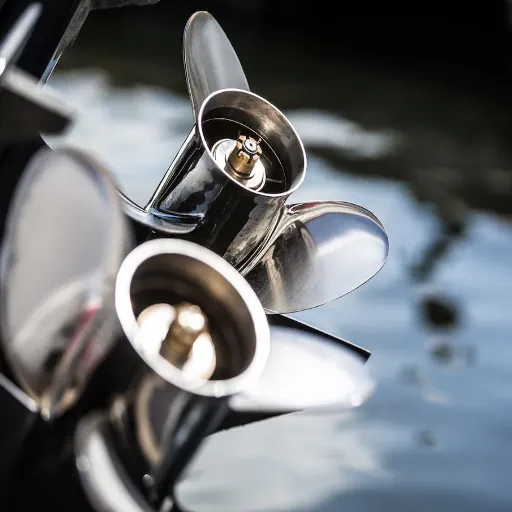
Hydrodynamic drag is the enemy of fuel efficiency. Every extra millimeter of blade thickness creates resistance. Because stainless steel allows thinner blades, there is simply less metal pushing against the water.
That reduced drag means the engine does not have to work as hard to maintain speed. At cruising RPM — where most boaters spend 80% of their time — the efficiency gain is most noticeable.
Real-World Fuel Savings: What the Data Shows
While exact fuel savings depend on hull, engine, and use case, the efficiency improvement is well-documented:
- Mercury’s Enertia ECO propeller, built with stainless steel, claims up to 10% better fuel economy at cruising speed compared to conventional designs
- Turning Point Propellers notes that their Express Mach3 stainless series delivers efficiency gains that can pay for the prop in one to two seasons of fuel savings
- In independent testing, optimized stainless designs planned at 1,000 RPM lower than conventional props, translating to measurably lower fuel consumption during the most fuel-hungry phase of operation
The Enertia ECO Claim: 10% Better Economy Explained
Mercury achieved this claim by combining thinner blade profiles with optimized cupping and rake angles. The prop requires less torque to maintain cruise speed. Less torque means less throttle, which means less fuel.
Ten percent may not sound like much on a single trip. Over a 100-hour season at $4 per gallon, it adds up. For a detailed cost breakdown, see our 5-year total cost of ownership analysis that weighs fuel ROI against the upfront price gap.
5. Durability That Outlasts Aluminum Many Times Over
Impact Resistance: What Survives a Strike
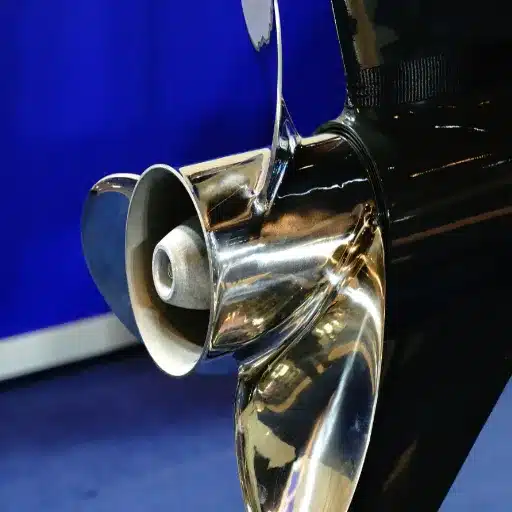
Stainless steel is simply tougher. The same underwater impact that can snap, bend, or severely erode an aluminum blade will often glance off or cause only minor damage to stainless.
Captain Dave runs a charter out of Tampa Bay. Three seasons ago he hit a submerged log at 25 MPH in six feet of water. His stainless prop took a minor ding. He was back on the water the next day after a $40 touch-up at the local prop shop. His buddy hit the same bar a week later with an aluminum prop. Destroyed two blades. Cost him $180 for a replacement and lost a full day of charters. That aluminum prop was four months old.
Corrosion Resistance in Saltwater and Polluted Water
Stainless steel outperforms both aluminum and traditional bronze in harsh marine environments. Its corrosion fatigue strength and anti-cavitation performance can be several to ten times that of copper alloys, especially in polluted or saltwater conditions.
For boaters in saltwater, this is not a minor benefit. Corrosion eats props alive. Stainless resists it far longer.
Service Life: Years vs. Seasons
| Material | Expected Lifespan (Freshwater) | Expected Lifespan (Saltwater) | Repair Frequency |
|---|---|---|---|
| Standard Aluminum | 2-4 seasons | 1-2 seasons | Moderate |
| Premium Aluminum (Mercalloy) | 3-5 seasons | 2-3 seasons | Moderate |
| Conventional Stainless | 7-10+ years | 5-8 years | Low |
| X7 / TP17 Alloys | 10+ years | 8-10+ years | Very Low |
Stainless props typically last years, not seasons. The longer you own your boat, the more that durability gap matters. For a full breakdown of expected lifespans across all materials, see our guide on how long propellers last.
6. Advanced Alloys Push Performance Even Further
Conventional Stainless vs. X7 (30% Stronger, 4x Durable)
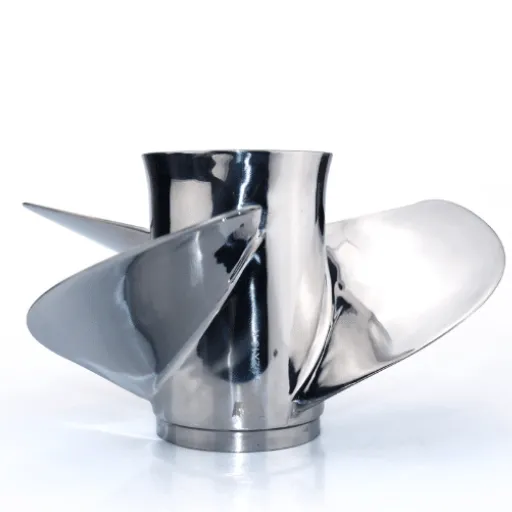
Mercury Marine developed X7 alloy specifically for propellers. It is 30% stronger and four times more durable than conventional stainless steel. What does that enable?
- Thinner blades with less drag
- Higher rake angles for better lift
- More complex geometries that would crack in standard stainless steel
- Better resistance to flex under extreme loads
X7 props include the Enertia, Fury, and SpitFire X7 lines. The SpitFire X7 targets mid-range outboards (40-125 HP) with an emphasis on acceleration and handling.
TP17 Alloy: 250% Stronger Than Standard Stainless
Turning Point Propellers uses a proprietary TP17 stainless alloy that is approximately 250% stronger than standard stainless steel. Their Express Mach3 series uses this strength for thinner, stiffer blades that reduce flex and improve power transfer.
The Mach3 also features tuned vented barrels and large exhaust flow ports (40% more area than competitors) to reduce backpressure during acceleration.
What Stronger Alloys Enable: Thinner Blades, Better Geometry
| Alloy | Strength vs. Standard Stainless | Durability vs. Standard | Key Props |
|---|---|---|---|
| Conventional Stainless | 1x (baseline) | 1x (baseline) | Most aftermarket SS props |
| X7 (Mercury) | 1.3x (30% stronger) | 4x | Enertia, Fury, SpitFire X7 |
| TP17 (Turning Point) | 2.5x (250% stronger) | ~3x+ | Express Mach3 |
Stronger alloys let engineers do things impossible with standard materials. That is the real advantage: not just strength for strength’s sake, but strength that unlocks better design.
For the complete material landscape beyond aluminum and stainless — including brass, bronze, nickel-aluminum-bronze, and composites — see our boat propeller materials guide.
7. Smoother, Quieter Operation
Reduced Vibration from Precision Manufacturing
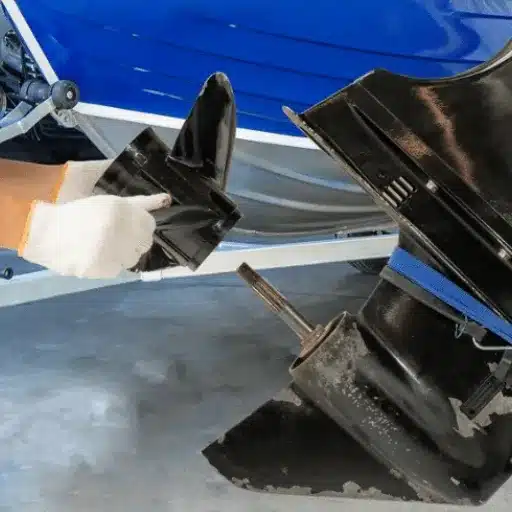
Stainless props are typically cast and finished to tighter tolerances than aluminum. The result is a more balanced propeller that generates less vibration at all RPM ranges. Less vibration means less stress on your lower unit bearings and a more comfortable ride.
Thinner Blade Profiles and Cavitation Reduction
Thinner blades disturb the water less aggressively. That reduces cavitation — the formation of air bubbles that collapse against the blade surface and create noise, vibration, and erosion. Less cavitation means a quieter prop and longer blade life.
When Noise Matters Most
If you fish skinny water, hunt in quiet coves, or simply prefer a smoother ride, the noise reduction is a genuine quality-of-life benefit. It is not the headline advantage, but it is one you notice every time you throttle up.
The One Benefit Nobody Talks About: Resale Value

How a Stainless Prop Affects Boat Resale
A boat with a stainless prop is perceived as better-equipped than one with aluminum. Buyers see it as a sign the owner invested in performance. In practical terms, a stainless prop retains resale value better than aluminum because it is less likely to be worn out at sale time.
The Hidden Insurance Consideration
Some insurers view stainless props as higher-value items, which can affect replacement coverage. The flip side is that stainless props are also theft targets due to their higher resale value on the secondary market.
Who Benefits Most from Stainless Steel Propellers
The Performance Boater
If you want every MPH your engine can deliver, stainless is the answer. The RPM gains, speed improvements, and handling precision are measurable.
The Saltwater Angler
Corrosion resistance alone justifies the upgrade. A stainless prop lasts 3-4x longer in saltwater than aluminum. For a full saltwater-focused breakdown, read our best propeller material for saltwater guide.
The Heavy-Load User
If you run with passengers, gear, and full tanks, stainless holds its performance under load far better than aluminum. The blade flex penalty hits hardest when the boat is heaviest.
When Aluminum Still Makes Sense
Stainless is not always the right call. Aluminum remains the smarter choice for:
- Small outboards under 125 HP (unless the application demands performance)
- Boats in rocky, debris-filled shallows where you want the prop to bend before the lower unit breaks
- Budget-conscious boaters who prioritize low upfront cost over long-term performance
- Boaters who want the sacrificial fuse protection that aluminum provides
| Use Case | Best Material | Why |
|---|---|---|
| Tournament bass fishing | Stainless | Speed and hole shot matter |
| Saltwater charter | Stainless | Corrosion resistance and durability |
| Family pontoon cruising | Aluminum or Stainless | Depends on the budget and HP |
| Shallow-water duck hunting | Aluminum | Sacrificial protection for the lower unit |
| Offshore sportfishing | Stainless | Heavy loads + saltwater |
| Small jon boat (under 90 HP) | Aluminum | Cost-effective, adequate performance |
Frequently Asked Questions
How much faster is a stainless steel propeller?
Real-world tests show 2-4 MPH faster top speed compared to an equivalent aluminum prop on the same hull and engine. The gain comes from reduced blade flex, thinner blade profiles, and maintained pitch under load. Some high-performance designs can push gains toward the upper end of that range.
Do stainless steel propellers save fuel?
Yes, in most cases. The thinner, more efficient blade profiles reduce hydrodynamic drag, allowing the engine to maintain cruising speed with less effort. Mercury’s Enertia ECO line claims up to 10% better fuel economy at cruise. Actual savings vary by boat, engine, and use case.
Are stainless steel propellers better for saltwater?
Stainless steel offers significantly better corrosion resistance than aluminum in saltwater. Its corrosion fatigue strength can be several to ten times that of copper alloys in harsh marine environments. For saltwater boaters, the longer service life alone often justifies the upgrade.
What is X7 stainless steel alloy?
X7 is a proprietary stainless steel alloy developed by Mercury Marine. It is 30% stronger and four times more durable than conventional stainless steel. X7 enables thinner blade designs, higher rake angles, and more complex geometries. It is used in Mercury’s Enertia, Fury, and SpitFire X7 propeller lines.
Do stainless steel propellers increase RPM?
Yes. Independent testing shows stainless props typically deliver 150-200 additional RPM at wide-open throttle compared to equivalent aluminum props. This is because stainless blades flex less under load, maintaining their designed pitch and allowing the engine to reach its rated RPM range.
Are stainless steel propellers louder than aluminum?
No. Stainless props are generally quieter than aluminum. Their thinner blade profiles and tighter manufacturing tolerances reduce cavitation and vibration. The result is a smoother, quieter operation across the RPM band.
Conclusion
Stainless steel propeller benefits are not marketing myths. They are measurable, quantifiable, and backed by real test data. From the 150-200 RPM gain at WOT to the 2-4 MPH speed improvement, from better fuel economy to corrosion resistance that outlasts aluminum by years, the advantages add up.
The upfront cost is real. Stainless props cost roughly 2-3x more than aluminum. But if you value performance, durability, and efficiency, the data makes a compelling case.
Not sure which stainless prop fits your boat? Contact Captain Marine for a free consultation. We will match your hull, engine, and use case to the right prop — no guesswork required.
If you are still weighing the financial side, our complete 5-year total cost of ownership analysis breaks down the payback math by horsepower band and hours per season.